Julie Massé
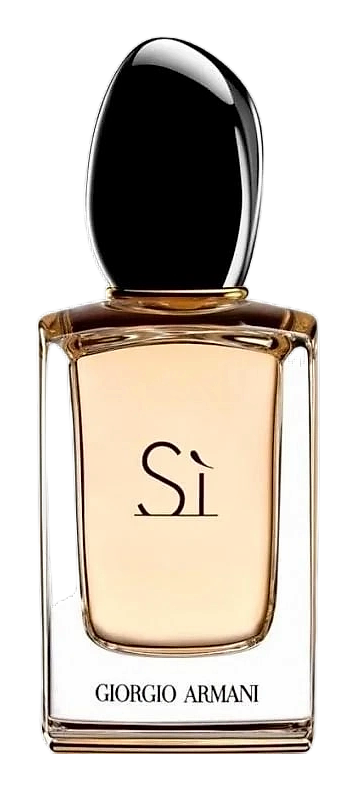
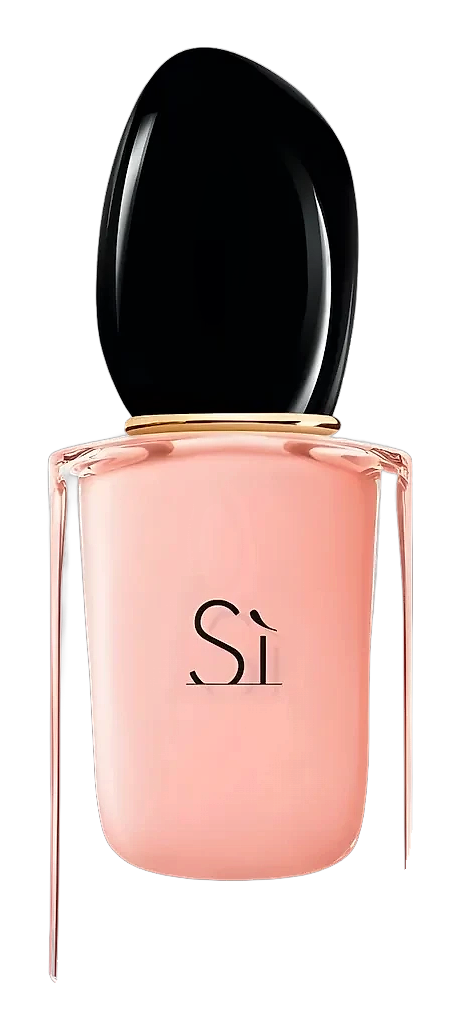
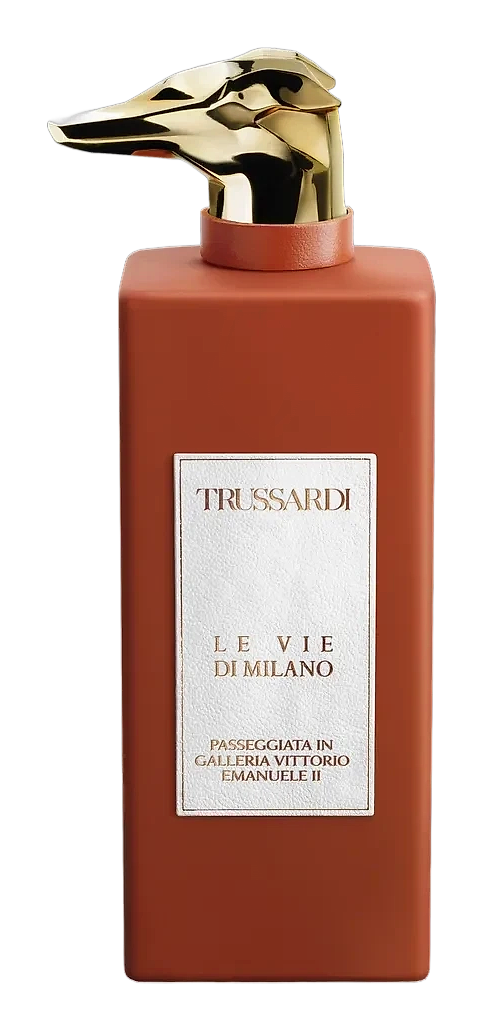
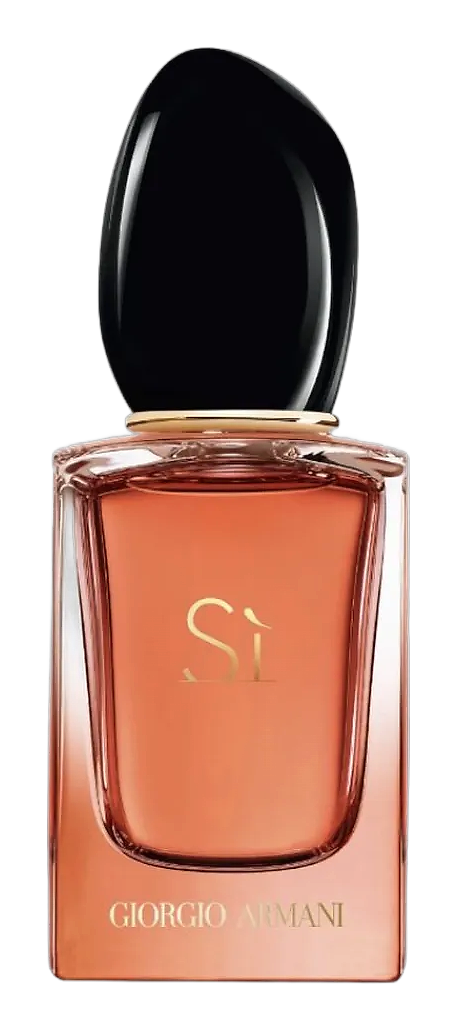
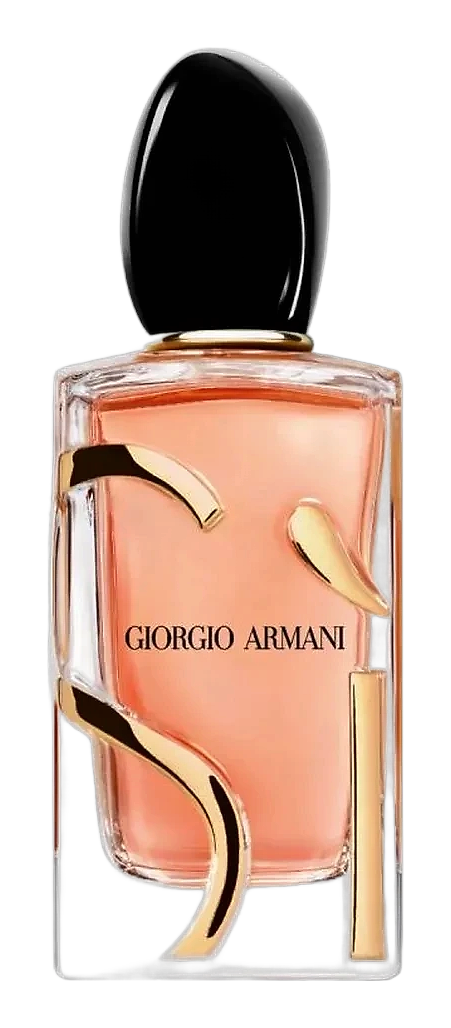
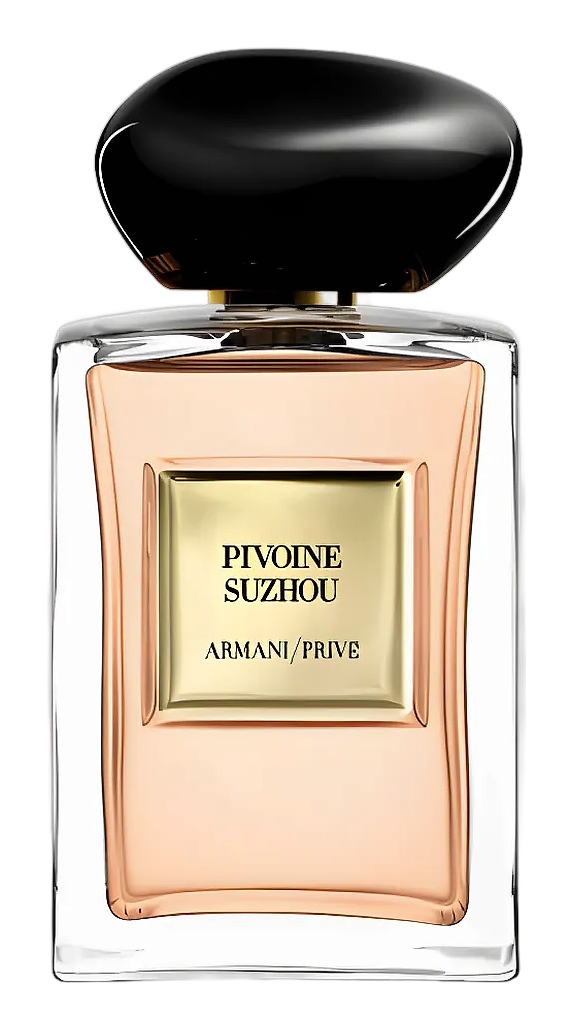
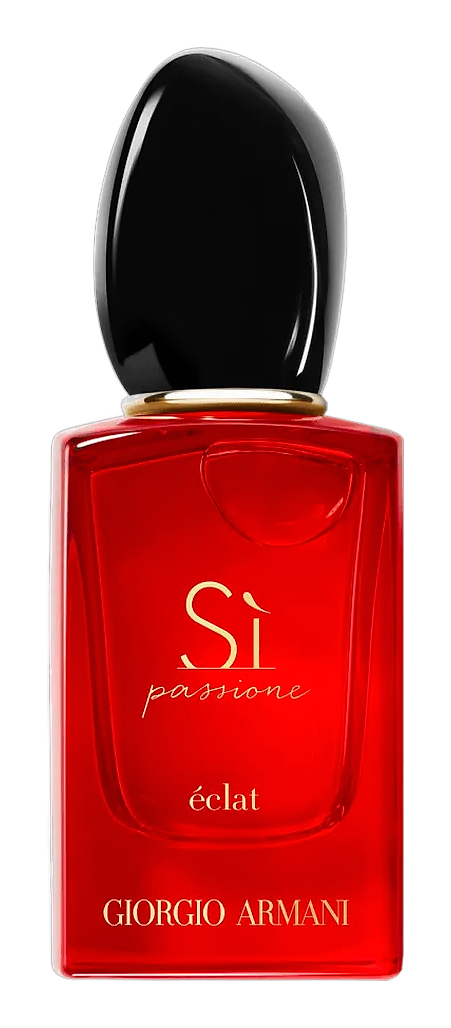
Born in Tokyo to French parents with roots in Grasse, Julie Massé grew up between two aromatic worlds. Her earliest memory is the scent of Japan, a sensory impression that would later shape her approach to fragrance. She studied chemistry and perfumery at ISIPCA in Versailles, where she learned to translate emotion into scent. After graduation, she began in quality control at a perfume house, working directly with raw materials before moving into creation. She refined her craft under master perfumers Christine Nagel and Pierre Bourdon, two figures who shaped her understanding of composition and restraint. Since joining Mane in 2010, Massé has built a portfolio spanning mass-market accessibility and niche complexity, working with houses like Giorgio Armani, Calvin Klein, and Annick Goutal. Her work on Sì Passione for Armani brought her to a wider audience, proving her ability to balance warmth with precision. She continues to lead workshops internationally, pushing the boundaries of what scent can communicate.
The hits
Notable creations


The signature
How Julie composes
Massé gravitates toward warm woods, vanillas, and crisp citrus when building a fragrance. She has a particular affinity for ingredients that create what she calls an incomparable sillage, a signature trail that stays with a wearer. Her style favors balance over boldness, often using bright top notes to introduce depth that reveals itself slowly. She frequently works with green and zesty accords, finding energy in freshness without sacrificing longevity. Her collaborations with other perfumers, including Mathieu Nardin on Goutal's Le Temps des rêves, show her range across genders and genres.
Philosophy
What drives Julie
Massé believes perfume should feel inevitable rather than constructed. She approaches each brief as a conversation between ingredients, searching for the point where individual notes stop competing and start collaborating. Her process begins with a single element that speaks to her emotionally, then builds outward in layers until the composition feels whole. She resists overcomplicating formulas, favoring clarity and purpose. For her, a great fragrance does not announce itself; it lingers in memory long after someone has left the room.