














Heritage
A house, in its own words
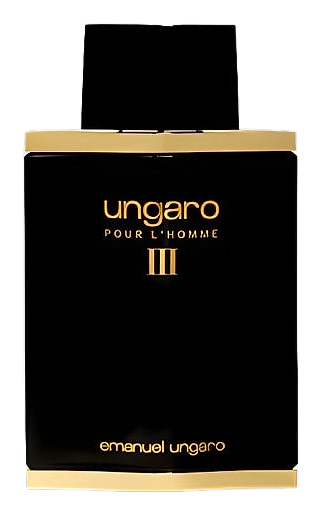
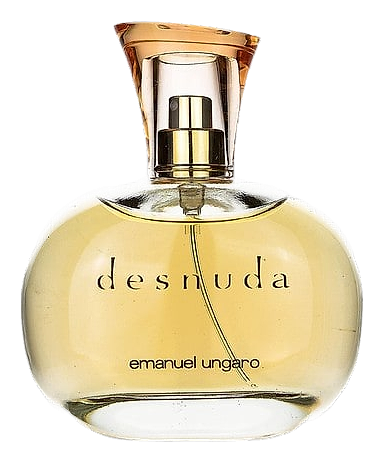
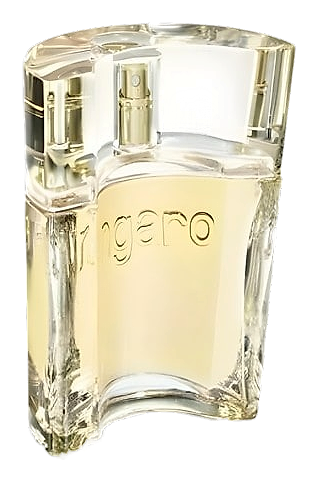
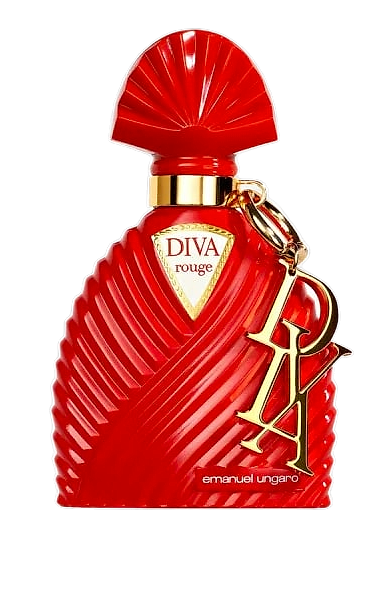
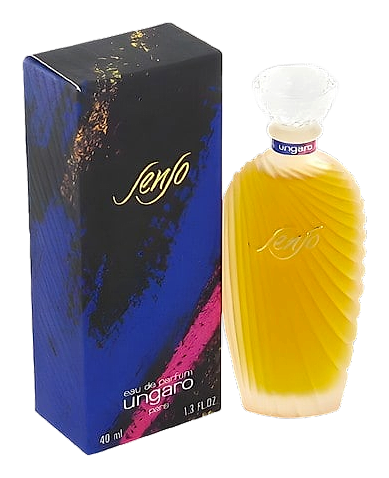
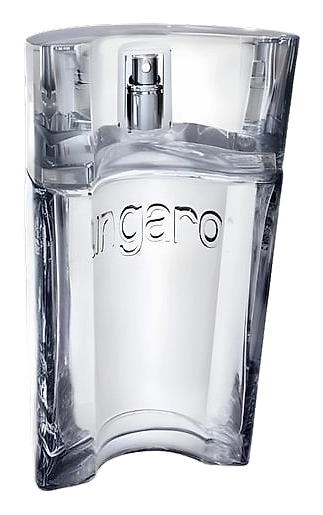
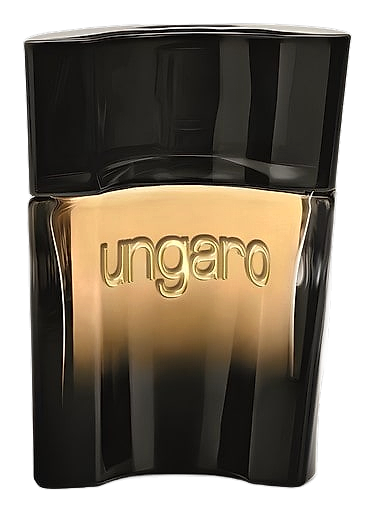
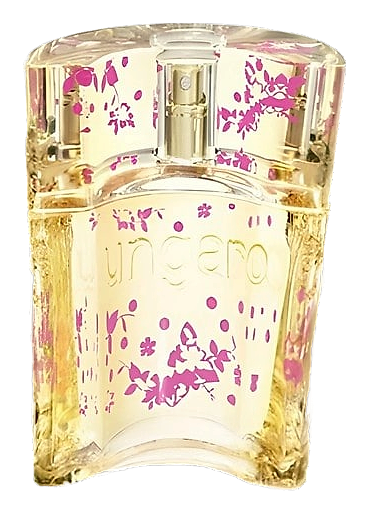
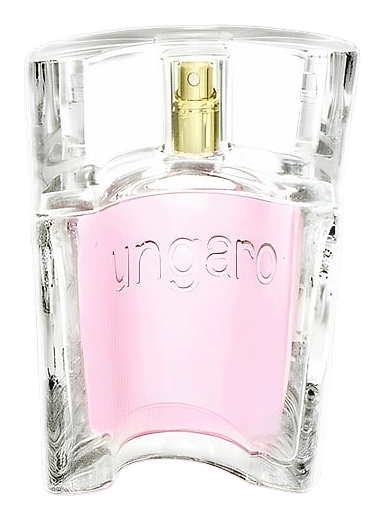
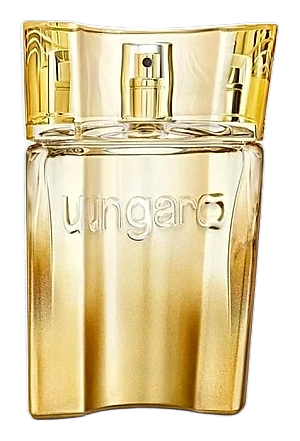
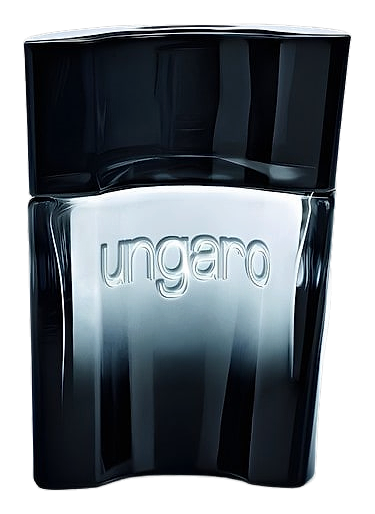
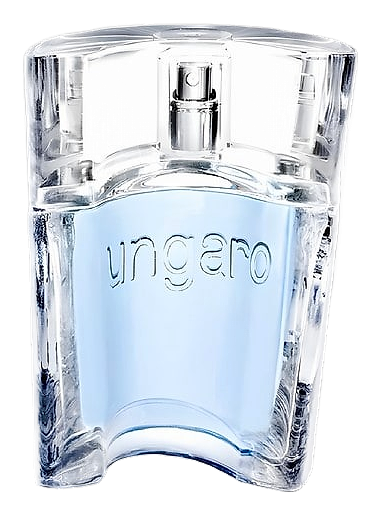
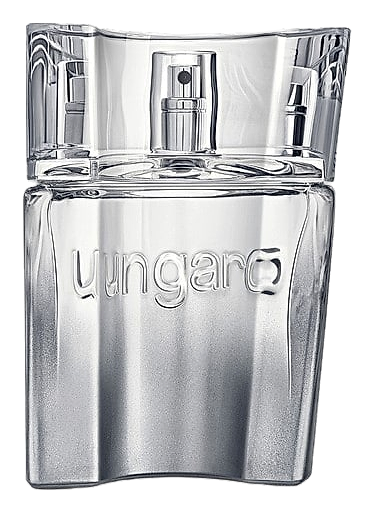
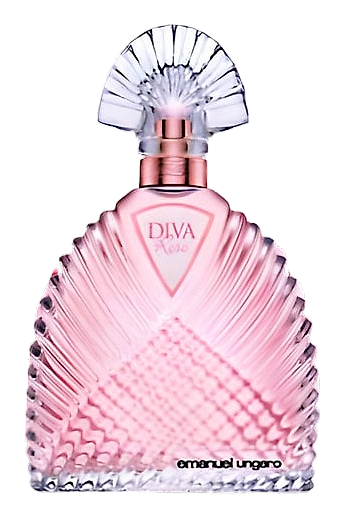
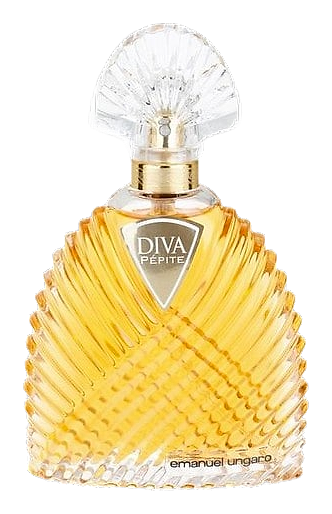
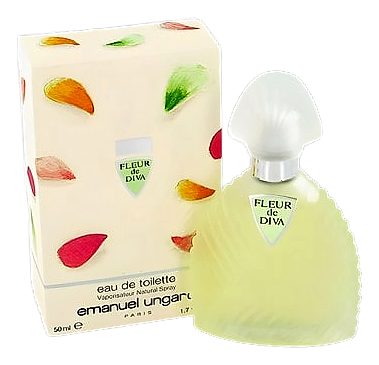
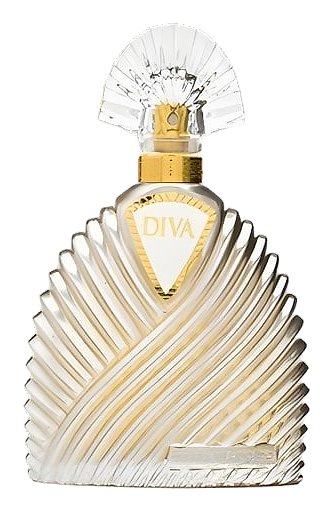
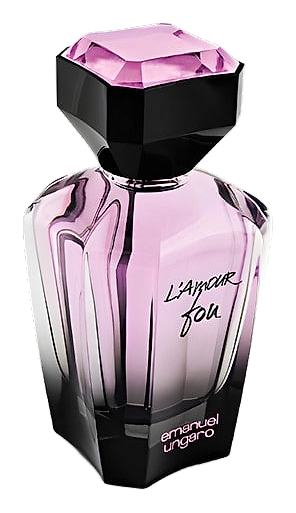
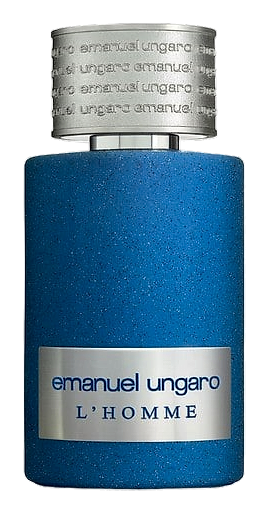
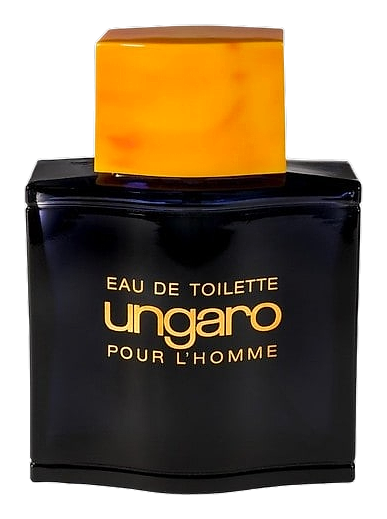
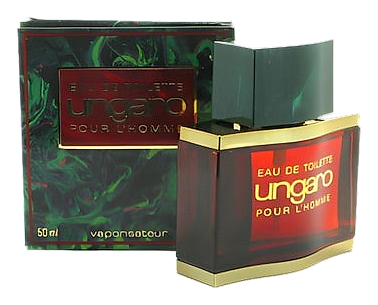
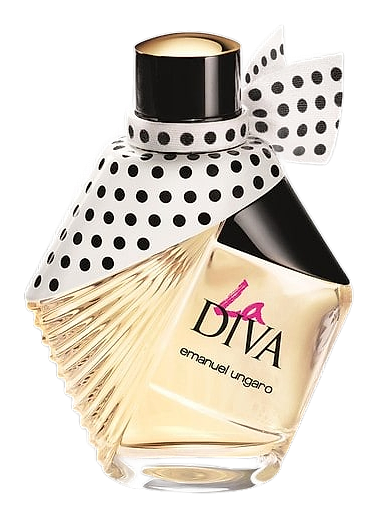
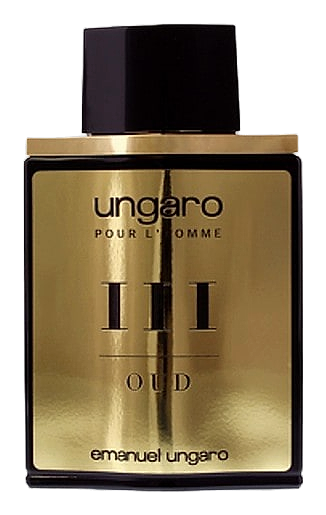
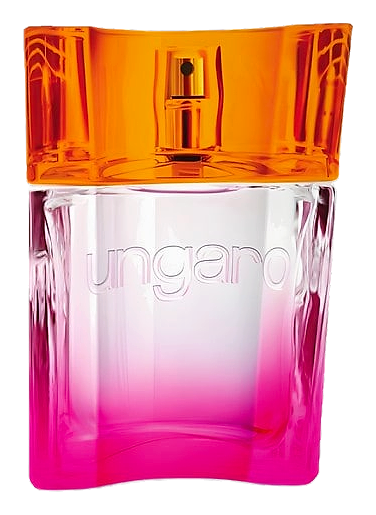
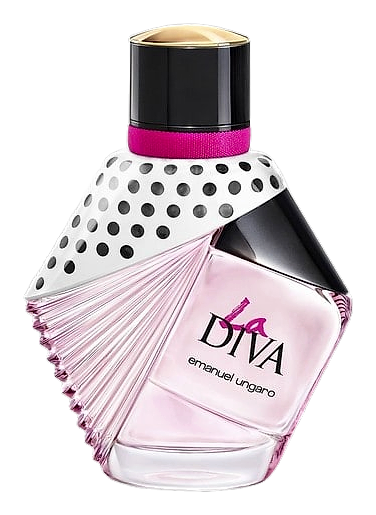
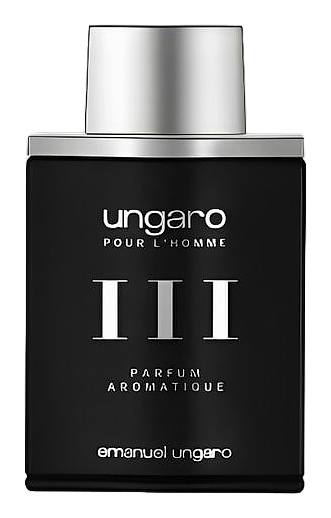
Emanuel Ungaro opened his eponymous house in Paris in 1965 after an apprenticeship with Cristóbal Balenciaga. The Italian‑born designer brought Balenciaga’s disciplined tailoring to Paris, quickly earning a reputation for dramatic cuts and vivid palettes. By the late 1970s the brand expanded beyond clothing, launching its first perfume, Ungaro, in 1977. The fragrance featured a ribbed bottle designed to echo a pleated sheath, a visual cue that linked scent to the house’s architectural aesthetic. In 1983 Ungaro introduced Diva, a rich floral that captured the era’s appetite for opulent femininity and cemented the brand’s presence in the fragrance market. The 1990s saw a diversification of the line with Ungaro pour L'Homme (1991), a crisp aromatic that appealed to a growing male audience, followed by Ombre de la Nuit (1993), a darker, oriental composition that reflected the decade’s experimental spirit. After a period of creative transition, the house revived its heritage with Ungaro Pour L'Homme III Oud in 2015, pairing traditional French perfumery with a modern oud focus. Recent years have added Yellow Chic (2024) and Heavenly Petals (2025), demonstrating the brand’s commitment to fresh narratives while honoring its historic roots. Throughout its history, Ungaro has maintained a dialogue between fashion and fragrance, using scent as an extension of its runway storytelling. The house treats perfume as an intimate object, a belief voiced by Ungaro himself when he said a fragrance mirrors the soul of its creator. This perspective drives a creative process that starts with a visual mood board, then translates color, texture, and movement into olfactory notes. Ungaro prioritises balance: bold statements sit beside subtle accents, mirroring the designer’s love of contrast in clothing. The brand values craftsmanship, sourcing ingredients that reflect both tradition and innovation, and it encourages collaboration with perfumers who share a respect for narrative depth. Sustainability has become a growing concern; recent releases note the use of responsibly harvested raw materials and recyclable packaging, aligning the house’s artistic ambition with contemporary environmental expectations.