
The Story
Why it exists.
The beginning
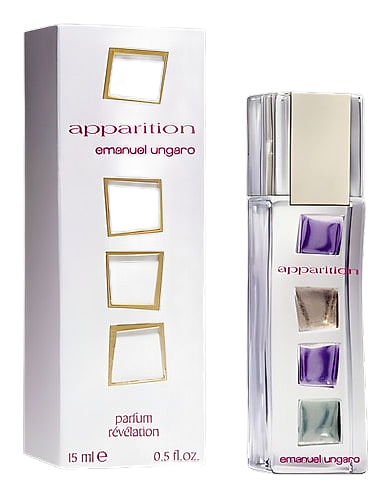
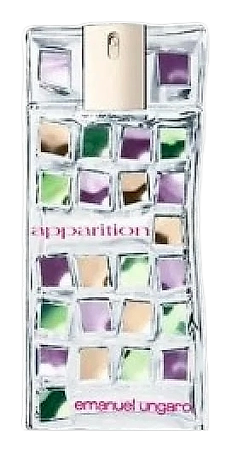
Apparition arrived in 2004 from the house of Emanuel Ungaro, created by the celebrated duo of Françoise Caron and Francis Kurkdjian. The name itself is the concept, something that materializes, shifts, and lingers. Working within Ungaro's Mediterranean-born couture drama, the perfumers built a fruity-floral that refuses to stay still. The raspberry liqueur opens like an invitation, the pepper adds unexpected heat, and the rose ensures it all settles into something worth remembering.
Raspberry liqueur as a top note can suggest something boozy, almost dessert-like. But pairing it with chili or sweet pepper shifts the register entirely. Instead of a sweet scent, you get something with heat and bite. The pepper doesn't dominate; it punctuates. And the heart of passion flower and rose offers a rich, expressive character that never overwhelms. The heliotrope in the base adds a powdery softness that keeps the whole composition from becoming too bold. Heliotrope combined with vanilla and patchouli creates a subtly sweet quality that's softly addictive rather than overtly sugary.
The evolution
The opening is immediate, dark raspberry liqueur with a hit of chili heat. It's boozy, it's bold, it announces itself. The pepper settles as the heart opens, revealing rose and passion flower, warmer and softer than the top suggested. The transition feels like two different fragrances, from assertive to intimate. The drydown is where Apparition earns its reputation. Heliotrope, vanilla, patchouli, powdery, slightly sweet, lingering close to the skin. The base doesn't fill a room; it stays intimate, personal, the kind of scent someone notices when they're standing close. That transition from bold to quiet is the arc. That's what makes it work. The warmth of the drydown also suggests a sillage that draws people in rather than announcing itself across a space.
Cultural impact
Apparition arrived as a fruity-floral with genuine complexity, blending raspberry liqueur and chili in an unexpected way. It appeals to someone seeking presence without volume, sophistication without loudness. The scent carved a niche for itself among those who appreciated nuanced perfumery, offering a quiet confidence that invites discovery rather than demanding attention.