Passion Flower
Most people expect tropical sweetness. In perfumery, passion flower delivers something far more surprising: a green, metallic-watery scent like crushed stems and wet leaves. Nothing like the edible fruit, this botanical surprise has found its place in modern fragrance.
Character
How it smells
Green stems and wet leaves, not tropical fruit
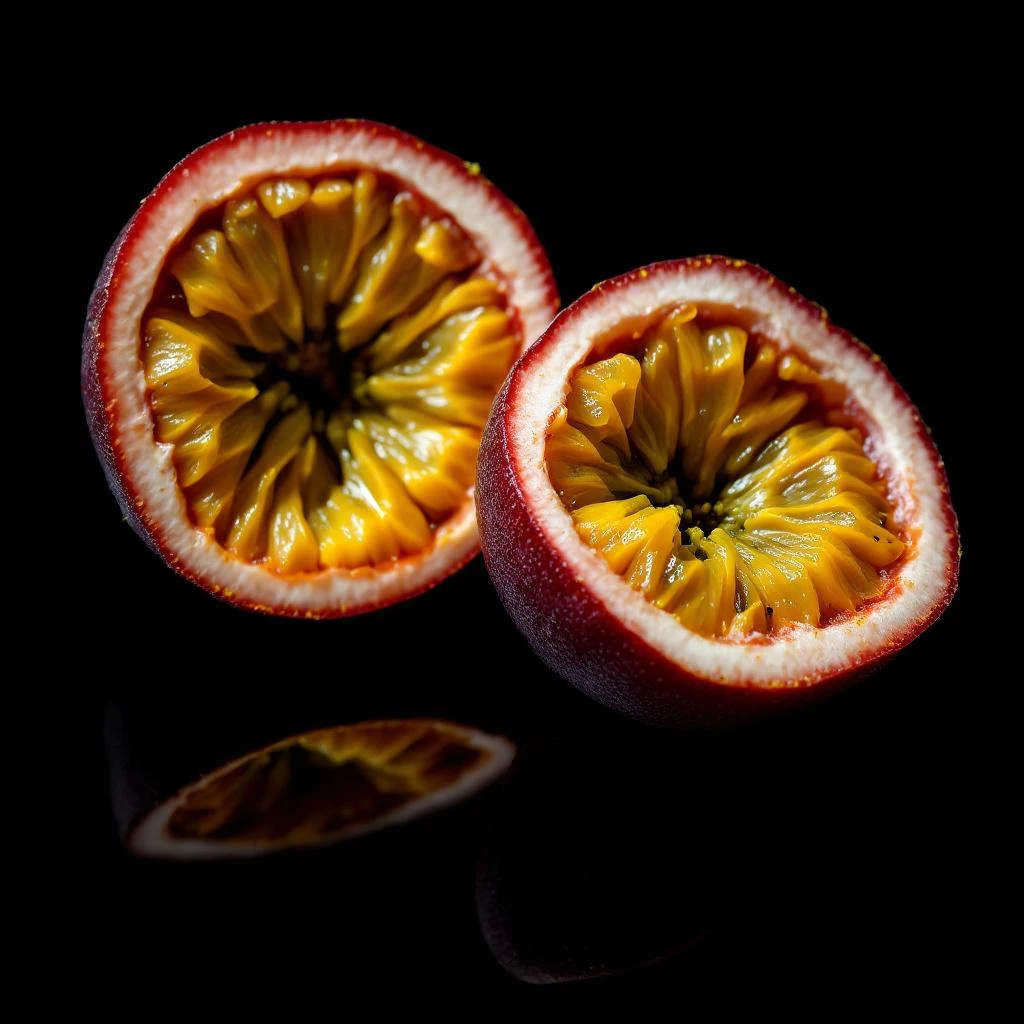
The passion flower used in perfumery bears little resemblance to the passion fruit found in grocery stores. Their scent profiles are entirely different.







Origin
Brazil
Passion flower, belonging to the Passiflora genus, originates from the tropical and subtropical regions of the Americas, particularly Brazil, Peru, and Mexico. Spanish missionaries in the 16th century named the plant for what they saw as religious symbolism in its elaborate floral structure.
The distinctive corona filaments reminded them of Christ's crown of thorns, while other parts represented elements of the Passion story. Indigenous peoples of these regions had long used various Passiflora species for medicinal purposes, including calming preparations.
The flower's introduction to European botanical collections occurred during the colonial era. Perfumery applications developed much later, primarily in the late 20th century, as fragrance houses sought distinctive green notes that could anchor floral compositions without relying on traditional materials like galbanum or violet leaf.
Wears it best
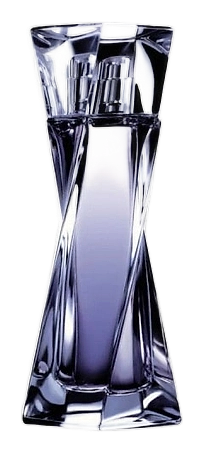
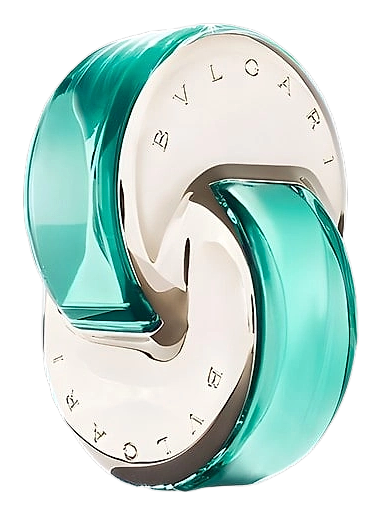
Fragrances featuring Passion Flower
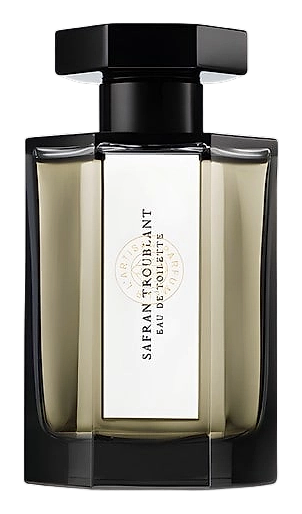
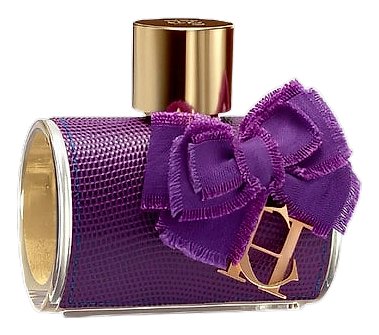
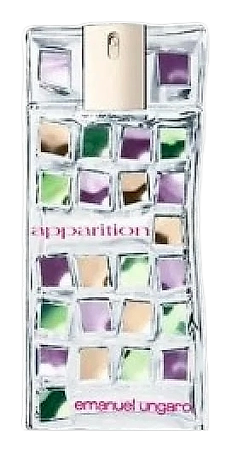
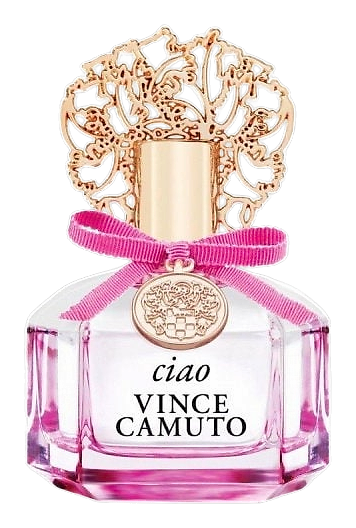
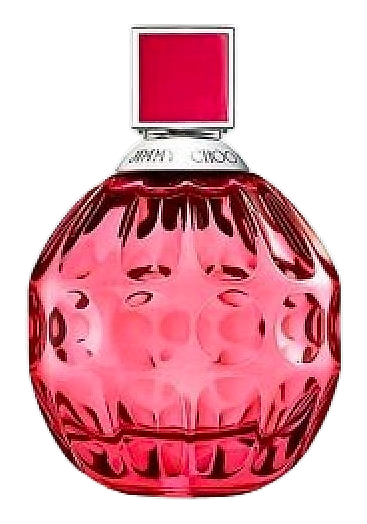
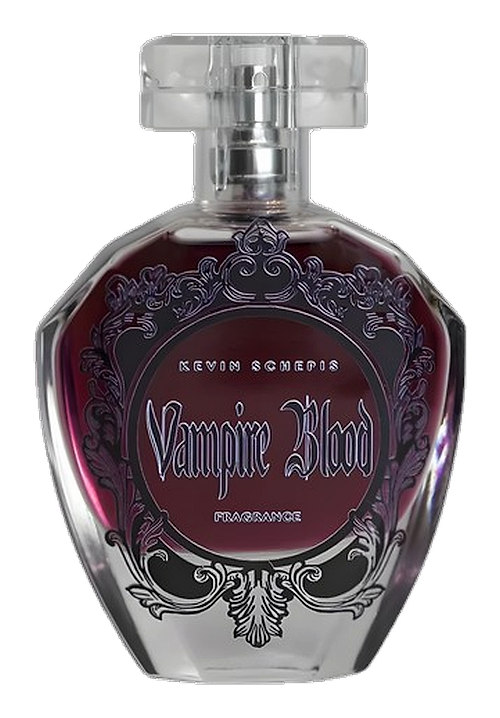
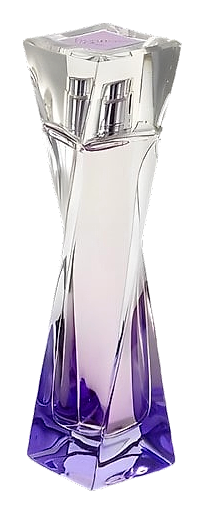
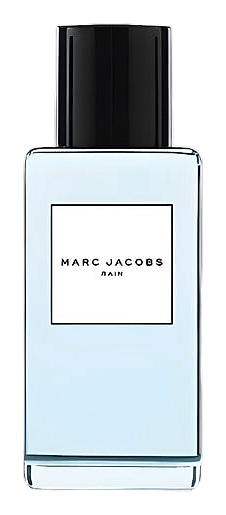
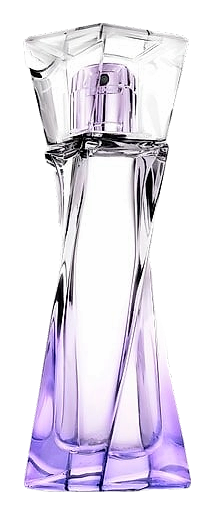
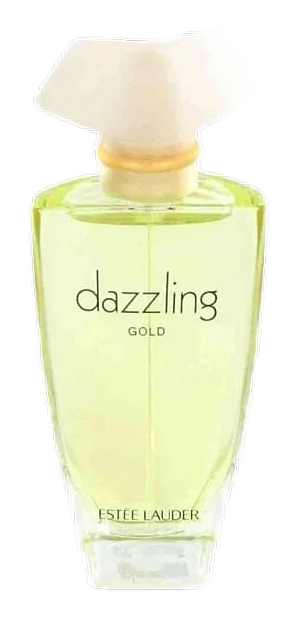
Brands
Brands known for Passion Flower
Good to know
Questions, answered
The essentials on Passion Flower in perfumery: how it smells, where it comes from, and how it behaves on skin.
What does passion flower smell like in perfume?
Passion flower in perfume smells like crushed stems and wet leaves with a distinctive metallic-watery character. This green, vegetative accord bears no resemblance to the tropical fruit scent most people expect.
Is passion flower the same ingredient as passion fruit in fragrance?
No, passion flower and passion fruit are entirely different in perfumery. Passion flower provides a green, slightly metallic floral note, while passion fruit would contribute tropical, sweet, citrusy facets if used at all.
Where does passion flower come from?
Passiflora species grow natively across Brazil, Peru, and Mexico. These tropical and subtropical regions of South America provide the ideal climate for the vines that produce this distinctive botanical.
How is passion flower extracted for use in perfume?
Solvent extraction is the primary method for passion flower. This technique is preferred over steam distillation because the delicate botanical material does not respond well to heat-based extraction methods.
Is passion flower in perfume a natural or synthetic ingredient?
Passion flower absolute is a natural material obtained through solvent extraction of the plant. Some fragrance houses may use synthetic replicates that approximate the green, metallic character of the natural extract.
What fragrance families commonly use passion flower?
Passion flower appears in green chypres, white florals, and modern aquatic compositions. Its vegetative quality makes it useful for adding naturalness to green accords and supporting other floral elements.
What part of the passion flower plant is used in perfumery?
Perfumers utilize the flower petals, stems, and leaves of the Passiflora plant. These aerial parts are harvested and processed together to capture the complete green, vegetative character that defines the material.
Does passion flower work well with other fragrance ingredients?
Passion flower pairs naturally with other green notes like galbanum and violet leaf, as well as with white florals including jasmine and tuberose. It adds an organic, slightly metallic quality that grounds sweeter components.