The Story
Why it exists.
The beginning
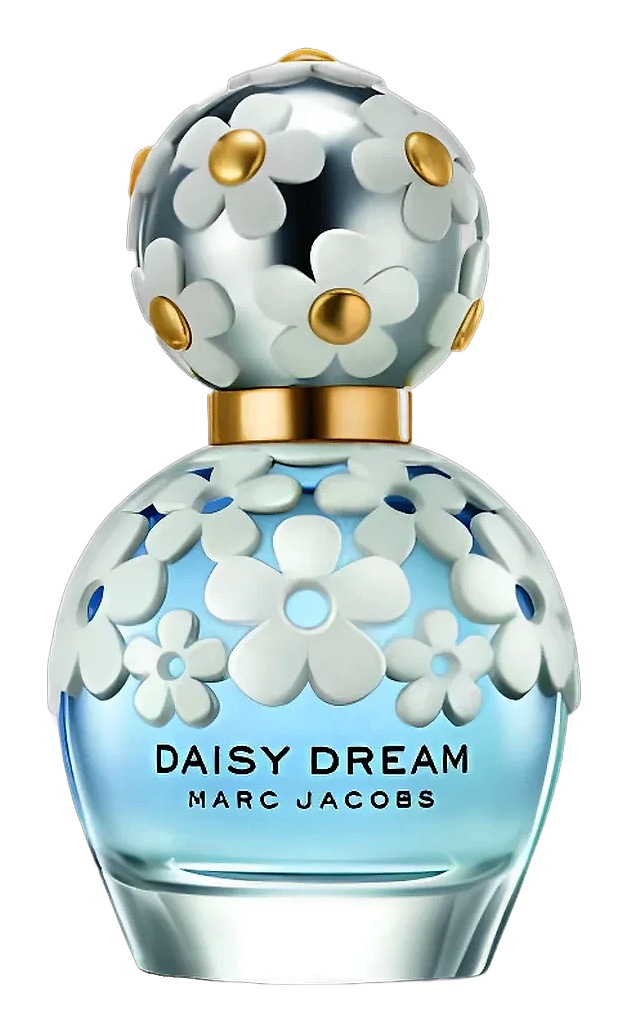
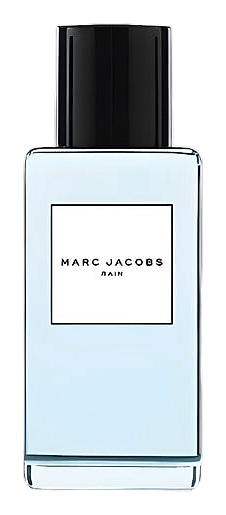
Marc Jacobs Splash Rain arrived in 2006, created by perfumer Laurent Le Guernec. The concept was mineral and earthy rather than aquatic, and that distinction matters. Where most fragrances in this space leaned into ozone and sea salt, this one went after the smell of humidity itself, the way the air changes before weather shifts. Le Guernec built the composition around a rain accord that captures that mineral quality, layered with green cypress and bright citrus. The result was something that smelled like the world responding to moisture rather than performing it.
The rain accord is the tell. It's not wet, it's the smell of wet. That mineral, almost earthy quality that rises from pavement and soil when humidity spikes and a storm is seconds away. Most fragrances smell like water. This one smells like what water does to the world around you. The clementine and strawberry add a juiciness that reads as warmth even when the cypress opens sharp and green, creating an unexpected softness beneath the coolness.
The evolution
The opening hits fast, cypress first, resinous and sharp, then clementine arrives bright and citrusy. Strawberry comes in third, sweet and slightly tart, and the combination is charged and atmospheric. Then the florals take over. Passion flower, sunflower, orchid, they don't overpower, they deepen. The composition warms. The rain accord sits underneath, cool and mineral, but now it's playing against the florals instead of above them. As the top notes fade, the drydown arrives. Teakwood and oakmoss create a mineral-earth quality, like rain settling into soil. Musk and amber hold the warmth close. The oakmoss lingers quietly when you think it's gone.
Cultural impact
Marc Jacobs Splash Rain was re-released in 2016. Now discontinued, it has become sought after by those who remember it and those who discover it after it left the market. Wearers describe it as a fragrance that smells like weather rather than performing the idea of weather.