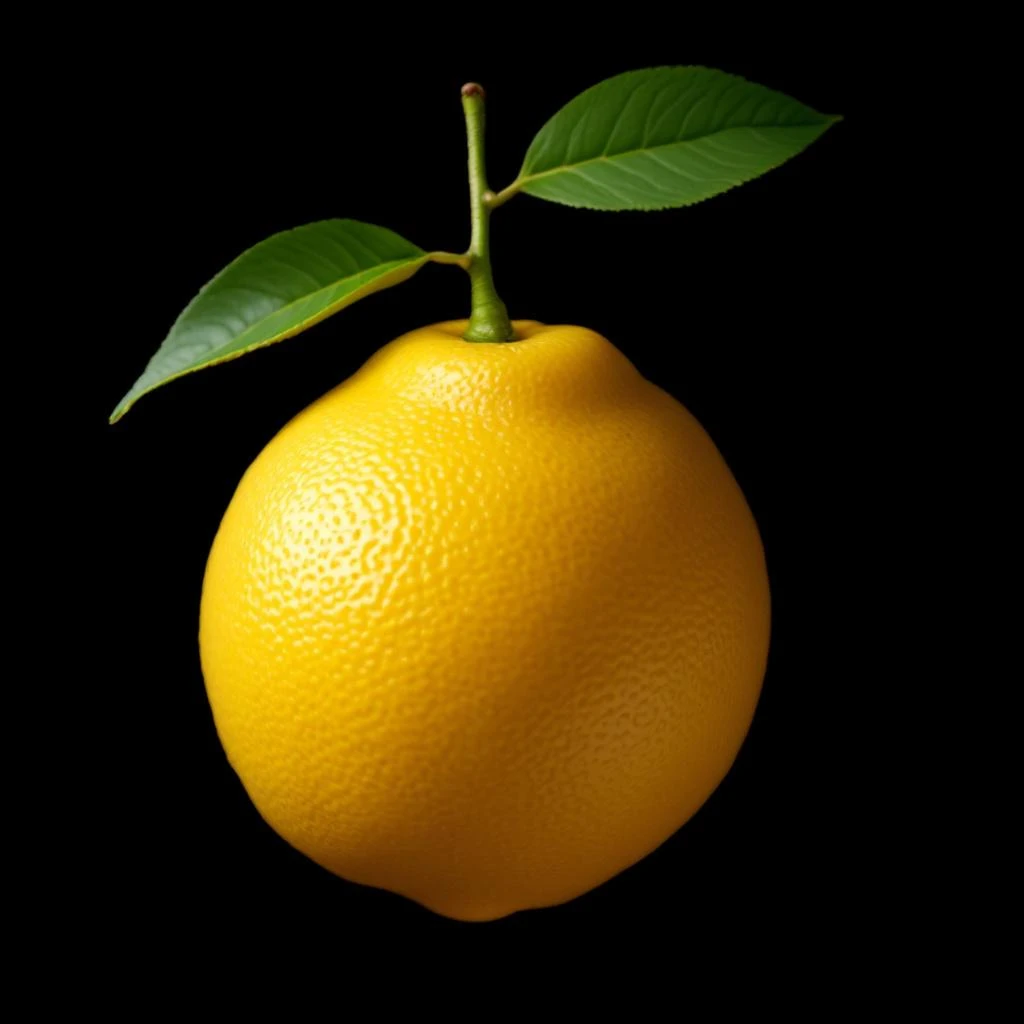
Clementine
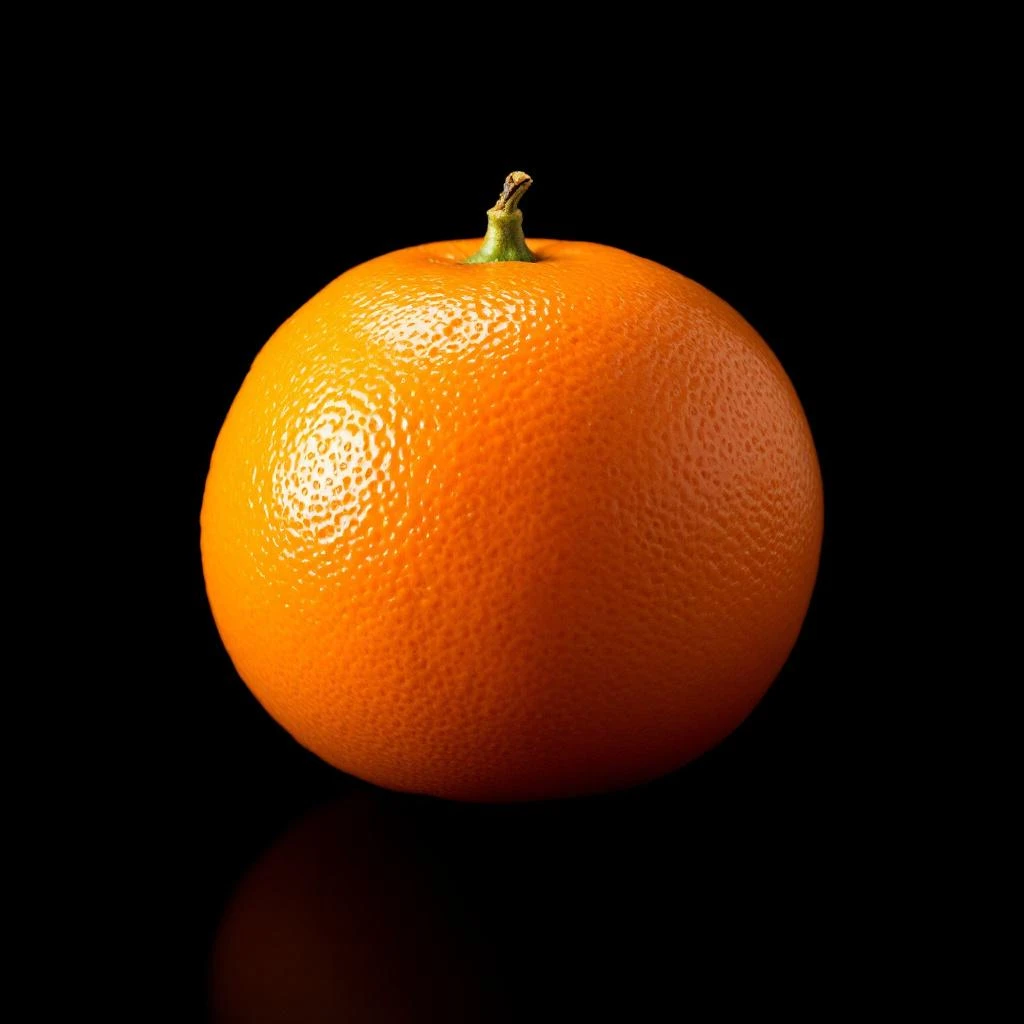
Clementine brings a bright, sun-kissed sweetness to perfumery. Cold-pressed from the fruit's thin, aromatic peel, this Mediterranean ingredient delivers a fresh, floral citrus character that lifts any fragrance composition.
Character
How it smells
Sweet citrus with a floral soul
It takes roughly 200 kilograms of clementine peel to yield just one kilogram of essential oil through cold pressing.








Origin
Spain
The clementine originated in the late nineteenth century in Algeria, likely as a natural or controlled hybrid between a sweet orange and a mandarin. The variety is named after Father Pierre Clément, a French missionary who worked in Algerian citrus orchards, though historical records leave some ambiguity about his exact role in its discovery. From North Africa, the clementine spread rapidly across the Mediterranean basin and eventually to California and other citrus-growing regions worldwide.
While citrus fruits have ancient roots in perfumery, the clementine as a distinct fragrance ingredient emerged only in the twentieth century, when cold-pressing technology became more widely adopted for extracting oils from thin-skinned citrus varieties. Its peel, too delicate for some extraction methods, proved ideal for cold pressing. The clementine's appeal in perfumery lies in its combination of sweet orange brightness with subtle mandarin floral notes, a character that made it especially popular in light, summery fragrances.
Today, Spain, Italy, and Morocco rank among the primary producers of clementine oil for the fragrance industry, and the ingredient remains a staple in fresh citrus and floral fragrance families.
Wears it best
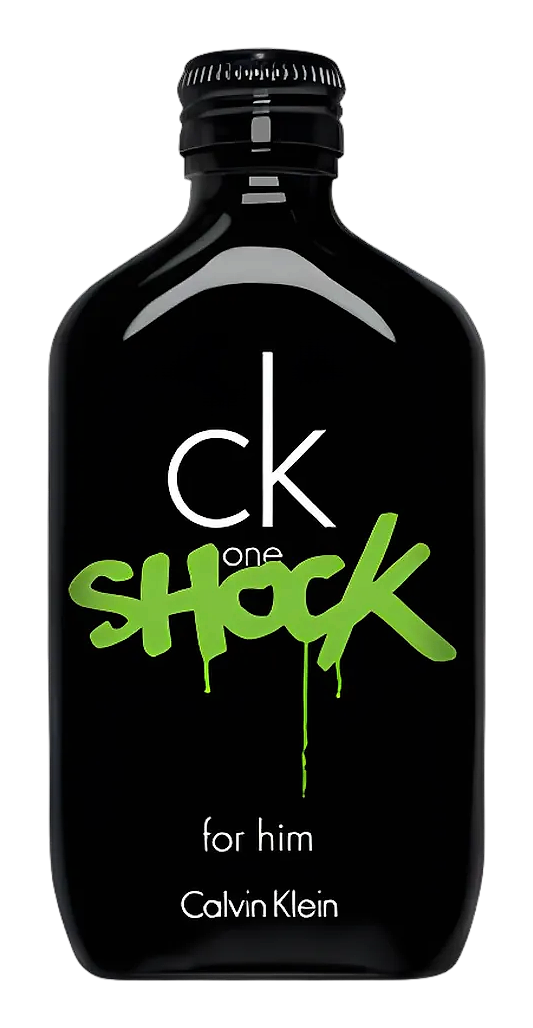
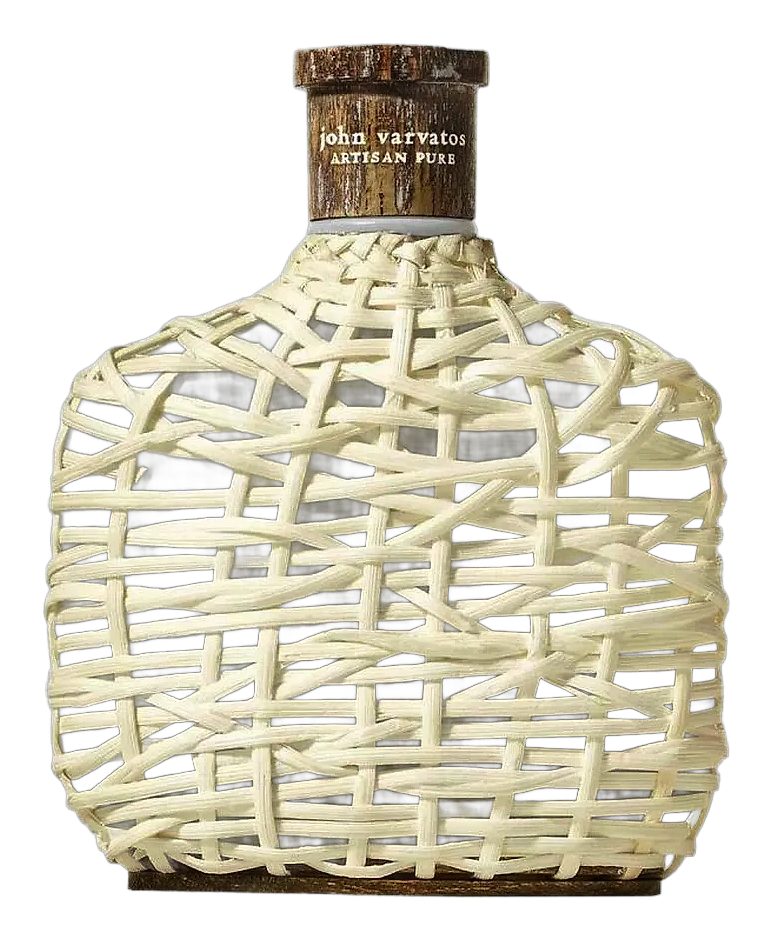
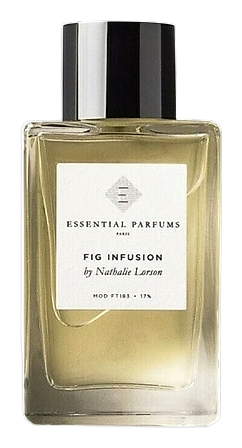
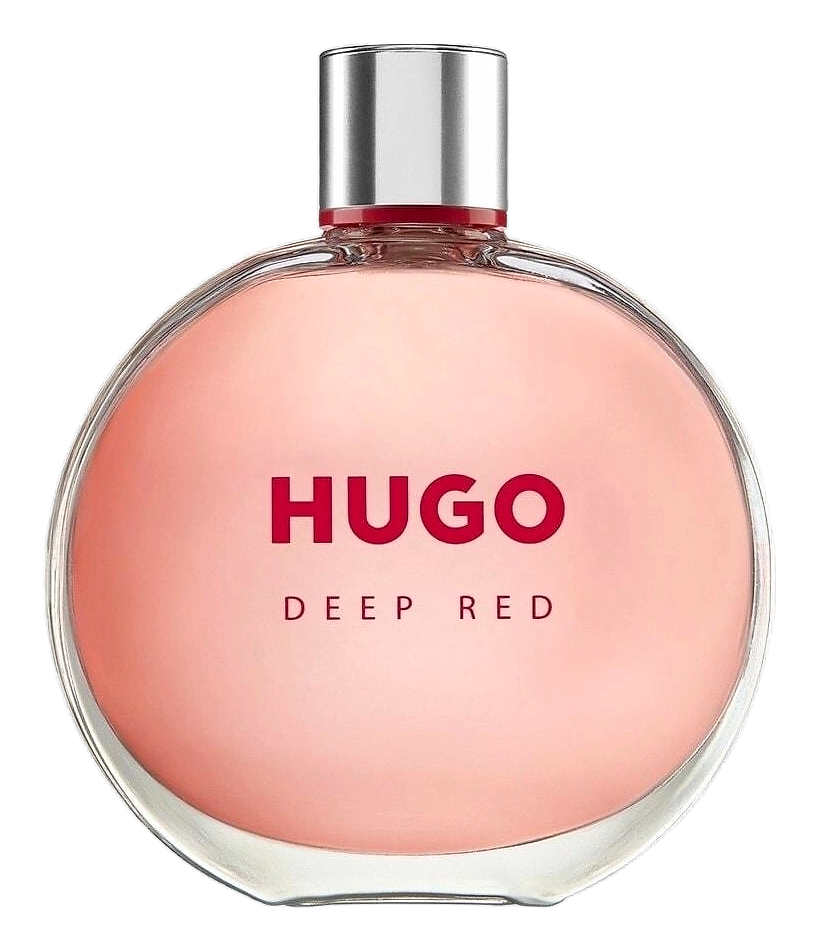
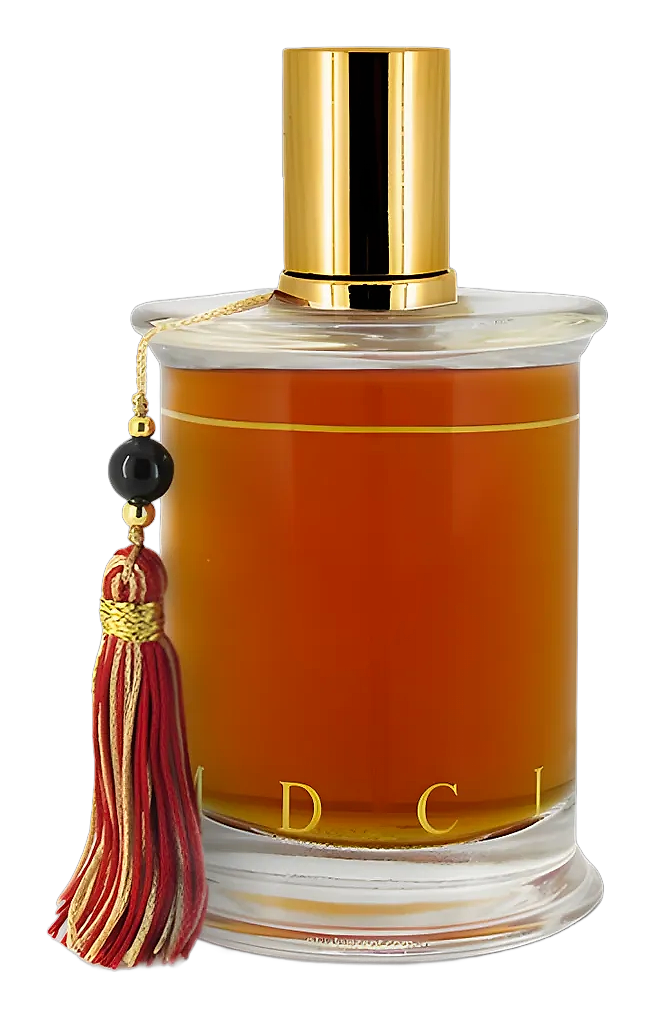
Fragrances featuring Clementine

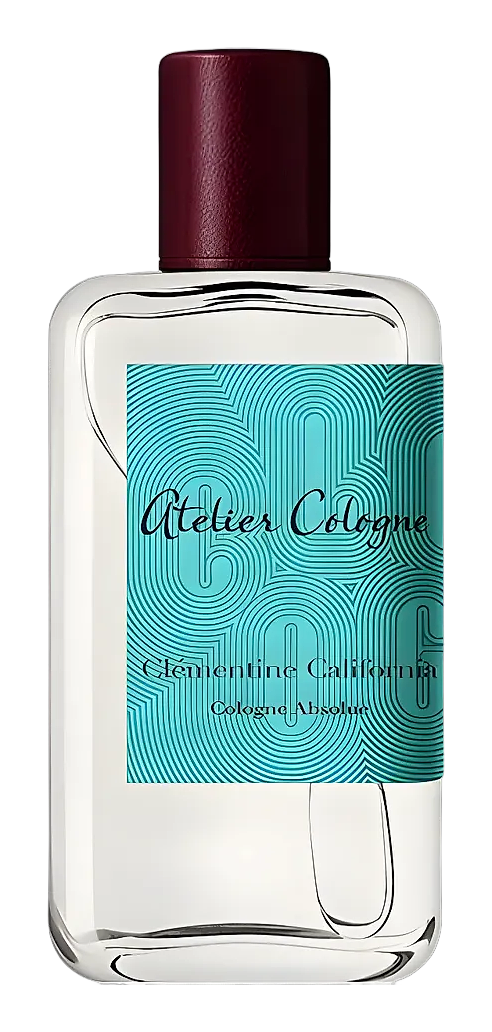
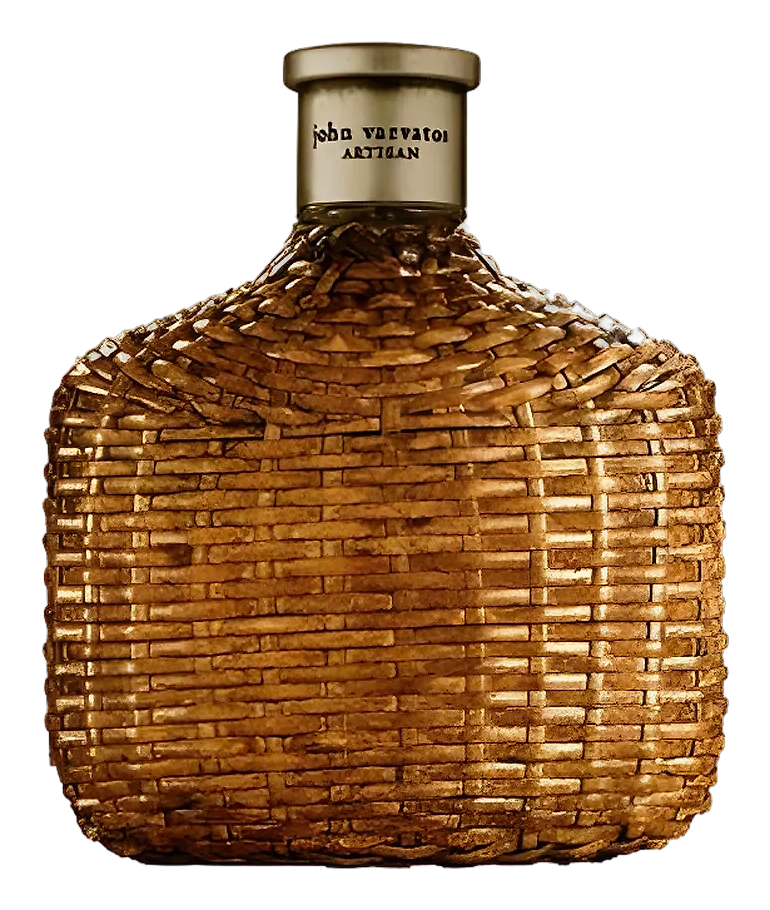
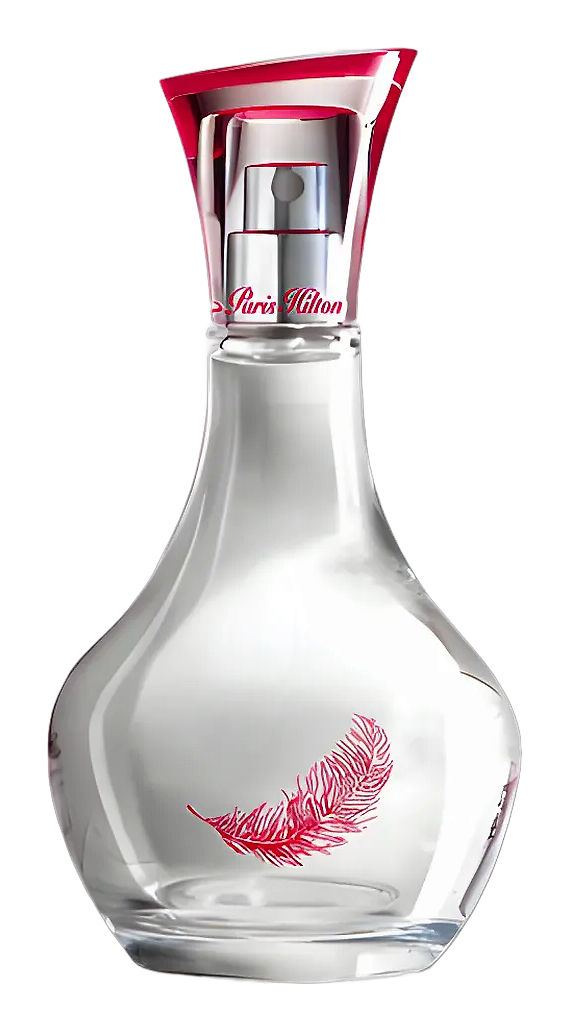

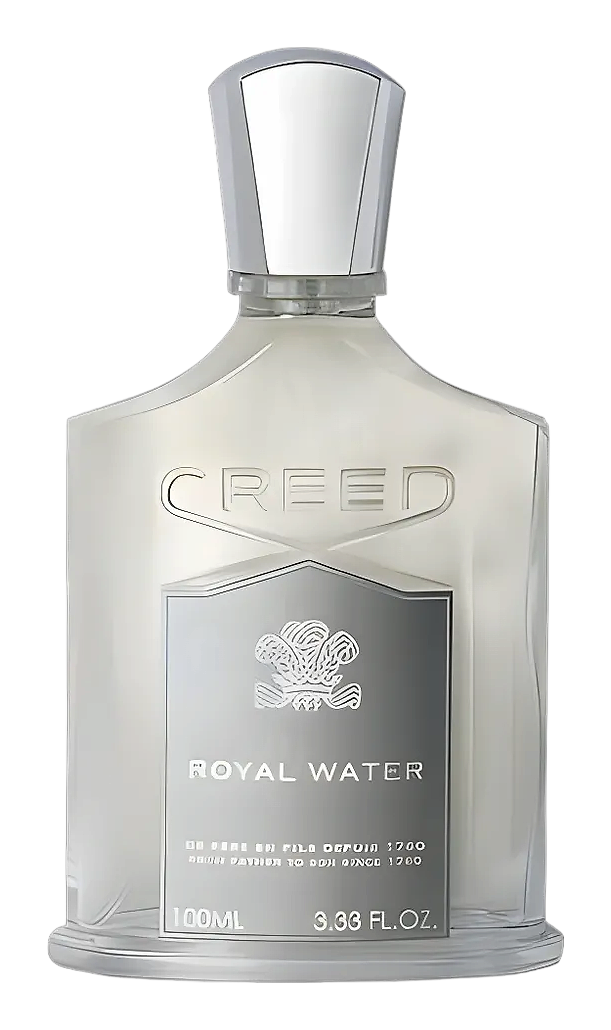
Brands
Brands known for Clementine
Good to know
Questions, answered
The essentials on Clementine in perfumery: how it smells, where it comes from, and how it behaves on skin.
What is clementine absolute, and how is it used in perfumery?
Clementine absolute does not exist as a standard product. The fragrance industry uses cold-pressed clementine essential oil, extracted directly from the fruit peel. This oil appears in the top and heart notes of perfumes, where its bright, sweet citrus character provides immediate freshness and lift.
Why is cold pressing preferred over steam distillation for citrus oils?
Cold pressing avoids heat, which can damage delicate volatile compounds in citrus peel. Steam distillation can strip away the bright, ephemeral top notes that define a citrus oil's character. Cold-pressed oil retains the full aromatic profile, including fragile aldehydes and esters.
What does clementine oil smell like?
Clementine oil is sweet and bright with strong citrus peel character. It carries floral, slightly honeyed undertones inherited from its mandarin parentage. The scent is generally lighter and more aromatic than regular sweet orange oil, with less of the heavy, deep quality found in bergamot.
What fragrance families use clementine most often?
Clementine appears primarily in citrus, floral, and green fragrance families. It works well in light summer scents, chypres with a fresh opening, and modern aquatic or ozonic compositions. It also pairs naturally with other Mediterranean ingredients like lavender and rosemary.
How stable is clementine oil in a fragrance formula?
Like most citrus oils, clementine oil is volatile and tends to fade within hours on a fragrance strip. In formulated perfume, proper dilution and packaging help extend its presence. Clementine oil is generally stable in an alcohol base but may require stabilization for use in cream or lotion formats.
What is the shelf life of cold-pressed clementine oil?
Cold-pressed citrus oils have a shorter shelf life than distilled oils. Clementine oil remains at peak quality for roughly one to two years when stored in a cool, dark place in tightly sealed containers. Refrigeration can help extend its usable life.
Can I substitute other citrus oils for clementine in a formula?
Bergamot and sweet orange offer similar citrus brightness but lack clementine's floral mandarin nuance. Mandarin oil is the closest substitute, sharing similar aldehyde content and a sweeter, more aromatic profile. Combining mandarin with a touch of orange would approximate clementine's character.
Does Silloria offer formulas using clementine as a featured note?
Silloria provides fragrance profiles and ingredient spotlights for compositions featuring clementine, including citrus colognes, fruity florals, and bright summer scents. Each profile includes the ingredient's origin, extraction details, and suggested pairings to help guide discovery.