The Story
Why it exists.
The beginning
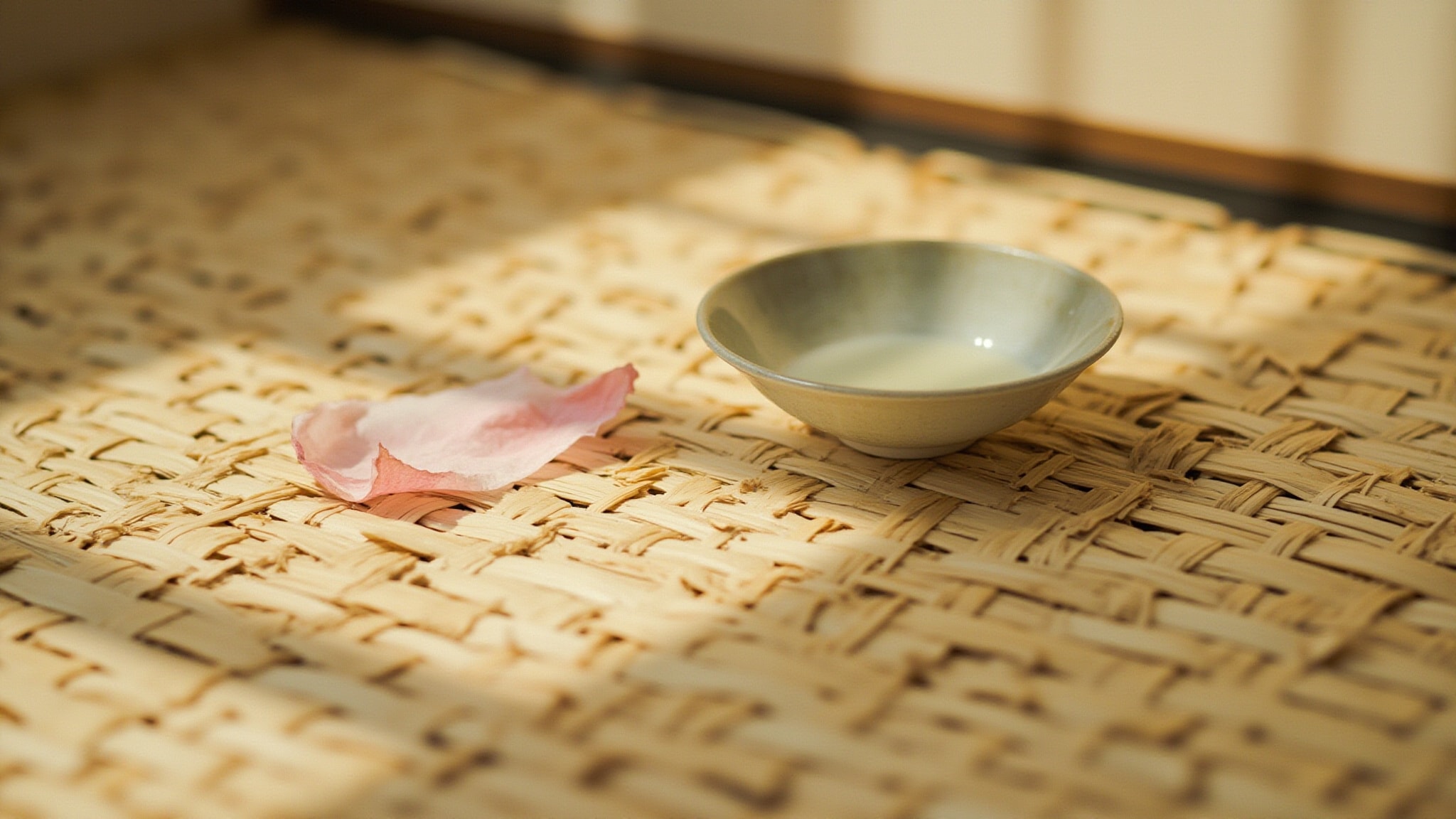
Kenzo Amour arrived in 2006 under the direction of the house's founding philosophy: fashion and fragrance should bring joy, not intimidation. Created by Daphné Bugey and Olivier Cresp, the scent was conceived as a journey through Asia, not postcard Asia, but intimate Asia, where flowers carry meaning and every scent tells a story. Bugey's specific inspiration came from time in Indonesia where Frangipani grew wild, but the brief encompassed a wider emotional landscape: capture the sensation of being wrapped in white florals against warm skin, with the quiet reverence of temple incense and the tenderness of morning rice steam. This wasn't about spectacle. It was about presence.
The note choices reflect a specific philosophy: tenderness does not require heaviness. Rice Steam and White Tea are understated top notes, chosen because they evoke domestic warmth without cloying sweetness. The floral heart of Cherry Blossom and Frangipani speaks to the visual language of Asian florals, cherry blossom as ephemeral beauty, frangipani as tropical abundance, but keeps the overall register soft. The drydown pairing of Vanilla and White Musk creates intimate skin presence rather than sillage dominance, while Frankincense and Thanaka Wood add quiet spiritual depth. The logic is cumulative: start clean and airy, bloom into soft florals, arrive at warm-skin comfort.
The evolution
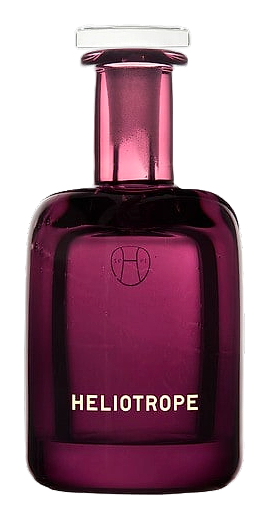
The scent journey begins in the air with Rice Steam and White Tea, a pairing that immediately rejects heaviness in favor of airy clarity. Rice Steam is starchy, calming, slightly sweet, the olfactory equivalent of warm grains while White Tea is that particular Japanese green-tea lightness that reads as both clean and contemplative. By the time the heart emerges, Cherry Blossom and Frangipani have entered the conversation: cherry blossom brings ephemeral petal softness with a hint of salinity, frangipani adds tropical creaminess and sweetness that rounds everything into a seamless garden. Heliotrope threads through, adding that almond-powder softness that people either love or find medicinal. The drydown pulls everything toward skin: Vanilla sweetens the approach, White Musk keeps it intimate, Frankincense adds a whisper of resin that grounds the florals, and Thanaka Wood, the Burmese sun-dried wood, leaves a quiet woody residue that feels less like a finish and more like a memory.
Cultural impact
Kenzo Amour earned the Fragrance Foundation's Fragrance of the Year Women's Nouveau Niche award in 2007, validating the house's bet on accessible luxury. It occupies a specific space in the market: mainstream enough to have broad appeal, distinctive enough to have real fans. The rice steam and thanaka wood are unusual choices for a mass-market women's fragrance, most compositions at this price point stick to safer florals. It carved out territory for people who wanted something gentler and more interesting than the decade's prevailing orientals, without going fully niche.