The Story
Why it exists.
The beginning
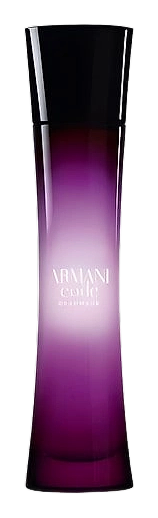
In 2006, Armani tasked Carlos Benaïm with something deceptively simple: capture the electricity of a new encounter in a bottle. Not a bold statement fragrance. Not a safe floral. Something in between, the kind of scent that makes someone lean in instead of pull away. The result is Armani Code for Women, built on a harmony of orange blossom absolute, the fresh heat of ginger, and warm sandalwood. The concept was elegance as invitation, not demanding attention, but making it impossible to look elsewhere.
What makes the formula work is how the orange blossom operates in two registers at once, bright and sparkling at the opening, then deeper and more intoxicating once the ginger and jasmine sambac arrive in the heart. The ingredient sourcing reinforces this duality: Italian bitter orange for crisp citrus clarity, Tunisian orange blossom absolute for warmth that feels sun-drenched rather than synthetic. It's a fragrance that knows exactly what it is. The honey in the base isn't an afterthought, it's the connective tissue that makes the whole composition feel skin-like, intimate, worn rather than applied.
The evolution
The opening arrives in seconds: bright citrus and orange blossom absolute cut through, with Italian bitter orange lending a clean, sharp edge alongside delicate jasmine. This phase lasts about 30 minutes before the composition shifts. The heart is where it deepens. Jasmine sambac intertwines with the lingering orange blossom absolute, and ginger adds a quiet kick that extends the development. This floral-spice phase holds for two to four hours, the fragrance's most expressive window. The drydown is sandalwood, vanilla, and honey settling close to the skin. Not loud. Not projecting. Just warmth that stays with you, and anyone who gets close enough to notice.
Cultural impact
Armani Code for Women holds a specific place in the landscape of designer florals, not the loudest, not the most complex, but reliably warm and consistently worn by people who return to it year after year. The 2006 launch placed it in a moment when designer houses were refining the idea of the signature fragrance: something approachable enough for everyday wear, distinctive enough to be recognizable. It's since spawned flankers and variations, a testament to the original's staying power.