Bitter Orange
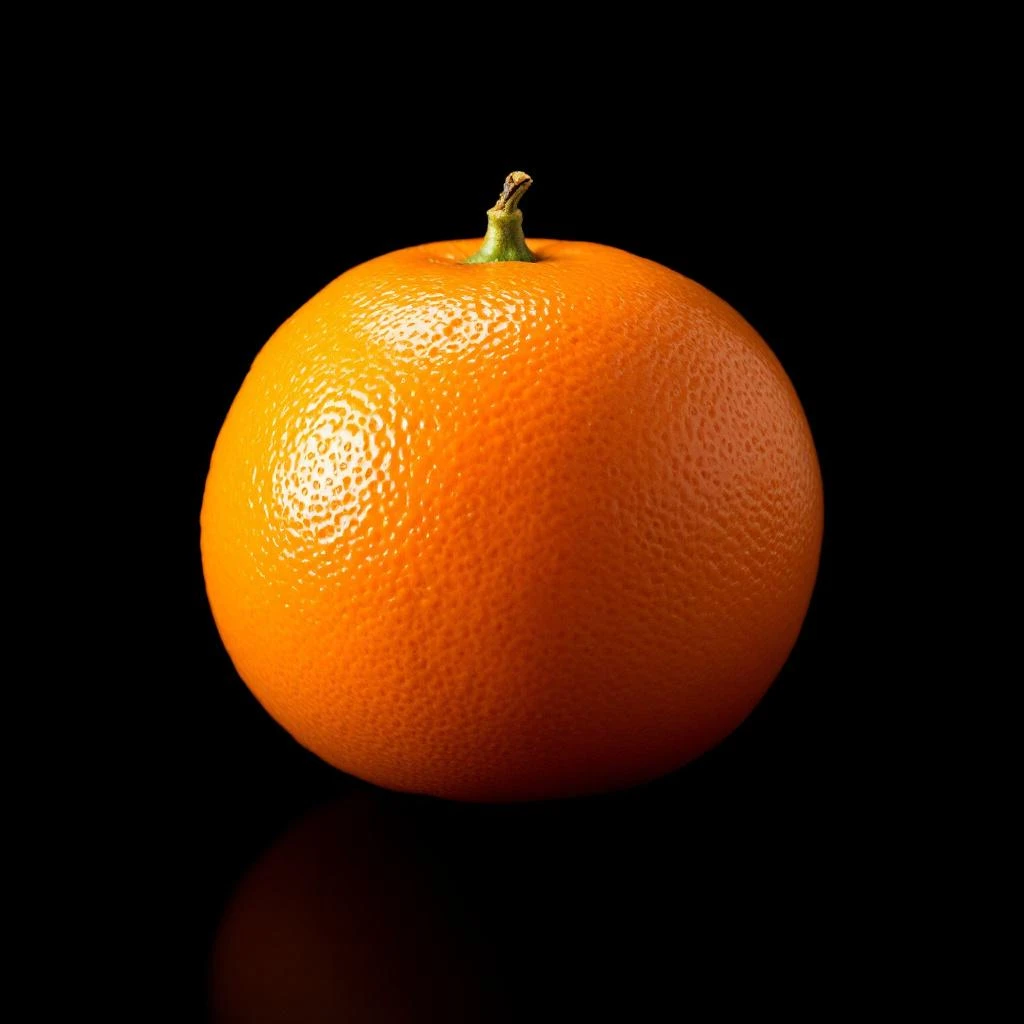
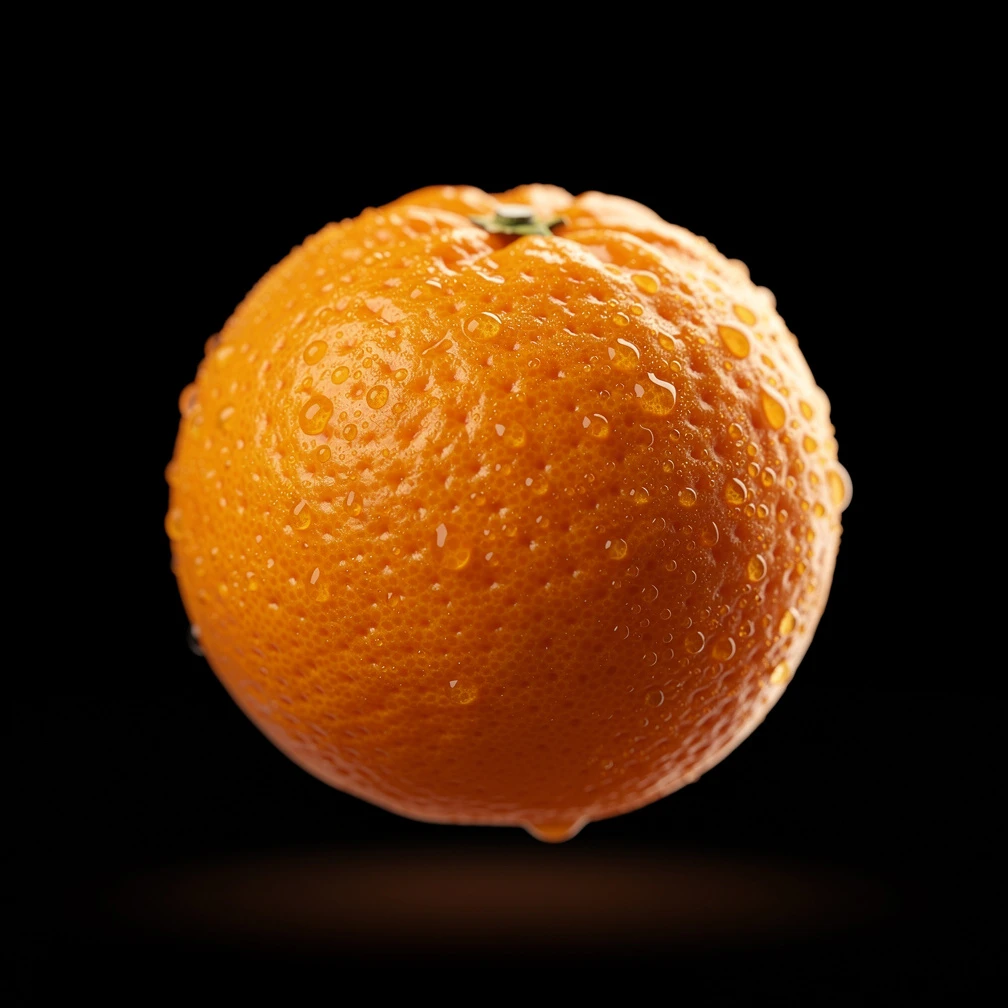
Bitter orange delivers a sharp, sun-warmed zest that anchors countless iconic fragrances. Sourced from Citrus aurantium, its peel, flowers, and leaves each yield distinct aromatic materials perfumers prize for brightness and complexity.
Character
How it smells
One tree, three iconic ingredients
The bitter orange tree is the only citrus species from which perfumers extract usable materials from three separate parts: the peel, the blossoms, and the leaves.








Origin
China
The bitter orange tree, Citrus aurantium, originated in the foothills of the Himalayas and parts of China before spreading westward through trade routes. Arab traders carried it across North Africa and into Spain during the 10th century, where it flourished in the warm Mediterranean climate.
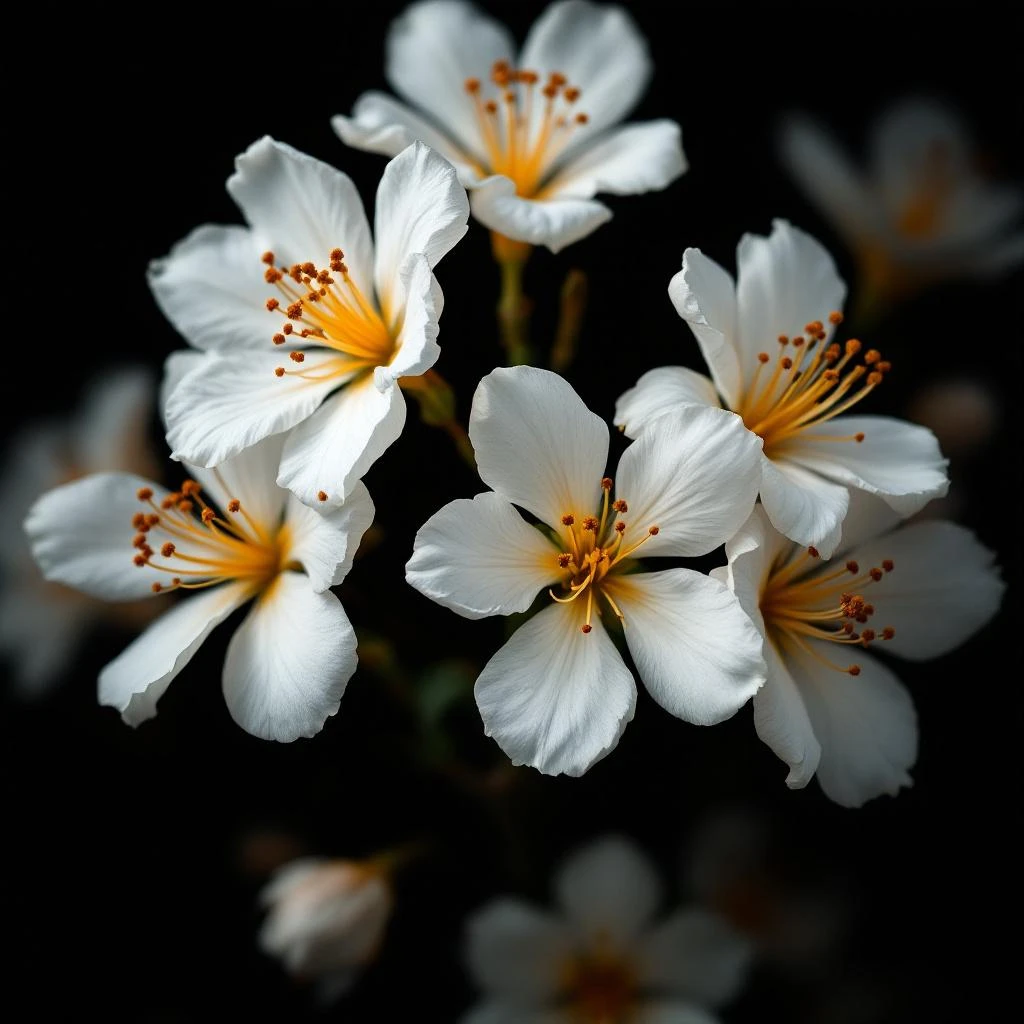
The blossom took its modern name from Nerola, an Italian town where Anna Maria de la Tremoille first distilled its oil in the 17th century. By the 18th century, bitter orange had become a cornerstone of perfumery across France and Italy.
The tree's value to perfumers is its remarkable versatility: peel, flower, and leaf each yield a commercially significant aromatic material. This rare efficiency secured bitter orange a permanent place in the perfumer's palette.
Wears it best
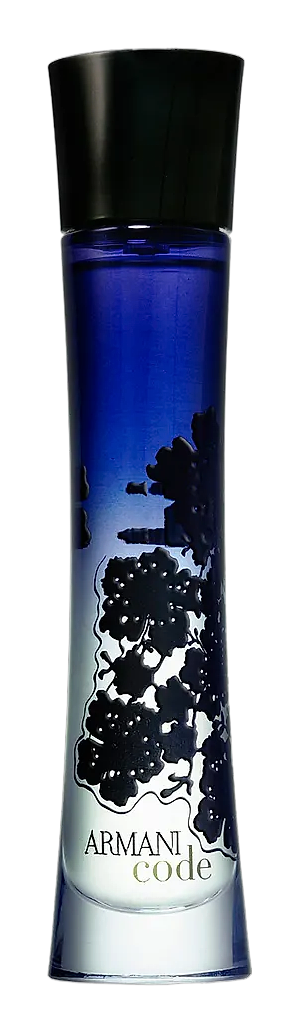
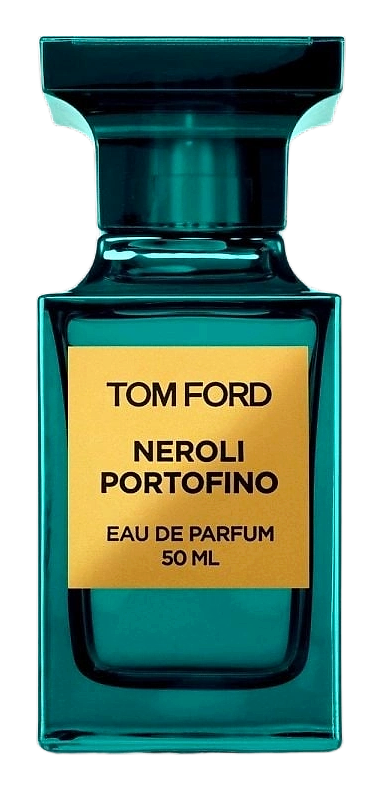
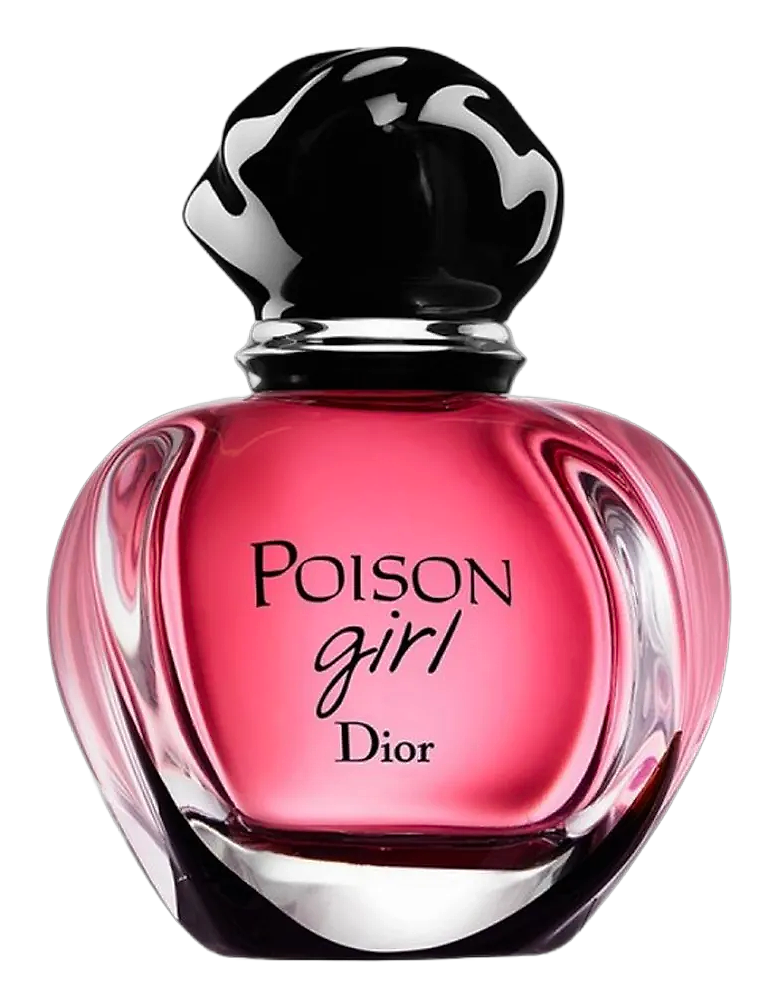
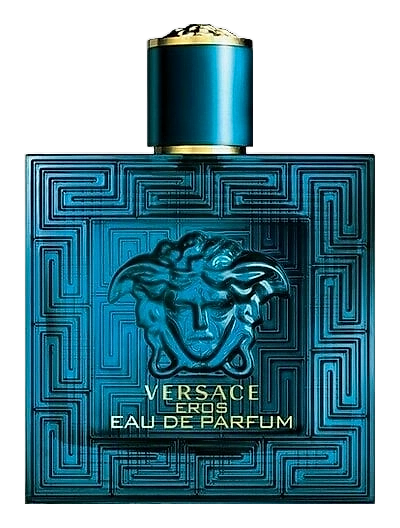
Fragrances featuring Bitter Orange

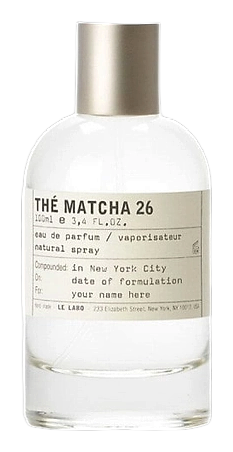
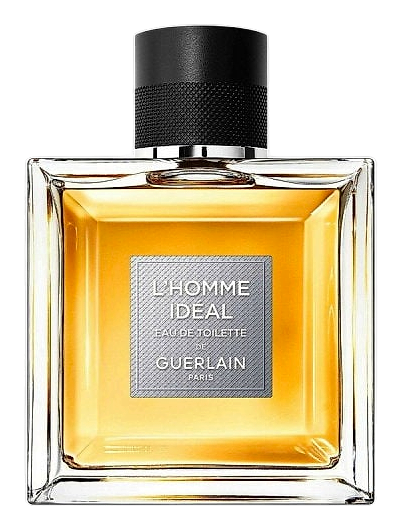
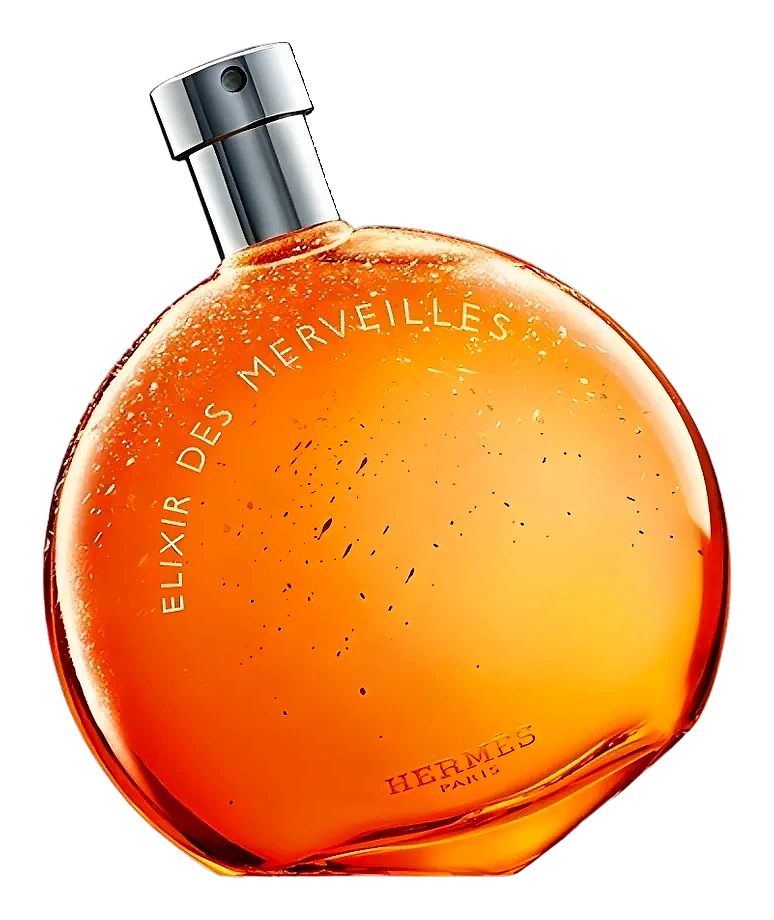
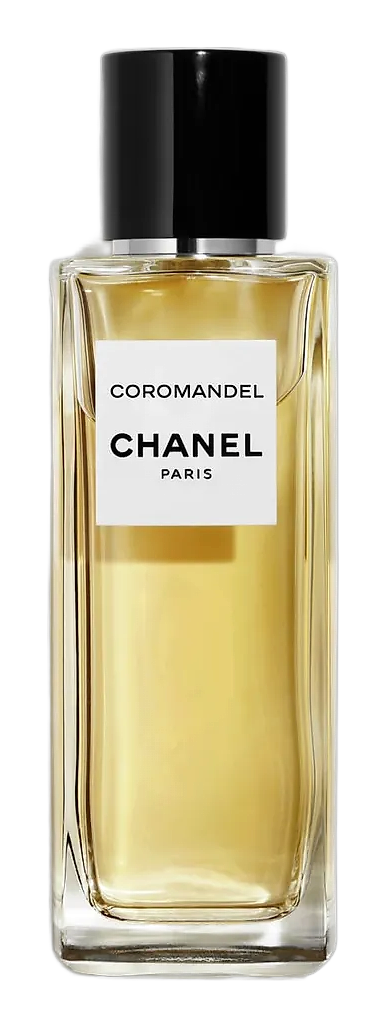

Brands
Brands known for Bitter Orange
Good to know
Questions, answered
The essentials on Bitter Orange in perfumery: how it smells, where it comes from, and how it behaves on skin.
What does bitter orange smell like in perfume?
Bitter orange gives a sharper, more complex citrus profile than sweet orange, with noticeable bitter and slightly metallic facets beneath the familiar zest. The peel oil adds bright tang; the flowers contribute floral depth when distilled into neroli.
What is the difference between bitter orange and sweet orange in perfumery?
Bitter orange (Citrus aurantium) contains more bitter compounds and yields materials from its peel, flowers, and leaves. Sweet orange (Citrus sinensis) produces only peel oil, which smells juicier and less complex than its bitter counterpart.
What is neroli and how is it related to bitter orange?
Neroli is the steam-distilled essential oil of bitter orange blossoms, named after the Italian town of Nerola where it was first produced in the 17th century. It carries a floral, green, and slightly bitter character.
What is petitgrain and where does it come from?
Petitgrain is an essential oil steam-distilled from the leaves and twigs of the bitter orange tree. Its name means "little grain" in French, referring to the small unripe fruits historically collected along with the leaves.
Is bitter orange natural or synthetic in modern perfumes?
Both forms exist in commercial use. Natural bigarade, neroli, and petitgrain oils come from Citrus aurantium cultivated in Tunisia, and synthetic versions replicate key aroma molecules like linalool and limonene at lower cost.
Where is bitter orange grown for perfumery today?
Tunisia is the leading modern producer of bitter orange blossom oil, with significant cultivation also in Morocco, Egypt, and southern Italy. The trees thrive in hot, dry Mediterranean climates.
Which famous perfumes feature bitter orange?
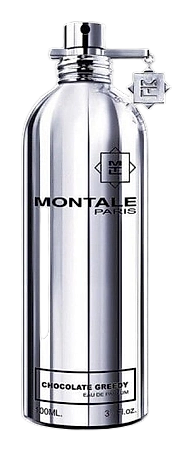
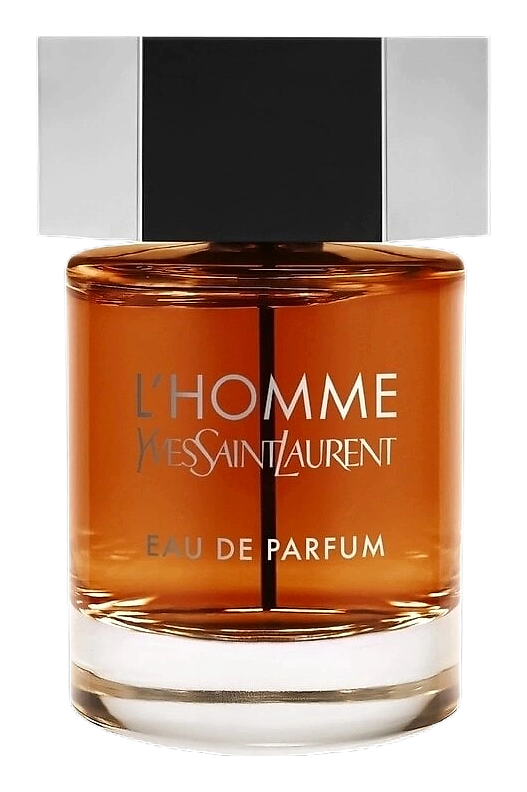
Bitter orange appears in Eau de Cologne (where neroli is one of the core ingredients), Guerlain Eau de Guerlain, and Tom Ford Neroli Portofino. It forms the bright opening in many classic citrus colognes.
Is bitter orange safe to apply to skin?
Cold-pressed bitter orange peel oil is phototoxic due to furocoumarins and can cause skin sensitivity to UV light. Distilled neroli and petitgrain oils are generally considered safe for skin contact at standard dilution levels.