
The Story
Why it exists.
The beginning
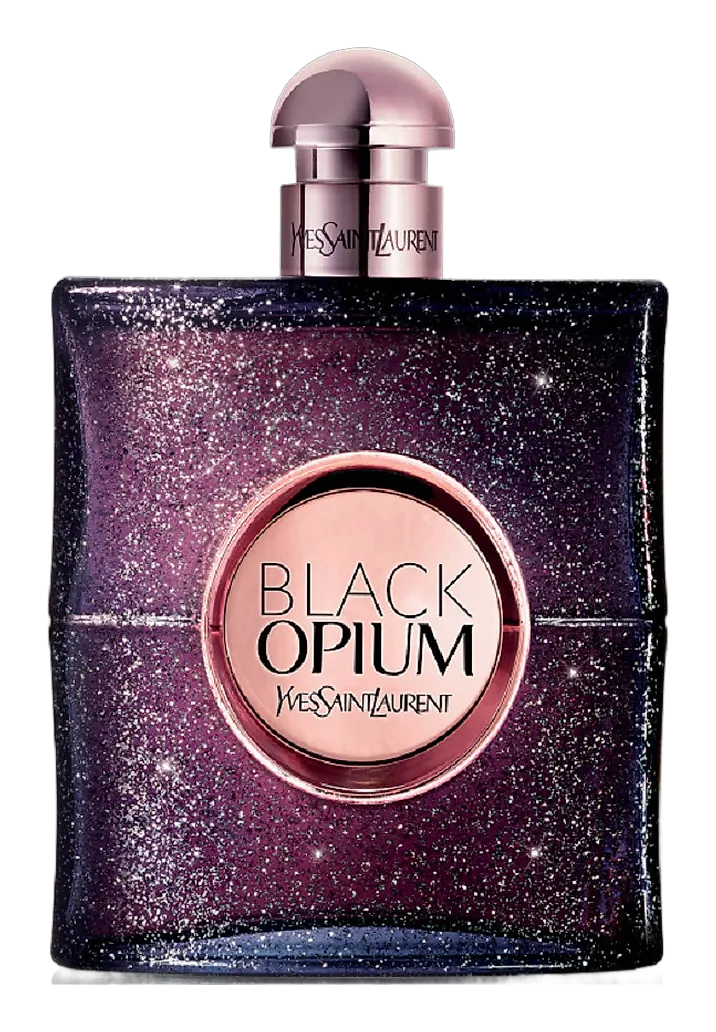
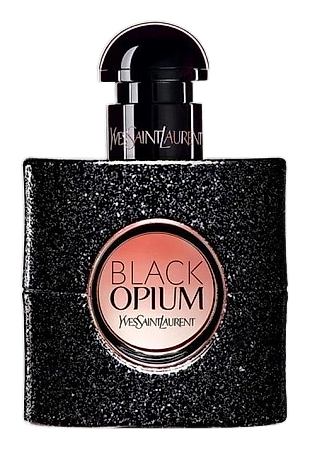
Yves Saint Laurent launched his couture house in 1961 with a single ambition: to dress women in power. The fragrances followed the same rule, bold, confrontational, never safe. From Opium's international scandal in 1977 to today's lineup, YSL has never retreated from provocation. Black Opium arrived in 2014 as a direct descendant of the legendary Opium, created by perfumer Nathalie Lorson. This was its younger, louder sibling, built for a generation that wanted intensity without antiquity.
The note selection reflects a deliberate balance between provocation and accessibility. Orange Blossom and Pink Pepper create an unexpected spark at the opening, while Coffee and Jasmine form a rich heart that prevents the drydown from becoming cloying. Vanilla, Patchouli, and Cedarwood ground the fragrance, ensuring it remains memorable long after application. These choices are not accidental. Nathalie Lorson built Black Opium to feel modern, warm, and just slightly dangerous.
The evolution
Black Opium opens with Pink Pepper and Orange Blossom, a combination that feels both sparkling and warm. The pepper adds a subtle spice that lifts the floral sweetness, preventing it from becoming too soft. Within minutes, the Coffee emerges, joined by Jasmine. The coffee note is roasted, slightly sweet, working in harmony with the jasmine's heady floral character. This heart is where the fragrance earns its addiction label. The drydown reveals Vanilla, Patchouli, and Cedarwood. The vanilla is creamy, the patchouli adds earthy depth, and the cedarwood provides a dry, woody finish that keeps everything grounded. The progression from bright opening to warm base feels intentional, each note playing its role.
Cultural impact
Black Opium became a landmark sweet-gourmand composition that balanced accessibility with enough edge to feel intentional rather than obvious. Its popularity sparked an entire flank of flankers and extensions, each riffing on the core appeal while bringing its own variations to the formula. The fragrance succeeds because it manages to be approachable without sacrificing character. Notes of coffee, vanilla, and jasmine create a familiar sweetness, but the smoky, roasted coffee presence keeps it from tipping into something cloying or forgettable.