The Story
Why it exists.
The beginning
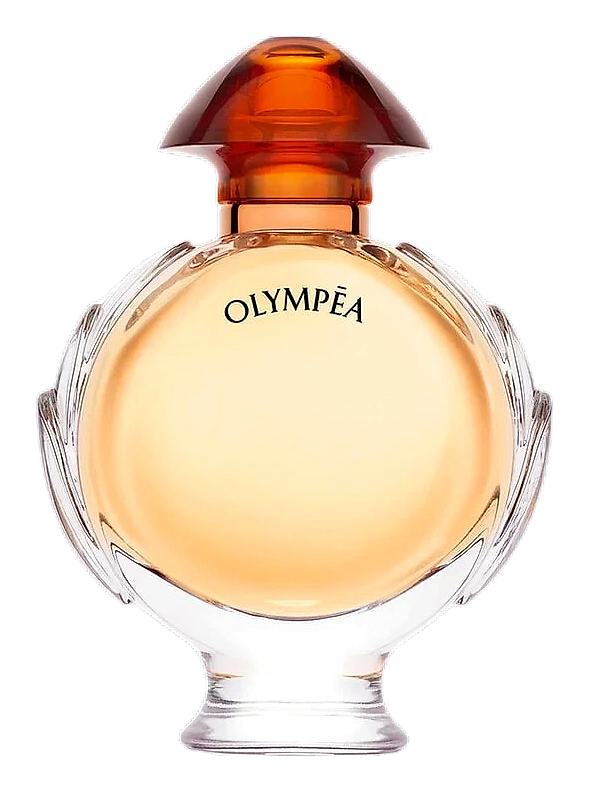
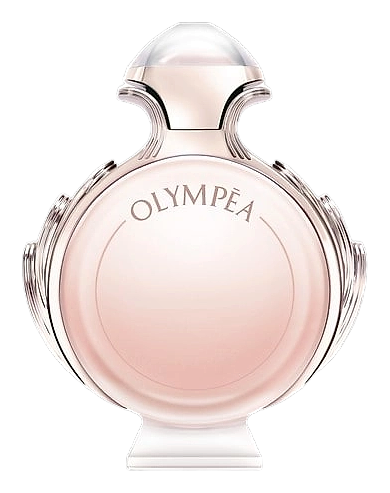
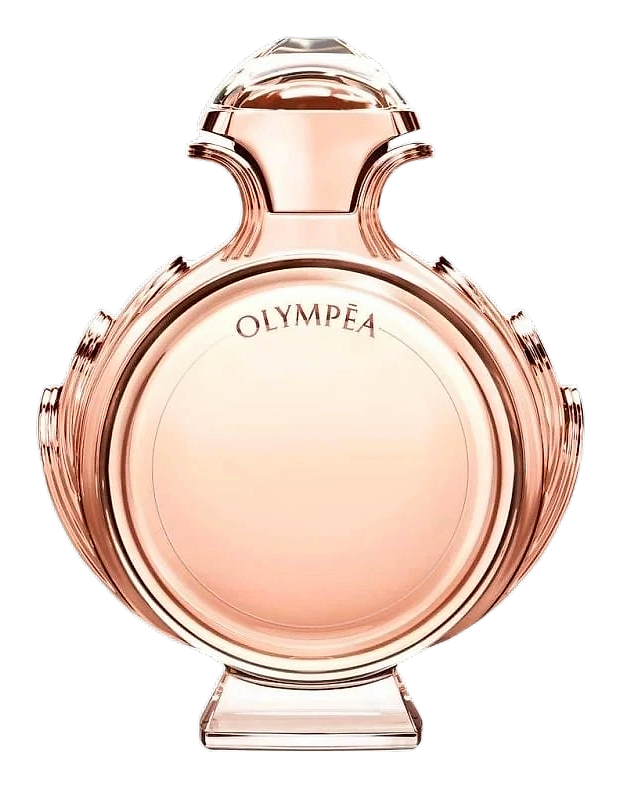
Rabanne built its identity on material provocation, translating industrial chain mail into haute couture long before others considered such a move acceptable. When the house entered fragrance, it carried that same architectural logic, composing scents as structural objects with unexpected material contrasts. Olympéa, released in 2015, emerged from this lineage, applying the brand's provocative sensibility to perfumery. The perfumer approached the composition as one would approach a garment, selecting materials that would clash and complement in unexpected ways. Green mandarin orange was chosen not for its ubiquity but for its vegetal edge, a citrus that feels almost tactile. The house believed that fragrance, like couture, should challenge assumptions about what materials belong together.
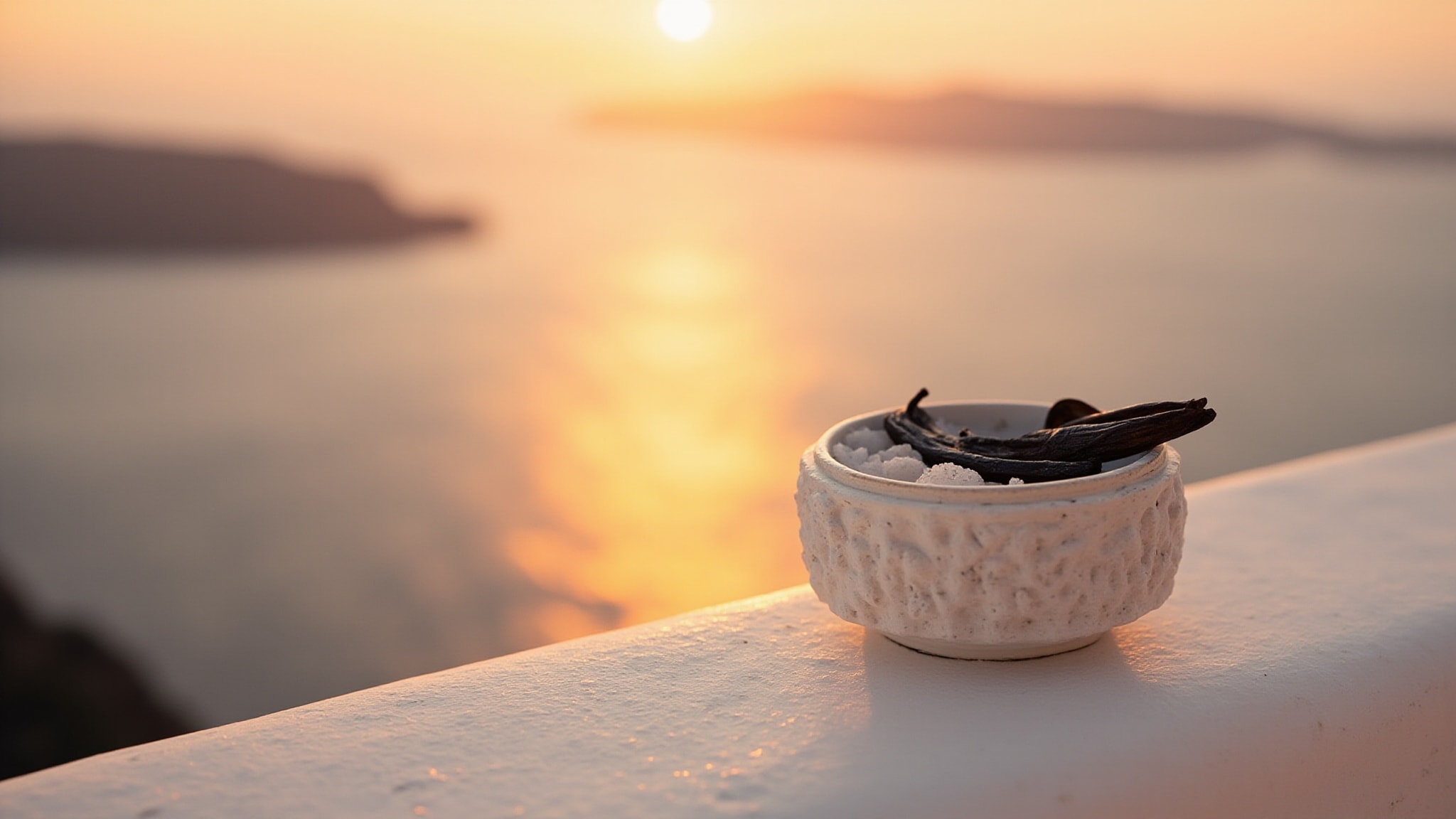
The salted vanilla note carries philosophical weight in Olympéa's construction. It represents a deliberate choice to blend culinary sweetness with oceanic brine, two elements not typically found together in perfumery. The water jasmine grounds this central element, providing floralcy without traditional sweetness. Ginger acts as a bridge, connecting the fresh citrus opening to the warm base. Ambergris and cashmere wood then provide the structural support, ensuring that the heart's innovation feels anchored and deliberate rather than gimmicky.
The evolution
The fragrance journey begins with green mandarin orange, its effervescent burst cutting through the air like light on water. Within minutes, the heart begins to develop as salted vanilla emerges, its sweet and briny character immediately noticeable. Water jasmine adds an aquatic quality that amplifies the marine feeling while ginger provides a subtle warmth that keeps the heart grounded. The salted vanilla does not overpower but rather creates a dialogue with the jasmine, sweet and salty notes trading prominence depending on the wearer. As the hours pass, ambergris arrives to close the composition, bringing a mineral depth that feels like the ocean floor. Cashmere wood follows, providing warmth and softness that makes the final phase feel intimate rather than announced.
Cultural impact
Fragrances should be fresh first, structured and full of vibrations and contrasts. Olympéa is its most literal fulfilment, a fresh oriental built from marine salt, aquatic jasmine, and warm vanilla that contradicts itself confidently. The goddess mythology gave the house permission to be maximalist without being heavy. Freshness meets warmth here, the marine notes cutting through the vanilla in ways that keep the composition from settling into comfort. It became one of those fragrances people talk about, either loving it immediately or needing time to understand what it's doing.