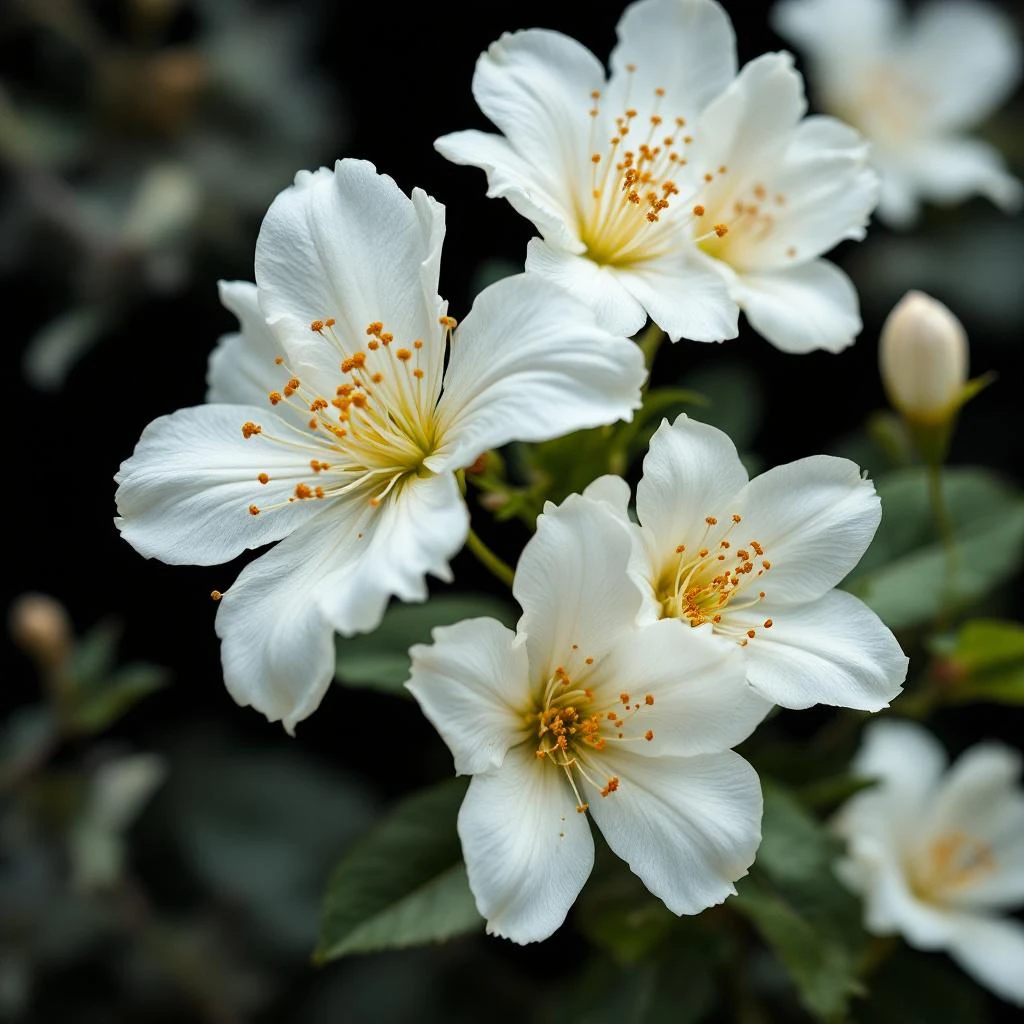
Water Jasmine
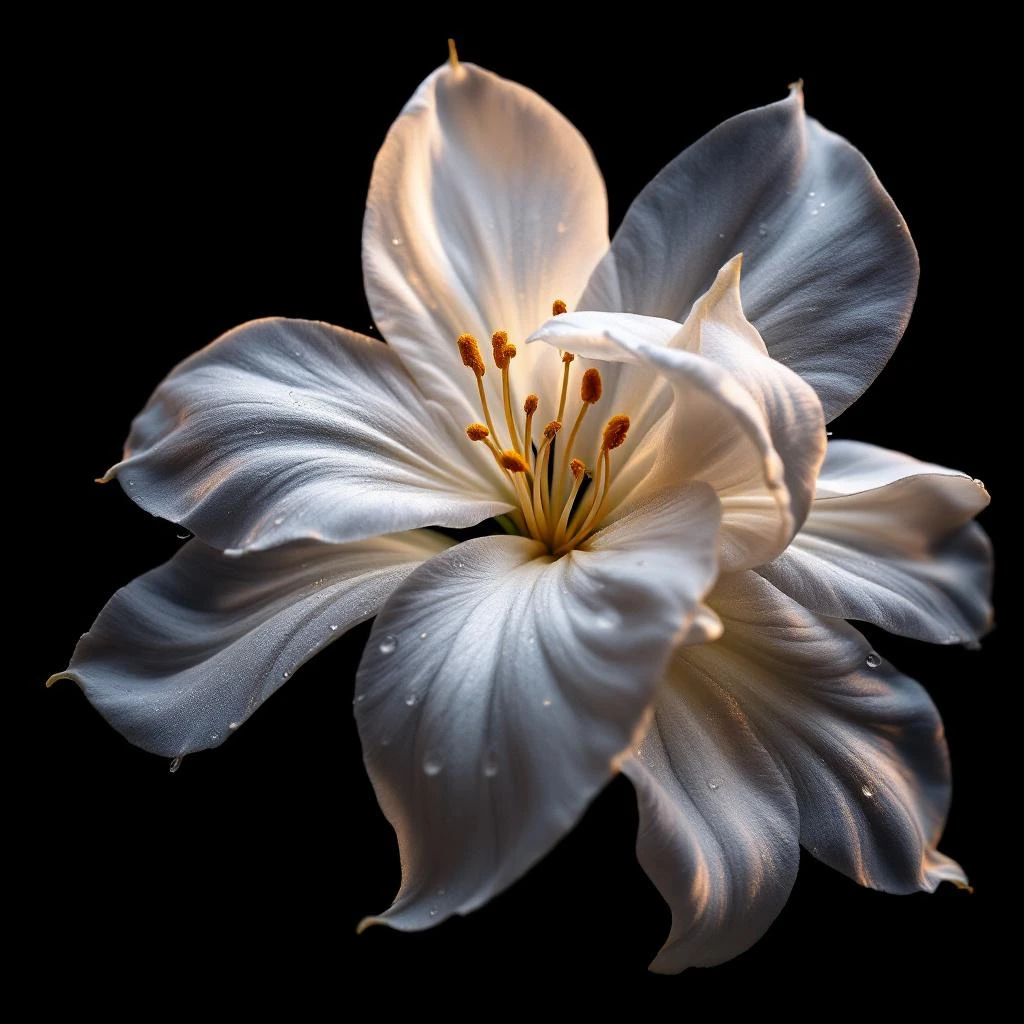
Water Jasmine captures the luminous, dewy facets of jasmine — its cool transparency and delicate floral sweetness — reimagined through a prism of aquatic clarity. This note evokes the flower at first light, when morning dew rests on petals and the air carries its intimate fragrance.
Character
How it smells
Jasmine captured at dawn, suspended in cool water.
Jasmine flowers must be picked by hand at dawn, when their oil concentration peaks. A single kilogram of jasmine absolute requires roughly one million hand-picked flowers.








Origin
India
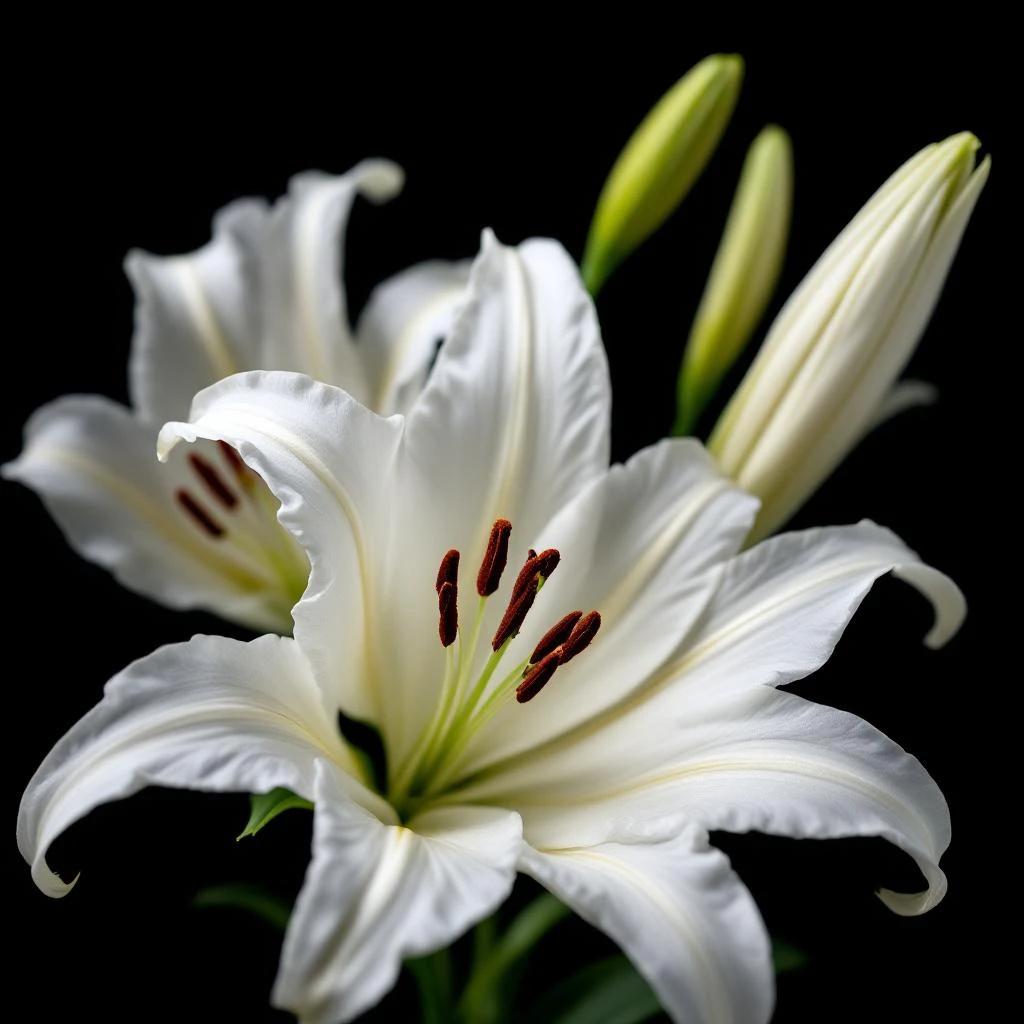
Jasmine has been woven into human culture for millennia. The Egyptians used it as early as 1,000 BCE in sacred rituals and body care. Iranians cultivated jasmine alongside roses after the Islamic era, and these flowers were native to the Iran region.
Persian traders and perfumers refined extraction techniques through steam distillation. In the 16th century, Arabs introduced jasmine to Europe through Spain, and its cultivation spread to Grasse, France, where it became the cornerstone of classical perfumery. By the 18th century, Grasse held the title of world capital of perfumery jasmine.
In 1957, scientists isolated methyl jasmonate from jasmine absolute, leading to the synthesis of hedione — a discovery that radically transformed modern fragrance creation. Today, jasmine remains one of the most prized and versatile materials in a perfumer's palette.
Wears it best
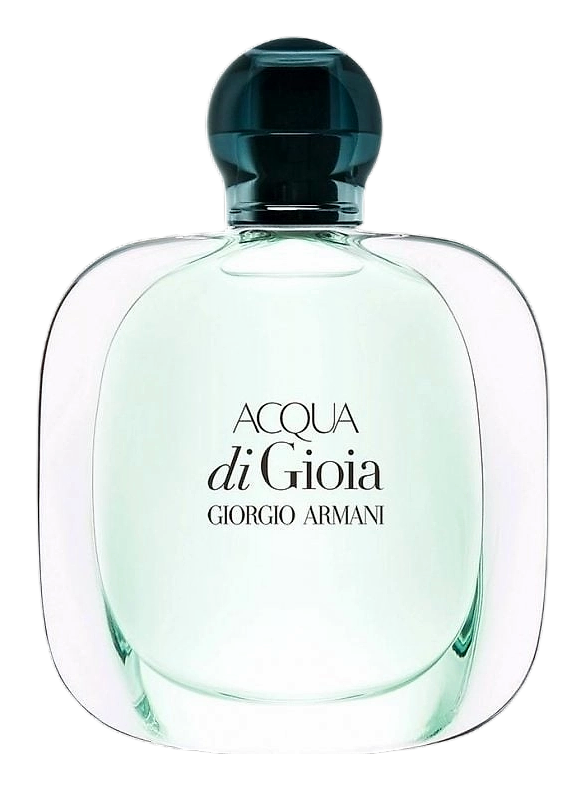
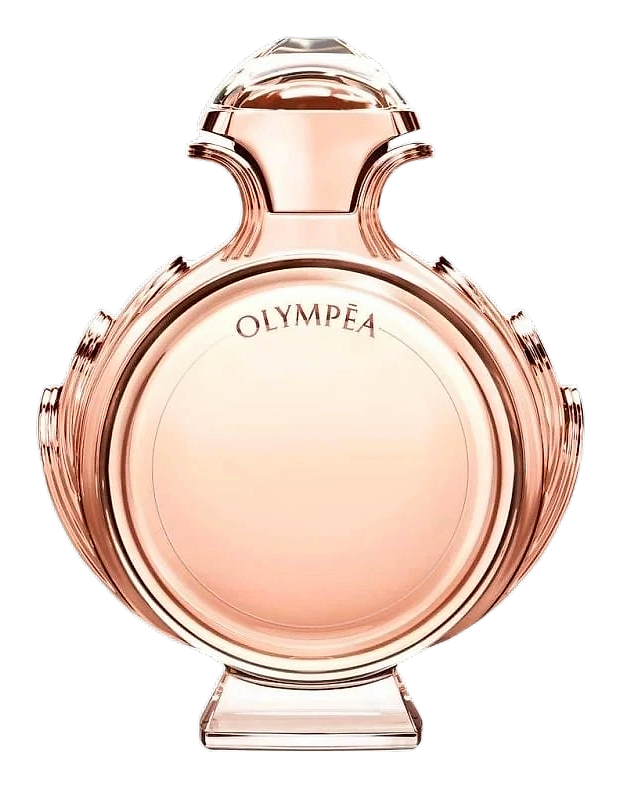
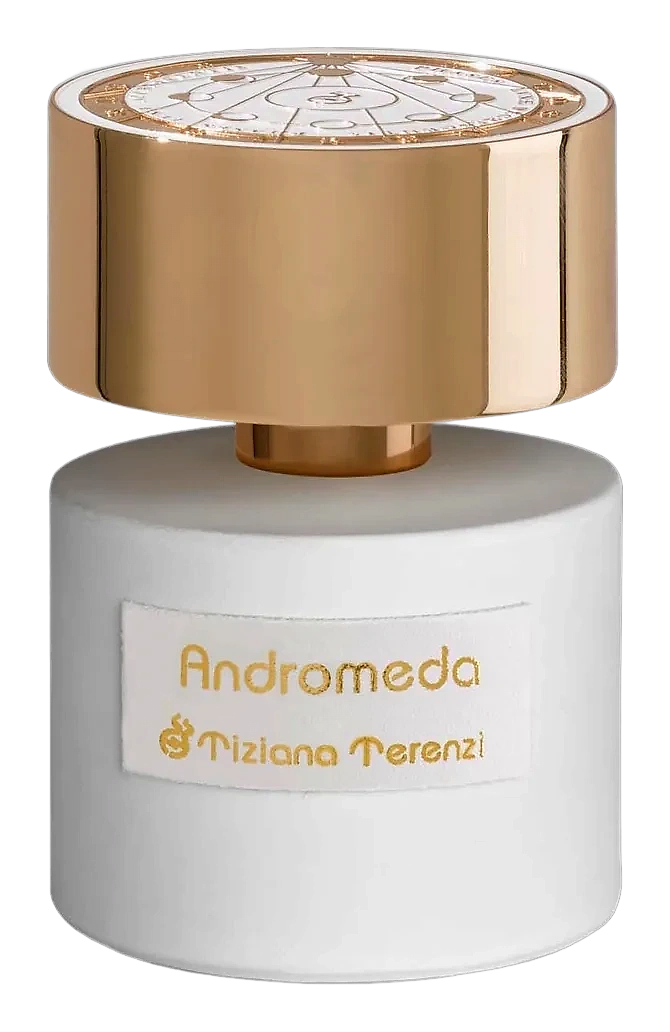
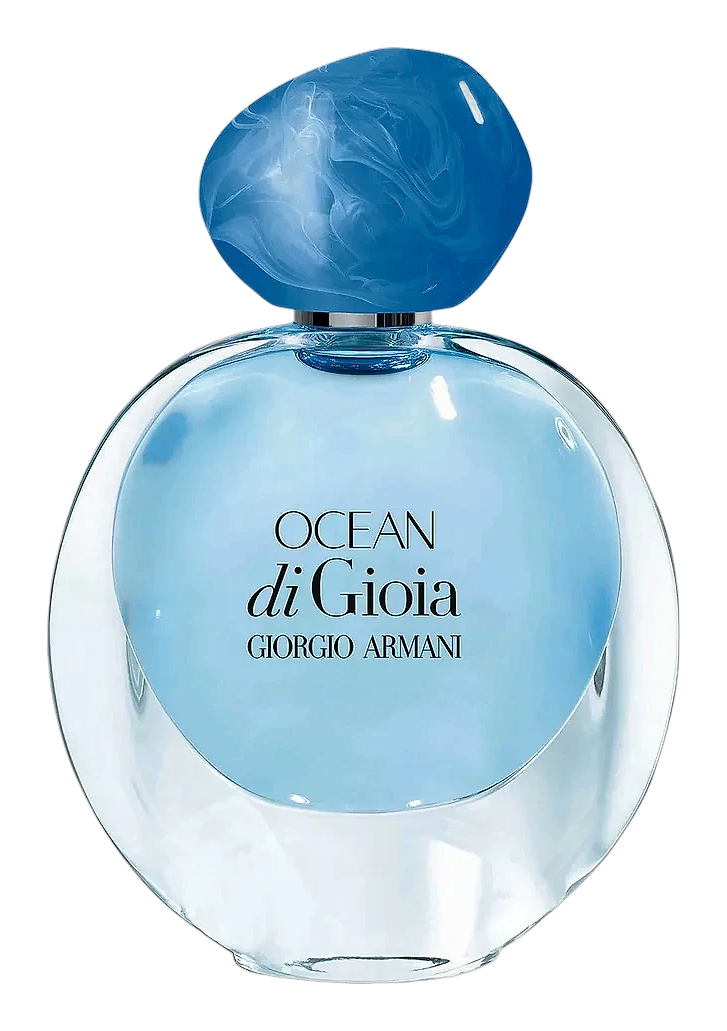
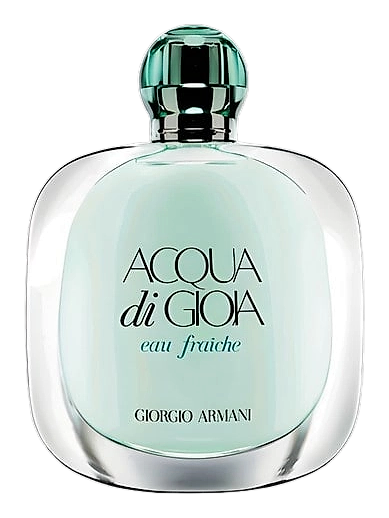
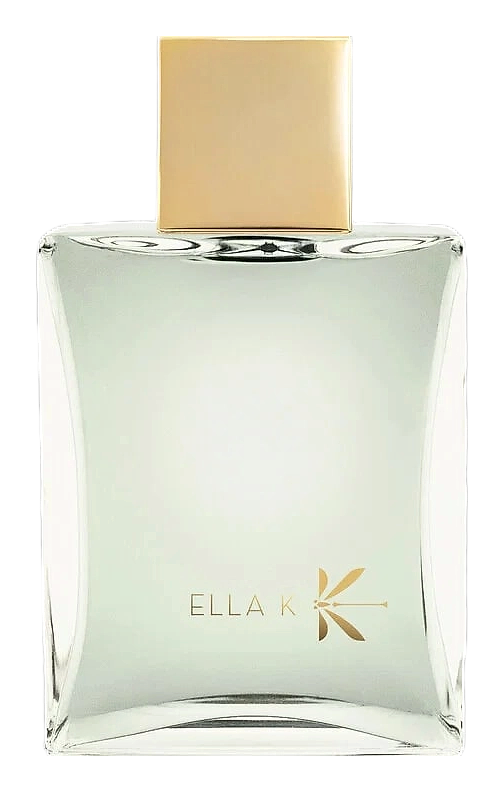
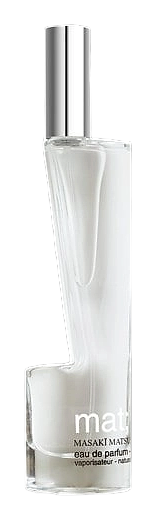
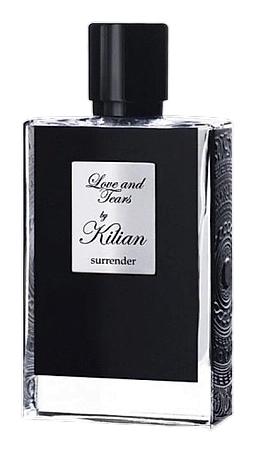
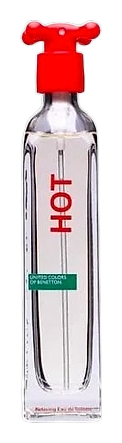
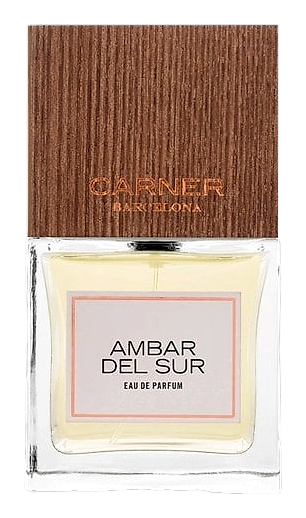
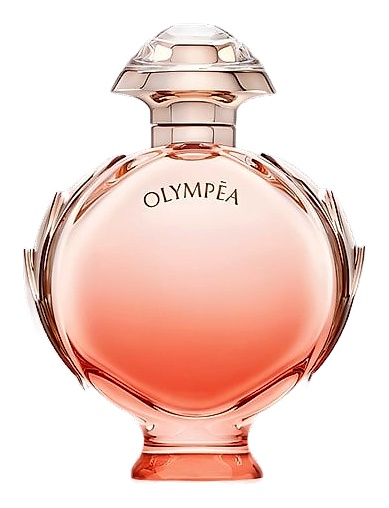
Fragrances featuring Water Jasmine
Brands
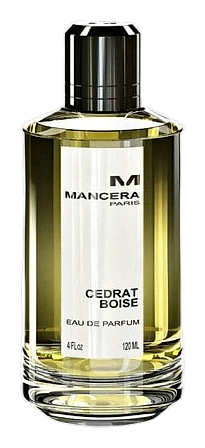
Brands known for Water Jasmine
Good to know
Questions, answered
The essentials on Water Jasmine in perfumery: how it smells, where it comes from, and how it behaves on skin.
What does Water Jasmine smell like?
Water Jasmine opens with a cool, transparent floral freshness reminiscent of morning dew on petals, then reveals deeper jasmine warmth with subtle animalic undertones from indole. It balances crisp aquatic clarity with rich floral depth.
Why is jasmine so expensive in perfumery?
Harvesting jasmine requires about one million hand-picked flowers to produce just one kilogram of absolute. Flowers must be gathered at dawn when oil concentration peaks, making labor costs substantial.
What's the difference between jasmine absolute and CO2 extract?
CO2 extracts often smell closer to the living plant than traditional absolutes. Major fragrance houses like Firmenich and Robertet now offer both options, with CO2 extraction using compressed carbon dioxide instead of chemical solvents.
Which jasmine species are used in perfumery?
Only two of jasmine's 200-plus varieties appear in perfumery: Jasminum grandiflorum (royal jasmine) and Jasminum sambac. Grandiflorum blooms June through October, with peak flowers harvested July and August.
How was jasmine introduced to European perfumery?
Arabs introduced jasmine to Europe through Spain in the 16th century. Its cultivation then spread to Grasse, France, which became the world capital of perfumery jasmine by the 18th century.
What is hedione, and how is it connected to jasmine?
Hedione is a synthetic aroma compound derived from methyl jasmonate, first isolated from jasmine absolute in 1957. Initially used in micro-quantities, it now commonly appears in double-digit percentages across modern fragrances.
What are the main aromatic compounds in jasmine absolute?
Jasmine absolute is dominated by benzyl acetate (34%), benzyl benzoate (24%), and linalool (8%). Minor constituents like cis-jasmone (3%) and indole (2.5%) contribute its distinctive warm, slightly animalic character.
Does Water Jasmine come from natural or synthetic sources?
Water Jasmine is an accord that combines natural jasmine absolutes — extracted via hexane solvent — with synthetically reconstructed jasmine molecules, including hedione. This approach delivers consistent aquatic jasmine character at a sustainable cost.