The Story
Why it exists.
The beginning
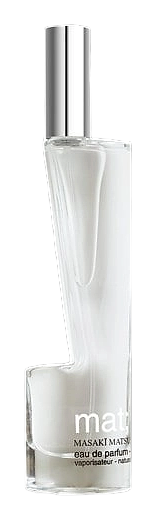
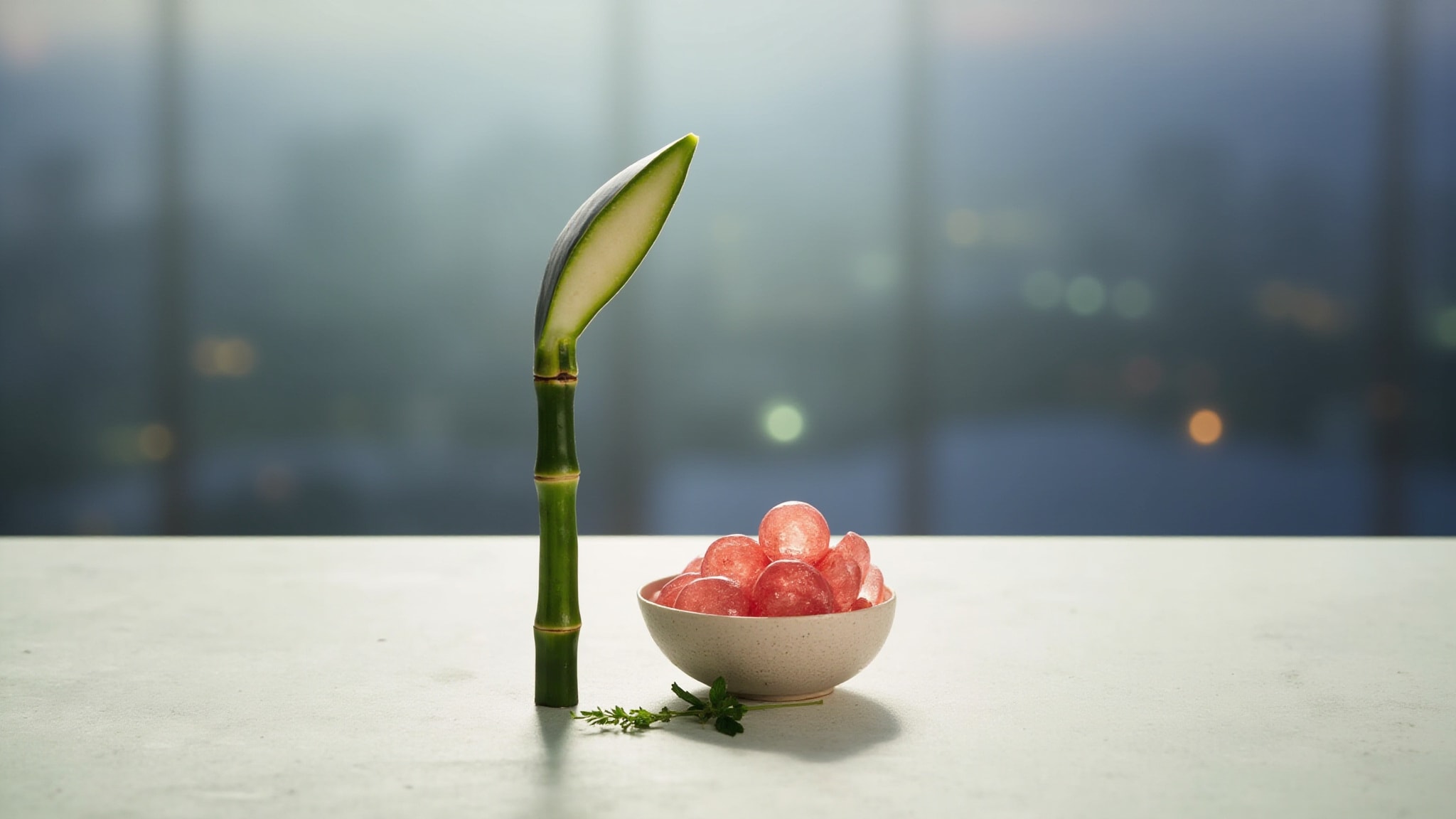
mat; began as a concept before it became a fragrance. Masaki Matsushima had been building his line around reduction, a single color, a semicolon, nothing else. The name said the minimum. The scent was supposed to do the rest. In 2005, with perfumer Jean Jacques, the brief was simple: what does quiet smell like when it isn't boring? Tea and bamboo leaf arrived as the structural bones, watermelon as the surprise, lotus and white rose as the soft landing. Crystal musk kept the finish from ever becoming loud. This is a fragrance that doesn't need to be noticed to be remembered.
The real tension in mat; is between ozonic freshness and floral softness, two impulses that rarely coexist gracefully. Tea and watermelon deliver cool, dewy clarity in the opening. But blackcurrant and white rose could tip into sweetness the moment mint steps back. The mint doesn't step back. It stays just long enough to keep everything honest, then fades before you notice. Crystal musk in the base isn't performing, it's the thing that makes the scent feel complete rather than simply finished. The composition rewards attention without demanding it. That's the quiet paradox at its center: something subtle that still has something to say.
The evolution
The opening hits in under a minute. Watermelon and bamboo leaf arrive simultaneously, watermelon first, then the green snap behind it, that just-cut stem smell that doesn't apologize for being artificial. Mint threads through for a moment, a brief sharpening that keeps the sweetness honest. Then the hand-off: lotus, blackcurrant, white rose. The florals arrive together, not one leading the other, and they do what florals rarely manage, they replace the freshness rather than pile on top of it. The drydown belongs to crystal musk and something the sources call reed wood. Not loud. Not dramatic. Just a soft, reassuring signature that stays close and lingers past what the longevity numbers suggest. On fabric it outlasts skin. The next morning there's a faint trace, watery, floral, still present.
Cultural impact
mat; landed in 2005, a moment when minimalist aesthetics were reshaping global design, from architecture to fashion to consumer goods. Japanese designers like Matsushima were gaining international recognition for their philosophy of reduction and precision, and mat; translated that sensibility into scent. The collaboration between the French house Panouge and the Japanese designer reflects a broader 2000s trend of East-meets-West creative partnerships that brought Japanese design principles to Western luxury consumers. Rather than simply transplanting Japanese aesthetics, the fragrance adapted them for a broader audience, making minimalist restraint accessible without diluting it.