
The Story
Why it exists.
The beginning
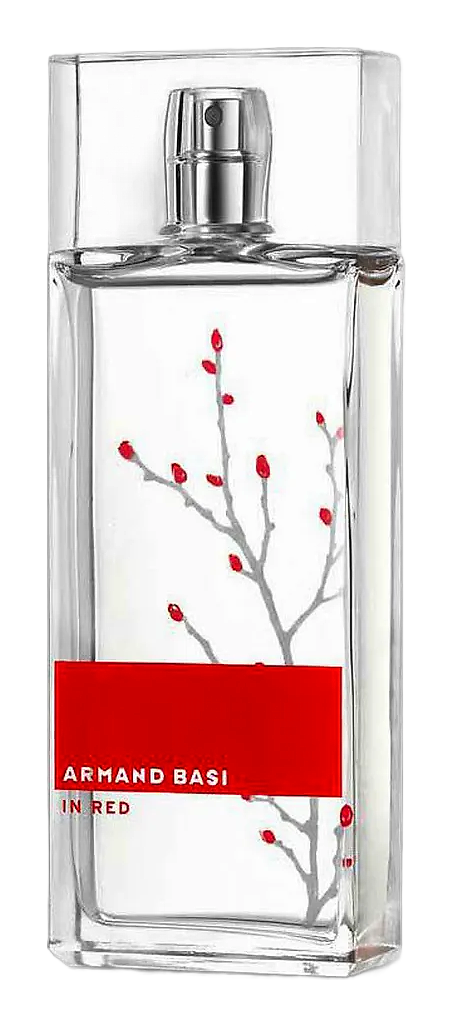
Gloria Vanderbilt moved across art, literature, fashion, and design with a restless creative spirit that made her a cultural fixture for decades. In Red carries that energy into a 2023 oriental floral, bold enough to make a statement, refined enough to wear with intention. The name says everything. This is the red rose that doesn't wait for permission. The note pyramid opens with pink pepper and pear, builds through red rose and jasmine, and settles into vanilla and cashmeran. The composition balances modern synthetic materials with classic florals, accessible yet sophisticated, in keeping with the brand's philosophy of self-expression over social signaling.
The note structure pairs Cashmeran, a modern synthetic that mimics cashmere's tactile warmth, with traditional florals like red rose and jasmine. This is what elevates the composition beyond a straightforward oriental. The rose, jasmine, and vanilla trio stays classic and feminine. The Cashmeran and vetiver add contemporary complexity that feels both timeless and current. It's the kind of balance the brand was built on, accessible sophistication that doesn't compromise.
The evolution
The top notes arrive sharp and immediate, pink pepper and crisp pear creating a jolt of energy that announces itself within the first 15 to 30 minutes. No easing in. The heart takes over from there. The red rose doesn't retreat here. It's bold, supported by blackcurrant blossom and deepened with jasmine. This stage carries the fragrance for several hours. The blackcurrant keeps the floral brightness from becoming precious. The jasmine adds creaminess underneath. The drydown shifts the energy. Vetiver emerges with its mineral, slightly smoky edge, wrapping around the vanilla and cashmeran that create a warm, powdery softness. The vetiver cuts through the sweetness, keeps it grounded rather than cloying. This is the stage that defines the fragrance's character. Intimate and close to the skin. Almost a secret.
Cultural impact
Vanderbilt by Drysdale emerged in 1982 as a symbol of accessible luxury in American fashion, with the brand quickly expanding into fragrance and beauty. The Vanderbilt fragrance line has long occupied a niche between mass-market accessibility and genuine craftsmanship, appealing to consumers seeking sophistication without exclusivity. Vanderbilt In Red represents the brand's most contemporary fragrance statement, released in 2023 to revitalize the heritage name for a new generation. This launch reflects a broader trend of heritage fashion houses leveraging their history to compete in the crowded modern fragrance market, where consumers increasingly value brand legacy alongside scent quality.