The Story
Why it exists.
The beginning
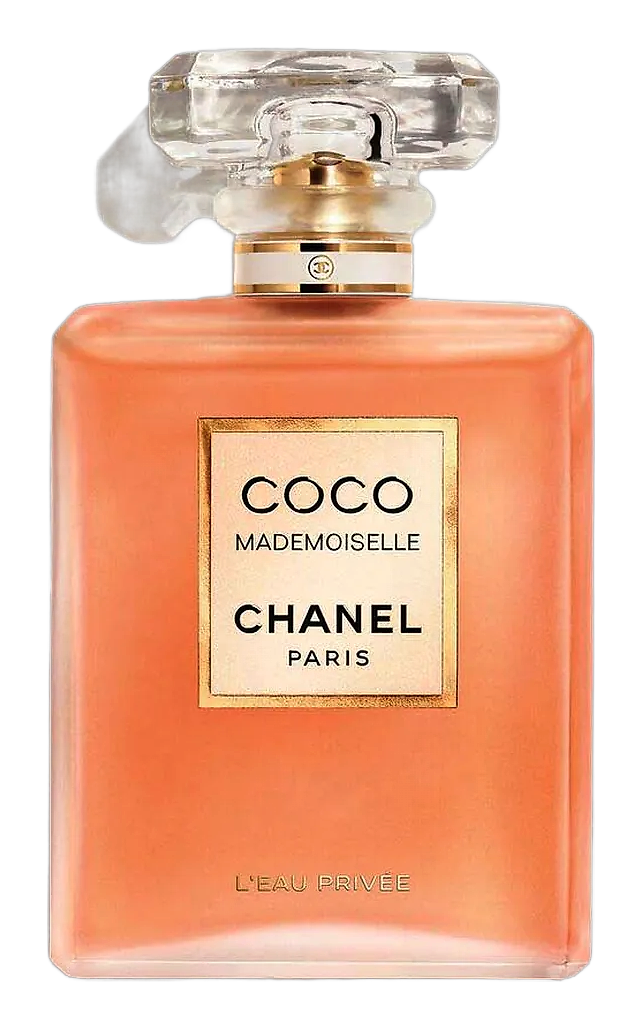
Jacques Polge created Coco Mademoiselle in 2001. Named for Gabrielle Chanel herself, the fragrance captures fresh yet warm, structured yet sensuous qualities. The result is a fragrance that wears its confidence quietly, without announcement. A dual name, a dual character. That was the achievement. The scent opens with a bright citrus spark that settles into something more intimate. There is an interplay of crisp edges and soft warmth, a tension that feels deliberate rather than accidental. The florals emerge gradually, adding depth without ever overwhelming. It is a fragrance that asks to be discovered rather than announced, that rewards patience with quiet complexity.
The key to understanding Coco Mademoiselle lies in its structural tension. The top notes arrive bright and sparkling: mandarin orange, bergamot, orange blossom. That's the fresh face. But almost immediately, the heart notes begin to work against that freshness. Jasmine, Turkish rose, mimosa, ylang-ylang, these aren't cool florals. They're warm, almost creamy, tinged with the fullness of late-summer petals. The citrus doesn't disappear so much as it retreats behind the florals, holding the composition upright while the warmth builds beneath it. It's that interplay, cool opening, warm heart, that gives the fragrance its signature energy and keeps it from tipping into anything predictable.
The evolution
Mandarin orange and bergamot crackle bright against the skin. Orange blossom threads through, adding a clean, slightly sweet floral accent. This phase is brisk and confident. It announces itself without apologizing. Hold your wrist to your nose and the citrus is still there, even as the heart begins to develop underneath. Jasmine and rose take over gradually. They don't replace the citrus, they absorb it, pressing it into the background while the ylang-ylang adds a warm, almost tropical richness. The mimosa brings a powdery softness that keeps the florals from reading heavy. This is the heart's job: warmth without weight, floral without fussiness. The drydown is where patchouli earns its reputation. Vetiver adds an earthy, slightly smoky counterpoint, while white musk keeps everything close to the skin. Opoponax brings a warm, balsamic sweetness that bridges the florals and the woods.
Cultural impact
Coco Mademoiselle won the FiFi Award for Best National Advertising Campaign in 2008. It remains one of the most recognizable women's fragrances in the world, recommended in department stores from Paris to Seoul. What started as a Chanel fragrance became a reference point, a scent against which many others are compared. Its influence extends beyond the bottle, shaping how modern femininity is expressed through scent.