
The Heritage
The Story of Armand Basi
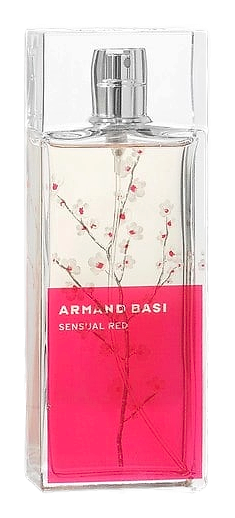
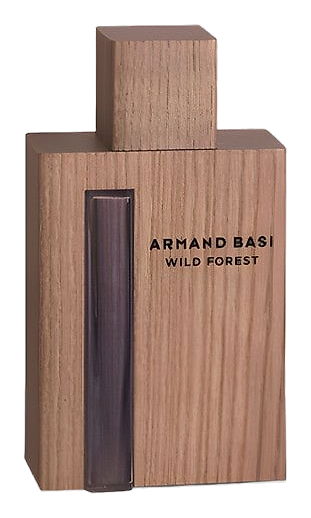
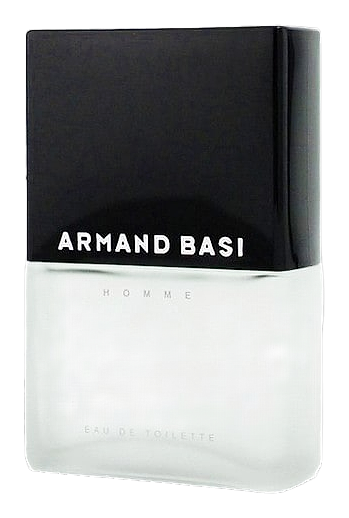
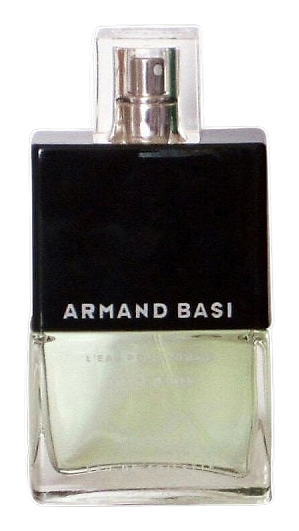
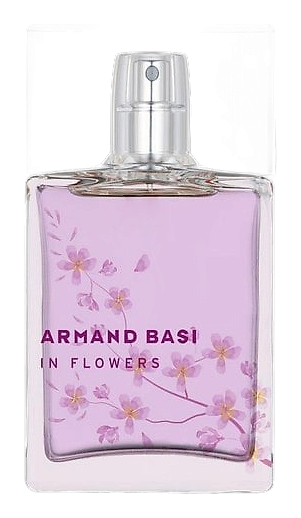
Armand Basi is a Spanish fashion and fragrance house that grew out of a Barcelona boutique in the mid‑1980s. The label translates its Mediterranean roots into wearable scents that sit beside its ready‑to‑wear collections. Over the past two decades the brand has released more than twenty fragrances, ranging from the crisp citrus of Armand Basi Homme (2000) to the woody depth of Wild Forest (2013). Its bottles carry a clean, modern silhouette that mirrors the label’s understated style.
Heritage
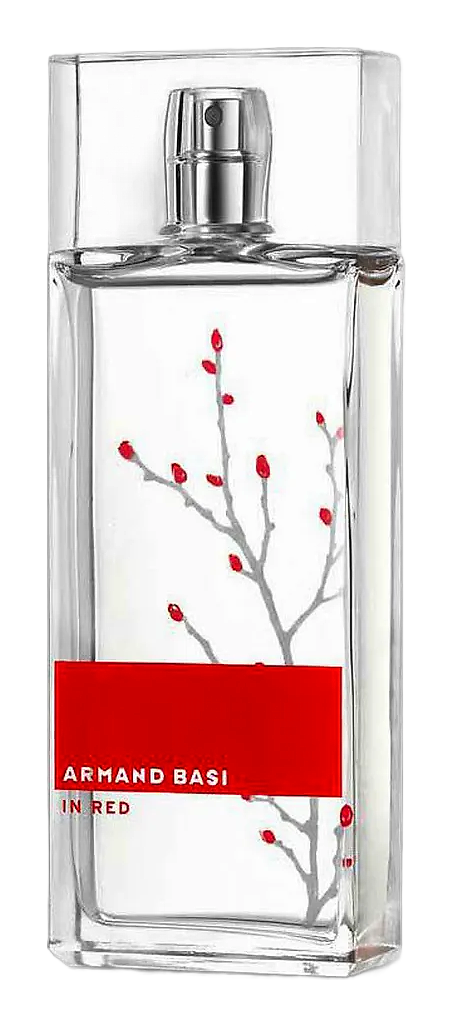
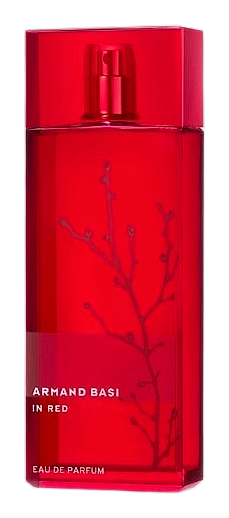
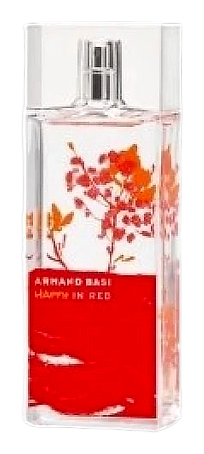
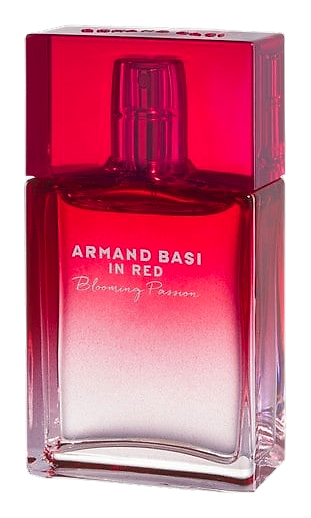
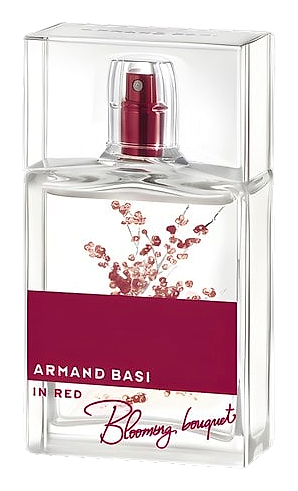
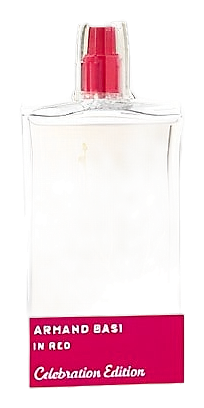
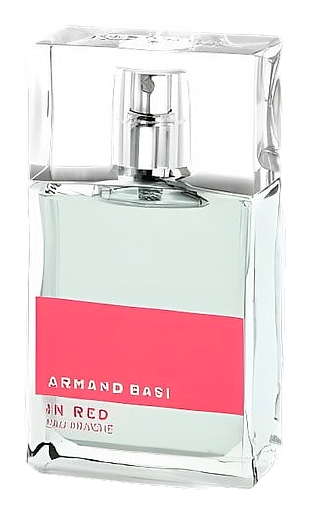
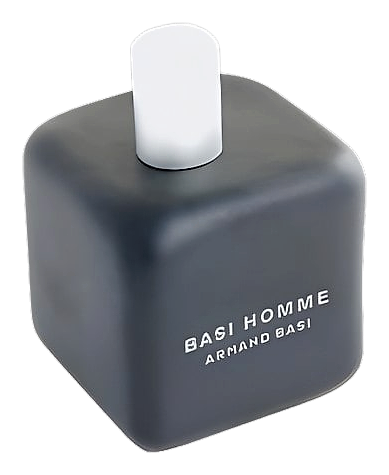
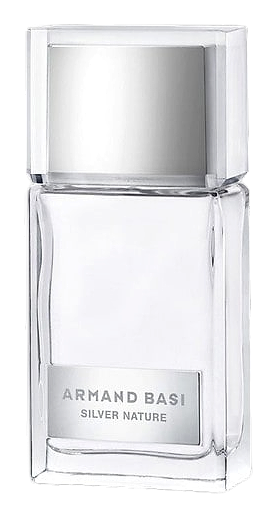
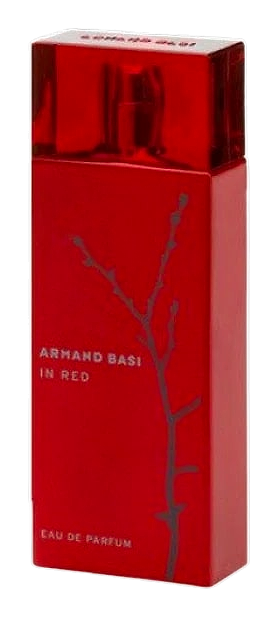
The story begins in Barcelona, where the Basi brothers opened a small shop in 1986. Their early focus was on contemporary clothing that blended Spanish tradition with European trends. By the late 1990s the brothers decided to extend the brand into fragrance, a move that matched the growing Spanish interest in niche perfumery. The first scent, Basi Homme, arrived in 1999 and earned a modest following among city professionals. In 2000 the house launched Armand Basi Homme, a citrus‑spice composition that highlighted the brand’s confidence in fresh, everyday wearability. The following years saw a steady stream of releases: In Red (2003) introduced a warm, fruity profile; Blue Sport (2013) offered a sporty, aquatic twist; and Silver Nature (2008) explored green, earthy accords. A notable milestone arrived in 2017 when the brand issued In Red Celebration Edition, a limited run that marked the tenth anniversary of the original In Red. The most recent addition, L'Eau Pour Homme Blue Tea (2021), reflects a shift toward lighter, tea‑infused notes that appeal to a younger, urban audience. Throughout its evolution the label has remained under the umbrella of the Idesa Group, a Spanish conglomerate that acquired the brand in the early 2000s. This partnership has provided the financial stability needed to maintain production in Spain while collaborating with international perfumers. Today Armand Basi continues to balance fashion and fragrance, offering a portfolio that feels both familiar and forward‑looking.
Craftsmanship
The production process begins with a brief that outlines the intended mood, season, and target wearer. The brief travels to a perfumer, who drafts a formula using a blend of natural extracts and modern aroma chemicals. Ingredients such as Spanish orange blossom, Italian bergamot, and French cedar are common, while synthetics provide stability and longevity. Once a composition receives approval, the formula moves to a manufacturing facility in Spain where it is mixed in stainless‑steel vats under controlled temperature. Quality control technicians test each batch for consistency, checking parameters like concentration, color, and scent profile. The finished concentrate is then diluted to the appropriate Eau de Toilette or Eau de Parfum strength before being poured into the brand’s signature bottles. Bottles are produced by a local glassworks that follows strict tolerances for thickness and clarity. Labels are printed on recycled paper and applied by hand, ensuring each unit meets the brand’s visual standards. The final product is boxed in a minimalist cardboard sleeve that bears the Armand Basi logo in matte black. Throughout the chain, the company follows EU regulations for allergen disclosure and environmental impact, and it participates in periodic audits conducted by third‑party labs.
Design Language
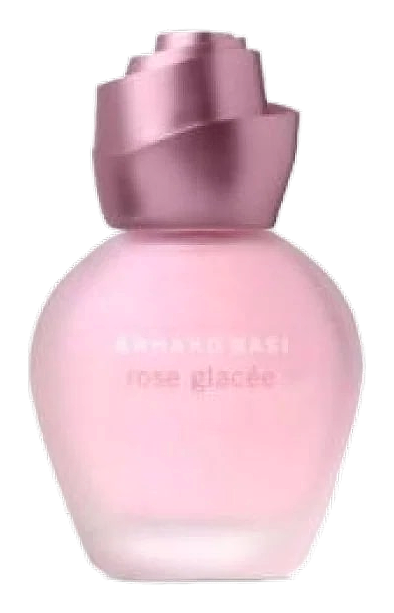
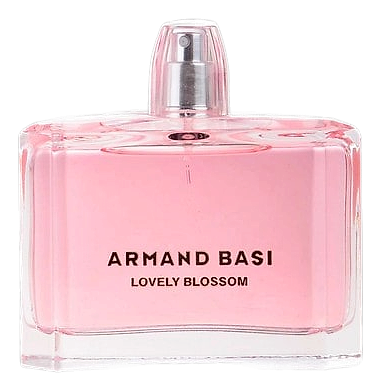
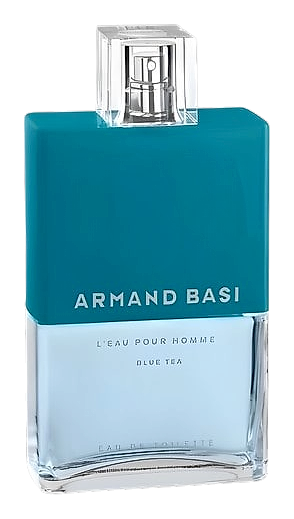
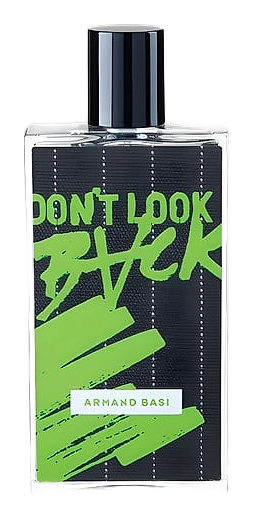
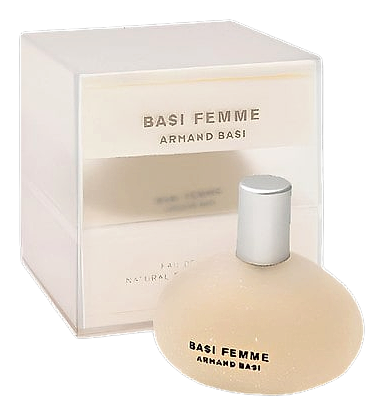
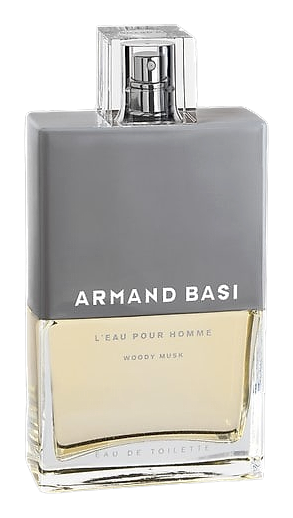
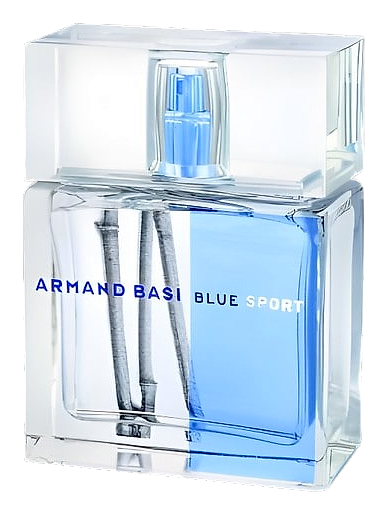
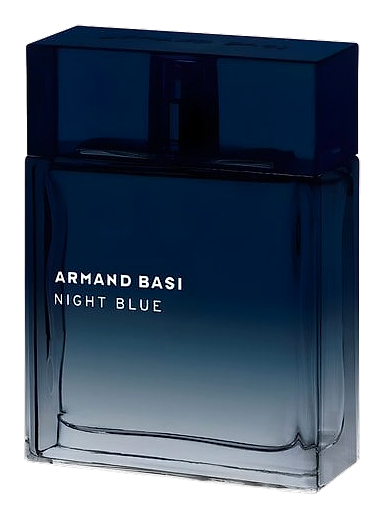
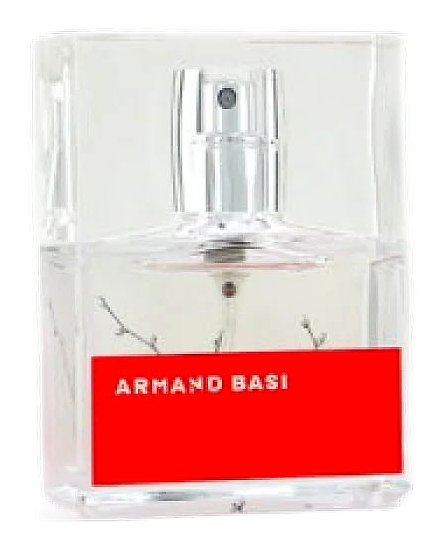
Visually, Armand Basi favors a restrained palette of black, white, and occasional accent colors that echo its fashion roots. Early bottles featured a simple rectangular silhouette with a brushed metal cap, a design that conveys both elegance and practicality. The label often appears in a clean sans‑serif typeface, positioned centrally on the front of the glass. In 2013 the brand introduced a sportier line, Blue Sport, which swapped the matte finish for a glossy blue hue and a rubberized cap, signaling a shift toward active lifestyles. The 2021 Blue Tea edition returned to a clear glass vessel but added a subtle teal gradient that hints at the tea note inside. Marketing imagery typically showcases models in sun‑drenched urban settings, reinforcing the Mediterranean connection. Packaging materials are recyclable, and the brand has experimented with biodegradable inks for its limited‑edition releases. Overall, the visual identity balances modern minimalism with a nod to the brand’s Spanish heritage.
Philosophy
Armand Basi approaches scent as an extension of personal style. The brand believes that a fragrance should complement clothing rather than dominate it. It draws inspiration from Barcelona’s vibrant streets, the sea, and the surrounding Catalan landscape. Each launch aims to capture a moment – a summer evening on the beach, a brisk walk through the Gothic Quarter, or a casual weekend brunch. The house values accessibility, so it avoids overly niche ingredients that would push prices beyond the reach of its core audience. Sustainability has become a growing concern; recent statements from the parent company note a commitment to responsibly sourced raw materials and recyclable packaging. The creative team works with perfumers who share a pragmatic outlook, focusing on balance and wearability. By staying true to a Mediterranean sensibility, the brand seeks to create scents that feel both local and universal.

Key Milestones
1986
Basi brothers open the first Armand Basi boutique in Barcelona, focusing on contemporary fashion.
1999
Launch of the first fragrance, Basi Homme, marking the brand’s entry into perfumery.
2000
Armand Basi Homme debuts, establishing a signature citrus‑spice profile.
2008
Silver Nature releases, exploring green, earthy accords.
2013
Blue Sport and Wild Forest launch, expanding the line into sporty and woody territories.
2017
In Red Celebration Edition issued to commemorate a decade of the original In Red.
At a Glance
Brand profile snapshot
Origin
Spain
Founded
1986
Heritage
40
Years active
Collection
1
Fragrances released
Avg Rating
4.0
Community sentiment
Release Rhythm