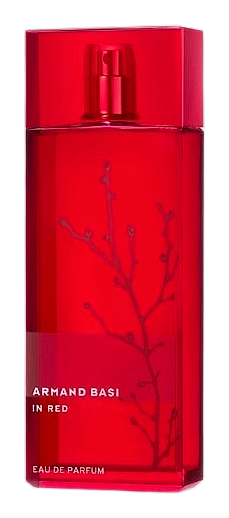

The Story
Why it exists.
The beginning
Alberto Morillas designed In Red in 2003 with a clear intention: a fragrance that felt like the Mediterranean but wasn't afraid of a little heat. The name itself is a signal, not the red of warning, but the red of late afternoon, of wine glasses catching the last of the light. Morillas, whose career had already established him as one of the architects of modern floral design, wanted to create something that moved between seasons, between moments, between the sharp opening and the soft landing that defined the drydown. In Red was his answer to the question of what a Spanish fragrance house could smell like when it stopped trying to compete with the French and started thinking about its own landscape instead, the heat of Barcelona in summer, the way citrus trees grow beside the sea, the particular quality of light that makes everything look warmer than it is. The fragrance was built for that moment, even if it took years for people to realize it.
The structural choice Morillas made is worth sitting with: a top note built entirely around heat, ginger and cardamom doing the work that citrus usually does alone. This isn't a citrus fragrance that happens to have spice in it. It's a spicy fragrance that uses citrus as its opening punctuation, the way a comma pauses before the real sentence begins. The heart is where most fragrances live, but In Red treats its middle act as a transition rather than a destination. Jasmine and rose don't bloom so much as arrive, they appear at the edges of the composition, softening what came before and preparing what comes after. The base is deliberately quiet: woody notes and white musk that don't compete, just support.
The evolution
The opening hits clean, ginger and bergamot arriving together, mandarin giving them brightness before the cardamom adds its heat. For the first twenty minutes this is sharp, almost medicinal in its clarity, before the sharpness softens into something more rounded. The heart arrives not as a replacement but as a conversation: jasmine and rose taking turns, with lily of the valley and violet leaf adding their green edge. What surprises most wearers is that the florals don't stay, they fade while staying present, like background music you stop noticing until it stops. The woody base and white musk arrive around the second hour and hold for the rest of the day. By hour six, on skin that runs warm, there's still something there, not projecting, not asking for attention, just present. On fabric, it lasts until the next wash. The drydown smells like clean skin, not like perfume, which is either the greatest compliment or the quietest disappointment, depending on what you wanted from it.
Cultural impact
In Red has quietly built a following over two decades, not as a statement fragrance, but as a reliable option for people who want something that smells expensive without performing expensive. The community rates it consistently high on value, which tells you where it sits: not in the luxury tier, but not in the budget tier either. It's the fragrance people recommend when someone asks for something that works, lasts, and doesn't announce itself. It has earned a loyal following among fragrance enthusiasts who value consistent quality and understated character.