
The Story
Why it exists.
The beginning
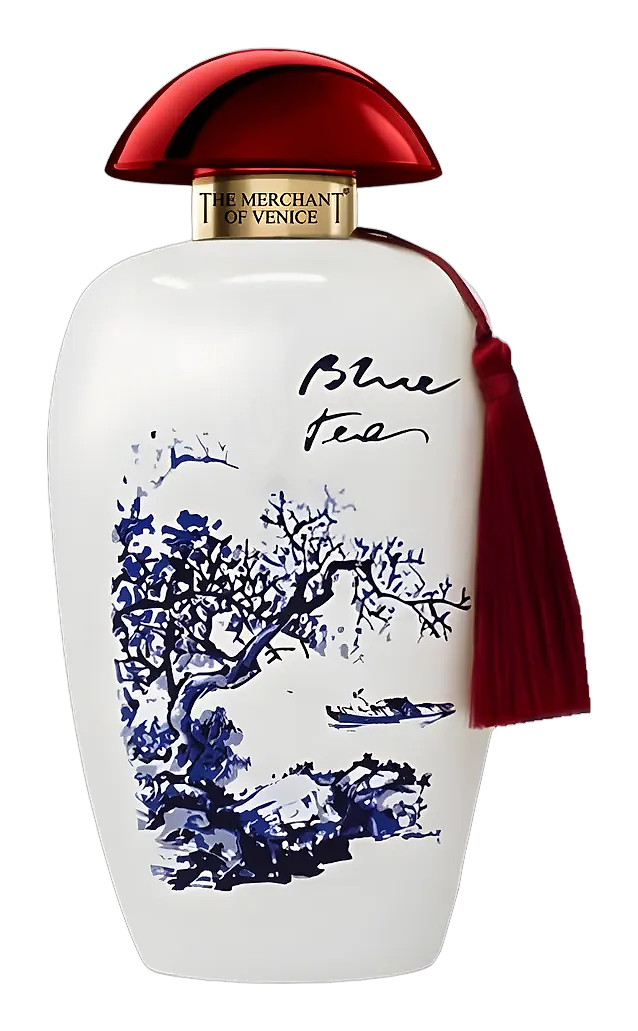
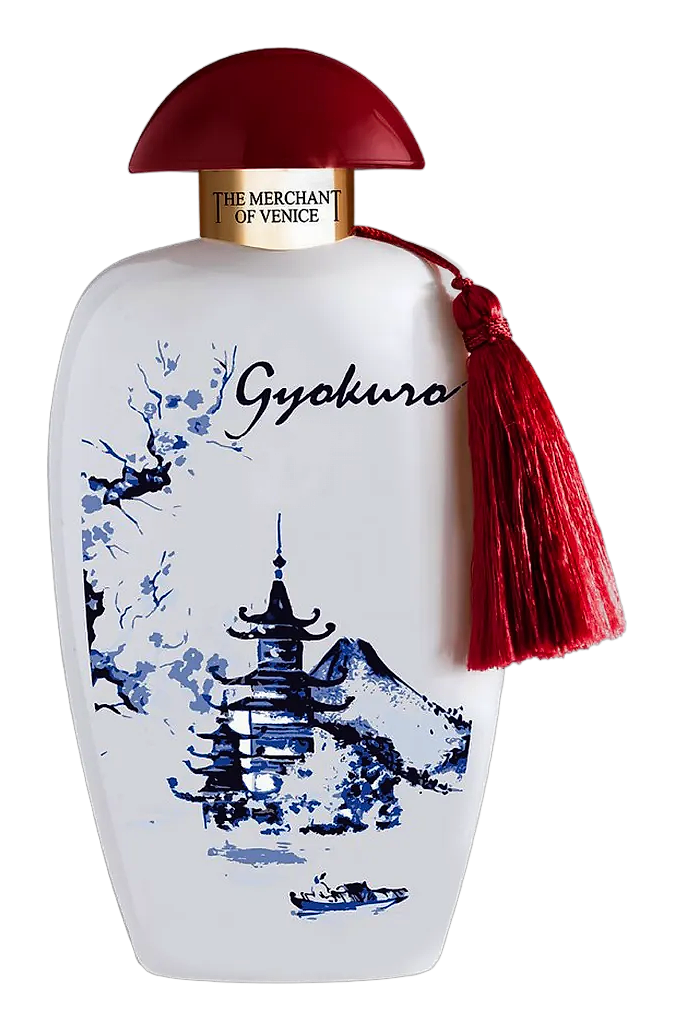
For The Merchant of Venice's Venezia e Oriente collection, Violaine Collas chose Gyokuro as the subject, not as a nod, but as the actual point. Gyokuro means jade dew. The name describes what happens when shaded tea leaves release their color: a luminous, almost otherworldly green. That image, that glow, is what Collas attempted to bottle. She did not surround the tea with accessories; she made the tea the architecture.
The gyokuro note here is not metaphorical. It attempts to capture the actual aromatic profile of shaded green tea, which is richer and less grassy than its unshaed counterparts. Pairing it with peach and lotus grounds the concept in something familiar and approachable, while the ambergris and sandalwood base ensures the fragrance does not dissipate into pure abstraction. The result is a tea fragrance that smells like tea, thinks like perfume, and behaves like something worth owning.
The evolution
The exotic fruits and neroli open things brightly, a citrus-floral greeting that lasts just long enough to announce the composition. The black pepper that follows keeps things grounded, preventing any sense of floaty abstraction. Then gyokuro arrives, and with it comes peach and lotus, a watery sweetness that pairs naturally with the tea is depth. Tuberose is the surprise element here, a creamy counterweight that could have gone wrong but does not. By the time the drydown arrives, ambergris, vetiver, and sandalwood have established a calm, persistent presence that feels earned.
Cultural impact
The Venezia & Oriente collection extends the brand's narrative eastward, exploring connections between Italian perfumery traditions and Eastern raw materials. The Gyokuro accord sits at the center of this exploration, representing a meeting point between two distinct olfactory cultures. The choice of this particular material speaks to a broader interest in Japanese tea traditions within contemporary luxury perfumery. The collection positions itself as part of a continuing dialogue, one that draws on historical exchanges between East and West without claiming direct historical specificity for this particular fragrance.