Lotus
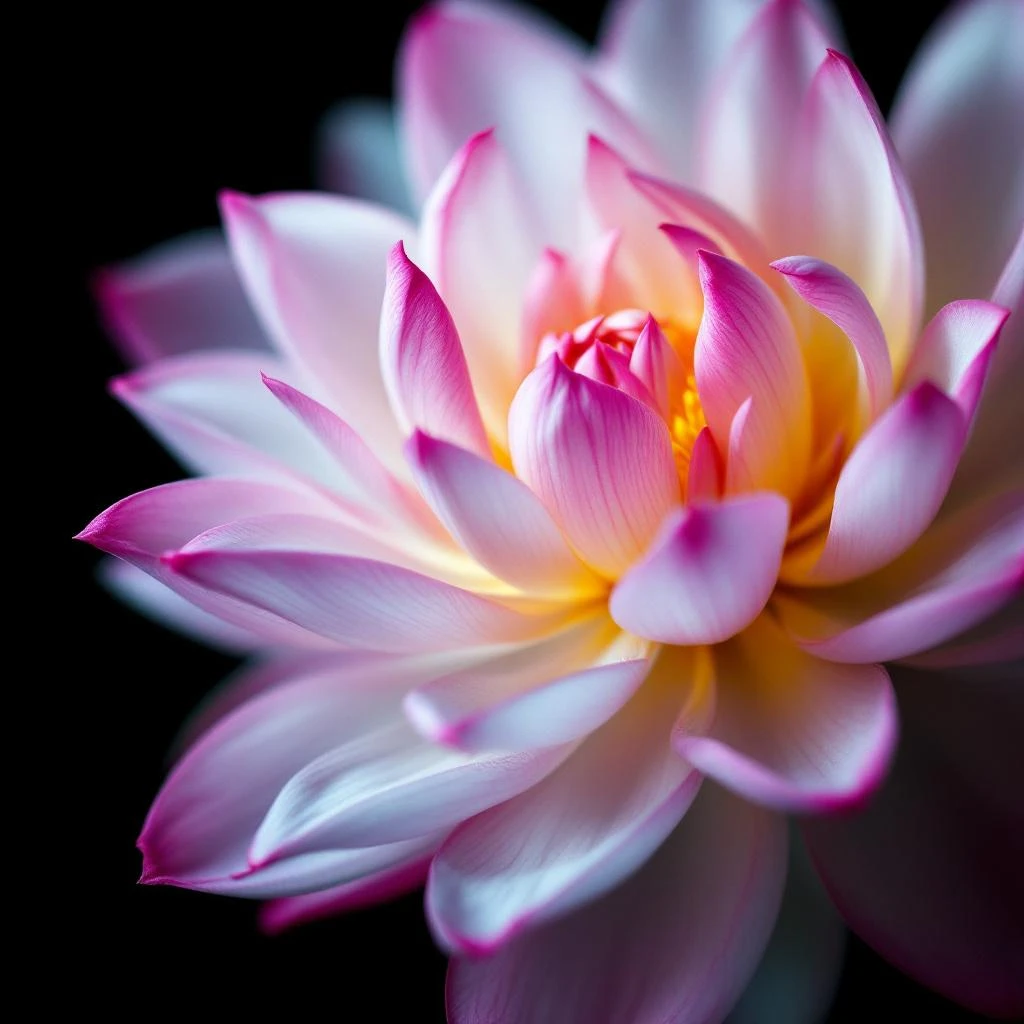
Sacred water bloom prized in Eastern perfumery. Lotus yields a delicate, aqueous floral note that captures the scent of still ponds at dawn, green, mineral, and meditative.
Character
How it smells
Still waters, sacred bloom
True lotus absolute is so costly that most commercial 'lotus' accords are reconstructed in labs using other botanical isolates to mimic its watery floral signature.








Origin
India
The lotus carries some of the oldest symbolic weight of any flower on Earth, appearing in Egyptian tomb paintings from 2500 BCE and Buddhist and Hindu iconography for over three millennia. In ancient Egypt, the blue lotus (Nymphaea caerulea) was steeped in wine and pressed into sacred oils used during funerary rites, valued more for ritual than scent. Indian perfumery traditions treated the pink and white lotus as a devotional material, and by the Mughal era, court artisans were producing lotus attars by co-distilling thousands of petals in copper stills over sandalwood oil, a process documented in texts from the 16th century.
These early attars were labor-intensive luxury goods reserved for royalty. The lotus entered Western perfumery only in the 20th century, as global trade opened access to Indian florals and synthetic chemistry offered affordable ways to recreate its elusive aqueous character.
Wears it best
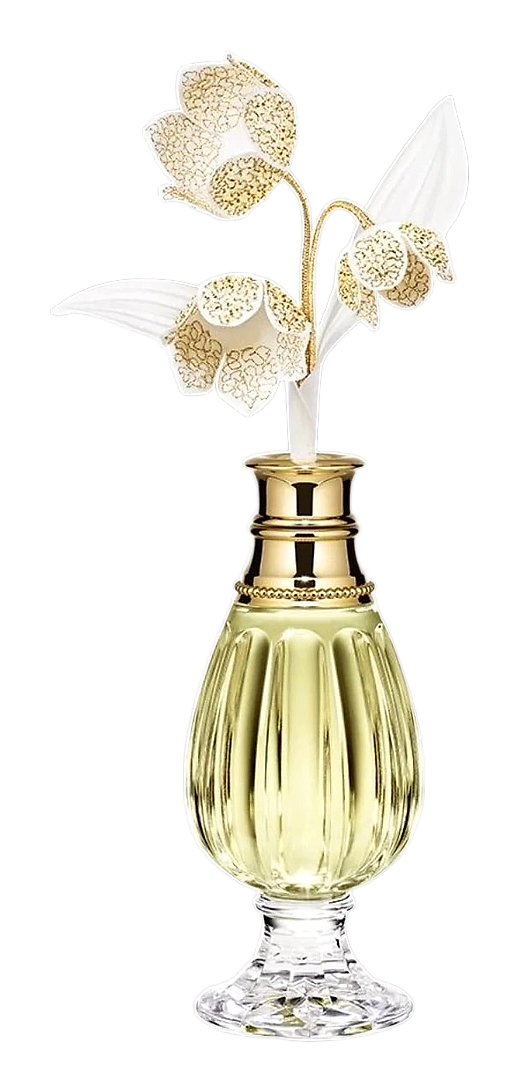
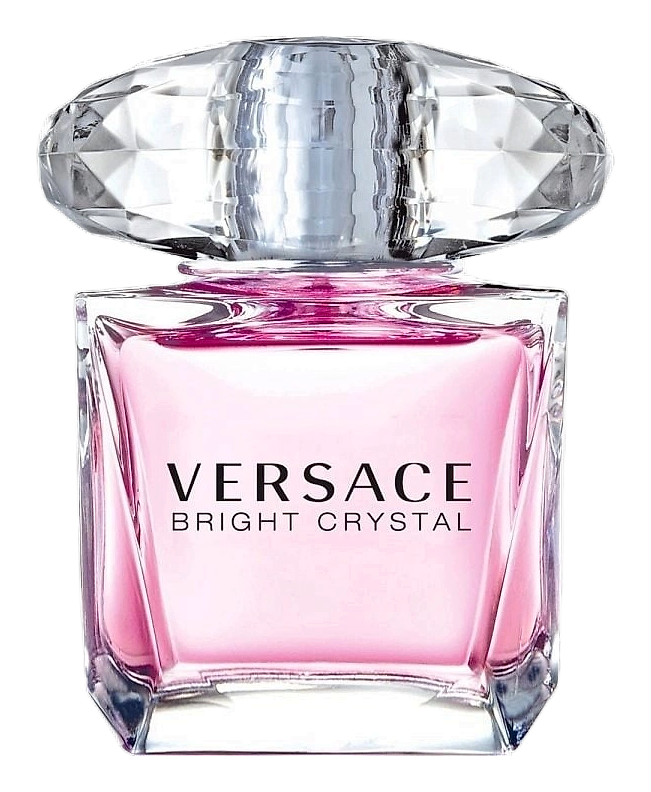
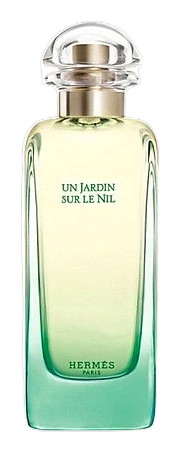
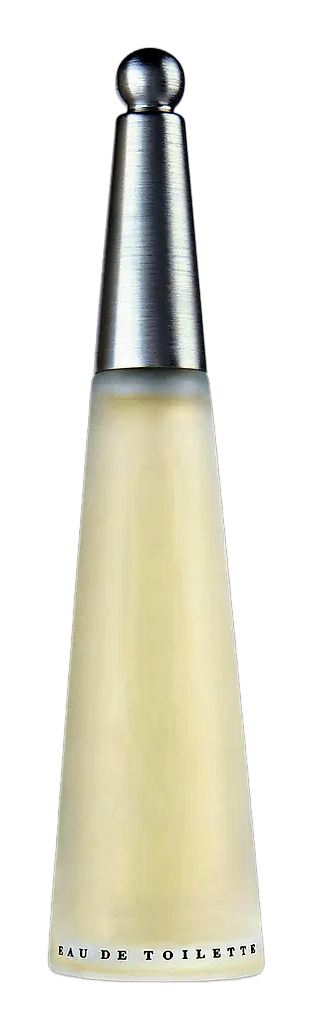
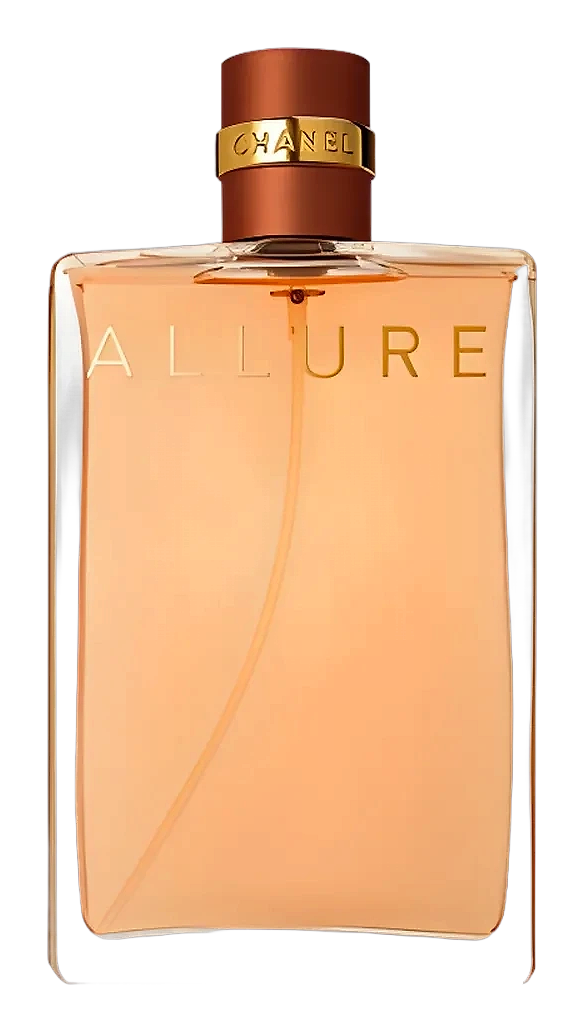
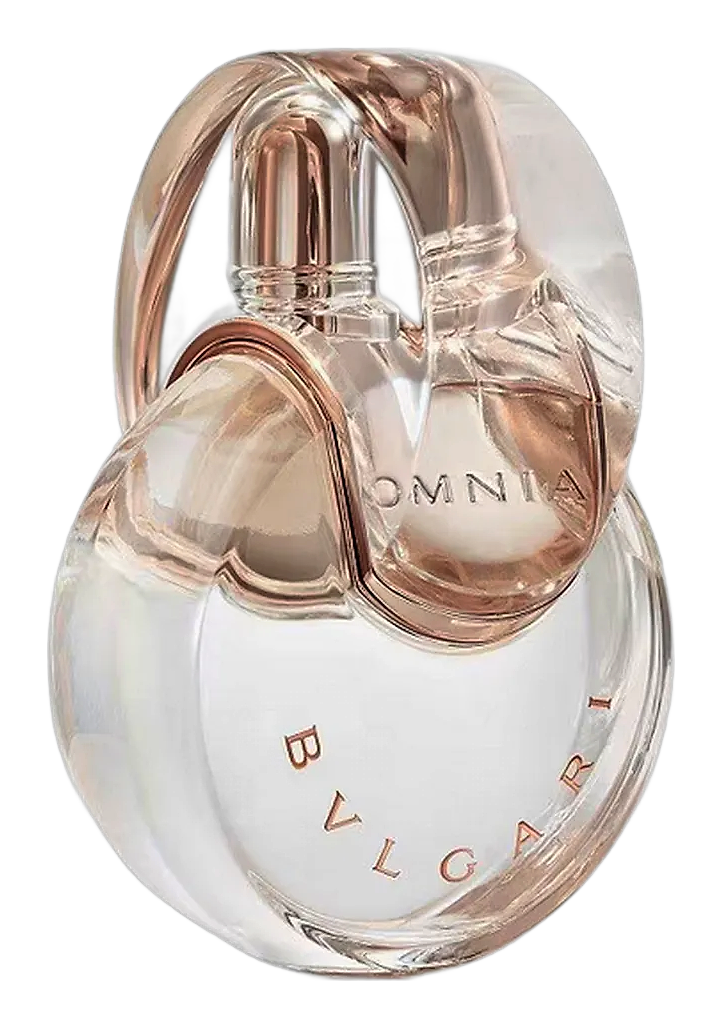
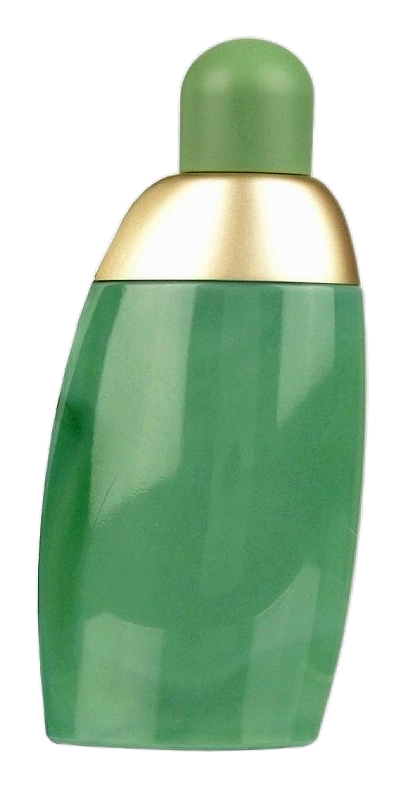
Fragrances featuring Lotus


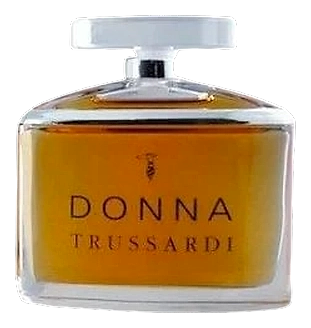
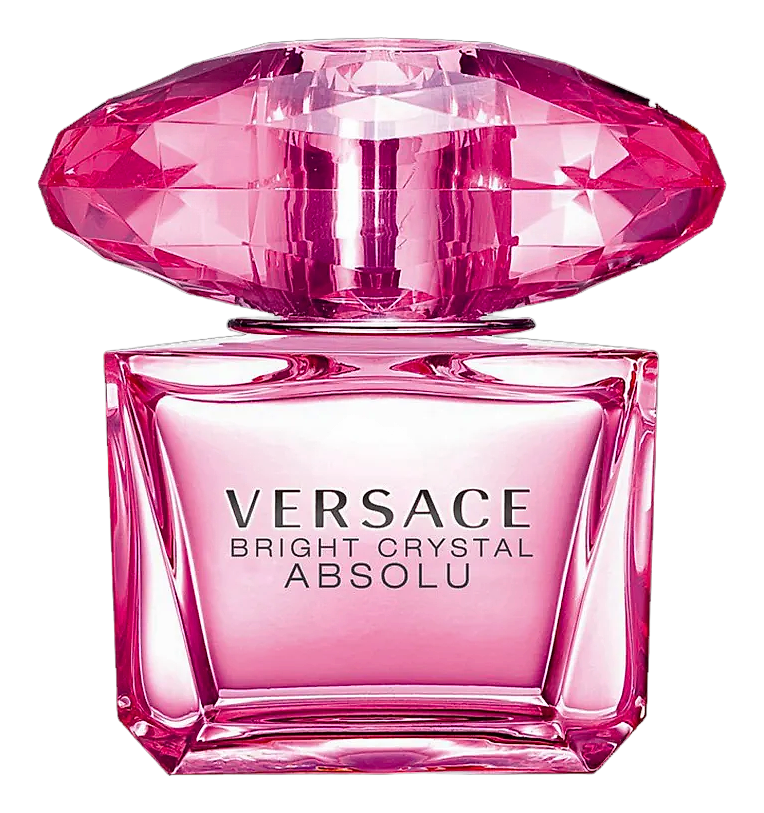
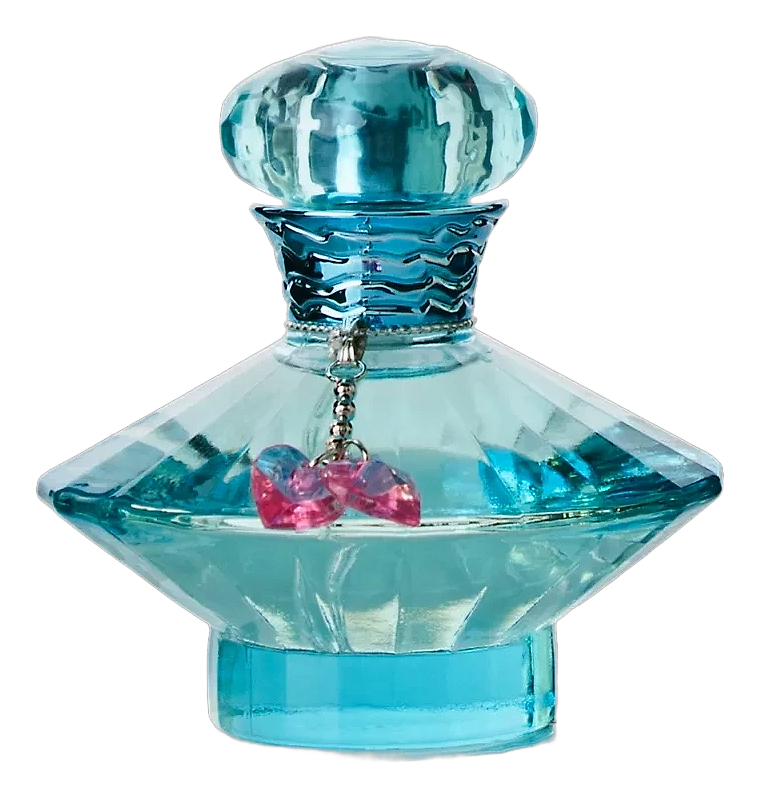
Brands
Brands known for Lotus
Good to know
Questions, answered
The essentials on Lotus in perfumery: how it smells, where it comes from, and how it behaves on skin.
What does lotus smell like in perfume?
Lotus presents a delicate, watery floral note with green and slightly mineral undertones, airy, clean, and faintly sweet. It evokes the scent of still pond water rather than a bold bloom, making it popular in light, meditative compositions.
Is lotus a natural or synthetic fragrance ingredient?
Genuine lotus absolute exists but is extremely rare and costly due to low oil yields. Most lotus notes in commercial fragrances are reconstructed using synthetic aroma chemicals combined with floral isolates to approximate the flower's scent.
What extraction method is used for lotus?
Traditional Indian perfumers produce lotus attar via hydrodistillation, co-distilling fresh petals with sandalwood oil. Modern commercial production primarily relies on synthetic reconstruction, since natural extraction yields are economically impractical at scale.
What is the difference between lotus and water lily in perfumery?
Lotus (Nelumbo nucifera) offers a greener, more aqueous profile with subtle sweetness, while water lily (Nymphaea species) tends to read more purely aquatic and faintly fruity. Many Western 'lotus' fragrances actually feature water lily accords.
Where does lotus originate as a perfumery ingredient?
Lotus perfumery originated in India, where pink and white lotus blooms have been distilled into attars for centuries. The flower also holds historical significance in ancient Egypt, though primarily for ritual rather than fragrance use.
Why is natural lotus absolute so expensive?
Lotus petals yield minuscule amounts of aromatic oil, and the flowers deteriorate rapidly after harvest. Producing a single kilogram of true lotus absolute can require several tons of fresh petals, driving costs into the thousands per gram.
Is lotus a top, heart, or base note?
Lotus typically functions as a heart note, lending its airy floral character to the middle phase of a fragrance's development. Its volatility is moderate, bridging fresh top notes and warmer base materials effectively.
What fragrances commonly feature lotus?
Lotus appears across categories, from aquatic and green florals to oriental compositions. It's notably present in several Asian-inspired fragrances and contemporary 'clean' scents designed to evoke serenity and water.



