











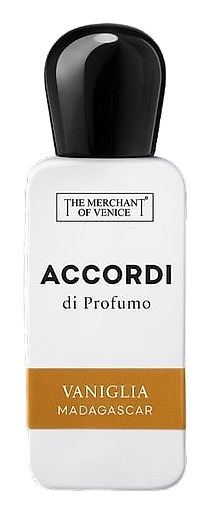
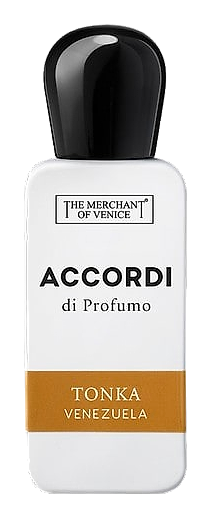
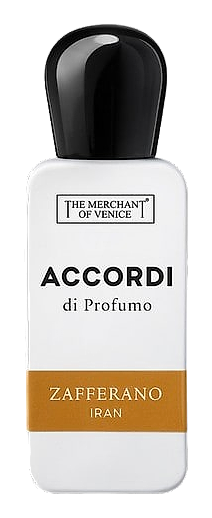
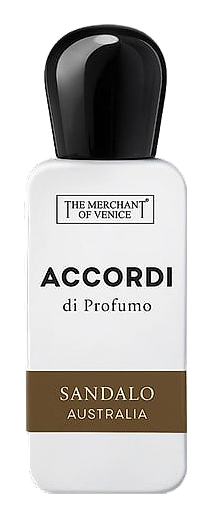
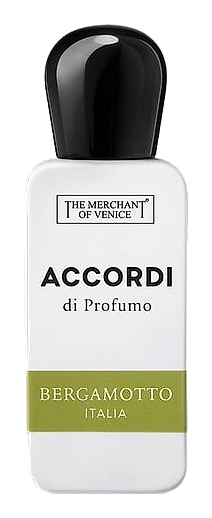
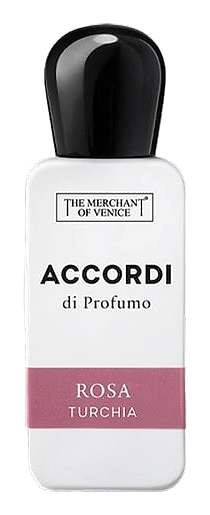
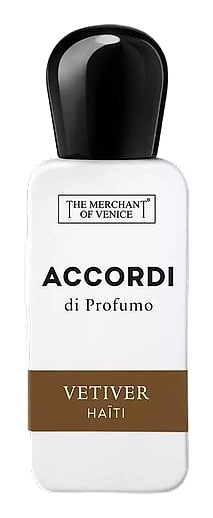
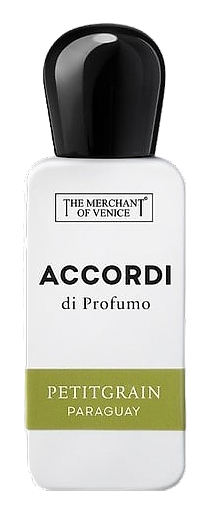

The Heritage
The Story of The Merchant of Venice
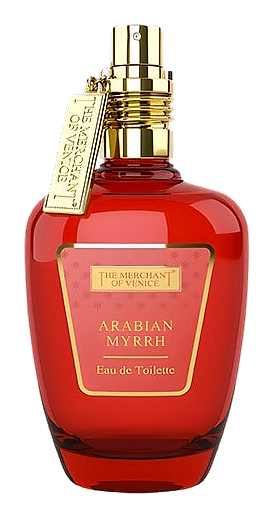
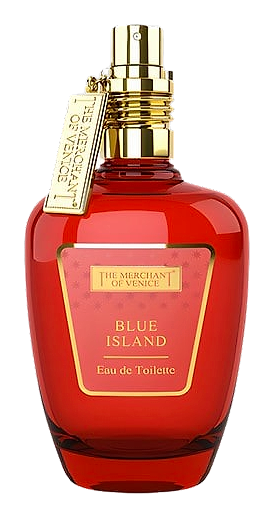
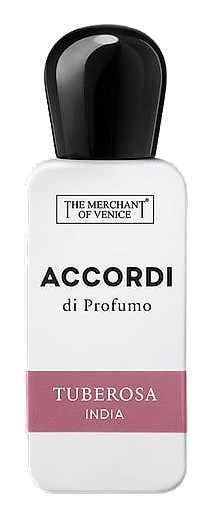
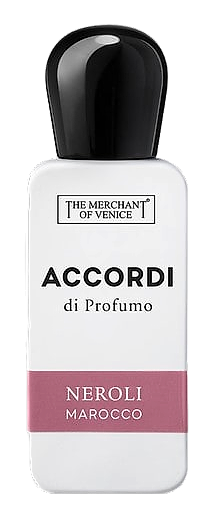
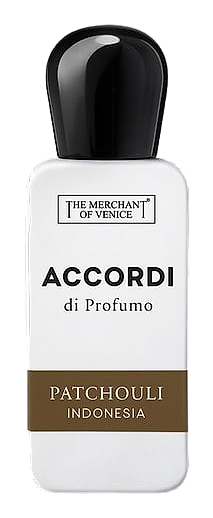
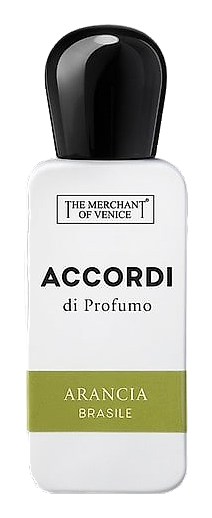
The Merchant of Venice translates the city’s centuries‑old perfume trade into contemporary scent collections. Founded in 2013 by the Vidal family, the house operates from a workshop overlooking the Grand Canal. Each fragrance references a facet of Venetian life – from the spice‑laden markets of the Rialto to the quiet canals at dusk. The line balances natural absolutes with modern accords, offering both men’s and women’s editions that feel rooted in history yet wearable today. Notable releases include Oud Illusion (2017), a smoky tribute to the city’s glass furnaces, and Neroli Marocco (2022), a bright nod to the Mediterranean trade routes that once fed Venice’s markets.
Heritage
The Vidal family traces its perfume lineage to the 19th‑century workshops that supplied aristocratic households along the Adriatic coast. In 2013 the family launched The Merchant of Venice as a revival of that heritage, choosing the historic city as both inspiration and address. The brand’s first studio opened on a narrow calle near the Campo San Polo, allowing the founders to work amid the same canals that once carried exotic spices from the East. In 2014 the house secured an exclusive appointment with the Palazzo Mocenigo Museum and Study Centre for the History of Perfume, becoming the sole fragrance collection authorized to represent the museum’s archives. This partnership gave the brand access to centuries‑old recipes preserved in the museum’s vaults, which informed early releases such as Secret Rose (2015) and Arabesque (2015). The following years saw a steady rollout of scent families that echo Venice’s multicultural past: Ardent Oud (2015) referenced the city’s historic trade in Middle‑Eastern resins, while Venezia Essenza Pour Homme (2017) captured the crisp aroma of lagoon breezes. In 2021 the brand introduced Vinegia 21, a limited edition that celebrated the city’s 1500th anniversary of documented perfume production. Throughout its first decade the house has remained a family‑run operation, with Marco Vidal serving as creative director and guiding each launch through a blend of archival research and modern olfactory technique. The brand’s growth has been marked by collaborations with local artisans, participation in international niche‑fragrance fairs, and a continued presence in Venice’s cultural events, reinforcing its identity as a living bridge between past and present.
Craftsmanship
Production takes place in a modest atelier that combines historic Venetian tools with contemporary laboratory equipment. Raw materials arrive from established farms in Grasse, the Val d’Orcia, and the Sultanate of Oman, where the brand works directly with growers to ensure traceability. Each batch is hand‑blended by a small team of perfumers who follow a documented protocol derived from the museum’s archival notes. Natural absolutes such as rose de Mai, neroli, and agarwood are macerated in high‑grade ethanol for periods ranging from three weeks to six months, depending on the desired depth. After maceration, the mixtures are filtered through stainless steel mesh and transferred to crystal vessels for a brief resting phase that allows volatile notes to settle. Quality control includes gas‑chromatography analysis to verify the concentration of key aroma compounds, and a sensory panel evaluates each batch for consistency with the original brief. Bottles are filled in a temperature‑controlled environment to prevent premature evaporation. The brand sources Murano glass from a family‑run workshop that recycles discarded glass cullet, reducing waste while preserving the luminous quality associated with Venetian craftsmanship. Labels are printed on hand‑pressed paper that mimics the texture of historic trade documents, and each box is sealed with a wax stamp bearing the merchant’s emblem. No animal testing is performed at any stage, and the company adheres to EU cosmetic regulations, ensuring that every product meets both safety and ethical standards.
Design Language
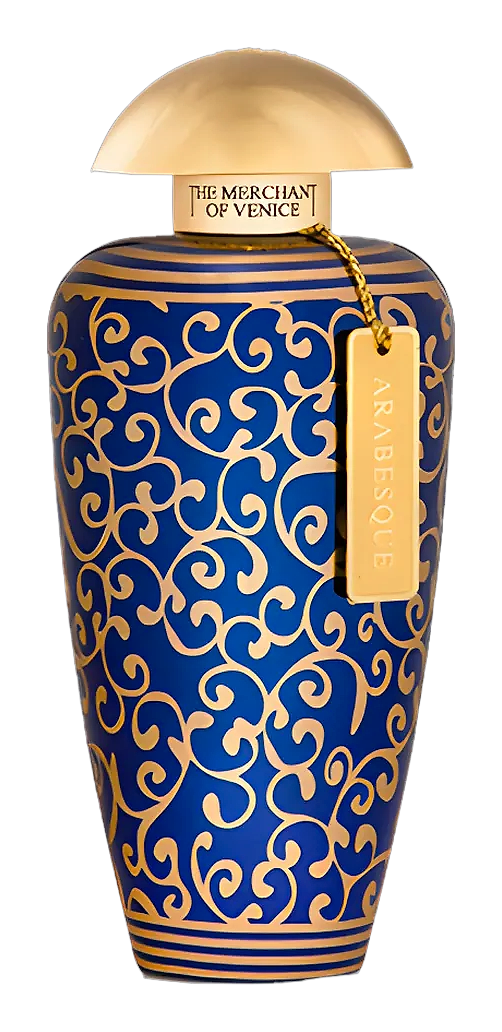
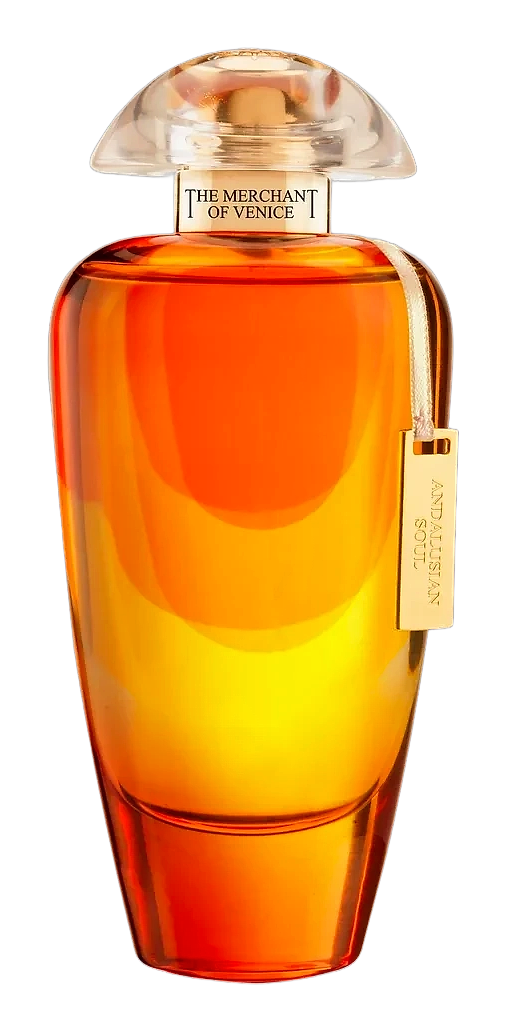
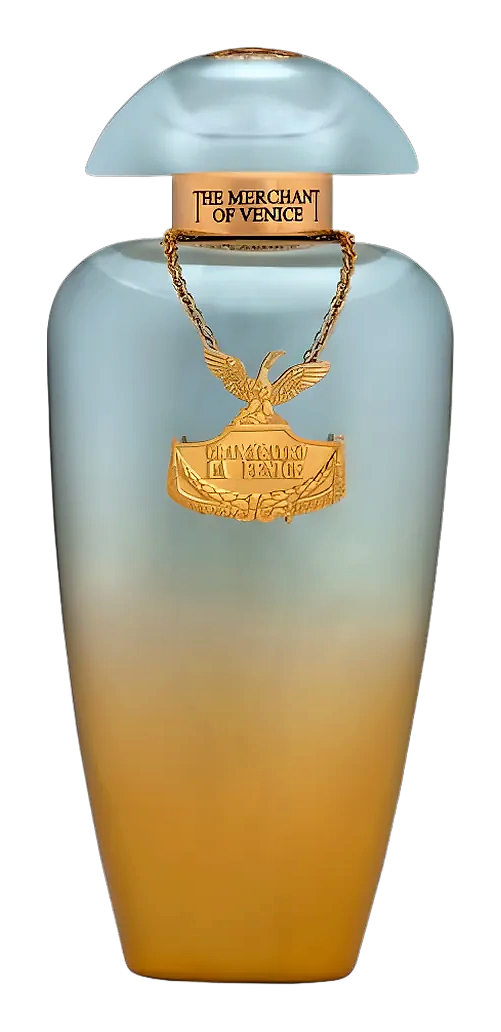
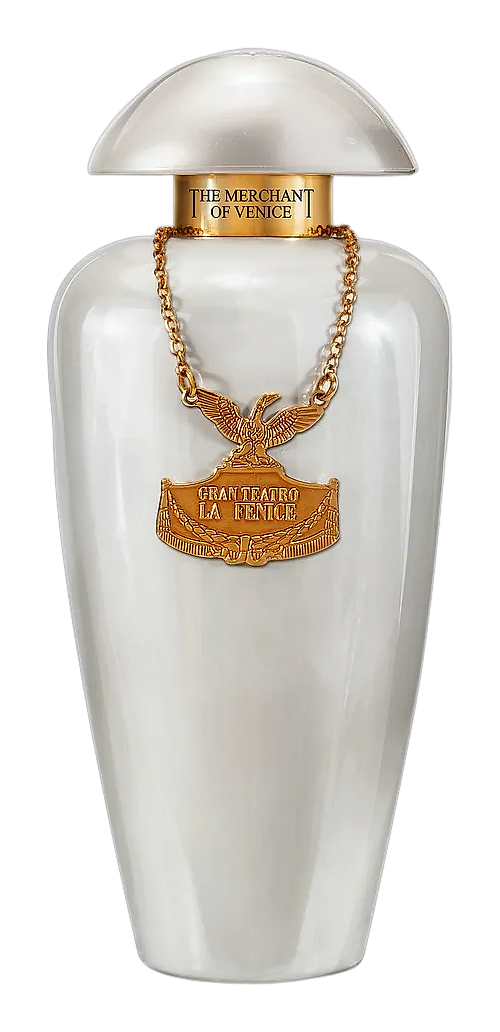
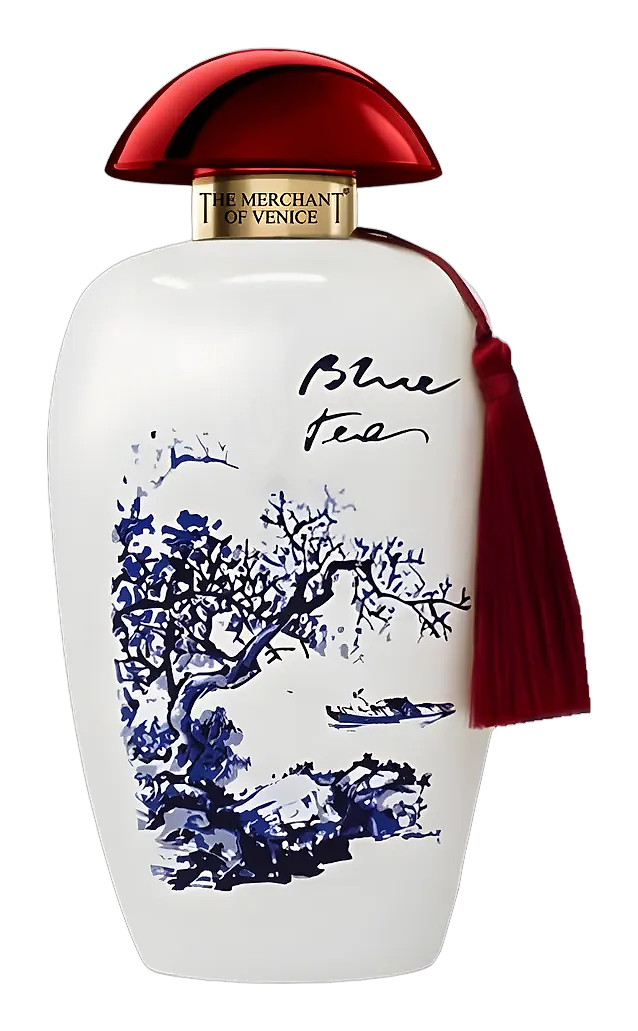
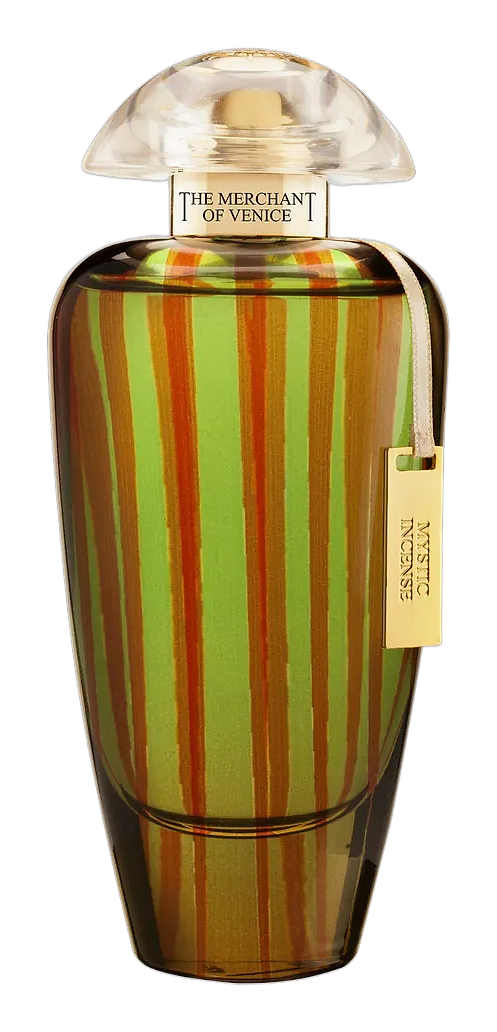
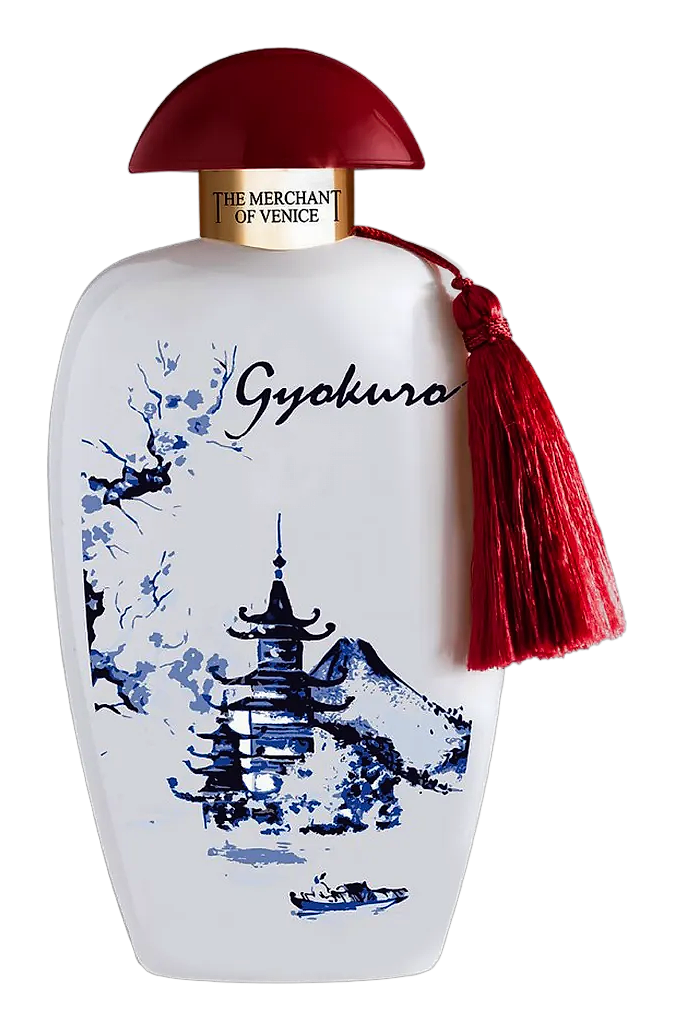
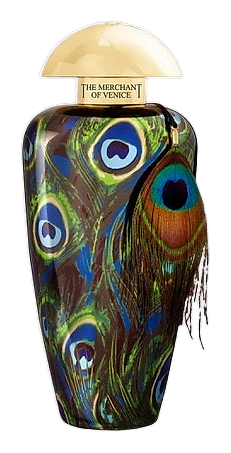
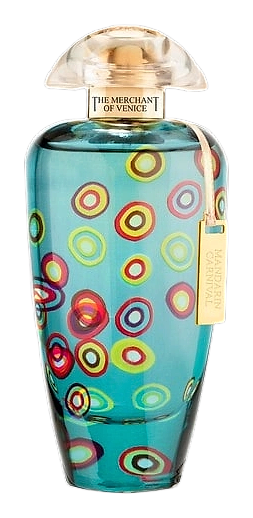
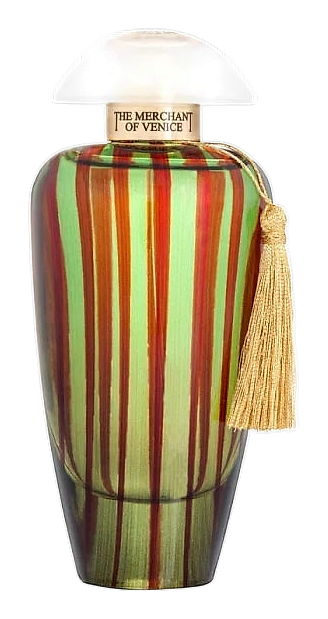
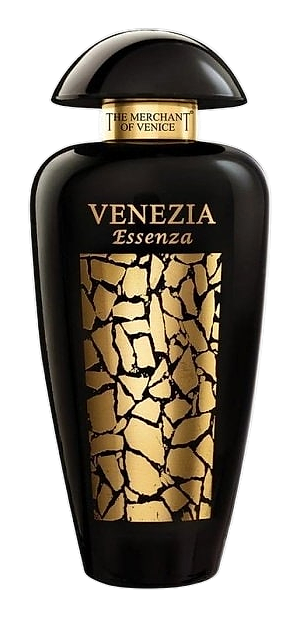
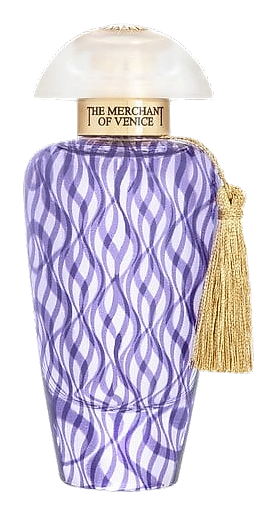
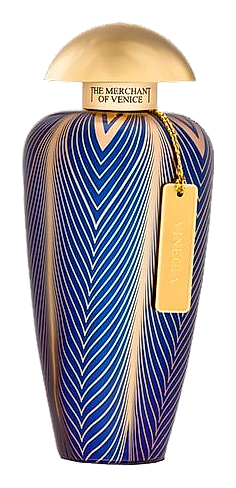
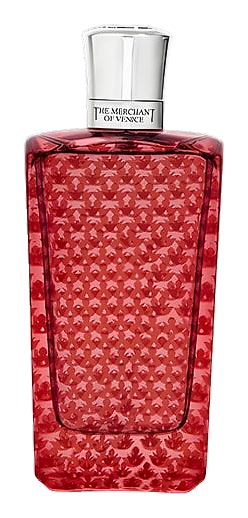
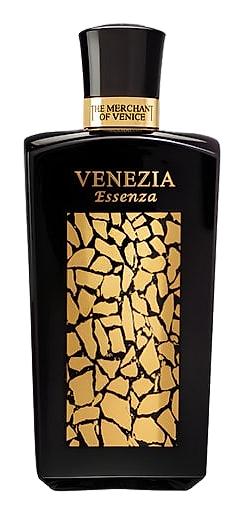
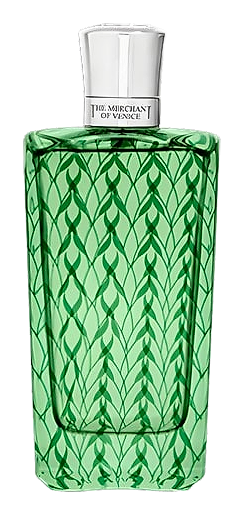
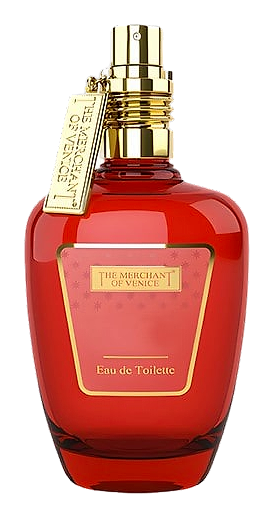
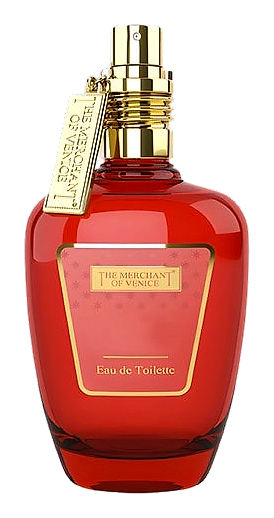
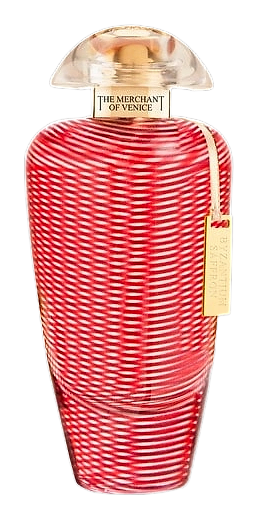
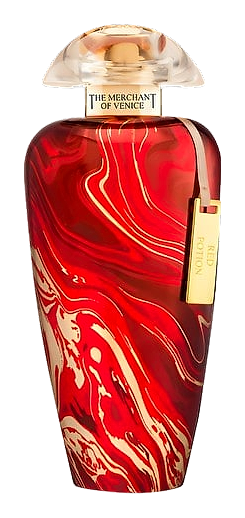
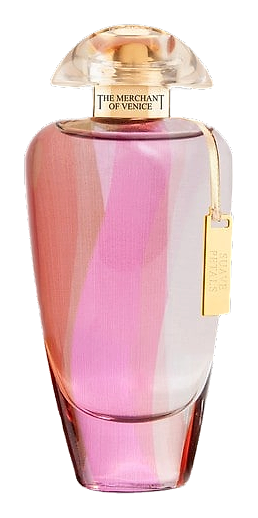
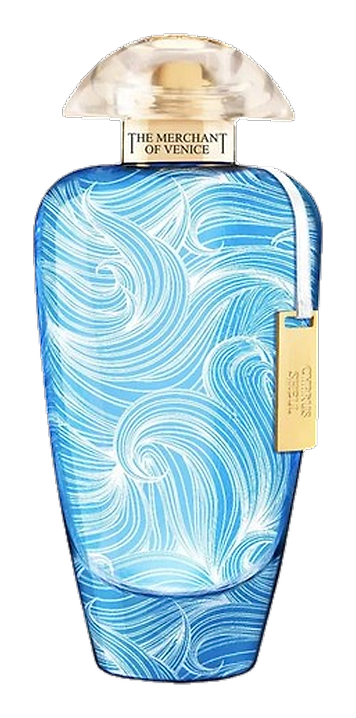
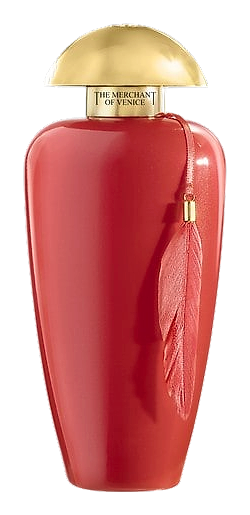
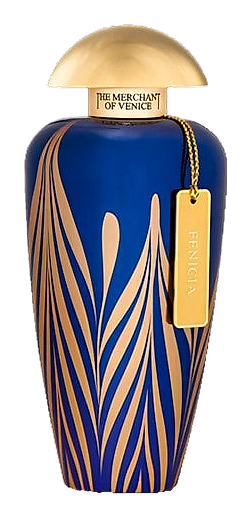
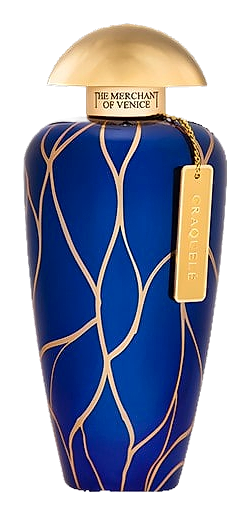
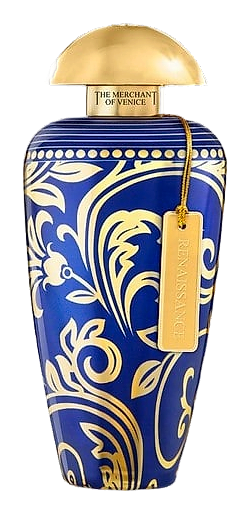
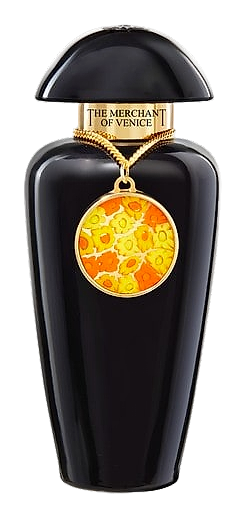
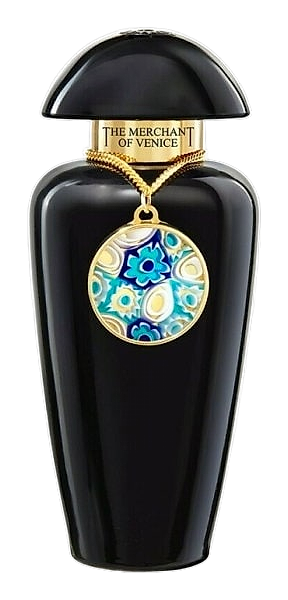
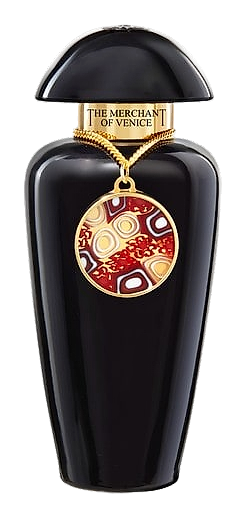
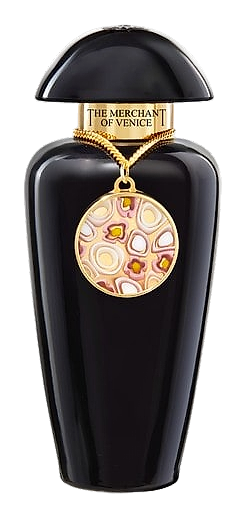
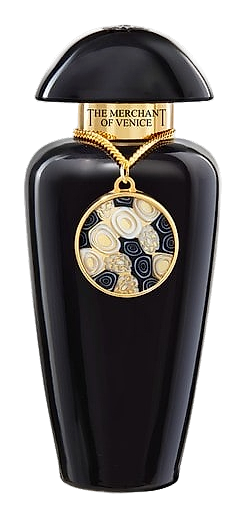
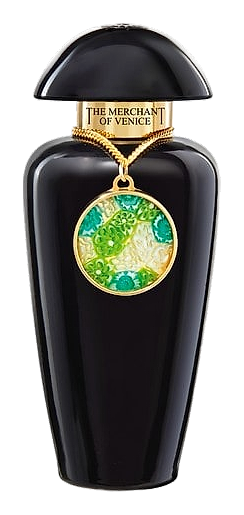
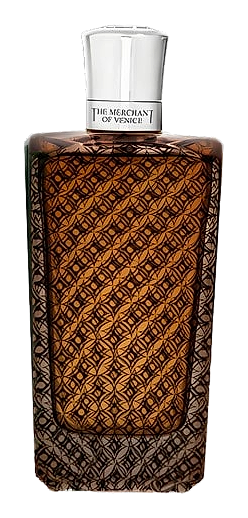
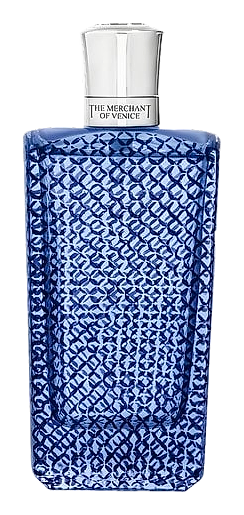
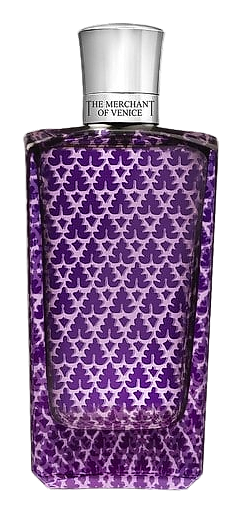
Visual identity draws directly from Venice’s architectural and artistic motifs. The logo features a stylized silhouette of a merchant carrying a satchel, rendered in a simple line that echoes the city’s canal maps. Bottle shapes are slender and elongated, reminiscent of the glassware produced on Murano Island. The glass is often tinted in muted blues, amber, or smoky greys, colors that reference the lagoon’s shifting light. Caps are crafted from brushed brass with a subtle engraving of the Rialto Bridge, providing a tactile link to the city’s iconic skyline. Packaging employs hand‑pressed paper that bears faint watermarks similar to those found on historic Venetian ledgers, and the typography uses a serif typeface inspired by 16th‑century printing presses. Each fragrance’s name appears in gold foil, positioned to balance the overall composition without overwhelming the design. The brand’s retail displays in Venice incorporate reclaimed wood and wrought‑iron fixtures, creating an atmosphere that feels both antique and contemporary. Marketing imagery often places the bottles against backdrops of narrow alleyways, gondola‑filled canals, or the interior of the Palazzo Mocenigo, reinforcing the narrative that each scent is a portal to a specific Venetian scene.
Philosophy
The Merchant of Venice builds each fragrance as a narrative chapter, inviting the wearer to travel through the city’s layered history. The brand believes that scent can preserve memory, so it treats archival formulas as living documents rather than static relics. Sustainability guides ingredient selection; the house favors suppliers who practice responsible cultivation of agarwood, citrus, and florals, and it avoids animal‑derived fixatives. Transparency is a core value, with each launch accompanied by a brief that cites the historical moment or locale that inspired the composition. The creative process starts with a research brief that outlines a specific Venetian reference – a market, a festival, a bridge – and then translates that image into a scent palette. The team balances respect for tradition with a willingness to experiment, allowing modern techniques such as micro‑encapsulation to enhance longevity without compromising the natural character of the raw materials. Community involvement also shapes the brand’s outlook; the Vidal family supports local heritage projects, and a portion of each bottle’s proceeds funds the preservation of historic perfume manuscripts housed in the Palazzo Mocenigo. By intertwining storytelling, ethical sourcing, and cultural stewardship, the house aims to keep Venice’s fragrant legacy alive for future generations.
Key Milestones
2013
The Vidal family launches The Merchant of Venice in a workshop near Campo San Polo.
2014
Appointed as the exclusive fragrance collection for the Palazzo Mocenigo Museum and Study Centre for the History of Perfume.
2015
Release of Ardent Oud and Secret Rose, early scents that reference Venice’s spice trade and historic gardens.
2017
Launch of Oud Illusion and Venezia Essenza Pour Homme, celebrating the city’s glass furnaces and lagoon breezes.
2021
Vinegia 21 limited edition introduced to mark Venice’s 1500th anniversary of documented perfume production.
2022
Neroli Marocco debuts, highlighting the Mediterranean trade routes that once supplied the Republic with citrus.
At a Glance
Brand profile snapshot
Origin
Italy
Founded
2013
Heritage
13
Years active
Collection
4
Fragrances released
Avg Rating
4.2
Community sentiment
Release Rhythm


