Tuberose
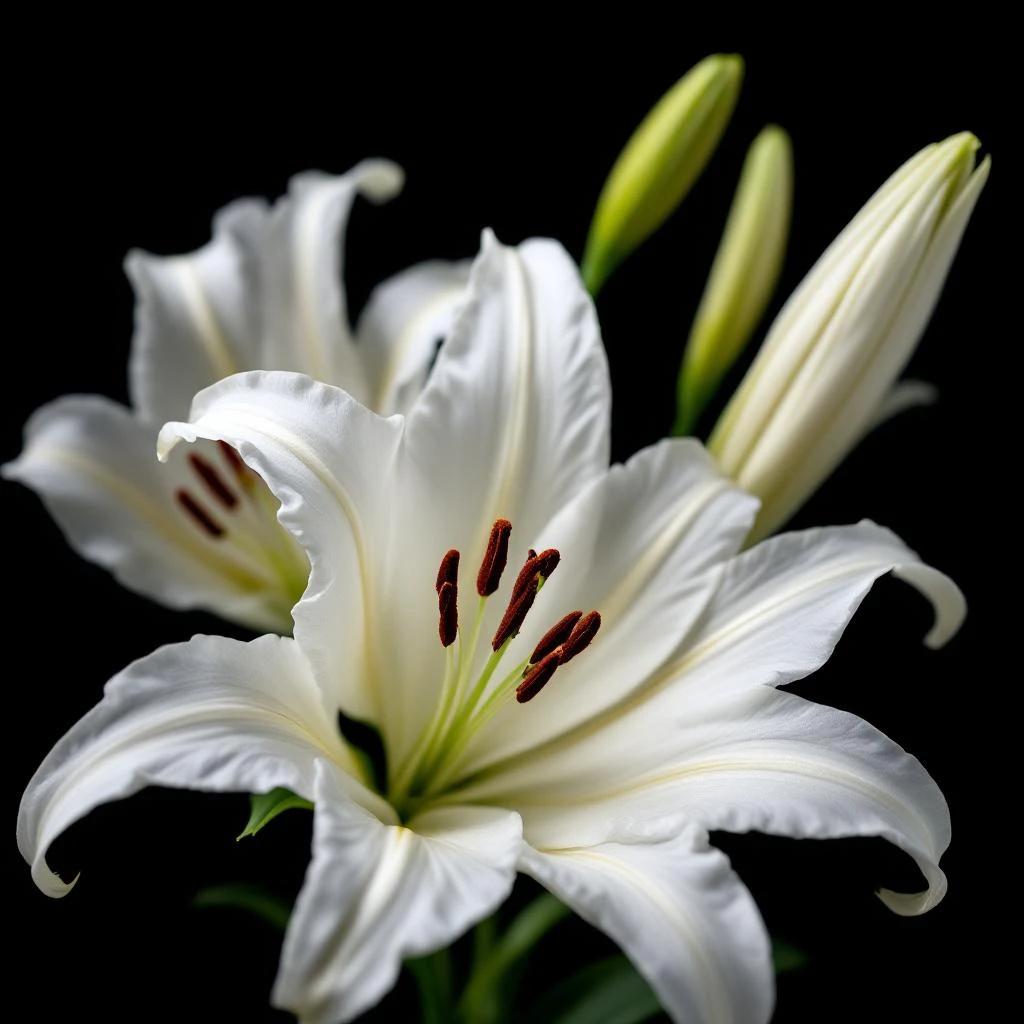
Tuberose blooms only after dark, releasing an intoxicating scent that once got it banned from Renaissance gardens for being too sensual. Today it remains one of the most coveted white florals in perfumery.
Character
How it smells
The night queen of white florals.
Indian brides traditionally weave tuberose garlands into their hair, believing the flower's intense fragrance carries prayers heavenward.








Origin
Mexico
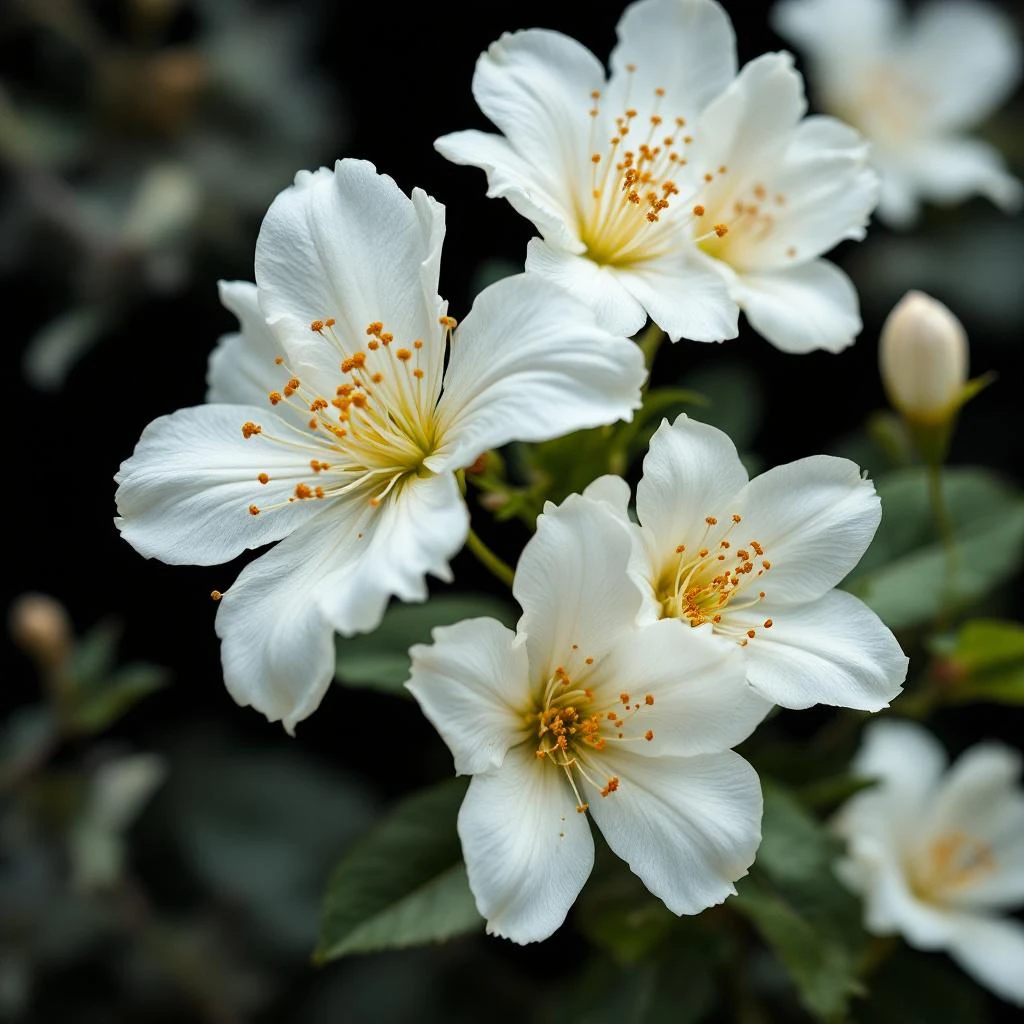
Tuberose hails from Mexico, where the Aztecs prized its intoxicating fragrance so highly they used the essential oil to scent chocolate. Spanish conquistadors brought the bulbs to Europe during the 16th century conquest.
The flower caused immediate scandal in Renaissance France, where authorities in some regions actually banned it from gardens on account of its allegedly arousing properties. Grasse became the center of European tuberose cultivation in the 1600s, with local perfumers developing the elaborate enfleurage process to extract its precious scent.
Indian traditions took the flower in a different direction entirely, weaving the blossoms into bridal garlands as sacred offerings. The flower earned its reputation as a night-bloomer precisely because its powerful fragrance attracts pollinators active after sunset.
Wears it best
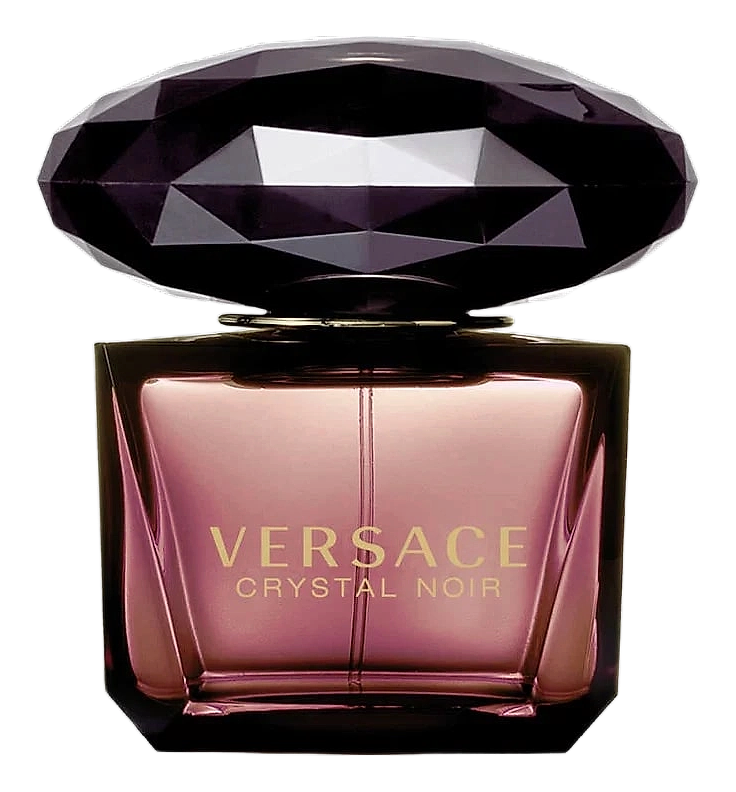
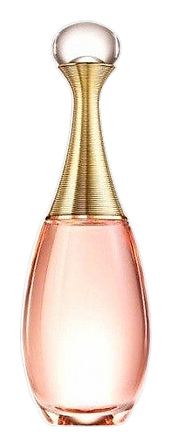
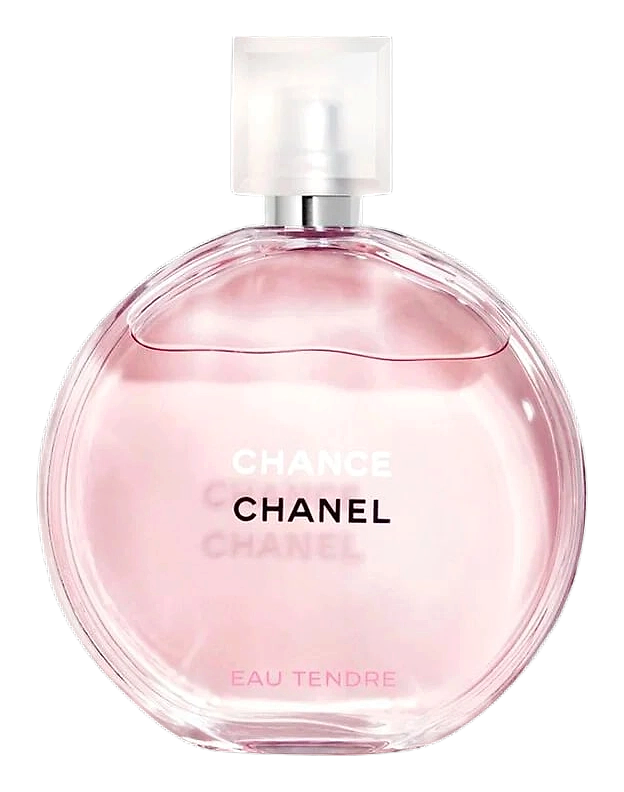
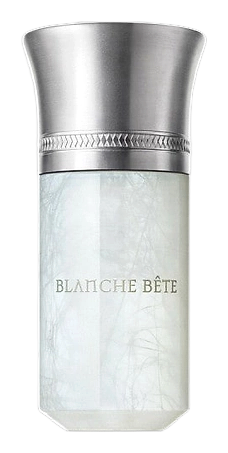
Fragrances featuring Tuberose



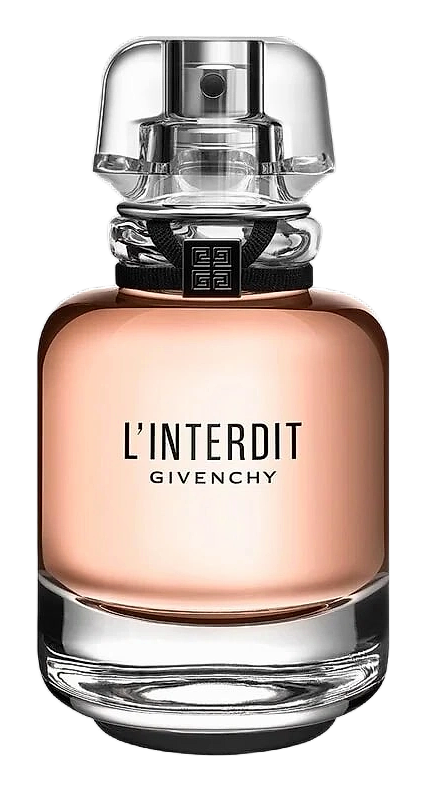


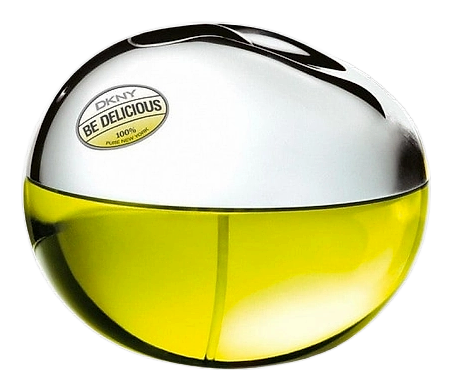
Brands
Brands known for Tuberose
Good to know
Questions, answered
The essentials on Tuberose in perfumery: how it smells, where it comes from, and how it behaves on skin.
What does tuberose smell like in perfume?
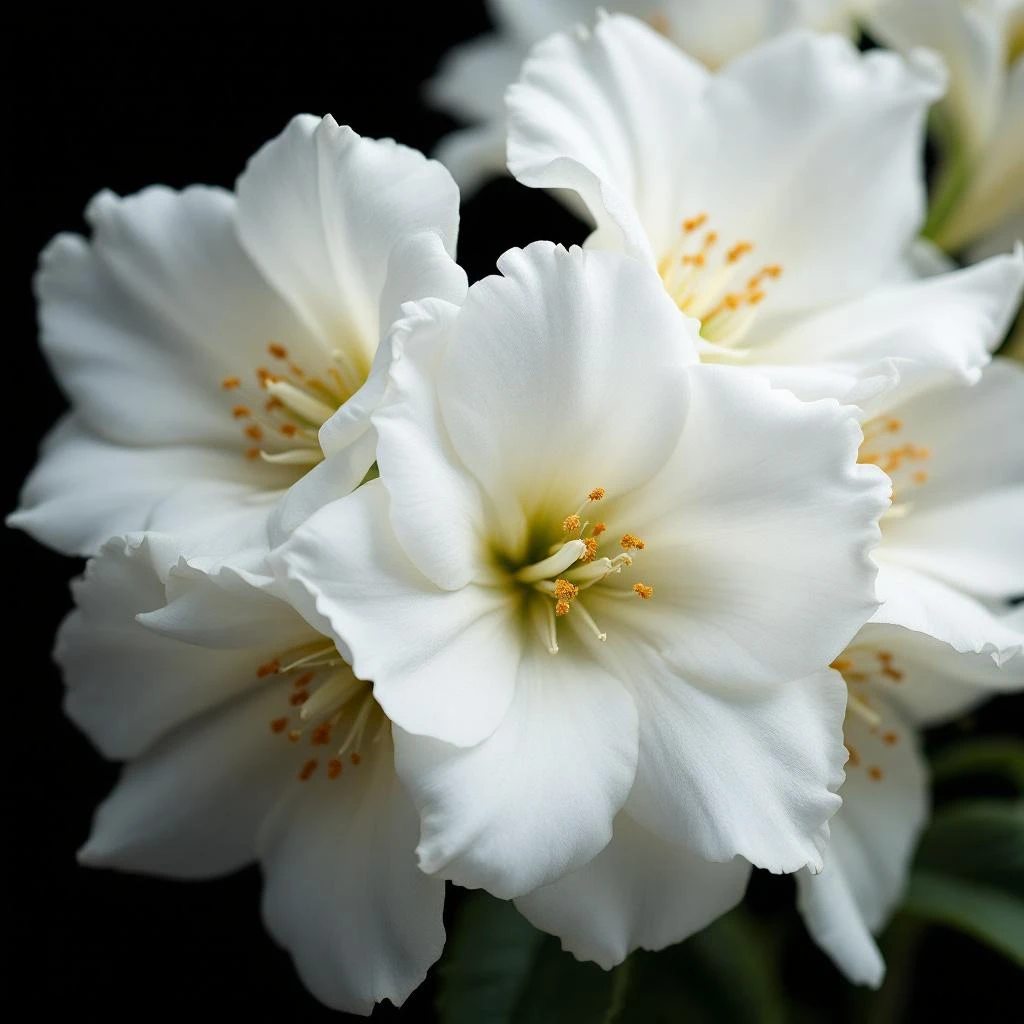
Tuberose delivers an intensely creamy, rich white floral scent. The fragrance combines sweet, milky notes with green undertones and a subtle citrus lift. It reads as both lush and slightly narcotic, adding depth without lightness.
Why is tuberose so expensive?
Tuberose absolute requires roughly one ton of hand-picked flowers to produce one kilogram of finished product. Harvesting must occur at dawn when blossoms open, and processing begins within hours. The labor intensity alone drives the cost.
Where does most commercial tuberose come from?
India leads global tuberose production, cultivating the flower across the southern states for both essential oils and cut flower markets. The Indian variety is prized for its particularly rich, creamy scent profile.
What gives tuberose its characteristic creamy smell?
Lactones, a class of aromatic compounds present in high concentrations in tuberose, create the signature creamy, almost buttery quality. These same compounds appear in coconut and peach, explaining tuberose's occasionally tropical character.
Do perfumers use natural or synthetic tuberose?
Both exist. Natural tuberose absolute captures a complexity that synthetics still struggle to match. However, synthetics like trans-2-hexenal provide cost-effective alternatives for mass-market fragrances.
How is tuberose harvested for perfume?
Workers harvest tuberose by hand at dawn, picking only fully open blossoms. The timing matters because the flowers begin releasing their scent when they open and the aromatic compounds degrade quickly once picked.
What fragrance families pair well with tuberose?
Tuberose works as a signature note in white floral compositions and blends naturally with jasmine, gardenia, and ylang-ylang. It also anchors tropical fragrances and adds warmth to oriental bases.
Is tuberose sustainable to produce?
Modern producers increasingly emphasize ethical sourcing and fair labor practices given the intensive hand-harvesting requirements. Some farms now focus on organic cultivation to meet growing demand for sustainably produced absolutes.