Gyokuro
A premium shade-grown Japanese green tea distilled into a sweet, deep, umami-rich fragrance note that captures the essence of Japan's most revered tea.
Character
How it smells
Japan's most coveted tea, reimagined as a fragrance note.
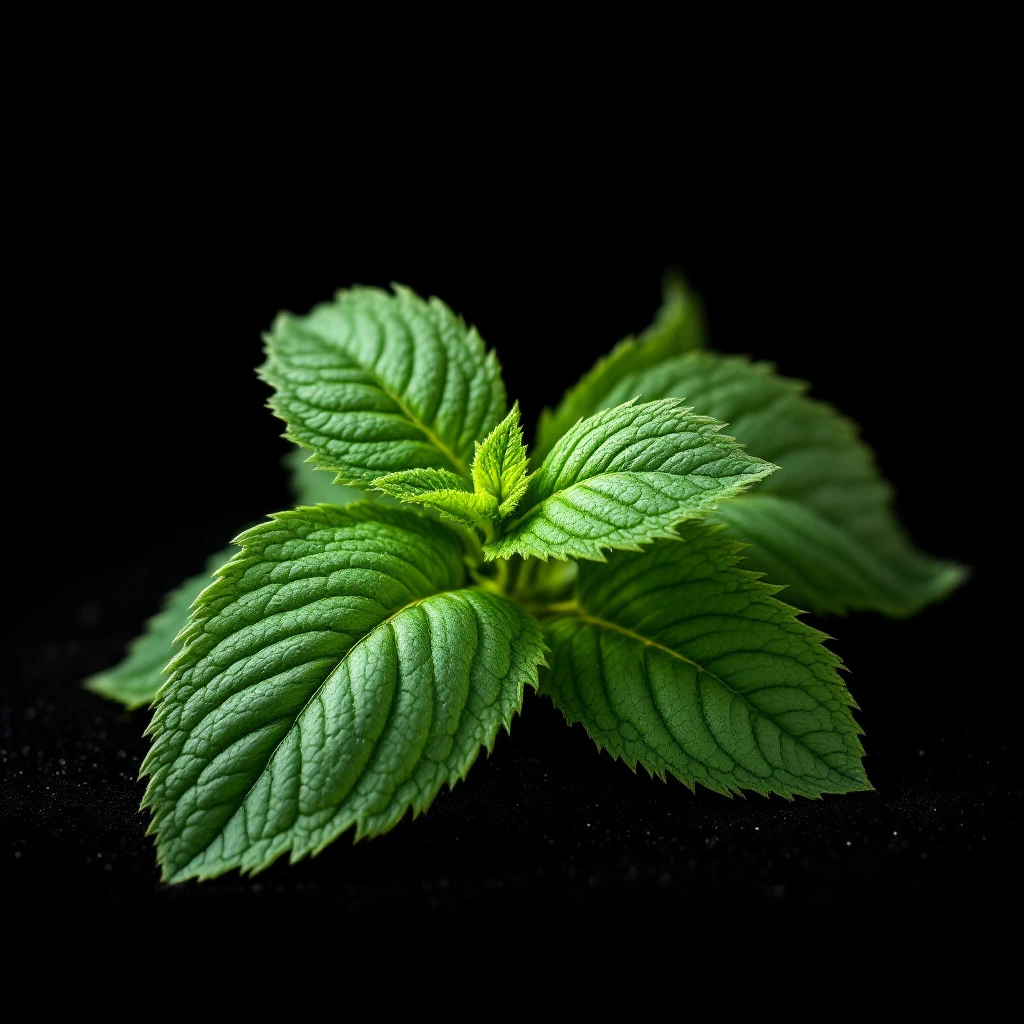
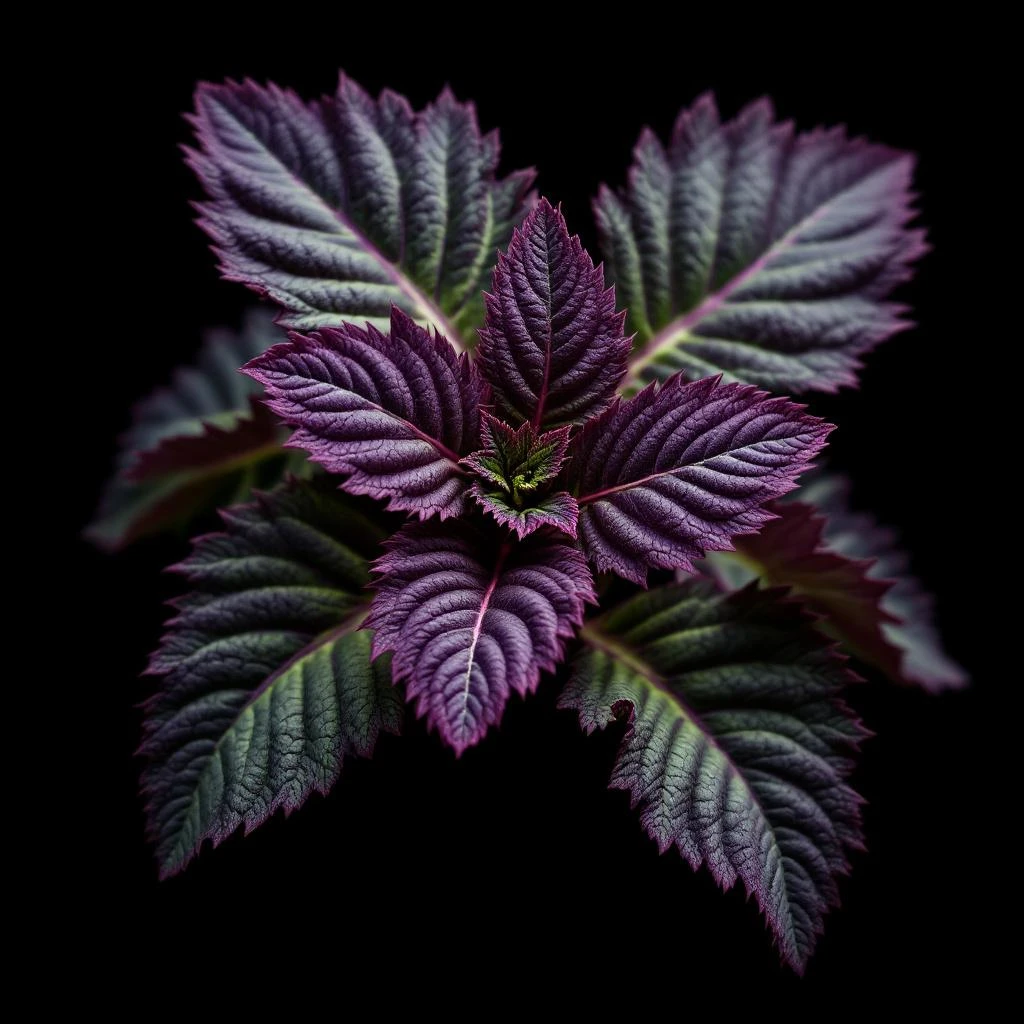
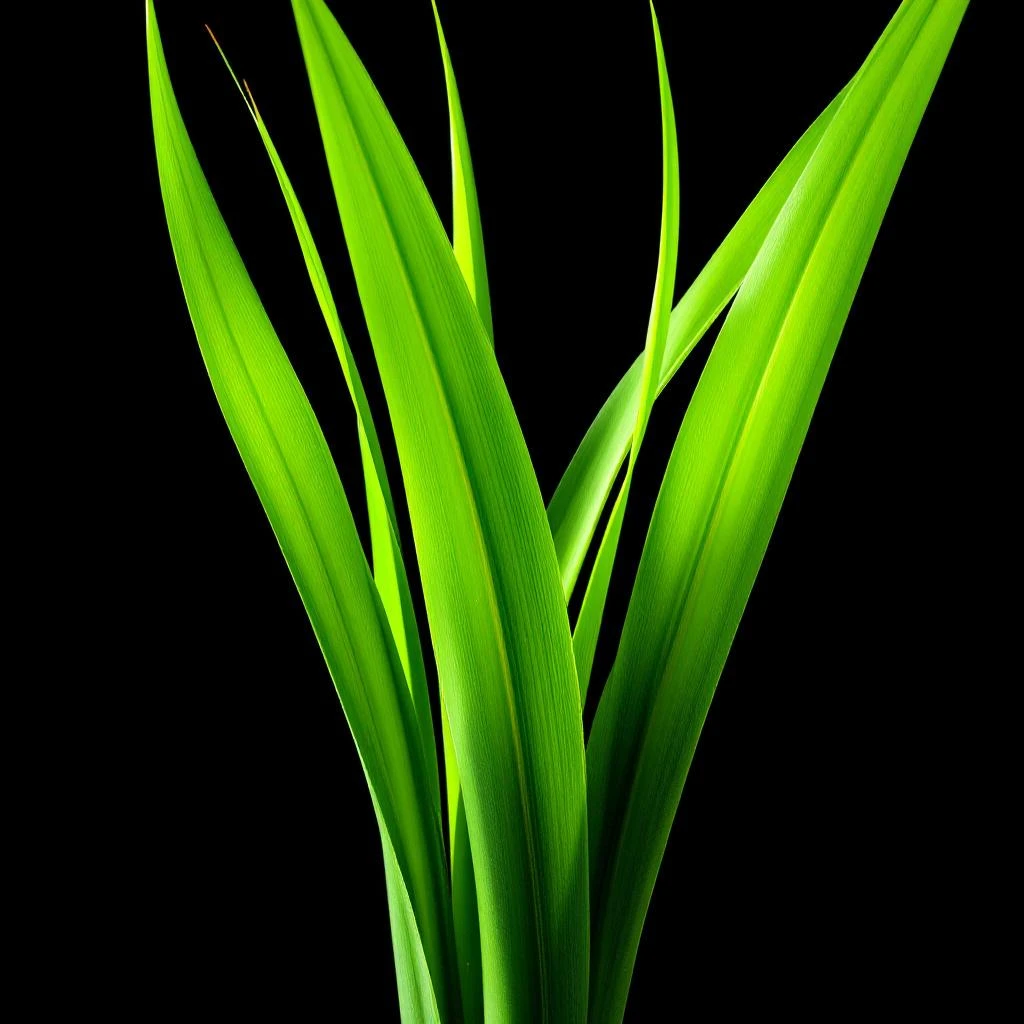
Gyokuro plants grow under shade covers for 20+ days before harvest, producing up to 100 times more L-theanine amino acids than unshaded tea.



Origin
Japan
Gyokuro originated in Uji, Kyoto Prefecture during the 1830s when tea farmers discovered that covering tea plants with reed screens before harvest dramatically enhanced their flavor. Originally called "Oyugachi," the tea earned its current name meaning "jewel dew" for the way shaded leaves glistened like precious drops. Japanese nobility cherished gyokuro as a luxury reserved for the imperial court and shogunate, and it remains Japan's most expensive and coveted tea.
The tea's emergence coincided with Kyoto's golden age as a cultural center, where the refined ceremony of gyokuro preparation became intertwined with Japanese aesthetics. In contemporary perfumery, gyokuro represents the sophisticated intersection of Japanese culinary tradition and Western fragrance artistry, capturing the contemplative spirit of chanoyu (tea ceremony) in liquid form.
Wears it best
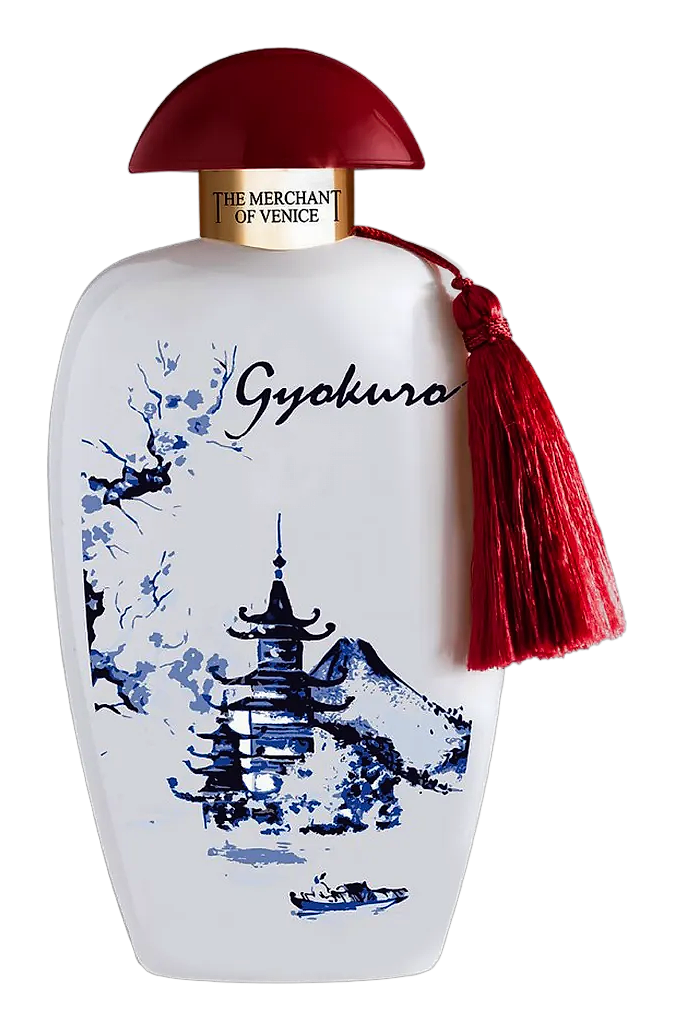
Fragrances featuring Gyokuro
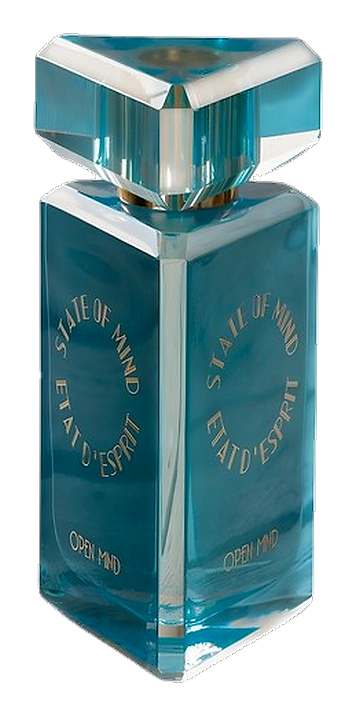
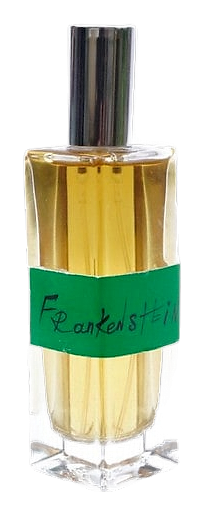
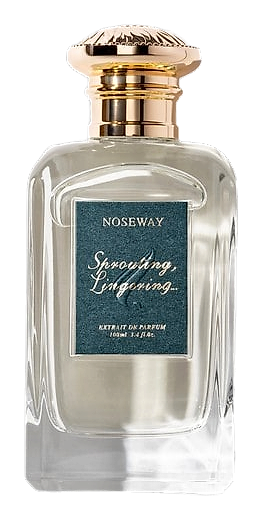
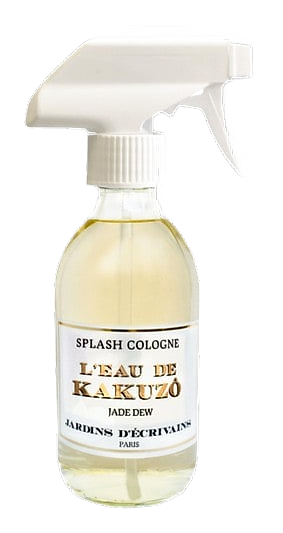
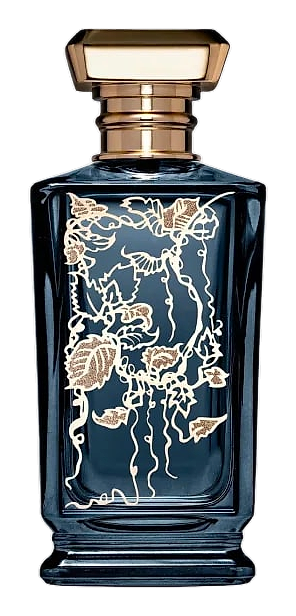
Brands
Brands known for Gyokuro
Good to know
Questions, answered
The essentials on Gyokuro in perfumery: how it smells, where it comes from, and how it behaves on skin.
What does gyokuro smell like in perfume?
Gyokuro in fragrance offers a sweet, deep green aroma with pronounced umami character and subtle marine undertones. It reads as cleaner and more refined than standard green tea, with a distinctive creamy depth.
Is gyokuro natural or synthetic in fragrances?
Most gyokuro fragrance notes are accord-based, combining natural tea extracts like CO2 with synthetic aromachemicals to replicate the complex sweet and umami profile of shade-grown Japanese tea.
Where does gyokuro tea originate?
Gyokuro originated in Uji, Kyoto Prefecture, Japan in the 1830s when farmers discovered shading tea plants enhanced flavor. The region remains Japan's most prestigious tea-growing area.
How does shading affect gyokuro's fragrance potential?
Shading tea plants for 20+ days before harvest increases chlorophyll and L-theanine content dramatically, creating the signature sweet, umami-rich character that perfumers seek to capture.
What fragrance families commonly use gyokuro?
Gyokuro appears frequently in oriental, fresh floral, and green fragrance compositions. It pairs well with marine notes, white musks, and delicate florals like jasmine and iris.
What makes gyokuro different from matcha in perfumery?
Gyokuro undergoes minimal processing to preserve its fresh character, while matcha is stone-ground into powder. In fragrance, gyokuro reads as deeper and sweeter with marine qualities; matcha tends toward brighter, more astringent green notes.
Can gyokuro be extracted for perfume using steam distillation?
Steam distillation risks degrading the delicate L-theanine and volatile compounds that define gyokuro's character. CO2 supercritical extraction or cold enfleurage better preserve its sweet, complex profile.
What cultural significance does gyokuro hold in Japan?
Gyokuro was historically reserved for Japanese nobility and the imperial court, making it a symbol of refinement and prestige. This cultural heritage contributes to its appeal as a luxury fragrance ingredient.