The Story
Why it exists.
The beginning
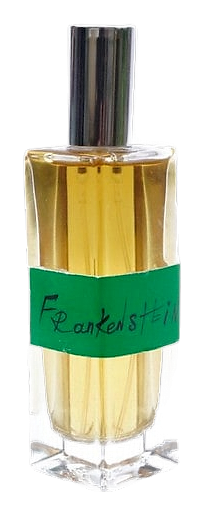
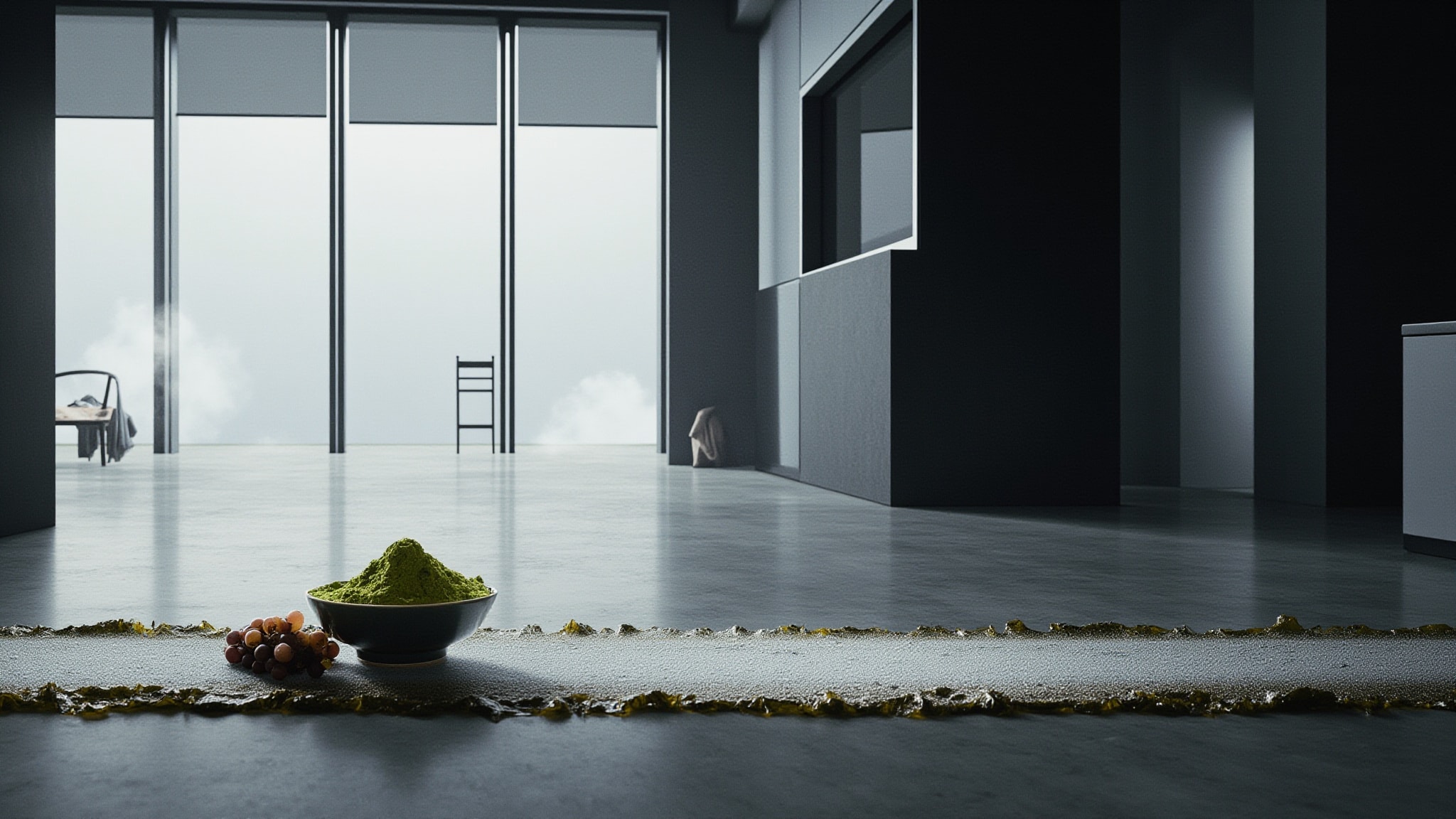
The name came first. Frankenstein, the word itself conjures assembly, creation from incompatible parts. Elisabeth Andrék built this fragrance the way its namesake suggests: take the cool green of Japanese gyokuro, add the mineral depth of seaweed pulled from cold water, thread in a whisper of grape wine, and then ask whether these things can coexist. They can. They do. The 2024 release is a quiet argument that beauty doesn't require harmony, it requires conviction.
What's striking here is the structural logic. The opening (matcha, osmanthus, green grass, rose) reads like a Japanese tea ceremony, controlled, serene. The heart (seaweed, salt, ozonic notes, moss) is an ocean break at night. The base (cedar, oud, Taiwanese cypress) is forest floor after rain. Three unrelated landscapes. One composition. The calone, a synthetic aromatic compound known for aquatic effects, does the work of a translator, smoothing the handoffs so each phase arrives without jarring. That's the engineering: not hiding the seams, but designing them to matter.
The evolution
It opens sharp and bright, matcha tea with an osmanthus cake sweetness, the grass note lending a just-cut freshness. Calone pulses through as the rose fades, introducing a marine lift that feels less like beach and more like the smell of water meeting stone. Twenty minutes in, the seaweed arrives. Not overwhelming, present. Alongside it: a quiet grape wine note, like fruit left to ferment in a cool cellar. The salt keeps everything honest. By the second hour, moss and ozonic notes hold the middle with a green-earthy persistence. Then the base asserts itself: cedar dry and warm, oud dark and slightly animalic, Taiwanese cypress adding a woodsy resin that lingers. Four hours later, on fabric, the cypress is still there, faint, clean, like wood left in a closed drawer.
Cultural impact
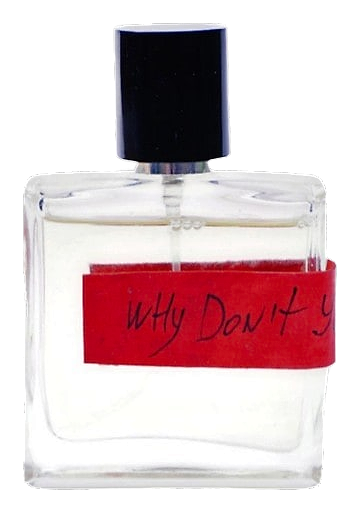
Frankenstein arrived in 2024 as part of House of Atropa's broader project: fragrances that resist easy categorization. The house has built its identity on names that read like statements rather than suggestions, Why Don't You Wear a Suit, Honey I Bought a House!, and compositions to match. This one stands apart, even within that context. The matcha-seaweed-grape wine combination has no obvious peer. It appeals to the wearer who wants fragrance to function as a question, not an answer.