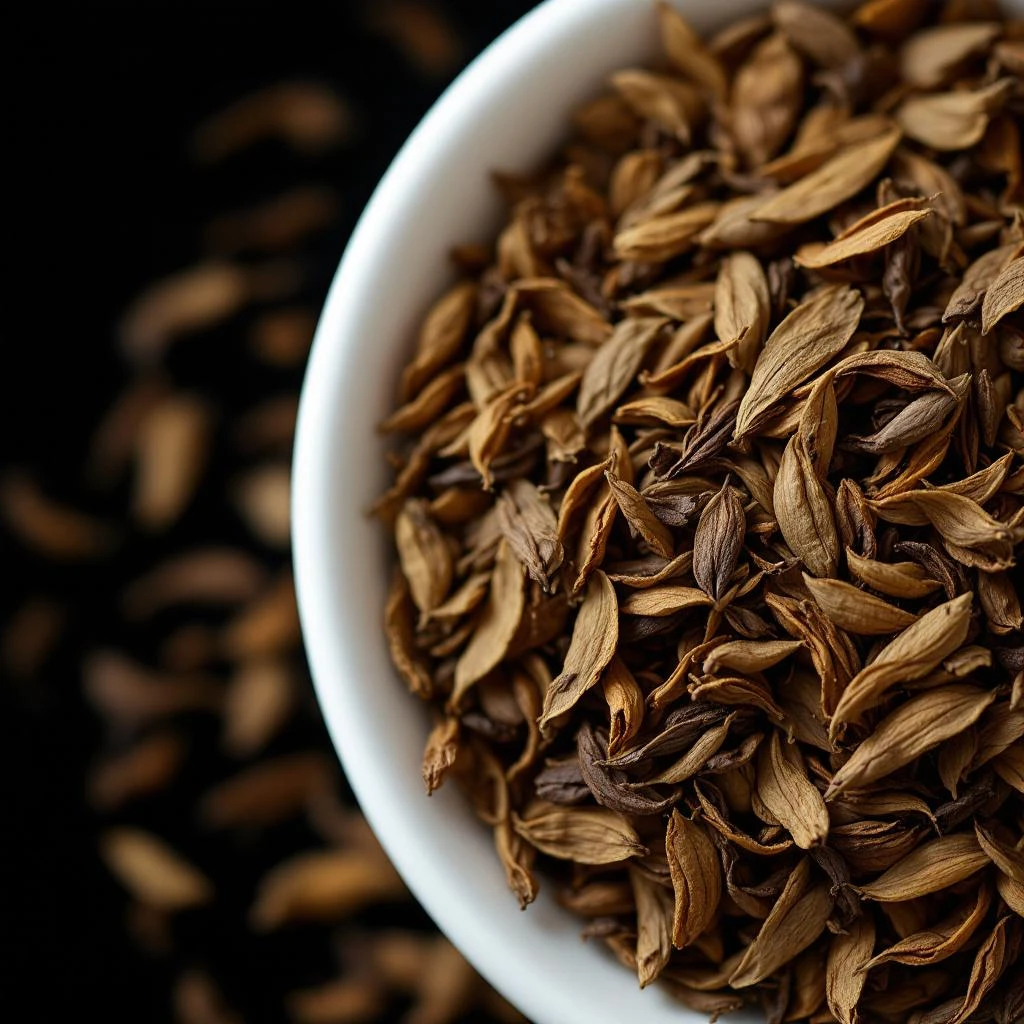
Grass
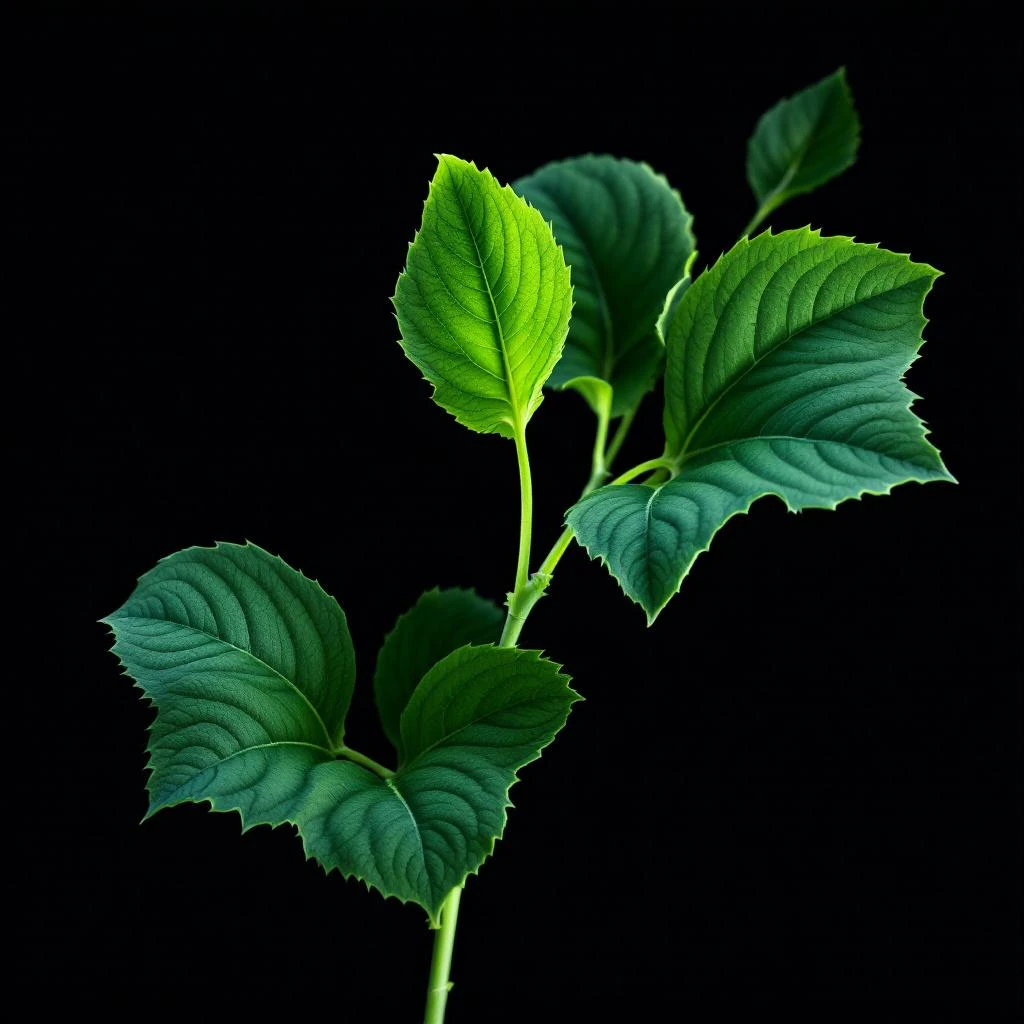
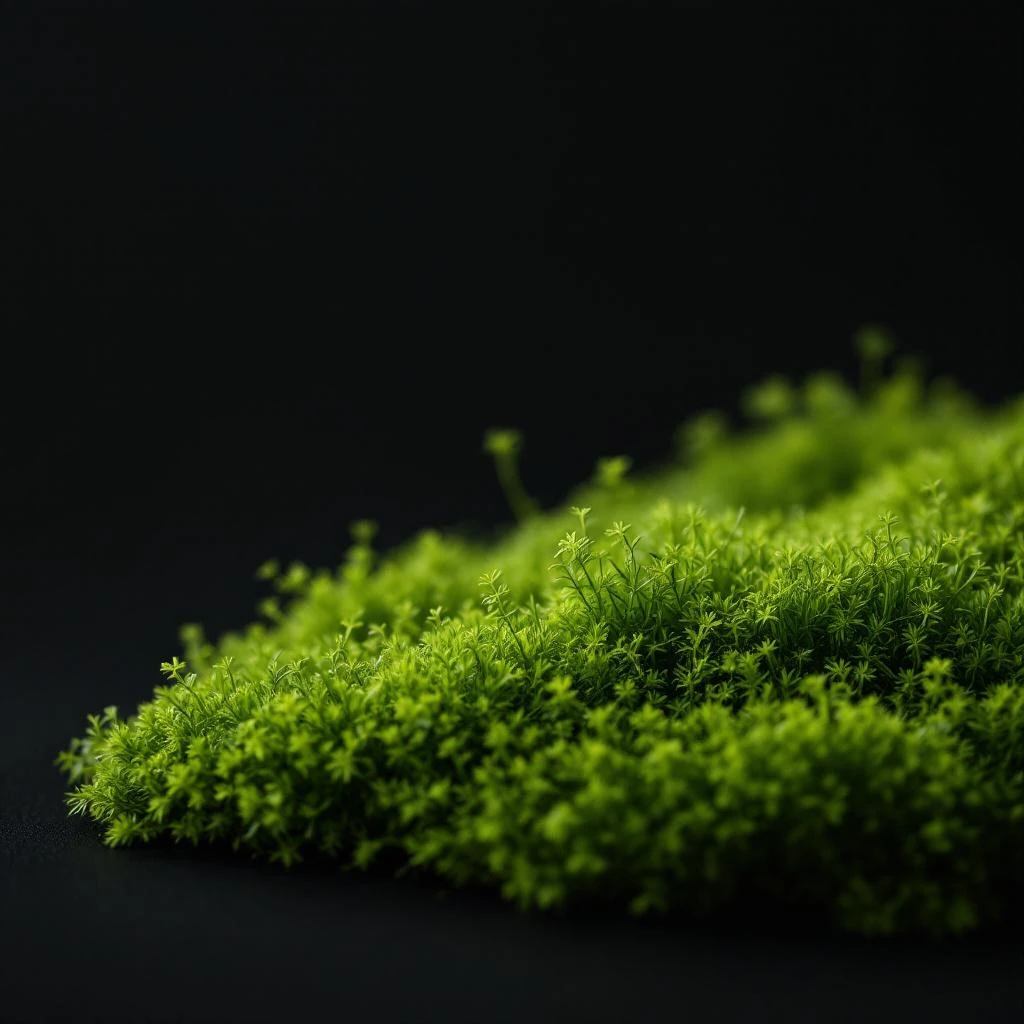
The green whisper at the heart of every summer field. Fresh-cut grass delivers a crisp, chlorophyll-rich scent that captures nature's most elemental perfume.
Character
How it smells
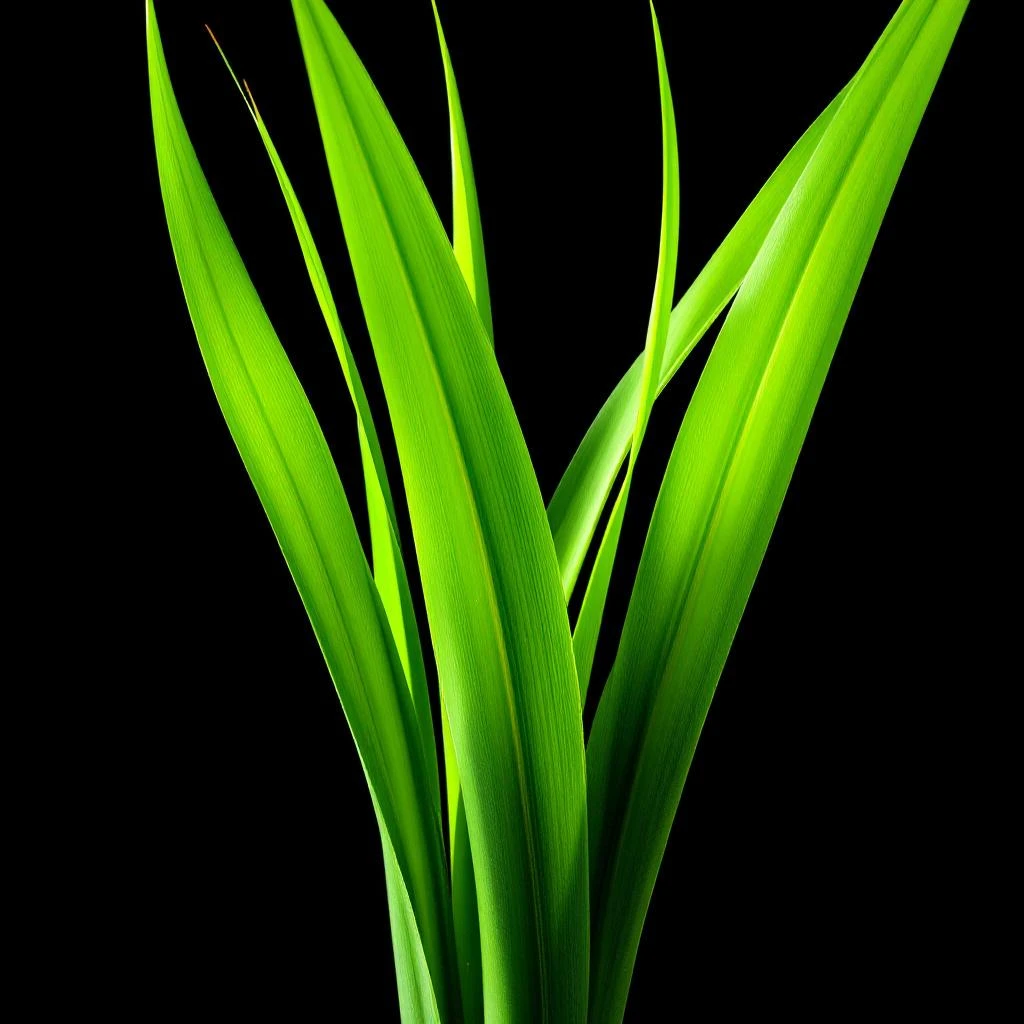
Fresh-mown mornings bottled
Fresh-cut grass releases hexenal compounds within seconds of being cut, an evolutionary distress signal the plant sends to neighboring flora.








Origin
France
While grass itself rarely appears as a named ingredient in historical perfumery, the green family of scents remained absent from fragrance palettes until the 20th century. Early modern perfumers relied on galbanum resin and violet leaf absolute to suggest vegetative freshness.
The breakthrough came in the 1970s when chemists identified the specific aldehydes released by damaged grass cells, enabling perfumers to reconstruct the scent with precision. This discovery coincided with the rise of green fragrances that captured the zeitgeist of environmental awareness.
Grasse, the historical capital of French perfumery since the 18th century, became a center for refining these green accords, blending synthetic grass molecules with traditional herbal and floral materials. Today, grass notes anchor countless fresh compositions, proving that one of nature's simplest scents required sophisticated chemistry to capture.
Wears it best
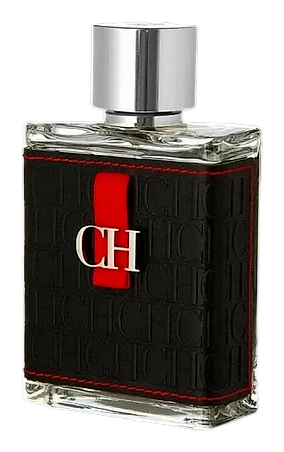
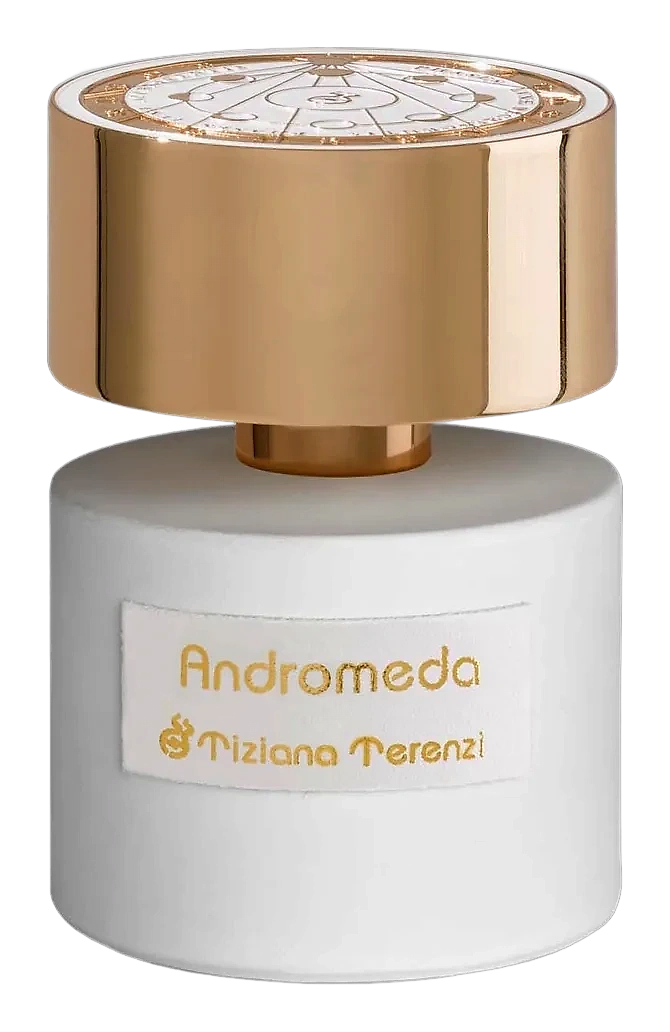
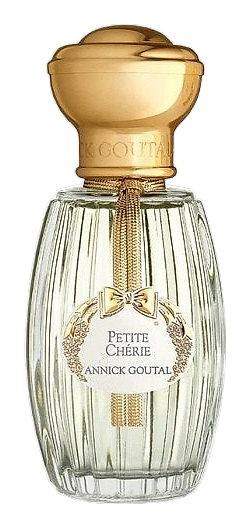
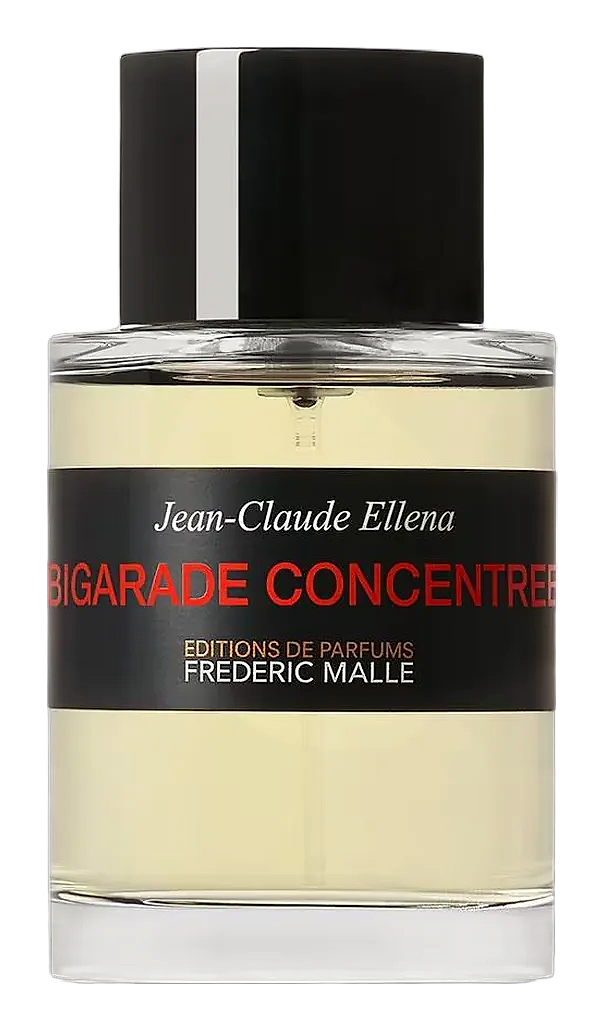
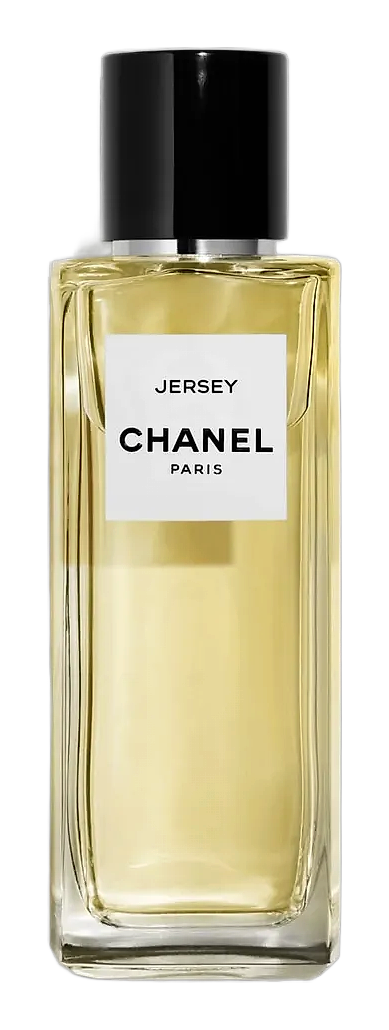
Fragrances featuring Grass


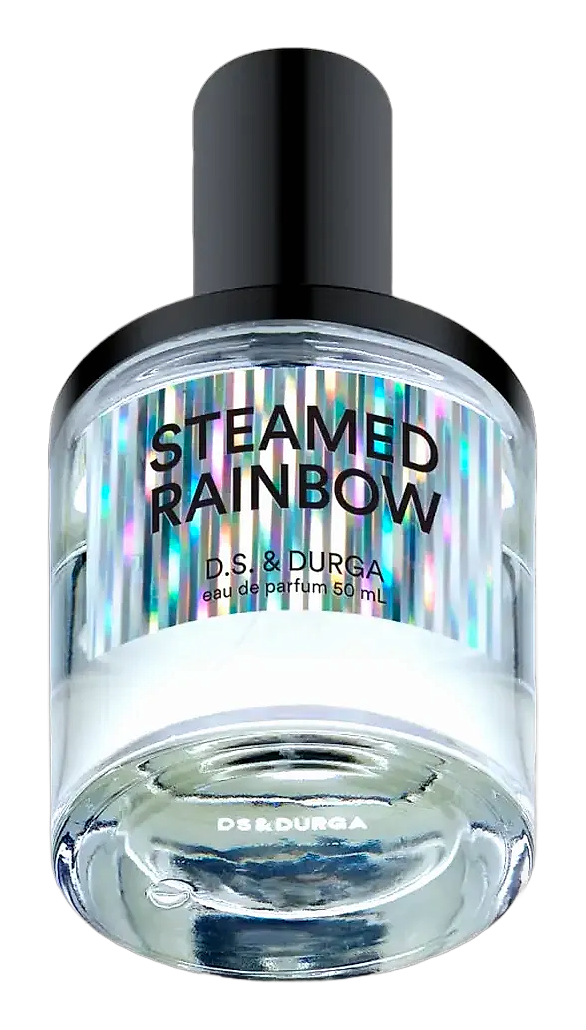
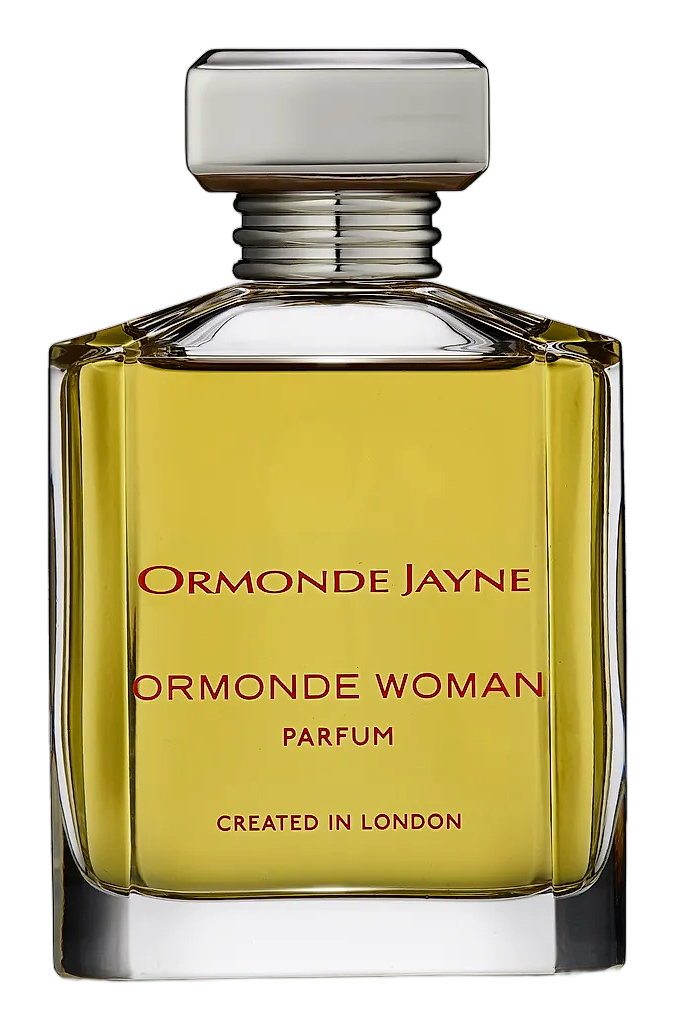
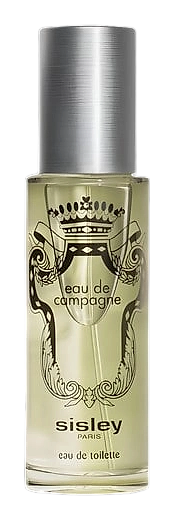
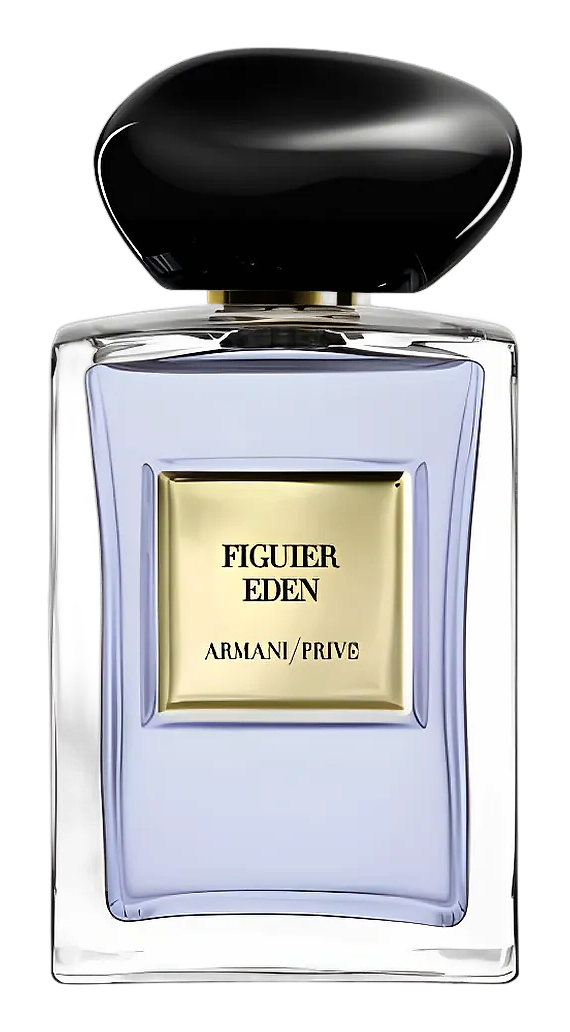
Brands
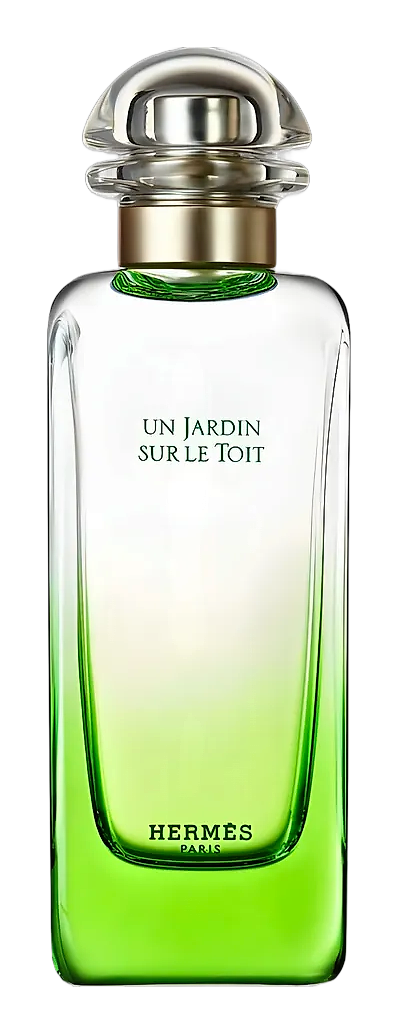
Brands known for Grass
Good to know
Questions, answered
The essentials on Grass in perfumery: how it smells, where it comes from, and how it behaves on skin.
What does the grass note smell like in perfume?
Grass delivers a sharp, green, slightly bitter scent reminiscent of a freshly mown lawn. It smells cool and watery rather than sweet, evoking chlorophyll and morning dew with an almost metallic brightness.
Is grass a natural or synthetic perfume ingredient?
Grass notes are almost entirely synthetic in modern perfumery. Chemists identified the specific aldehydes released by cut grass in the 1970s, allowing consistent reproduction of a scent that evaporates within minutes of being harvested.
What is the difference between grass and hay in perfumery?
Grass smells crisp, green, and immediate, like a living lawn. Hay carries a warmer, coumarin-rich sweetness suggesting dried fields. They share a botanical origin but offer distinctly different olfactory profiles.
Which fragrance families use grass notes most?
Green and fresh fragrances lean most heavily on grass notes. Aromatic and chypre compositions also incorporate them as brighteners, adding lift to herbal and citrus-forward structures.
Why is grass hard to capture naturally for perfume?
The volatile compounds that create grass's scent oxidize and dissipate within minutes of cutting. Natural extraction yields only a faint, hay-like material, which is why perfumers rely on recreated aldehydes.
When was the grass scent first used in perfumery?
Grass notes entered perfumery in the 1970s following the identification of cis-3-hexenal. Before that, perfumers suggested green freshness using galbanum and fig leaf materials rather than literal grass.
Are grass perfumes unisex?
Yes, grass notes read as inherently gender-neutral. Their crisp, vegetative character suits both masculine and feminine compositions, making them versatile across modern fragrance categories.
Does grass note last long on skin?
Grass notes are top notes, meaning they evaporate quickly, typically within 15 to 30 minutes. Perfumers anchor them with longer-lasting base materials like woods or musks to extend the composition's overall wear time.