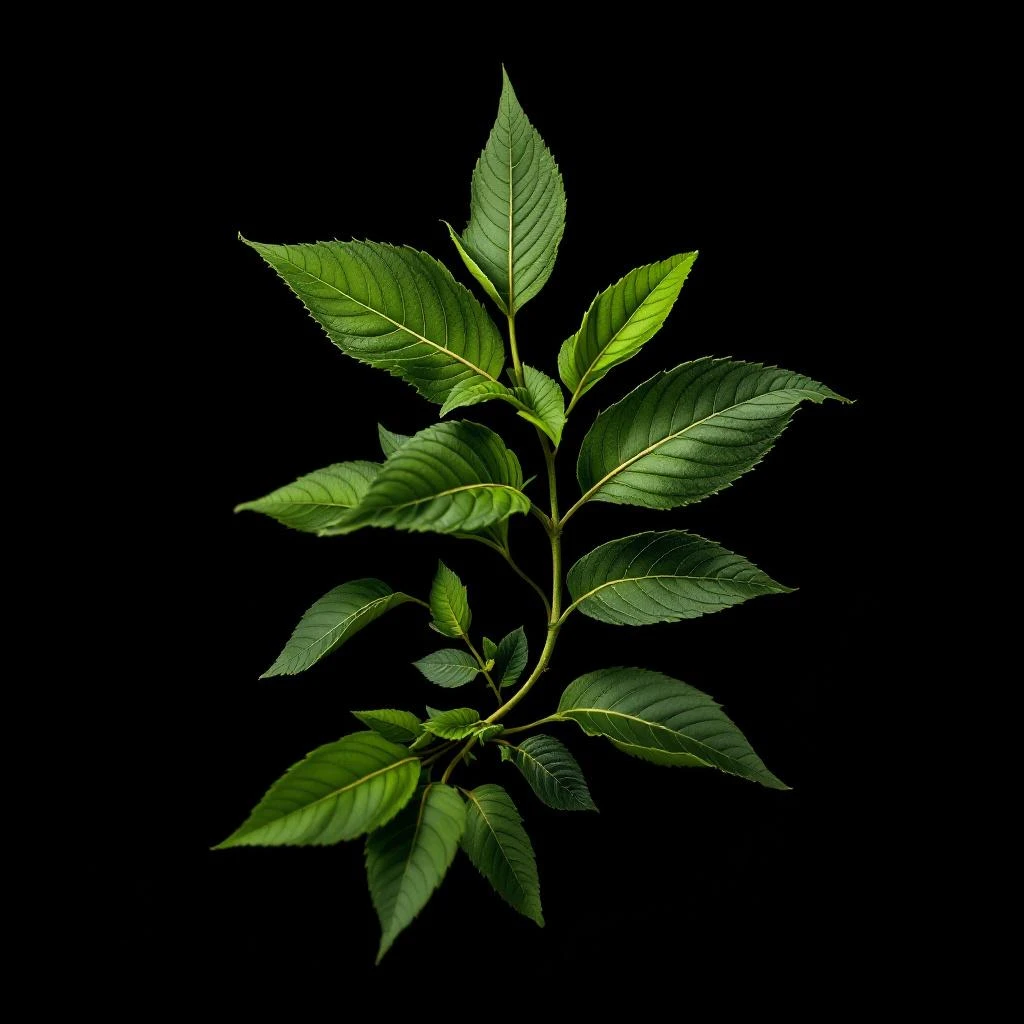
Violet Leaf
Beyond the powdery bloom: violet leaf captures the plant's green, dewy soul—a fresh, slightly bitter facet that adds aerial depth modern perfumers rely on for naturals.
Character
How it smells
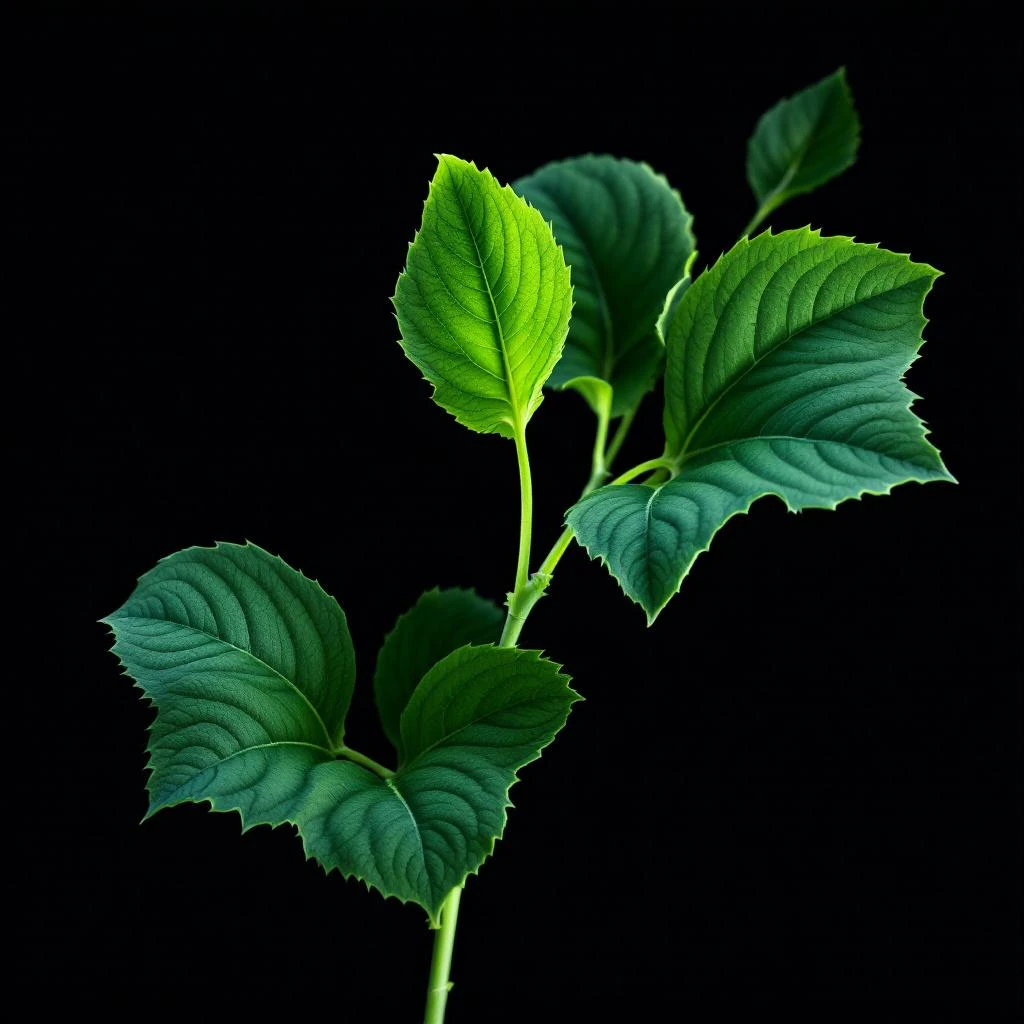
The plant's secret weapon—green, watery, unexpectedly modern.
Violet flowers are mute—they yield no extract through conventional methods. Perfumers turned to the leaves to capture what the bloom could not give.








Origin
France
Grasse, the French perfume capital, first saw violet fields bloom in 1867, and perfumers immediately faced a frustrating problem: violet flowers refused to yield their scent through steam distillation or solvent extraction. The blooms were effectively mute. For decades, French houses worked around this using enfleurage, a labor-intensive process where flowers rested on fat-coated glass frames to transfer their aroma. When the perfume industry industrialized in the late 1800s, enfleurage could not scale.
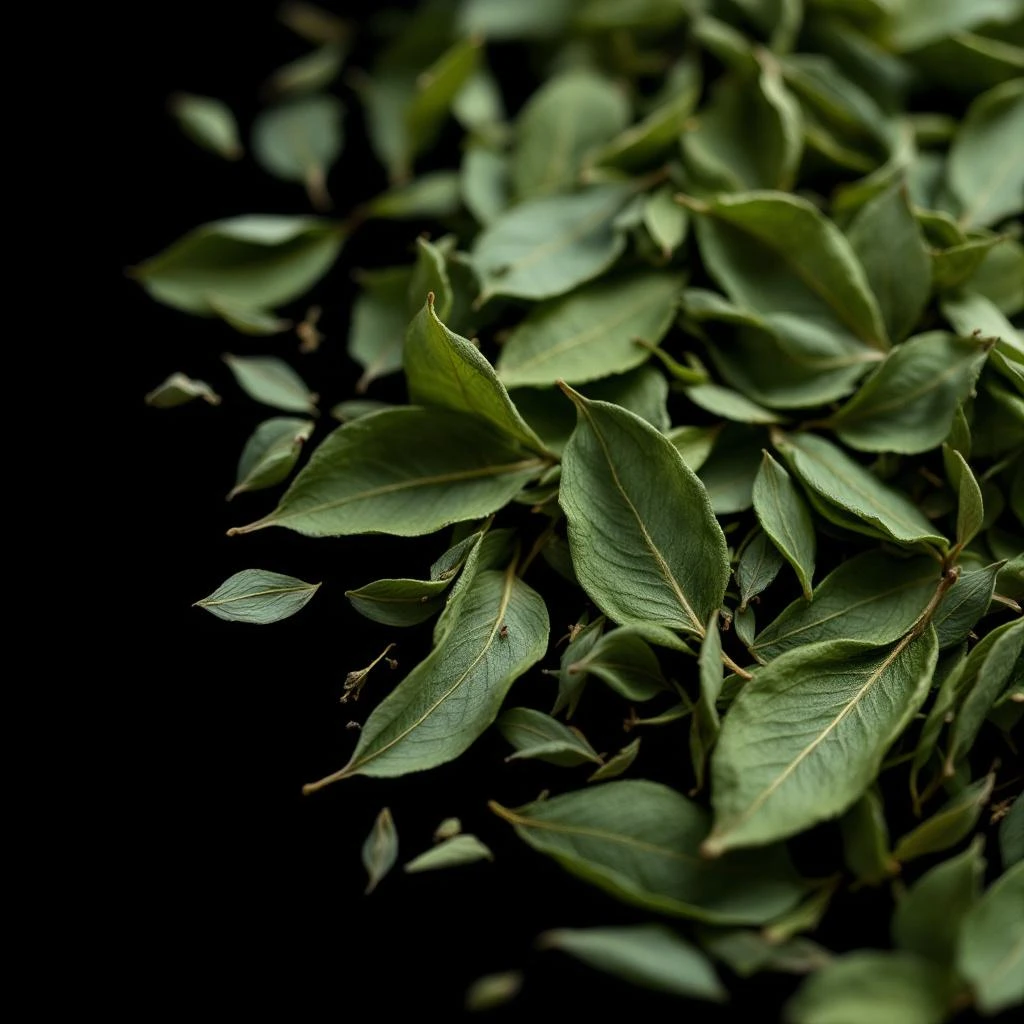
Then in 1898, chemists Ferdinand Tiemann and Paul Kruger synthesized ionone from citral derived from litsea cubeba, creating a compound that smelled unmistakably of violets. This discovery made violet fragrance affordable and widespread. Yet perfumers still craved the green, living character of the plant itself. They found it not in the flower but in the leaves—a botanical workaround that transformed a fragrant limitation into a signature ingredient.
Violet leaf entered the perfumer's palette as a green, watery counterpoint to the sweet flower, adding depth and realism to chypre, fougere, and modern floral compositions. Today it remains one of the most recognizable green notes in fine fragrance, prized for its ability to evoke fresh, just-rain-fallen vegetation.
Wears it best
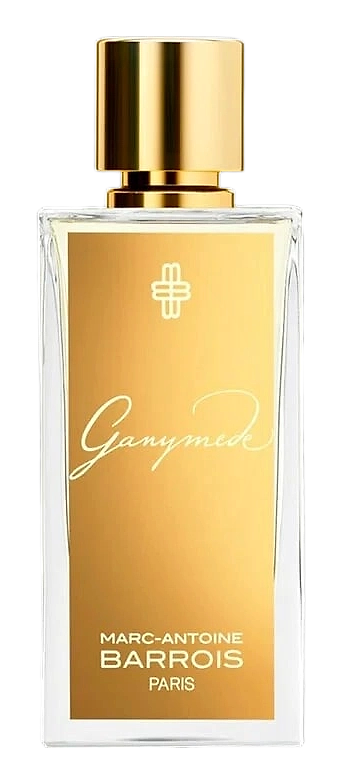
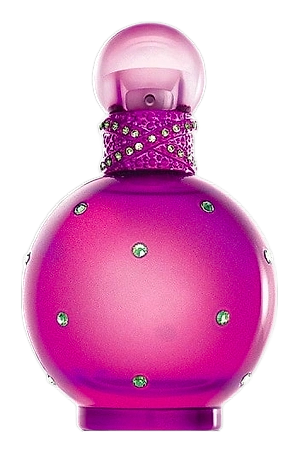
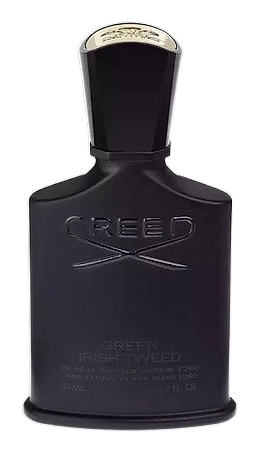
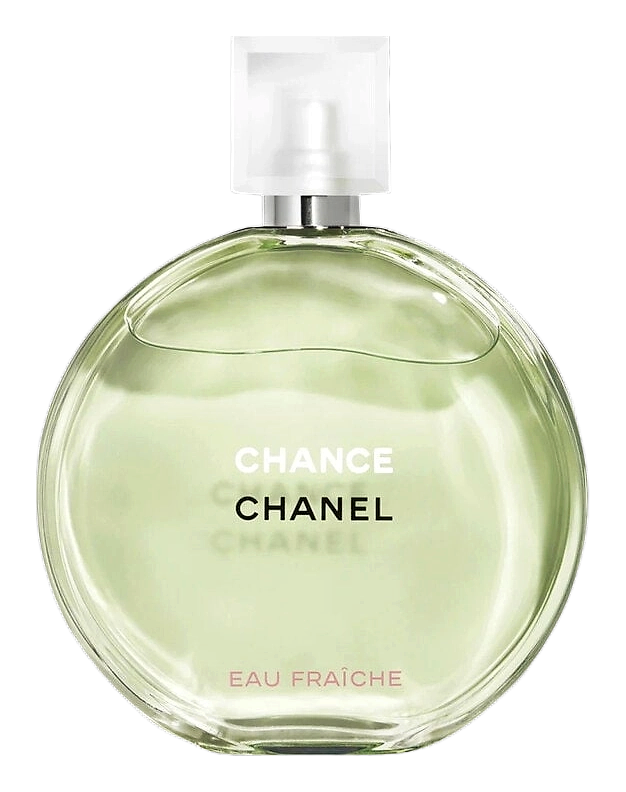
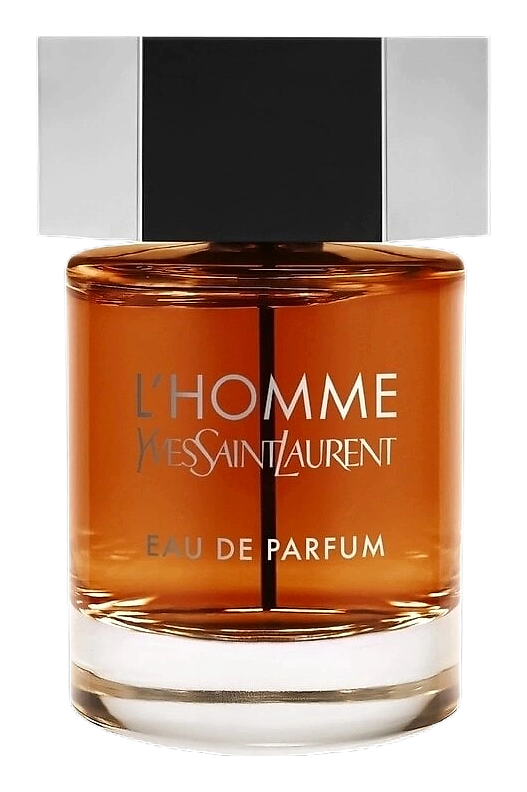
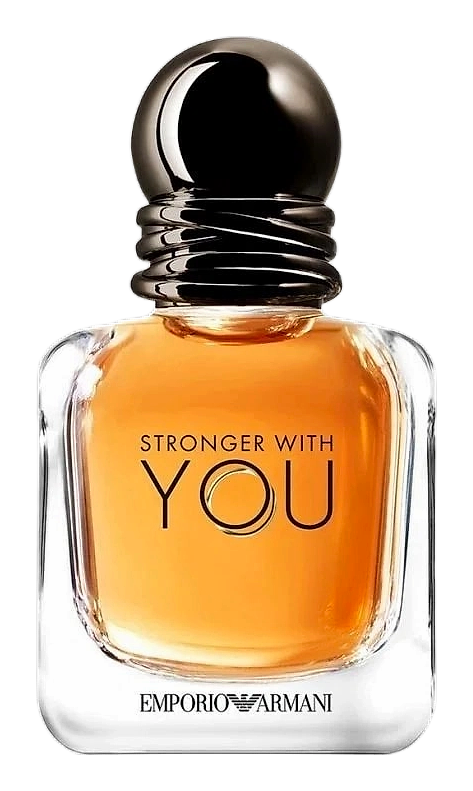
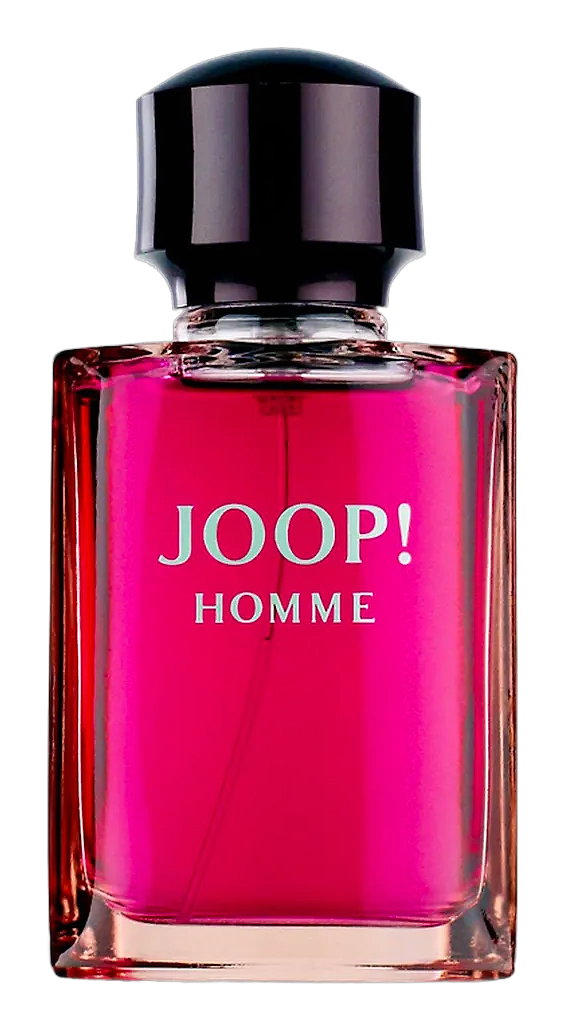
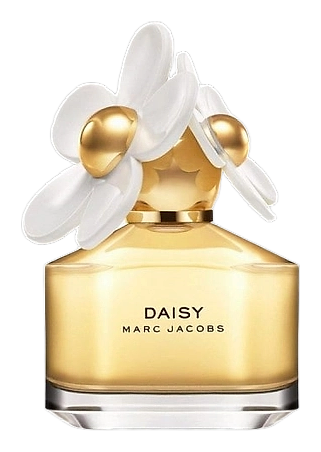
Fragrances featuring Violet Leaf

Brands
Brands known for Violet Leaf
Good to know
Questions, answered
The essentials on Violet Leaf in perfumery: how it smells, where it comes from, and how it behaves on skin.
What does violet leaf smell like?
Violet leaf smells green, fresh, and watery with a slightly bitter edge. It recalls cut stems and dewy morning air rather than the powdery floral note people expect from the flower itself.
Can you extract fragrance from violet flowers?
No. Violet flowers are considered mute in perfumery—they produce no extractable fragrance through conventional methods. Perfumers use the leaves instead.
Is violet leaf natural or synthetic?
Both exist. Natural violet leaf absolute comes from solvent extraction of the leaves. Synthetic alternatives like ionones replicate the flower's powdery note but lack the leaf's green, dewy character.
How is violet leaf absolute made?
Producers harvest and chop fresh violet leaves, then soak them in solvent to dissolve the aromatic compounds. After filtering and removing the solvent, what remains is a thick, intensely green absolute.
Where does violet leaf absolute come from?
Egypt and France are the primary producers. Egyptian absolute tends toward sharper, more metallic green notes, while French material often shows a rounder, more balanced profile.
Why is violet leaf important in perfumery?
It provides the green, living character that synthetic aromatics struggle to match. Perfumers use it to build authenticity and freshness in fragrances that aim to smell natural and modern.
What fragrance families use violet leaf?
It appears across chypre, fougere, aromatic fougere, and modern green or aquatic florals. The note works particularly well in men's fragrances and in watery, transparent compositions.
How much violet leaf absolute do perfumers use?
Very little. Like most absolutes, it is potent and expensive. Perfumers add it at low concentrations—a few tenths of a percent—to add depth and a natural green lift to a formula.