Fig
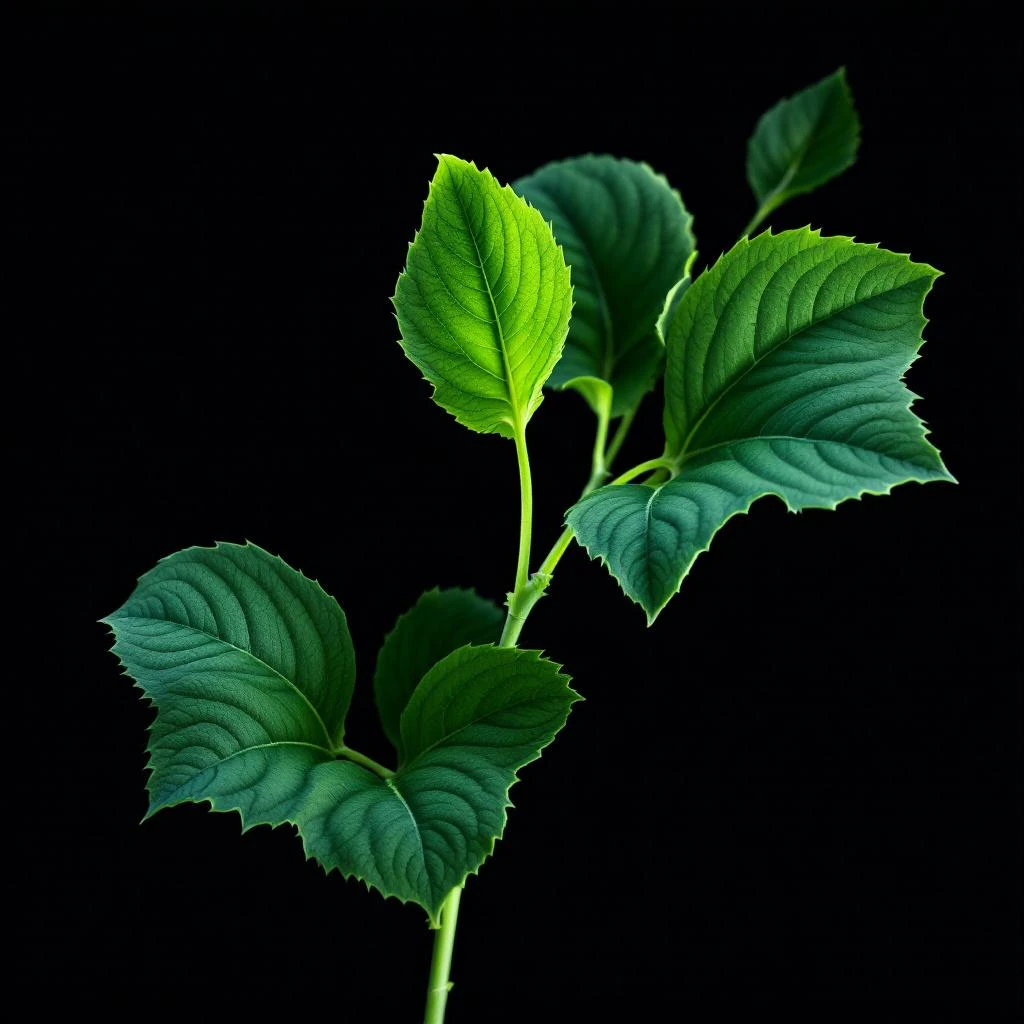
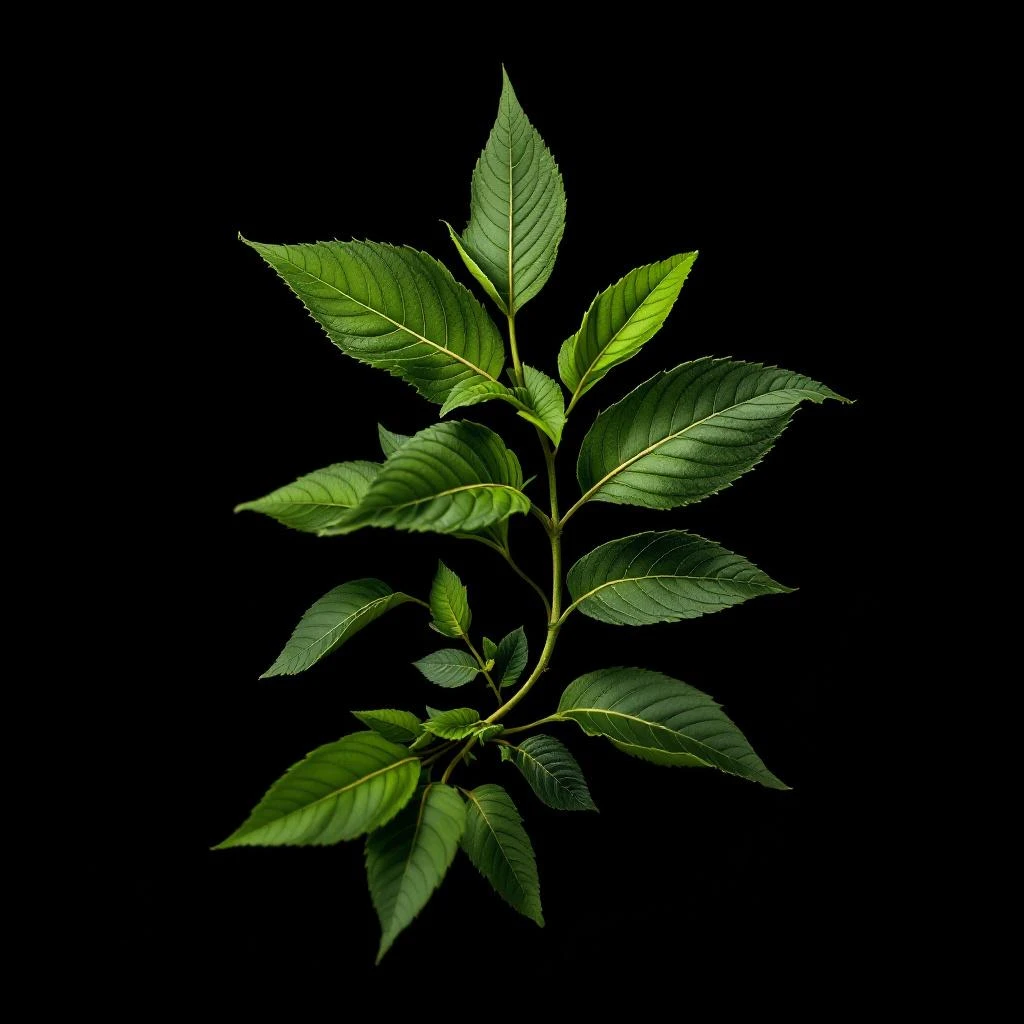
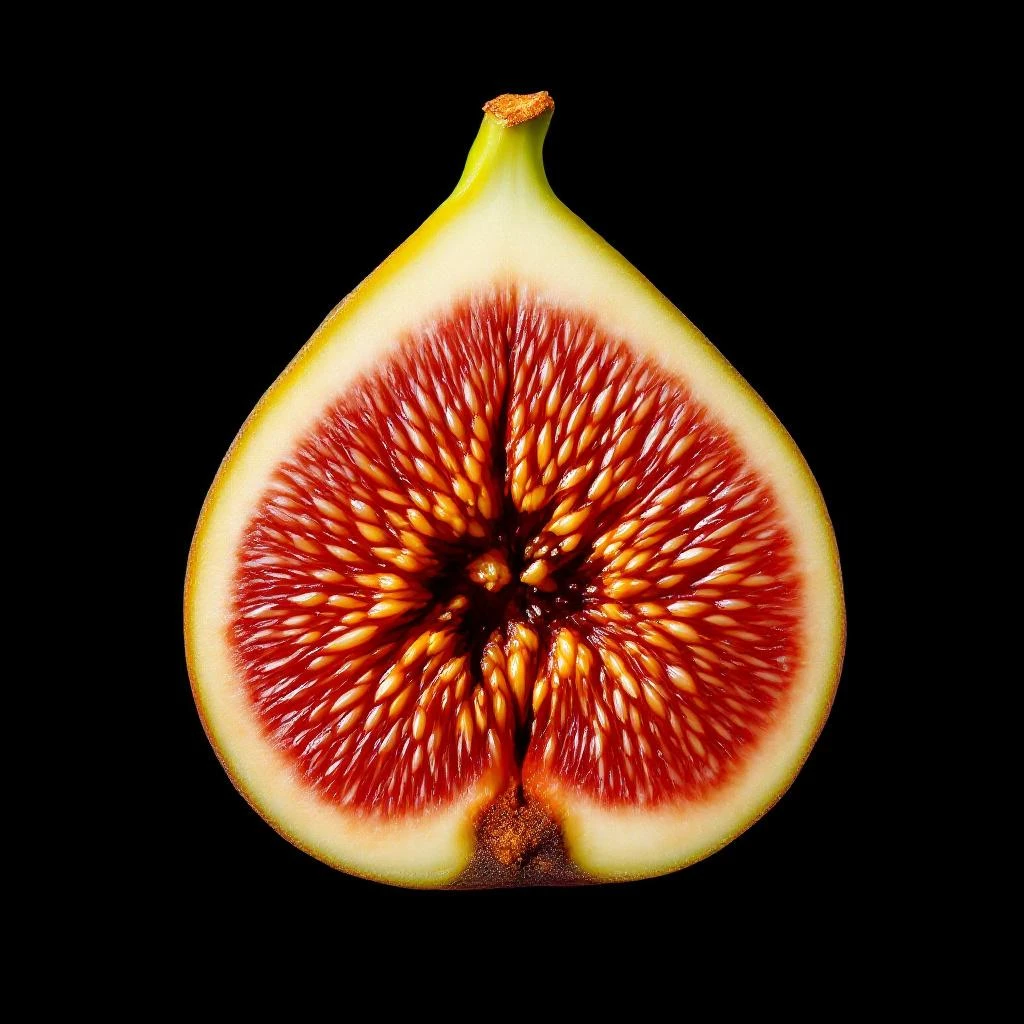
Fig in perfumery captures the entire tree: green leaves, sun-warmed wood, milky sap, and the fruit's lactonic sweetness. It evokes Mediterranean groves through a multi-dimensional note built from memory, not simple extraction.
Character
How it smells
Green, lactonic, sun-drenched: the Mediterranean in a bottle.
The fruit itself yields almost no extractable aroma. Perfumers reconstruct fig by combining green leaf notes, woody undertones, and creamy lactonic molecules that trigger the memory of biting into ripe fig.









Origin
Turkey
The fig tree holds ancient roots in Mediterranean perfumery, where Greeks and Romans first discovered the aromatic potential of its leaves and wood. Ancient civilizations from Egypt to Greece incorporated fig components into their fragrant preparations, establishing a tradition that spans millennia.
The Greeks, credited with early liquid perfume development, would have encountered fig's distinctive green, milky character in their aromatic rituals. Unlike precious absolutes from distant lands, fig represented an accessible Mediterranean treasure.
As perfumery evolved through the centuries, fig maintained its presence, though extraction challenges meant perfumers increasingly relied on knowledge and reconstruction rather than pure botanical capture. Today, Turkey stands as the primary origin, producing figs that find their way into fragrance compositions worldwide, connecting ancient aromatic traditions with contemporary perfumery.
Wears it best
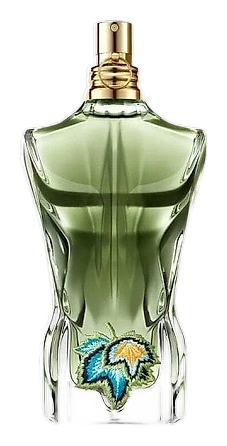
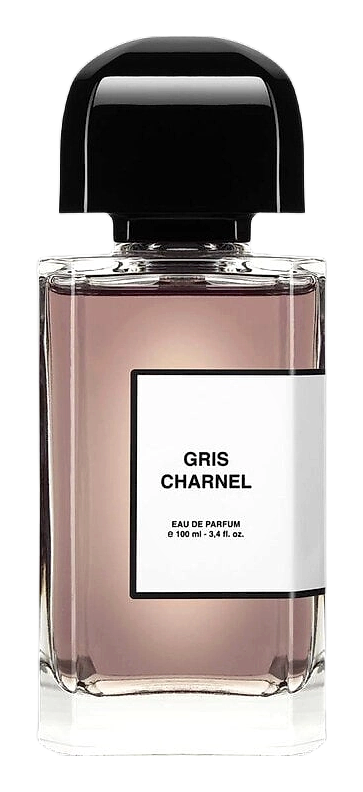
Fragrances featuring Fig
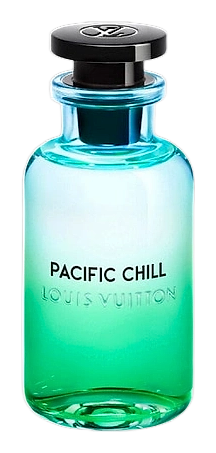
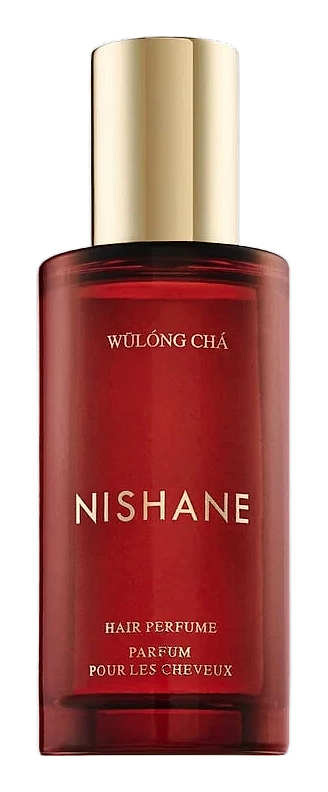
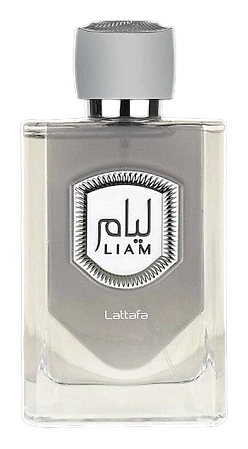

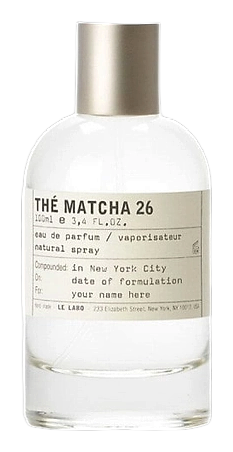
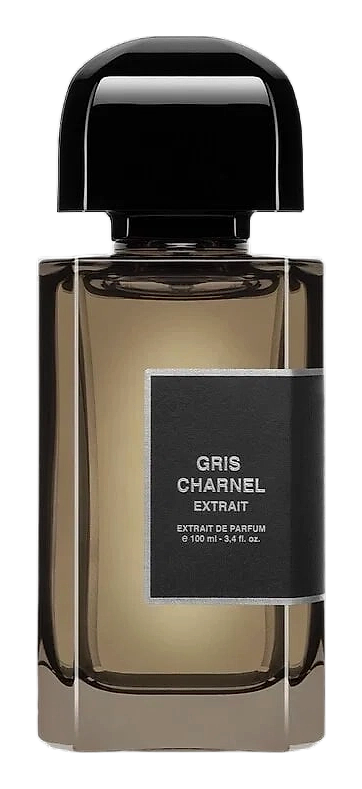
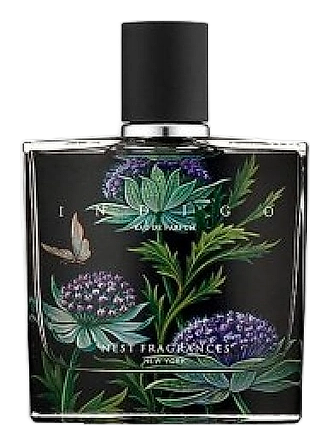
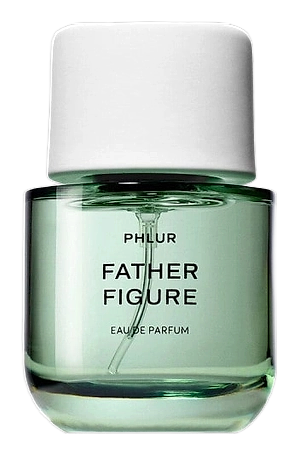
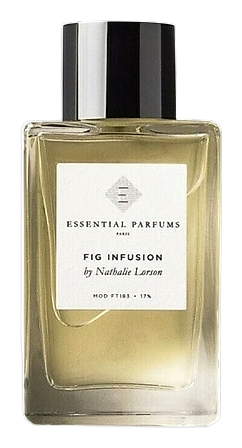
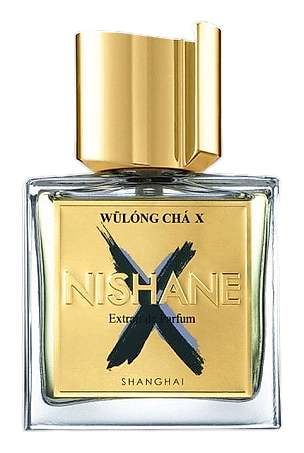
Brands
Brands known for Fig
Good to know
Questions, answered
The essentials on Fig in perfumery: how it smells, where it comes from, and how it behaves on skin.
How is fig used in perfumery?
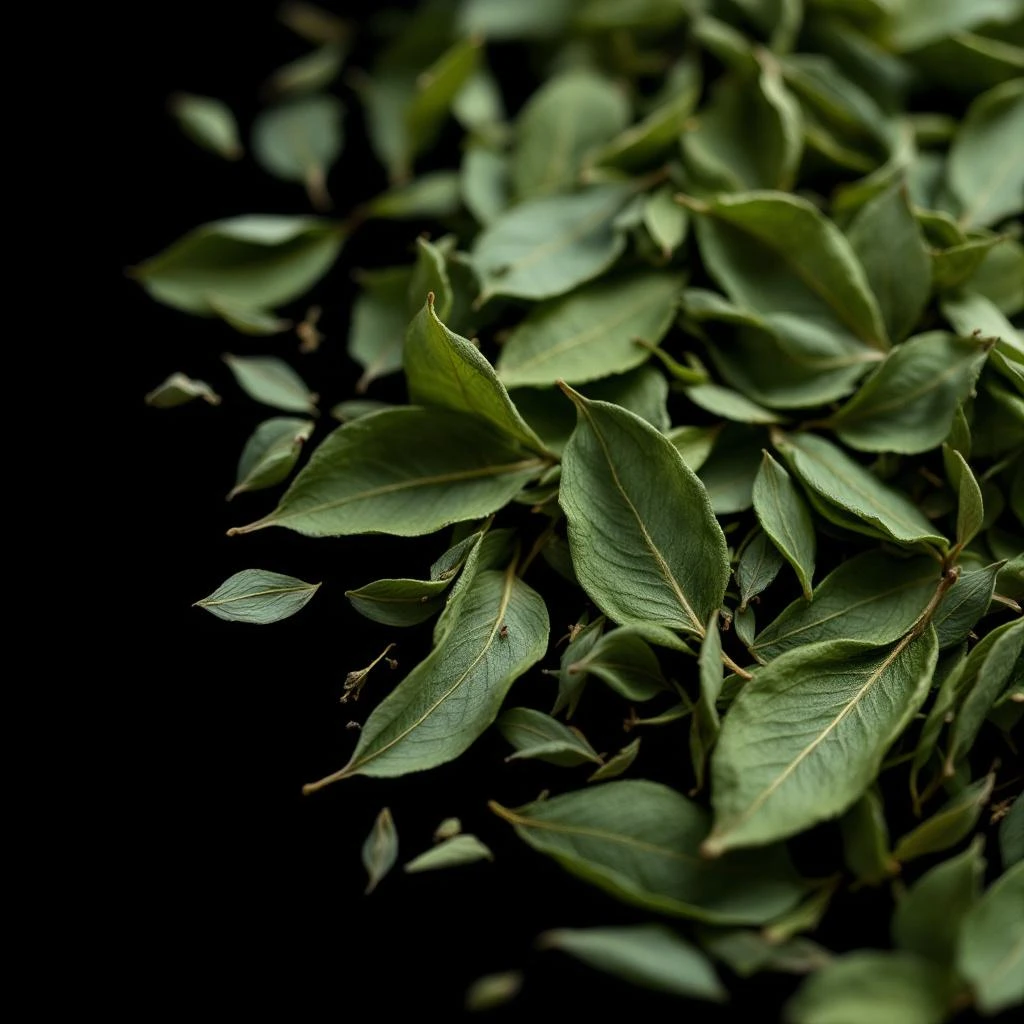
Fig appears as both a natural absolute and a synthetic reconstruction. Natural fig leaf absolute provides green, slightly coconut-like qualities. Synthetics like delta-decalactone create the creamy, lactonic character that defines fig's sweet side.
What does fig smell like in perfume?
Fig combines green leaf notes, woody undertones, and creamy lactonic sweetness. The overall effect evokes the Mediterranean: sun-warmed skin, crushed leaves, and the white milky sap that appears when you break a stem.
When did perfumers start using fig?
Fig has roots in ancient perfumery. Mediterranean civilizations including the Greeks and Romans used fig leaves and wood for aromatic purposes, establishing fig as one of perfumery's oldest ingredients.
Why is fig popular in modern fragrances?
Fig captures the concept of a lush Mediterranean landscape without relying on exotic imported materials. It works across fragrance families, from fresh greens to warm orientals, making it versatile for modern perfumers.
Can you extract fragrance directly from fig fruit?
The fruit itself produces minimal extractable fragrance. Perfumers build fig's characteristic scent from fig leaf absolute and carefully constructed synthetic accords that replicate the fruit's sensory profile.
What gives fig its distinctive scent profile?
Fig leaf absolute contains green, leafy compounds alongside lactones that contribute a coconut-cream character. Combined, these create fig's recognizable signature: fresh yet warm, green yet sweet.
Is fig absolute natural or synthetic?
Both exist in modern perfumery. Natural fig leaf absolute comes from solvent extraction of dried leaves. Synthetic fig reconstruction uses materials like delta-decalactone to create consistent, sustainable alternatives.
Which countries produce fig for perfumery?
Turkey leads global fig production, making it a primary origin for perfumery materials. Mediterranean countries including Greece, Italy, and Spain also cultivate fig trees for both culinary and aromatic use.