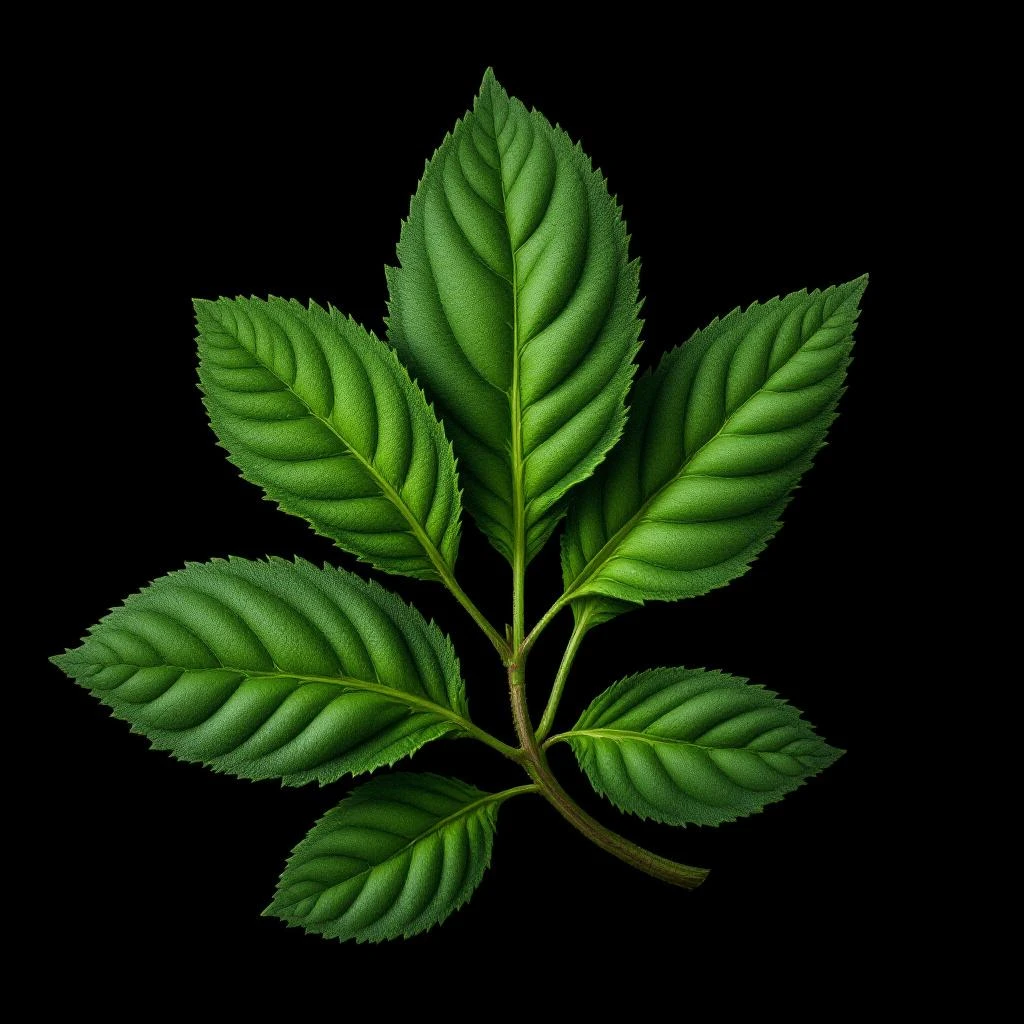
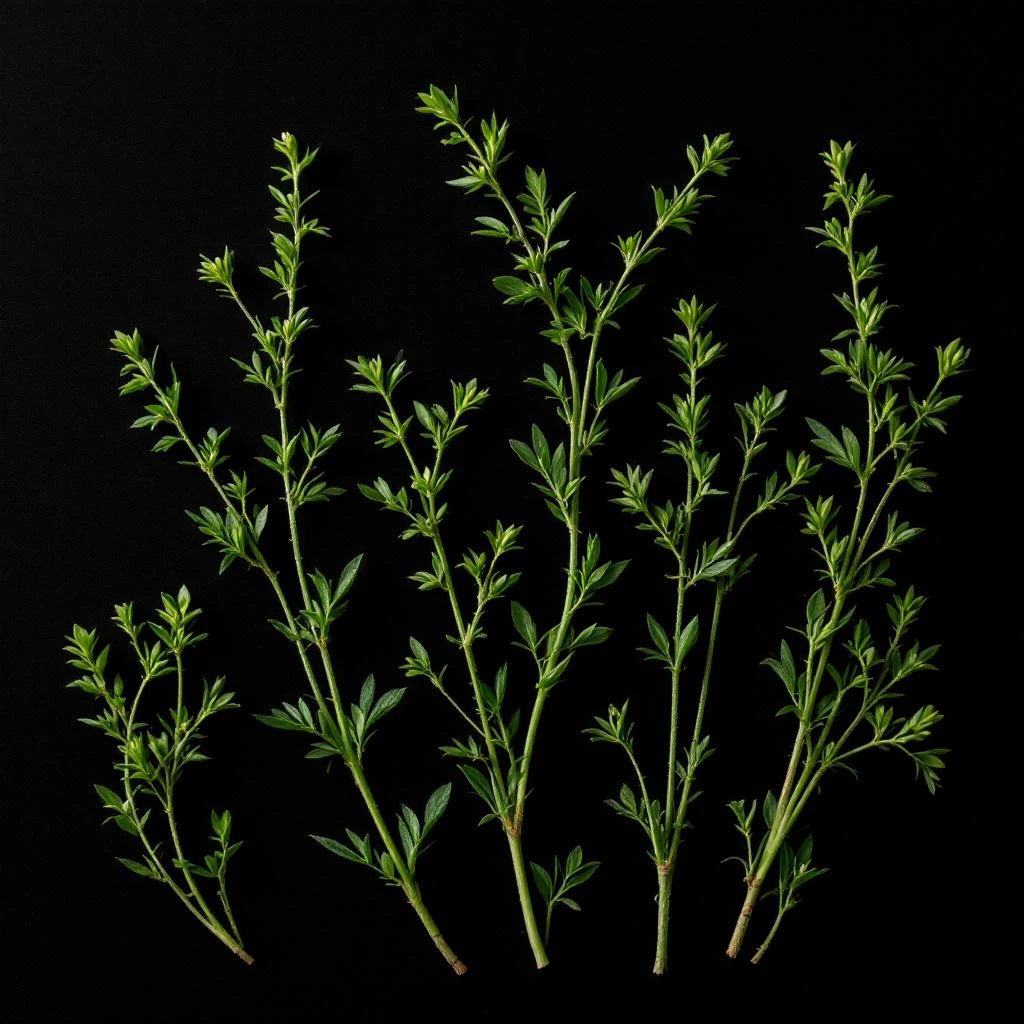
Mint
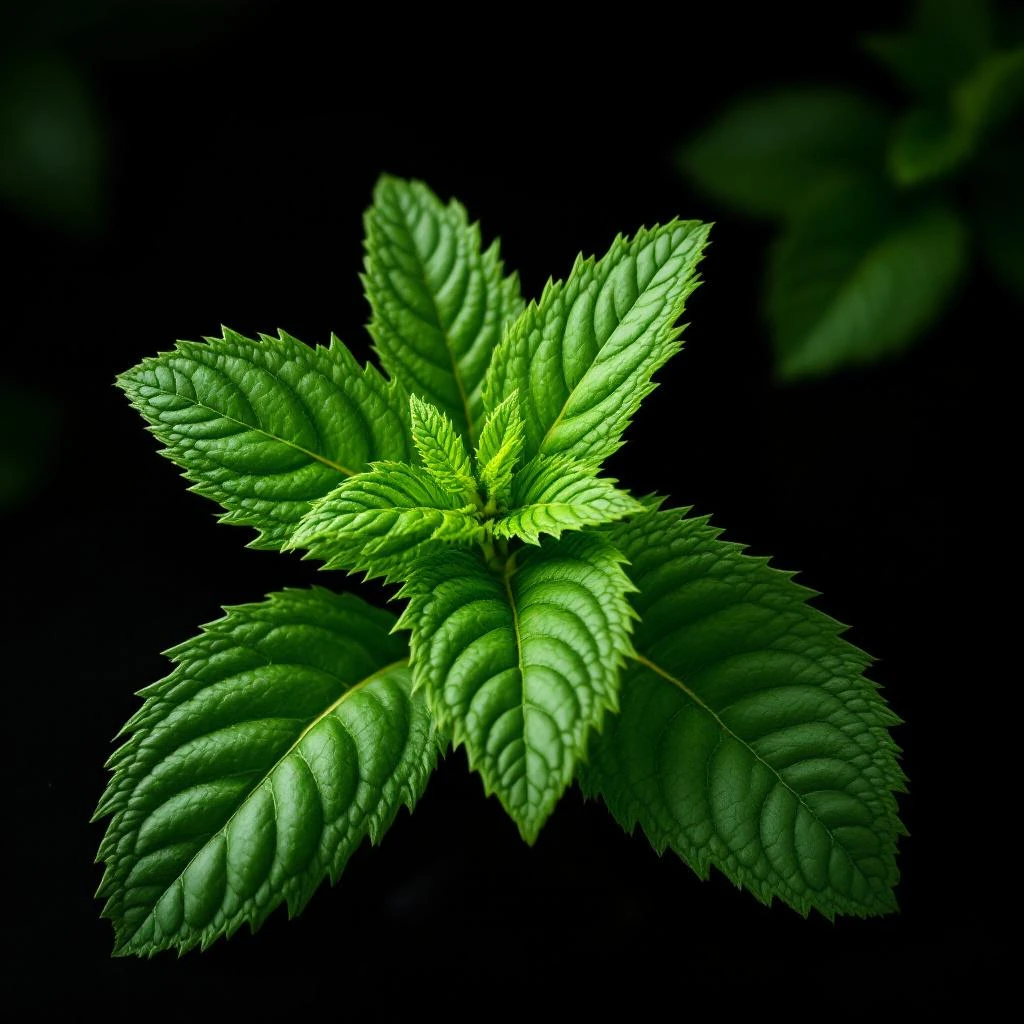
Mint cuts through compositions with immediate clarity. Its cool, crystalline brightness acts as a sensory reset button, lifting heavier elements and adding dimension that reads as both fresh and refined.
Character
How it smells
Sharp, cooling freshness that sharpens and awakens.
One peppermint plant produces only a few ounces of essential oil per harvest, making pure mint oil surprisingly concentrated.







Origin
India
The Greeks and Romans used mint extensively, often in bathing waters and as a strewing herb to freshen living spaces. Greek physicians documented peppermint's digestive properties in medical texts. By the Middle Ages, mint appeared in European monasteries as both medicine and fragrance.
The distinction between true spearmint and what we now call peppermint occurred gradually through botanical observation. The 1920s marked a turning point when steam distillation enabled large-scale mint oil production, democratizing access to this cooling note across the fragrance industry. Contemporary perfumery continues to value mint for its versatility, from aromatic men's colognes to modern gender-neutral compositions.
The ingredient's ability to refresh without overwhelming makes it a staple in both fine fragrance and functional perfumery.
Wears it best
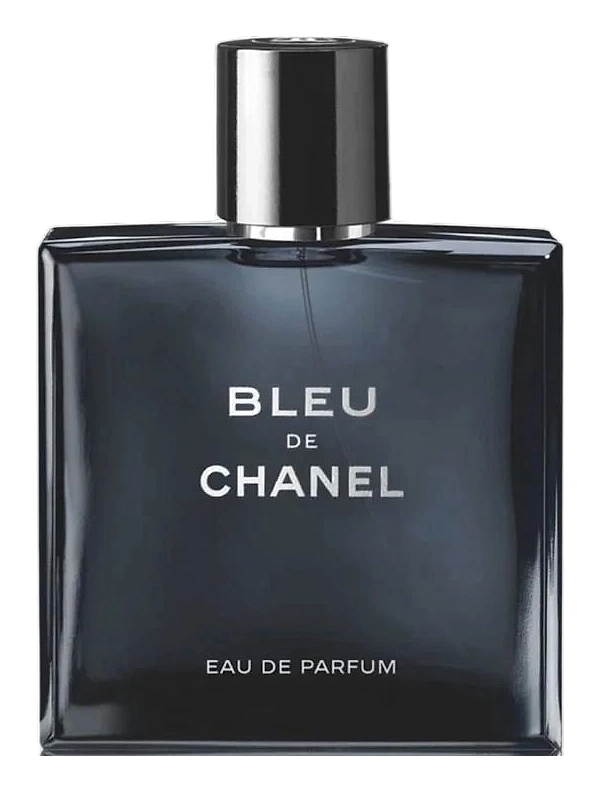
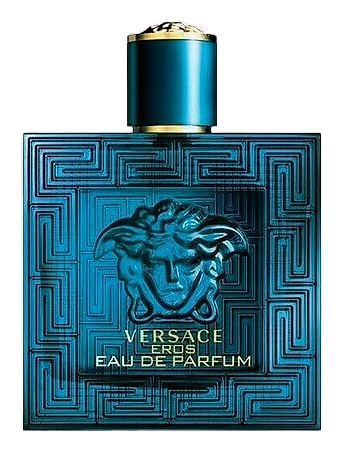
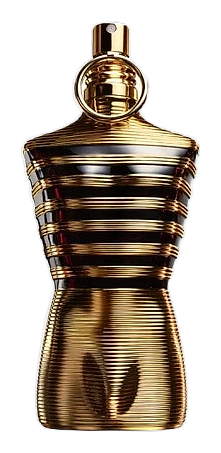
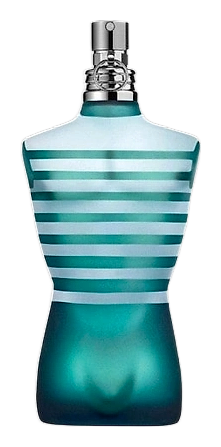
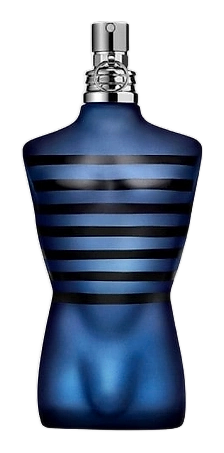
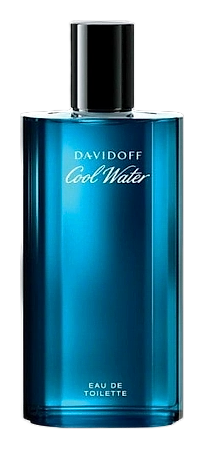
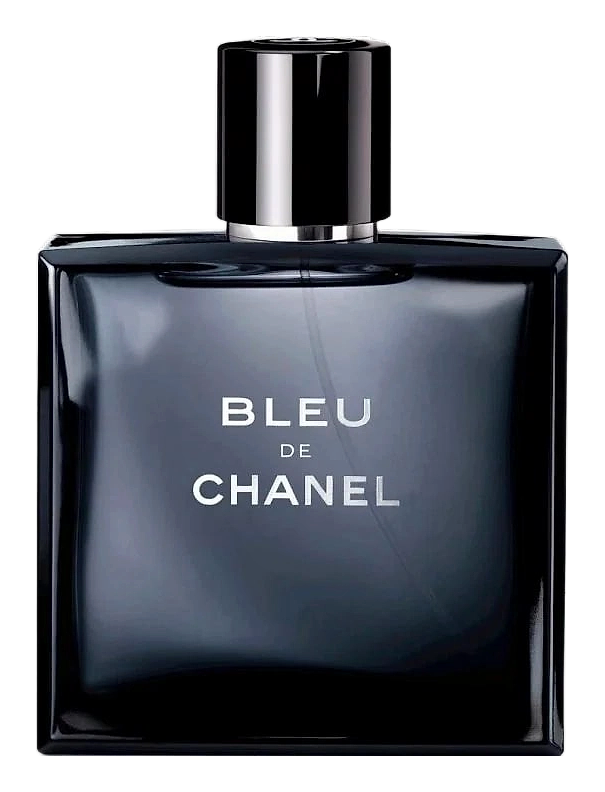
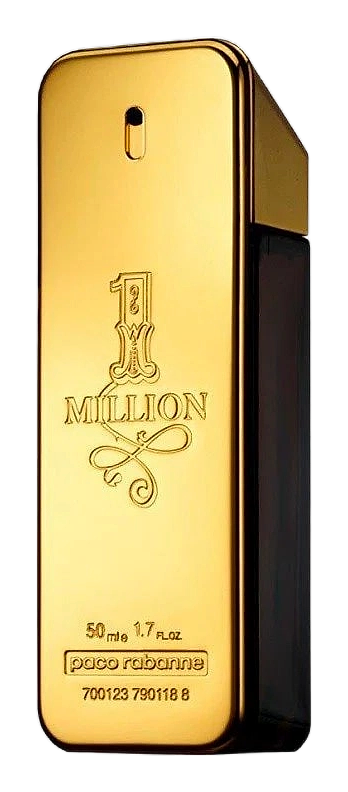
Fragrances featuring Mint
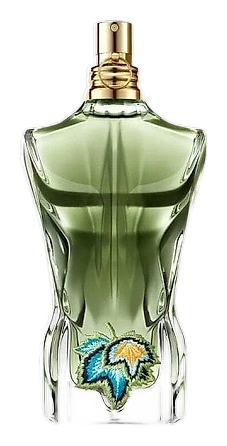
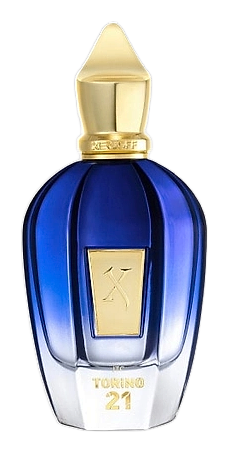

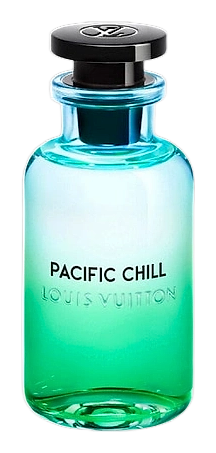
Brands
Brands known for Mint
Good to know
Questions, answered
The essentials on Mint in perfumery: how it smells, where it comes from, and how it behaves on skin.
What does mint smell like in perfumery?
Mint delivers a sharp, cooling sensation through its primary compound menthol, creating a crisp, clean impression. Peppermint adds a slightly sweet undertone with camphoraceous edges, while spearmint offers a gentler, rounder green character. Both varieties provide immediate freshness that perfumers use to brighten compositions.
Which mint species does perfumery use?
Perfumers primarily use Mentha x piperita (peppermint) for its high menthol content and Mentha spicata (spearmint) for softer applications. Mentha arvensis, or cornmint, serves as a more economical source of natural menthol. The species chosen depends on the intensity and character the formulator seeks.
Is mint oil natural or synthetic in perfumes?
Both natural and synthetic mint oils appear in perfumery. Natural steam-distilled mint oil retains the full complexity of plant-derived compounds. Synthetic menthol replicates the cooling sensation but lacks the nuanced botanical character. Many mass-market fragrances use synthetic mint to control costs while maintaining consistent quality.
What fragrance families pair well with mint?
Mint integrates naturally with citrus oils, woody base notes like sandalwood and cedar, and aromatic herbs such as rosemary and basil. It also pairs unexpectedly well with leather and tobacco accords, adding lift to typically heavy materials. Marine and aquatic fragrances frequently use mint to enhance their fresh impression.
Why do perfumers add mint to fragrances?
Mint acts as a sensory bridge in fragrance compositions. Its cooling properties provide contrast against warm ingredients, creating perceived depth. Perfumers also use mint as an aromatic top note that announces the fragrance immediately upon application, giving compositions an energetic opening that signals modernity and freshness.
Does mint oil contain allergens?
Natural mint oil contains compounds like limonene and linalool, which EU cosmetics regulations require manufacturers to declare as potential allergens. Most fragrance houses test their mint oil sources and provide full allergen documentation. Synthetic mint alternatives offer consistent scent profiles while reducing the variability that comes with natural botanical sources.
How long has mint been used in perfumery?
The Greeks and Romans documented mint in perfumery applications dating back roughly 2,000 years. They used it in bathing waters and as a strewing herb to mask unpleasant odors in living spaces. Archaeological evidence suggests even earlier use in ancient Mesopotamia, though documentation from that period remains limited.
What is the difference between peppermint and spearmint in fragrance?
Peppermint delivers a sharper, more intense cooling sensation due to its higher menthol concentration, typically between 35 to 45 percent. Spearmint contains only trace amounts of menthol, offering a sweeter, rounder green character. Perfumers reach for peppermint when seeking drama and clarity, while spearmint provides gentler freshness that blends smoothly into background notes.