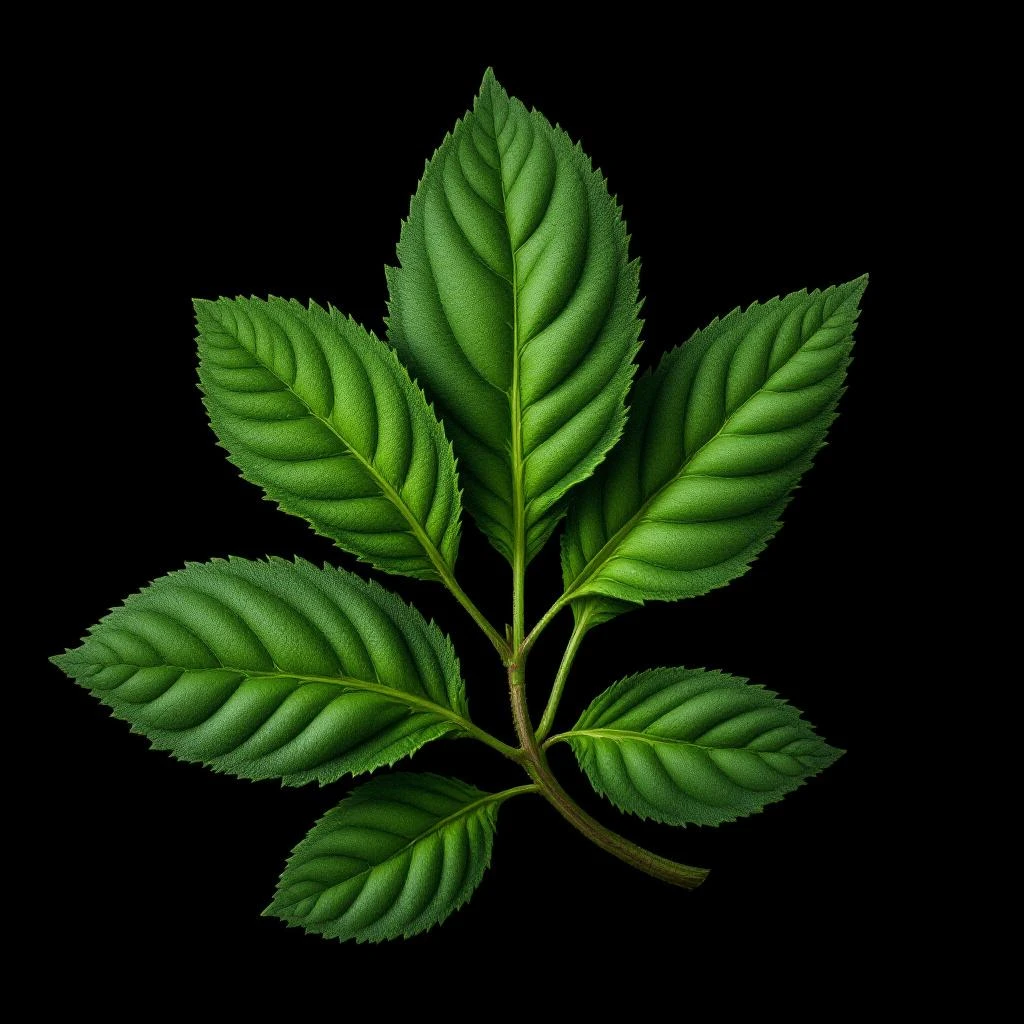
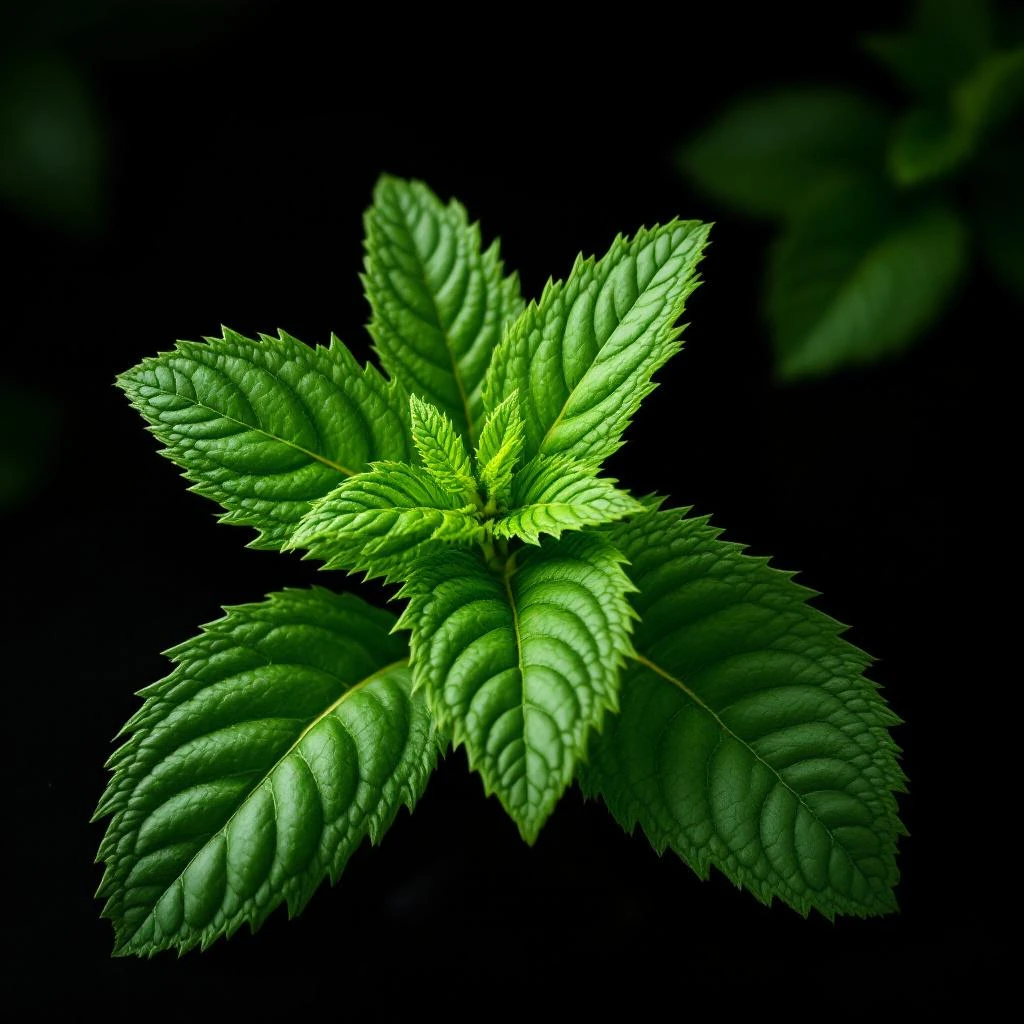
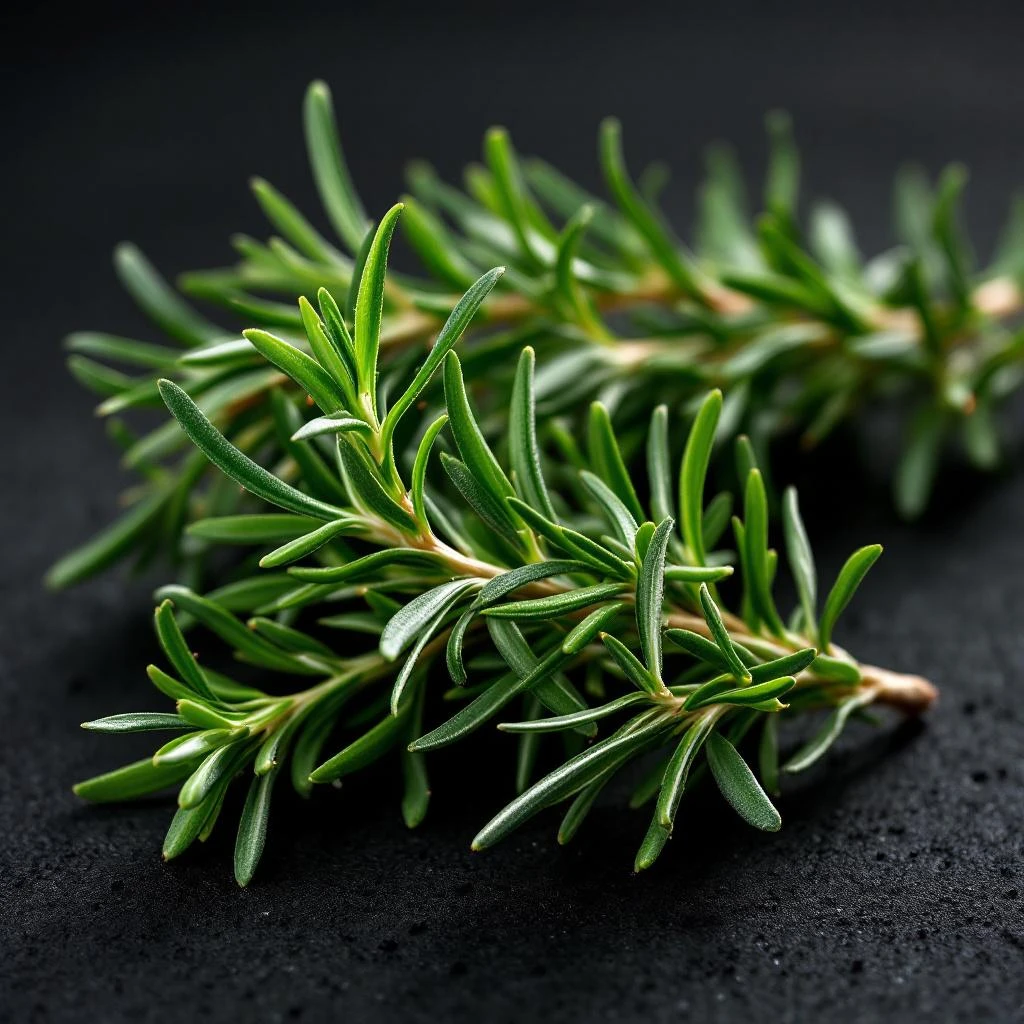
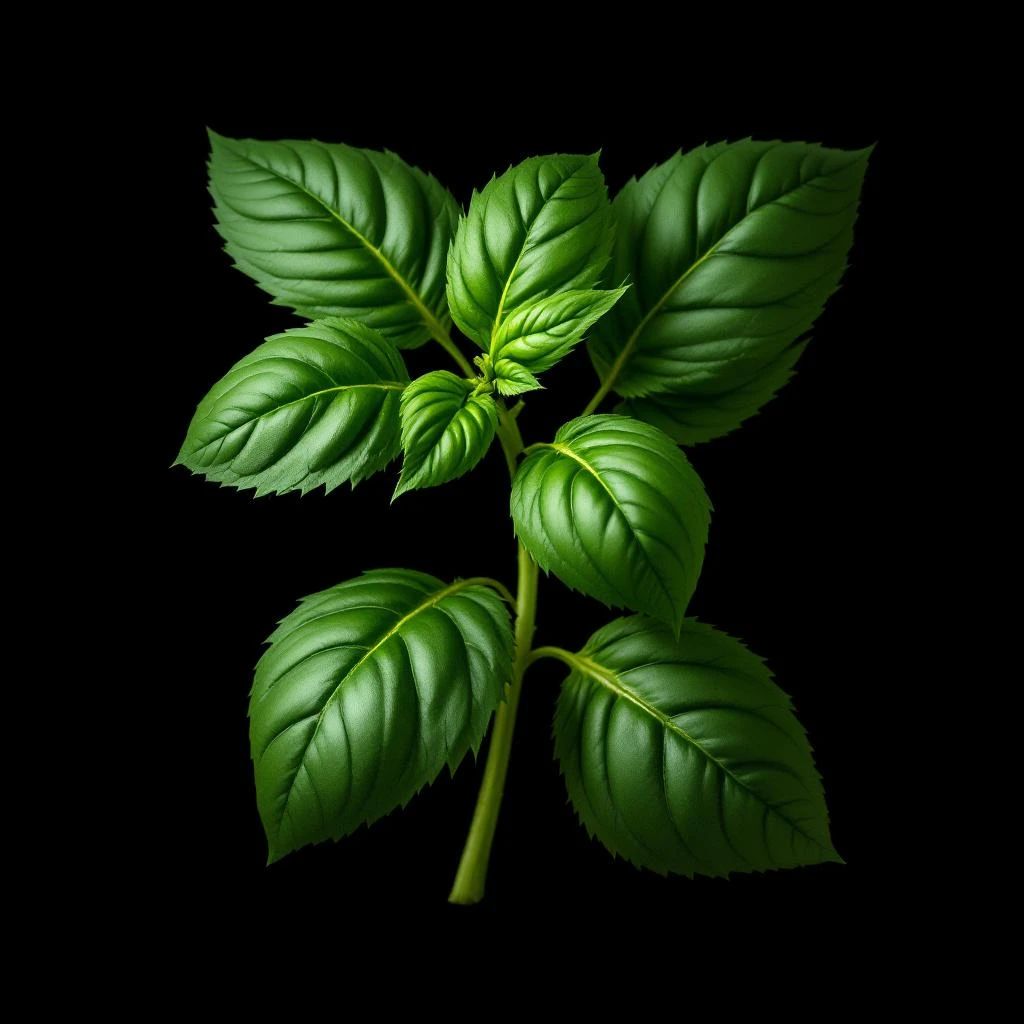
Thyme
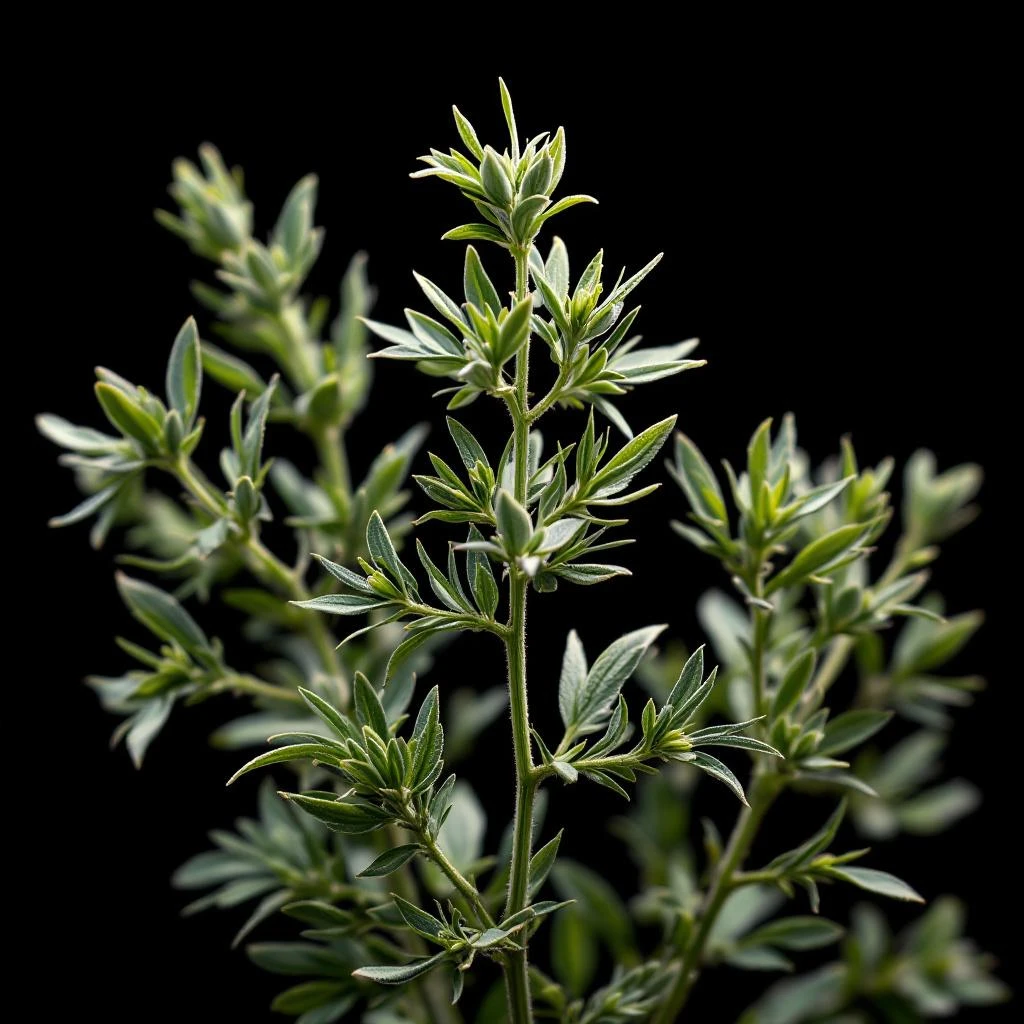
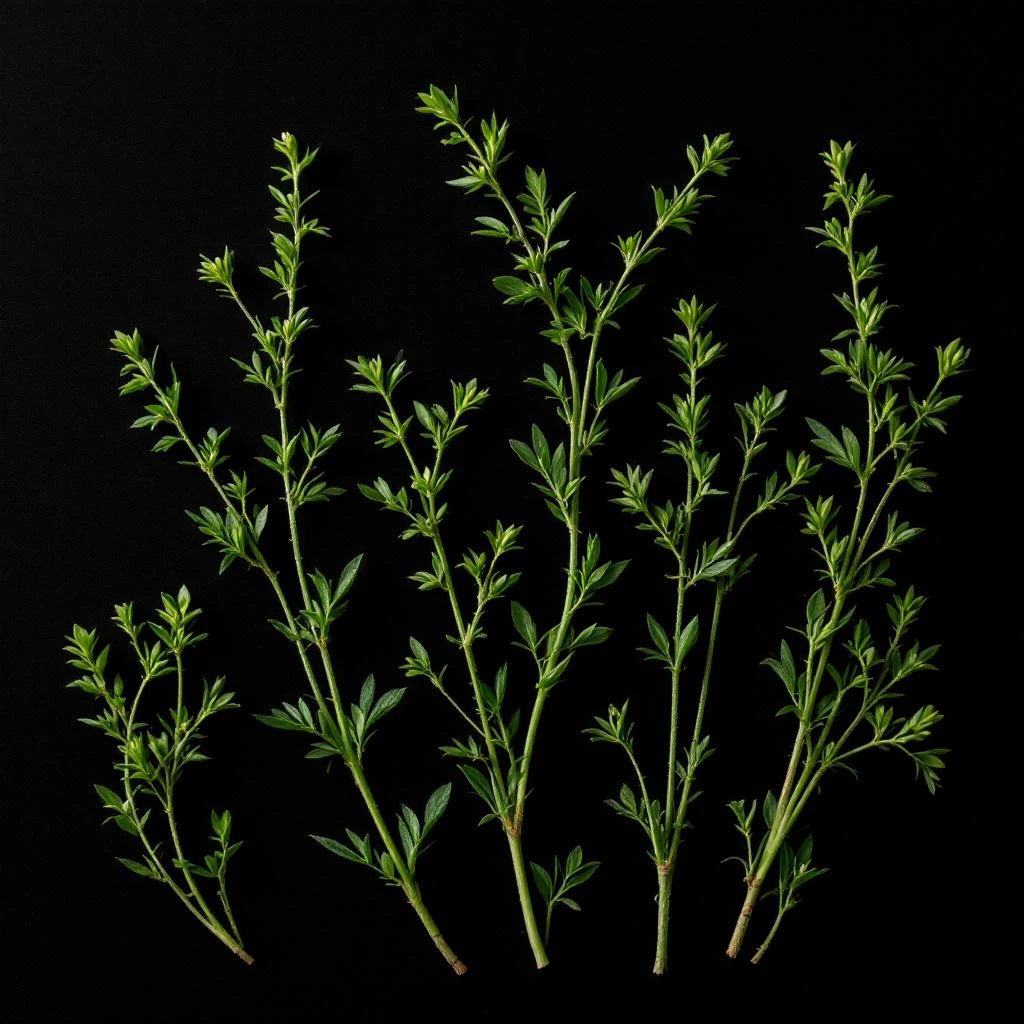
Thyme brings a bold, herbaceous character to perfumery with its distinctive camphorous warmth and peppery spice. This Mediterranean native delivers thymol-rich depth that anchors aromatic and fougère compositions.
Character
How it smells
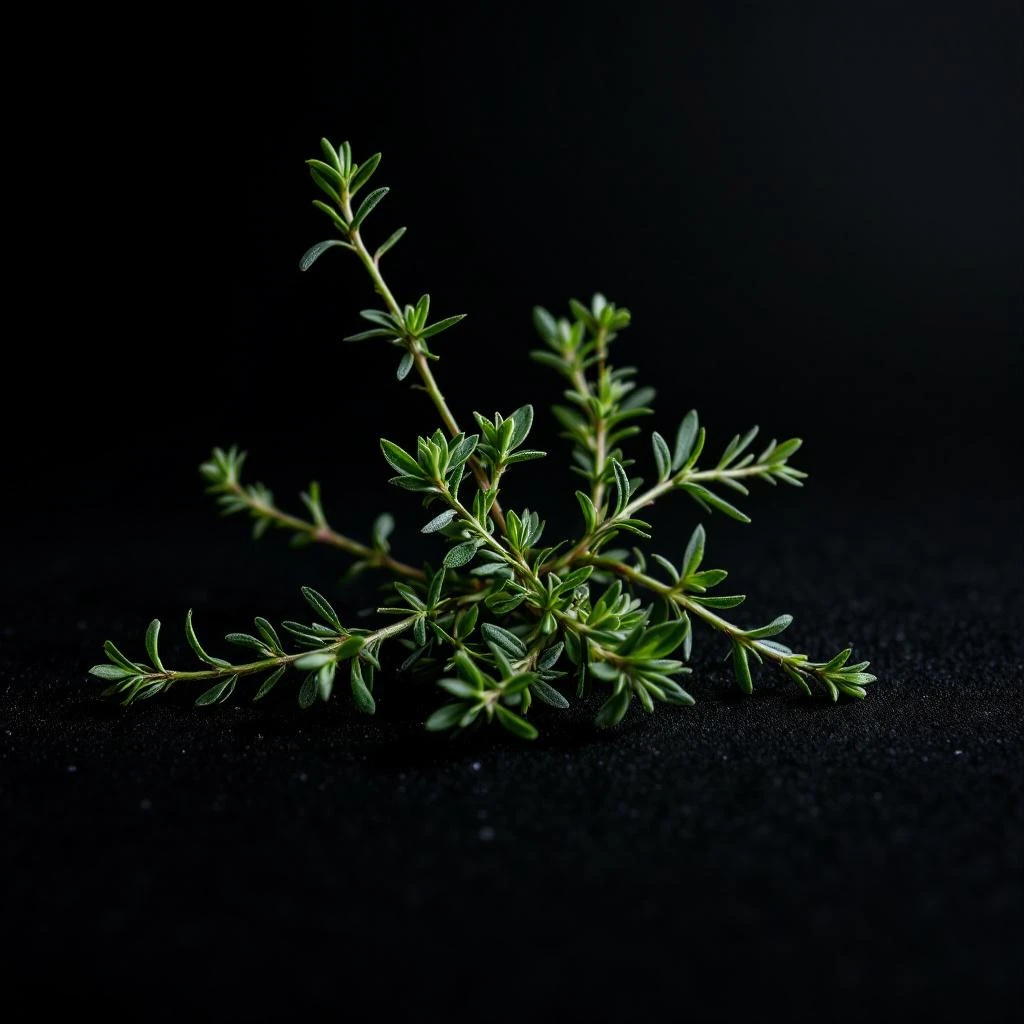
Mediterranean herbal warmth with camphorous bite
Archaeologists uncovered a 2,000-year-old perfume workshop in Cyprus that likely worked with thyme alongside other aromatics.









Origin
France
Thyme's role in fragrance extends deep into antiquity. The Egyptians incorporated it into embalming ointments, while the Etruscans used the herb in similar funerary preparations.
Medieval Europeans carried a different relationship with the plant, believing it bestowed courage—knights wore sprigs into battle. The formula known as Hungary Water, documented from the 14th century onward, combined rosemary and thyme in high-proof alcohol, creating one of Europe's first distilled perfumes.
This aromatic preparation preceded the French word "parfum" itself, which originally described the smoke rising from burning incense. Today, thyme remains a cornerstone of chypre and aromatic masculine fragrances, valued for its ability to lend herbal authenticity without overwhelming lighter notes.
Wears it best
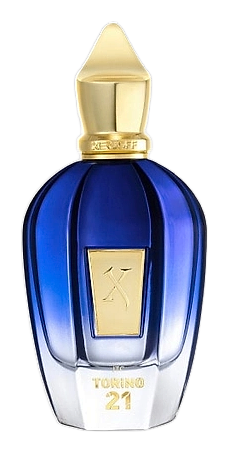
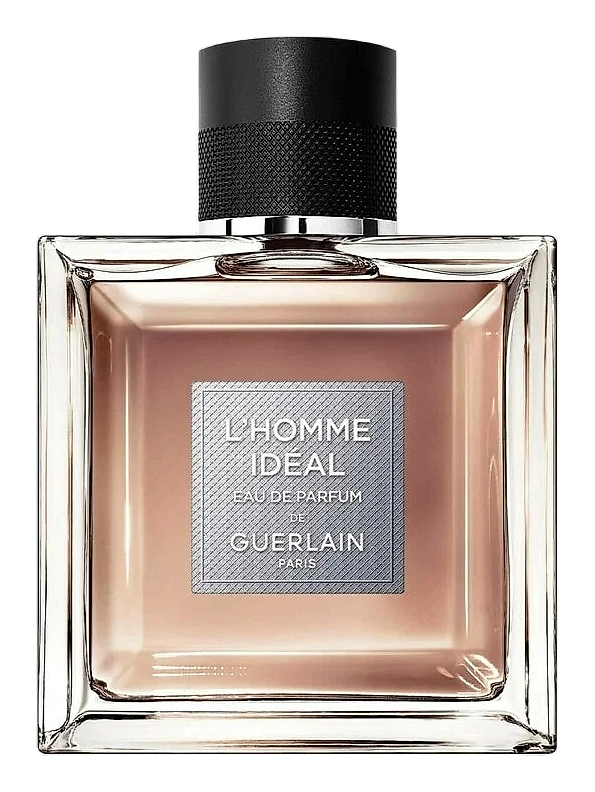
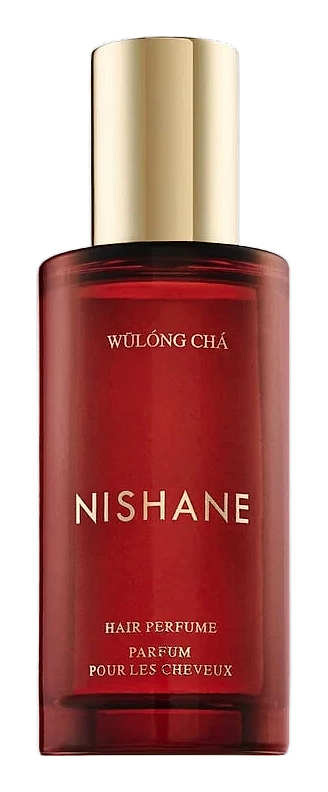
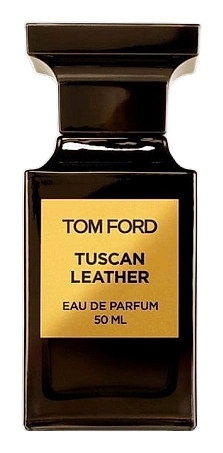
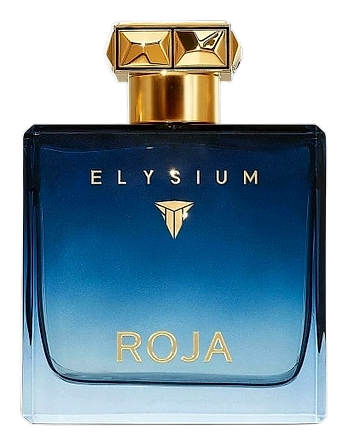
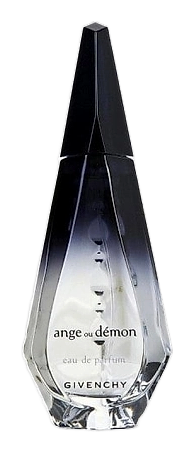
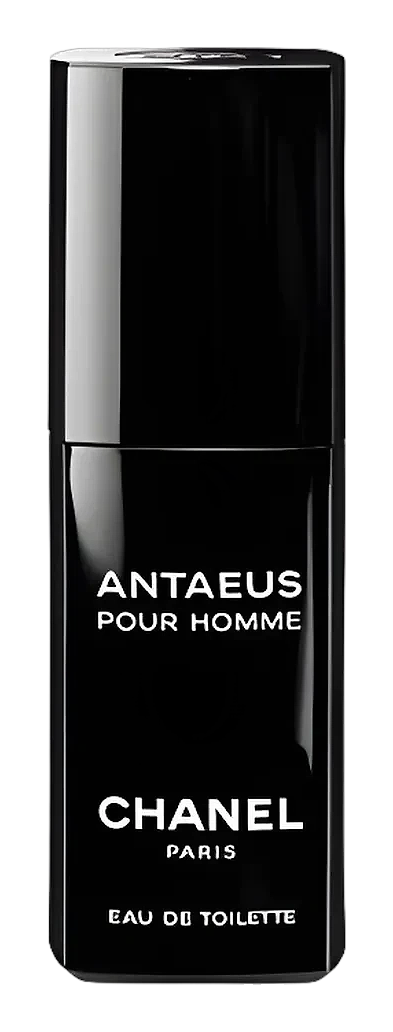
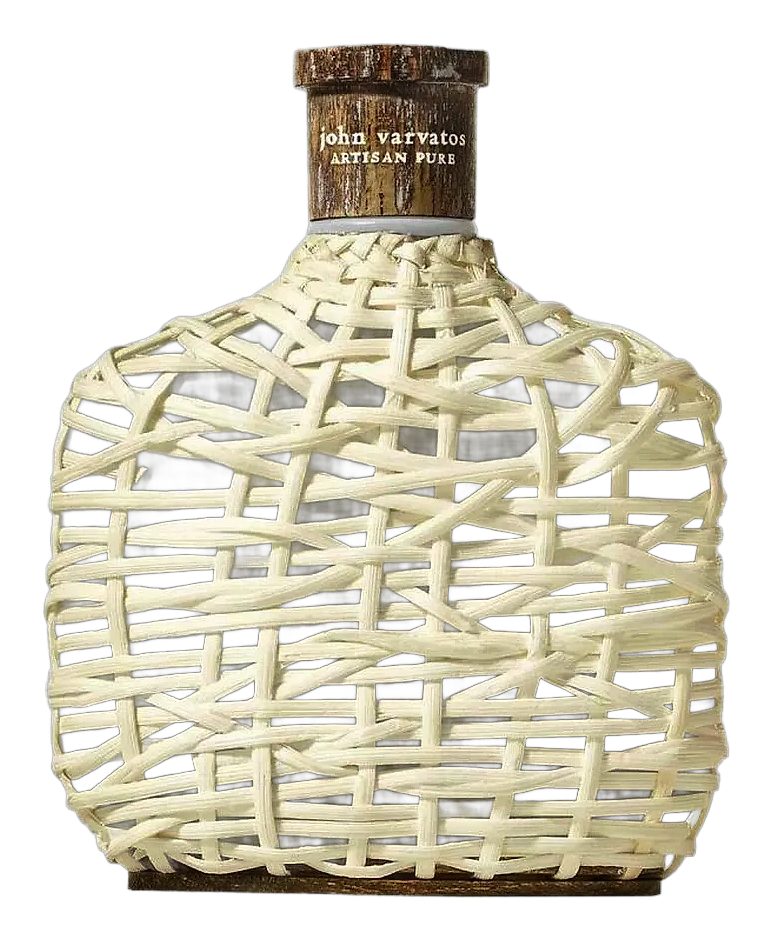
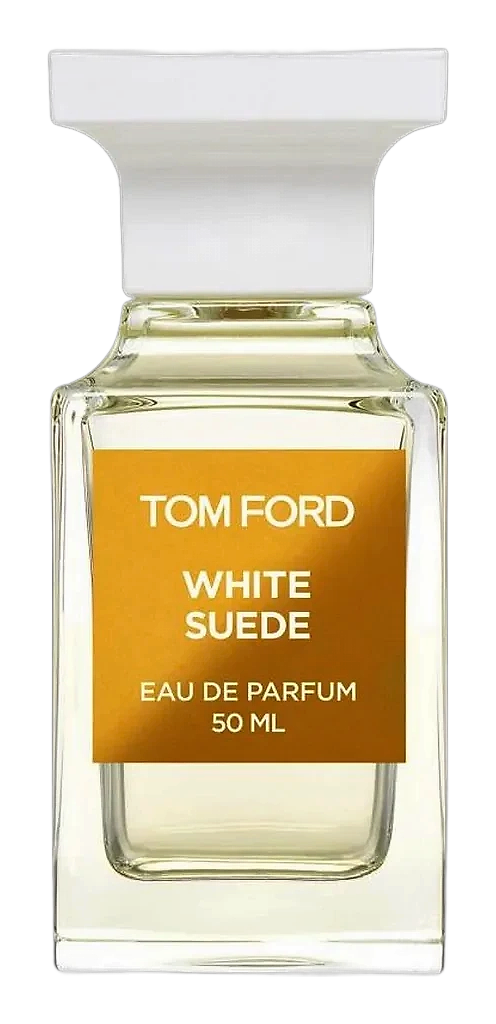
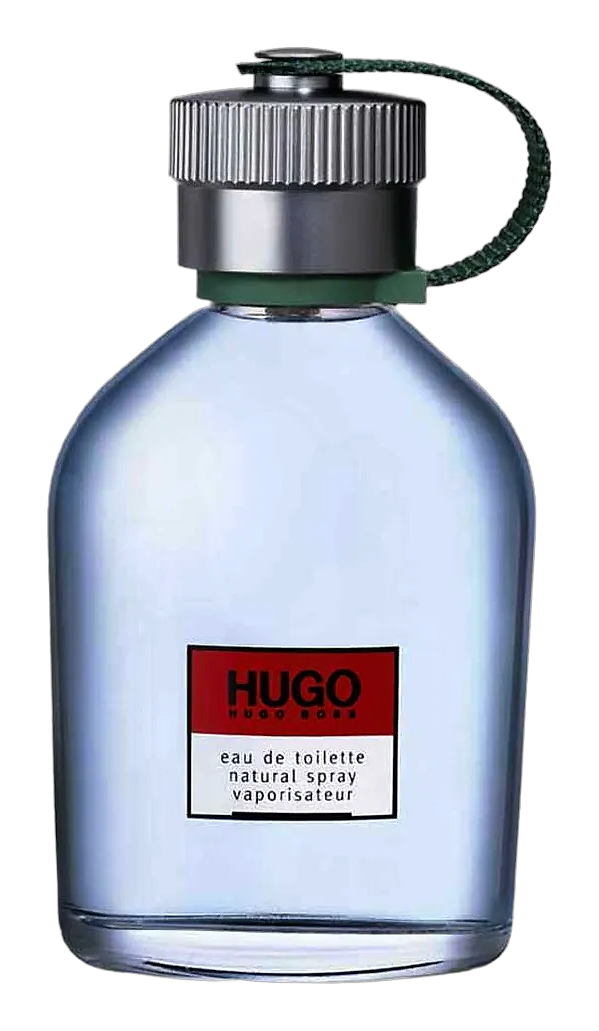
Fragrances featuring Thyme

Brands
Brands known for Thyme
Good to know
Questions, answered
The essentials on Thyme in perfumery: how it smells, where it comes from, and how it behaves on skin.
What does thyme smell like in perfume?
Thyme reads as herbaceous and camphorous with a distinctive spicy bite. Its scent combines earthy warmth with medicinal sharpness, dominated by thymol compounds that create its characteristic aromatic intensity.
Is thyme a top, middle, or base note?
Thyme functions primarily as a heart note in perfumery. It projects clearly in the mid-development phase of a fragrance while supporting drier base materials like oakmoss and labdanum in aromatic compositions.
Which fragrance families use thyme?
Aromatic and fougère fragrances rely most heavily on thyme. The ingredient also appears in chypre and certain masculine colognes where herbal authenticity grounds citrus or spicy top notes.
What chemistry gives thyme its scent?
Thymol and carvacrol are the primary aromatic compounds. These phenol constituents deliver thyme's characteristic medicinal, spicy character that distinguishes it from softer herbs like lavender.
Can synthetic alternatives replace natural thyme?
Synthetic thymol exists and offers chemical consistency, but natural thyme oil provides a complexity that mimics cannot fully replicate. Natural oil contains trace constituents that create a rounder, less clinical impression.
Where does the best thyme oil come from?
Morocco and Spain produce the majority of commercial thyme oil. Spanish Thymus zygis typically offers superior perfumery quality with a cleaner, more refined aromatic profile than wild-harvested varieties.
What pairs well with thyme in fragrance?
Lavender, rosemary, and clary sage create natural aromatic blends with thyme. For contrast, pairing it with citrus oils or warm resins like labdanum produces more complex, gender-neutral compositions.
Is thyme used in natural or organic perfumes?
Yes, thyme essential oil appears frequently in natural perfumery. It carries an ECOCERT-certified status and integrates well with other botanically-sourced ingredients in artisan fragrance formulations.