Osmanthus
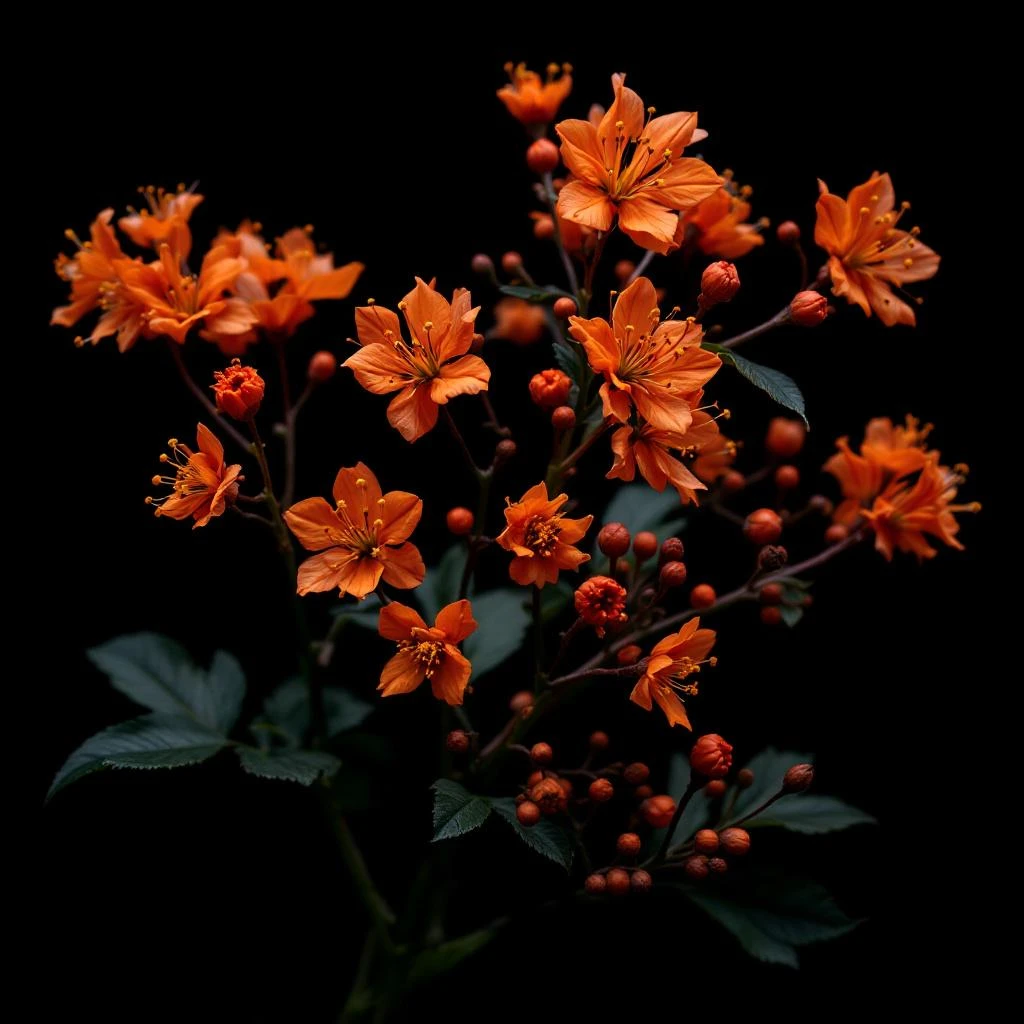
A golden flower with a paradox: its scent carries sweet apricot fruitiness alongside a dark, leathery depth rarely found in florals. One of perfumery's most coveted ingredients, osmanthus blooms for only weeks each year.
Character
How it smells
The apricot flower that haunts perfumery.
Harvesters collect osmanthus by spreading sheets beneath trees and shaking the branches, catching every fallen blossom before sunrise during a harvest window of just two to three weeks in autumn.









Origin
China
Chinese horticulturists began cultivating osmanthus over two thousand years ago during the Han dynasty, making it one of ten traditional Chinese flowers revered for their fragrance. The blossoms permeated every layer of Chinese life: scenting imperial gardens, flavoring teas, composing the basis of traditional liqueurs, and inspiring poets across dynasties. Osmanthus holds deep mythological significance—the flower is said to inhabit the moon alongside the Jade Rabbit, symbolizing reunion and fidelity in Chinese culture.
The city of Guilin adopted osmanthus as its official flower, and the Guilin Osmanthus Garden maintains one of the world's largest collections of cultivars. For centuries, the scent remained almost entirely Eastern, embedded in Chinese daily life while unknown to Western perfumery. European traders encountered the flower in the nineteenth century and introduced osmanthus to French nez, where it found permanent residence in the perfumer's organ.
Today, it bridges Eastern sensory tradition and Western creative practice, carrying two millennia of cultural meaning into contemporary fine fragrance.
Wears it best
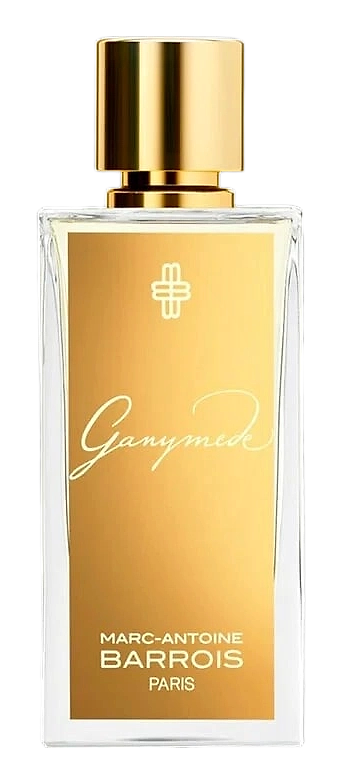
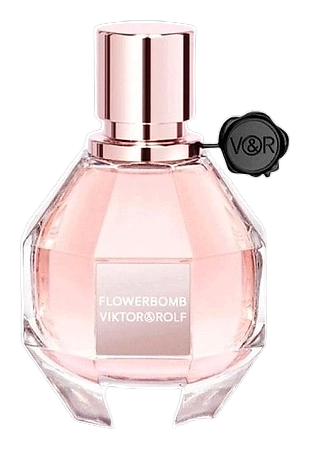
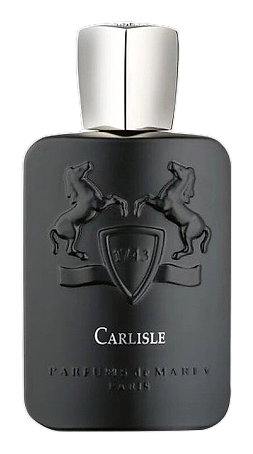
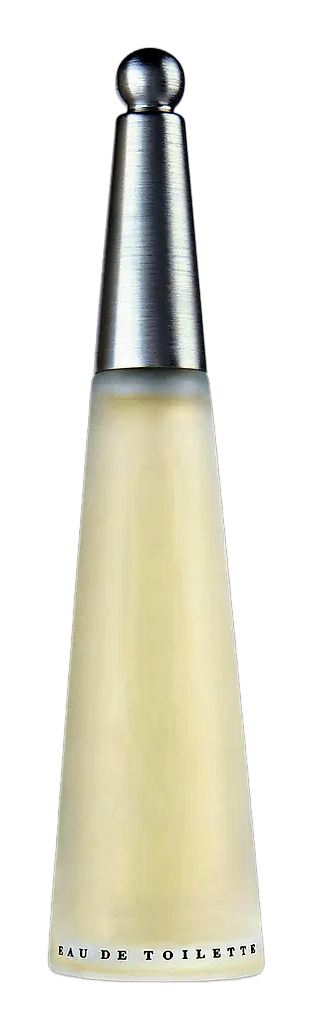
Fragrances featuring Osmanthus

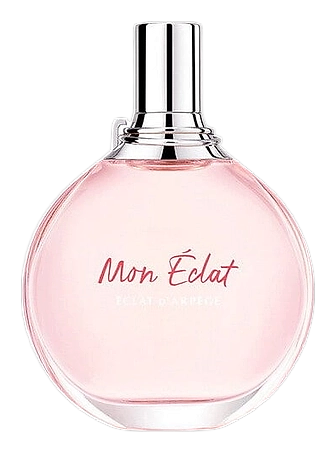
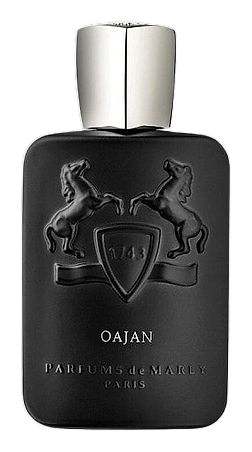
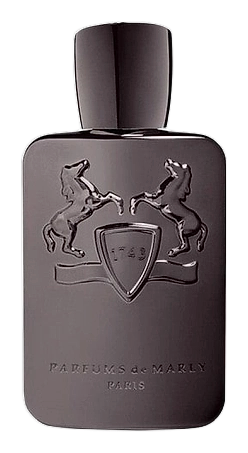

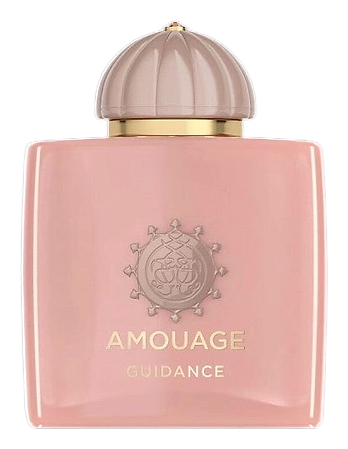


Brands
Brands known for Osmanthus
Good to know
Questions, answered
The essentials on Osmanthus in perfumery: how it smells, where it comes from, and how it behaves on skin.
What does osmanthus smell like?
Osmanthus smells like apricot more than any other flower. Fruity, jam-like sweetness leads, followed by warm floral tones and a surprisingly dark, leathery undertone that sets it apart from conventional florals.
How is osmanthus absolute produced?
Osmanthus requires solvent extraction rather than steam distillation. Hexane or similar solvents extract aromatic compounds from fresh blossoms, producing a concrete that is then washed with alcohol to yield the absolute.
Where does osmanthus grow?
Southern China dominates commercial production, particularly Guilin in Guangxi, Chengdu in Sichuan, and Hangzhou in Zhejiang. The humid subtropical climate of these regions shapes the flower's characteristic scent profile.
When is osmanthus harvested?
Harvest occurs during a brief two-to-three-week window in late September through October. Blossoms must be collected immediately after falling from the tree, before their volatile compounds degrade.
Why is osmanthus considered rare?
Approximately 800 to 1,000 kilograms of blossoms yield just one kilogram of concrete. Urbanization has reduced cultivation areas around traditional growing regions, intensifying supply pressure in recent years.
What role does osmanthus play in Chinese culture?
It is one of ten traditional Chinese flowers cultivated for over two thousand years. Osmanthus appears in poetry, mythology, cuisine, and traditional liqueurs, symbolizing reunion and fidelity in Chinese cultural tradition.
Does natural osmanthus absolute have a consistent scent?
Ionones and gamma-decalactone in osmanthus absolute create its apricot character, but natural material varies by harvest year, region, and cultivar. This variation makes natural osmanthus both desirable and challenging for perfumers.
Which fragrance families pair well with osmanthus?
Osmanthus bridges fruity and floral categories, pairing naturally with citrus, tea accords, woody notes, and leather. It adds warmth and realistic fruit character to otherwise abstract floral compositions.