Star Anise
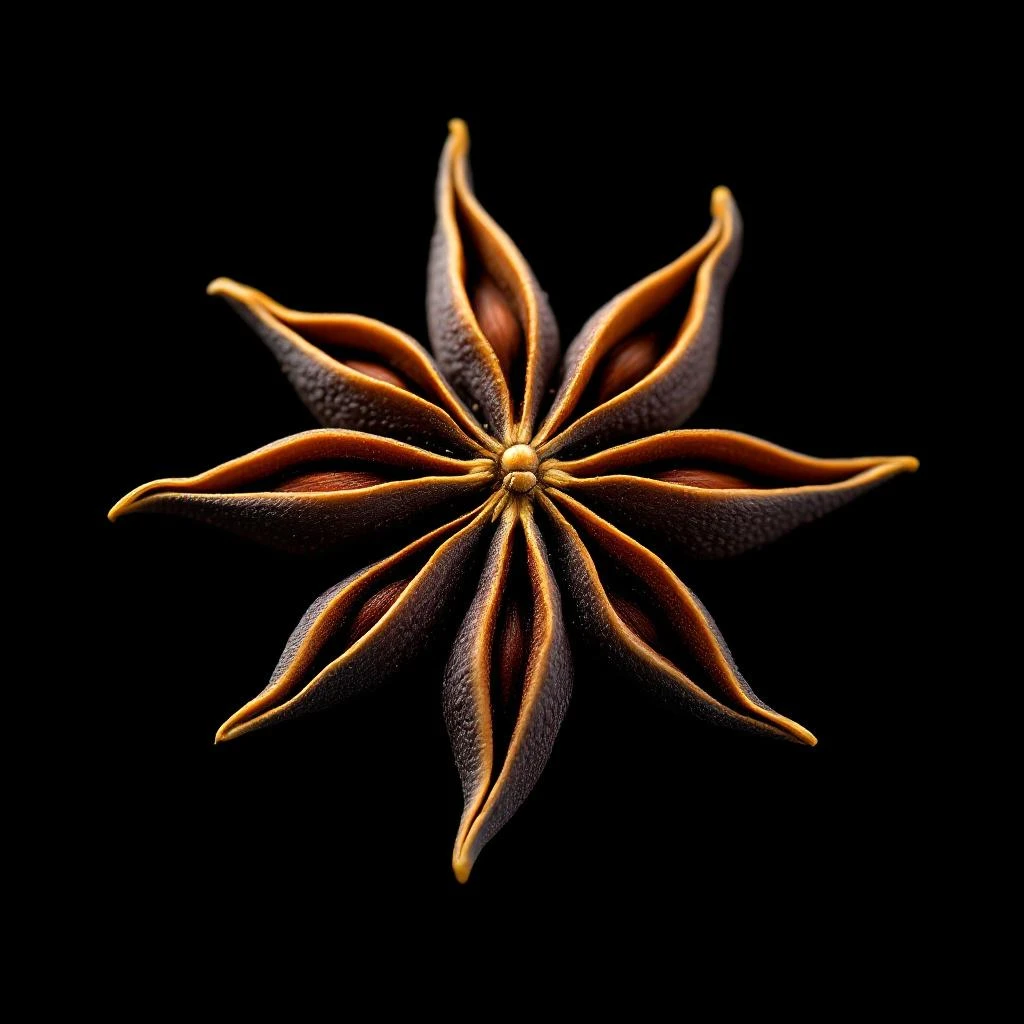
Star anise (Illicium verum) delivers warm, sweet-spicy aroma with a distinct licorice character. Native to southern China and northern Vietnam, this eight-pointed fruit has deep roots in Asian kitchens and ancient medicine, now prized by perfumers for its rich, complex warmth.
Character
How it smells
Sweet, spicy, and unmistakably warm—star anise bridges kitchen and perfume.
True star anise comes from Illicium verum, a completely different botanical family than anise seed, yet both contain trans-anethole, the compound responsible for their shared licorice character.








Origin
China
Star anise originated in the mountainous regions of southern China, where it has grown for centuries. Chinese texts from the Tang dynasty mention it as a culinary and medicinal ingredient. The spice traveled along overland trade routes to the Mediterranean, reaching European markets by the late 1500s.
Europeans quickly adopted it for both cooking and pharmacy. Ancient Egyptians cultivated anise relatives in large quantities around 1500 BC for cooking and medicinal preparations, according to archaeological records. Greeks prized anise for its aromatic and therapeutic properties.
Today, China and Vietnam remain the primary producers, with Guangxi province and the Lào Cai region driving global supply. The spice moved from medicine cabinets and kitchens into perfumery during the 19th century, when warmer, bolder fragrance profiles came into fashion.
Wears it best
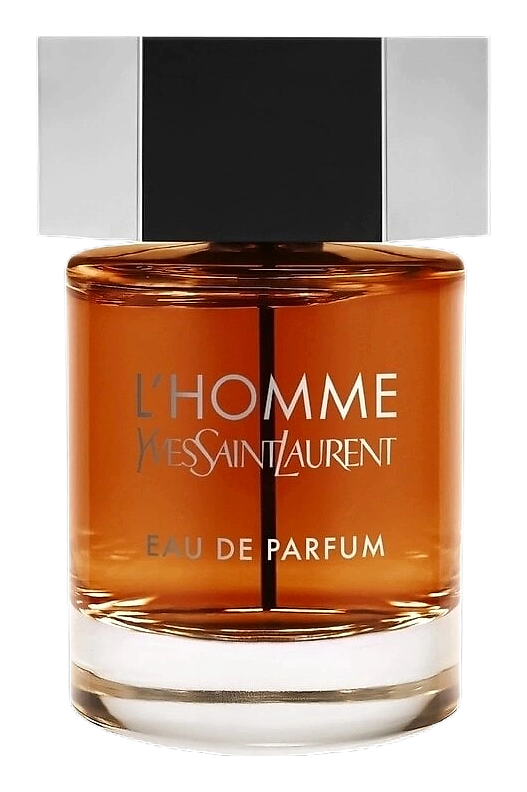
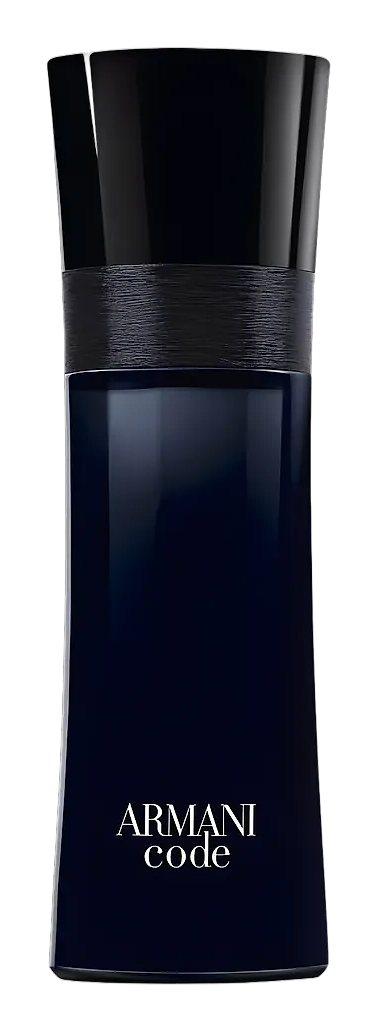
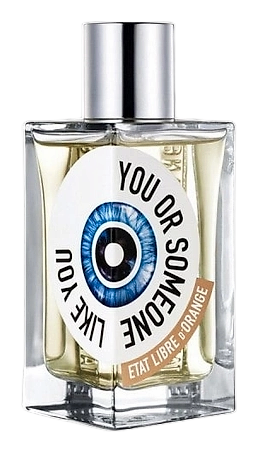
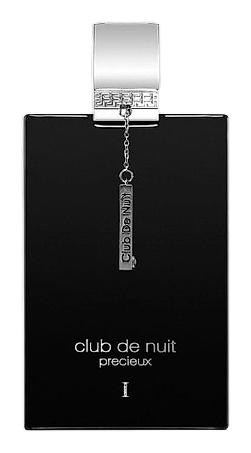
Fragrances featuring Star Anise
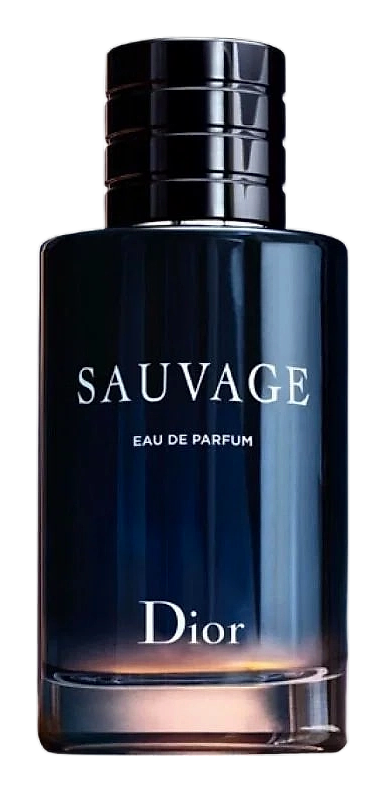
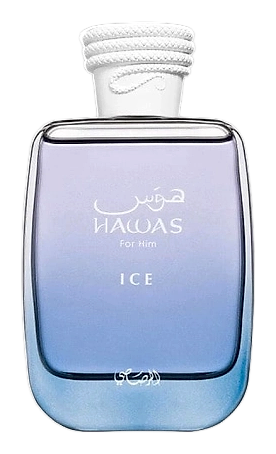

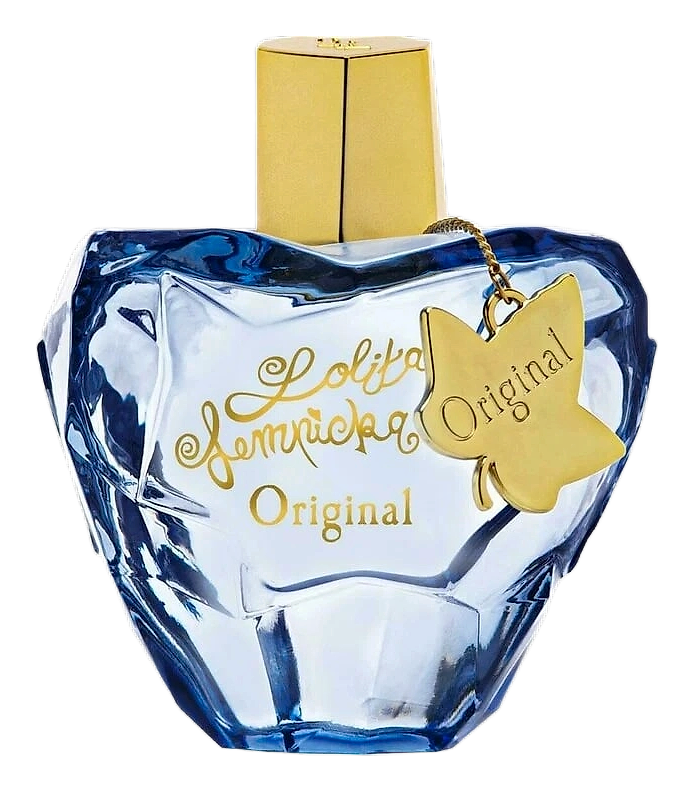



Brands
Brands known for Star Anise
Good to know
Questions, answered
The essentials on Star Anise in perfumery: how it smells, where it comes from, and how it behaves on skin.
Is star anise safe to use in fragrances?
True star anise (Illicium verum) is safe for fragrance use. No major IFRA restrictions apply to this ingredient. Avoid Japanese star anise (Illicium anisatum), a different and toxic plant species that causes serious neurological symptoms.
Is star anise sustainably produced?
Star anise production in China and Vietnam operates with generally sustainable practices, though supply chains face pressure from weather volatility and political instability in key growing regions.
What does star anise smell like?
Star anise carries a warm, sweet, and spicy character with a distinct licorice-like quality. It adds depth and a subtle sweetness that works particularly well in oriental and spicy fragrance compositions.
Can synthetic alternatives replace natural star anise in perfumery?
Synthetic versions of key aroma compounds like anethole can approximate star anise scent, though natural oil offers a more complex profile. Many perfumers combine both approaches depending on cost and formulation goals.
How is star anise oil extracted?
Steam distillation pulls essential oil from dried, ground star anise fruits. The process typically runs three to five hours and yields a small percentage of oil. The oil carries the signature warm, sweet-spicy character used in fine fragrances.
Does star anise have IFRA restrictions?
No major IFRA restrictions currently limit star anise use in consumer fragrances. Professional perfumers still handle the concentrated oil with standard precautions for skin sensitization risks in undiluted form.
What is the difference between star anise and anise seed?
Star anise comes from Illicium verum, a completely different botanical family than European anise seed. Despite sharing trans-anethole, they produce distinctly different aromatic profiles, with star anise being warmer and sweeter.
Where does most star anise come from?
China and Vietnam dominate global star anise production. Guangxi province in southern China and the Lào Cai and Yen Bai regions of northern Vietnam are the primary growing areas, though cultivation has expanded to other parts of East and Southeast Asia.