Elisabeth Andrék
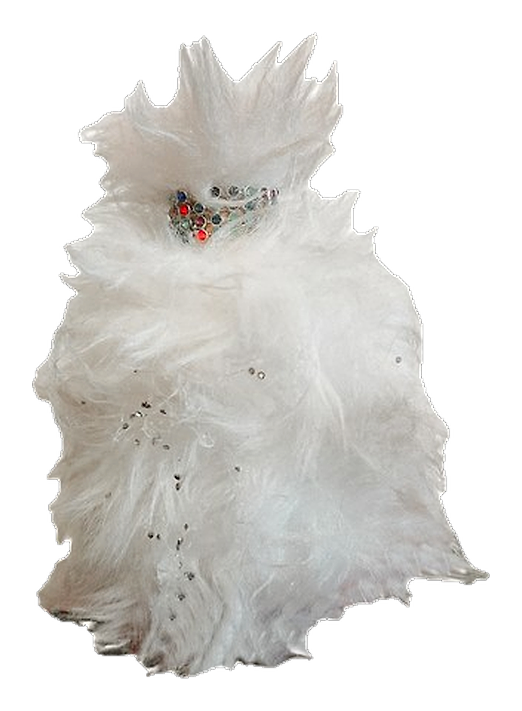
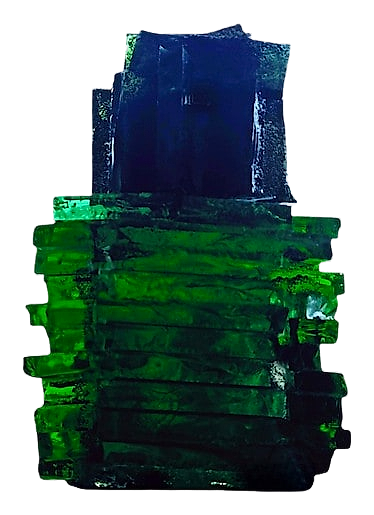
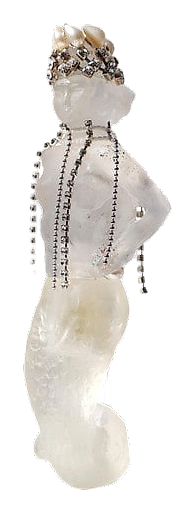
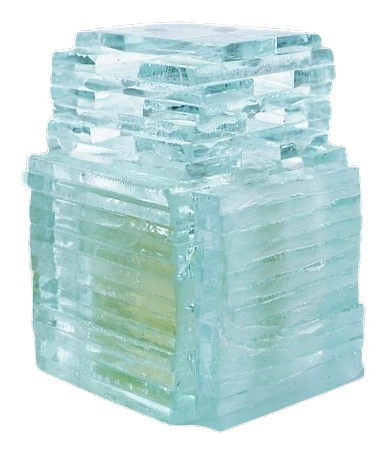
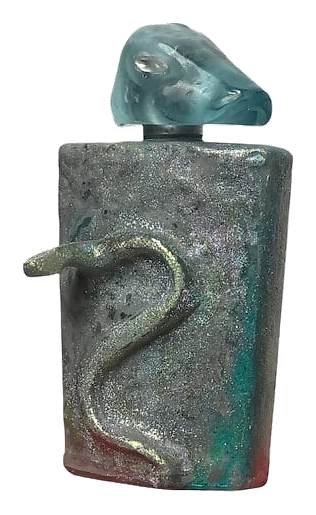
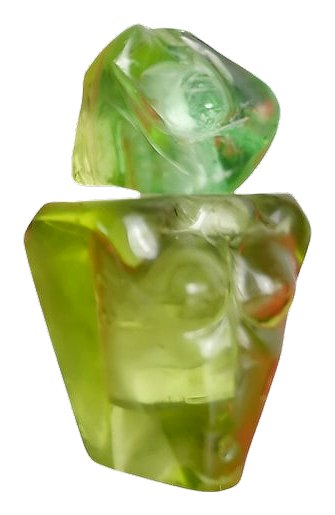
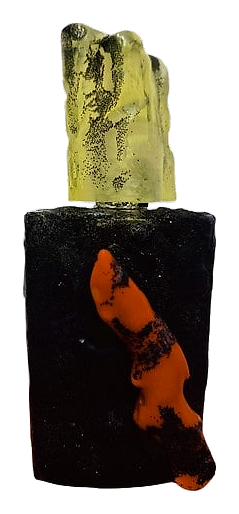
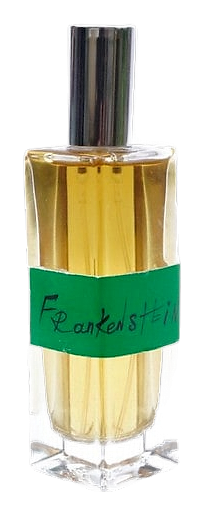
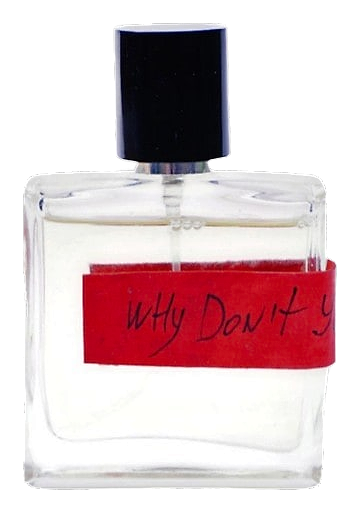
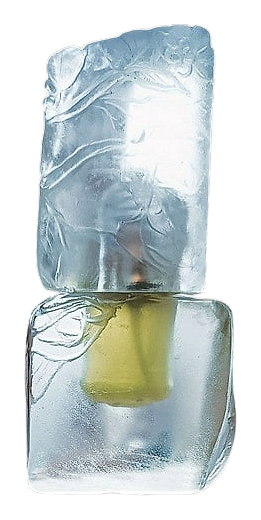
Elisabeth Andrék occupies a distinctive corner of the fragrance world. She creates perfumes and the glass vessels that hold them, a dual practice that shapes everything about her work. Her perfumes are described as unusual, and she approaches each creation as both perfumer and artisan. The craft of glass runs through her work entirely: she designs and makes her own bottles and creates jewelry from glass as well. This hands-on relationship with materials allows her to conceive fragrances as complete objects rather than abstract compositions to be packaged later. Rather than working within established houses, Andrék operates as an independent creator, building her practice around direct sensory exploration. Her work suggests someone who found perfumery through curiosity and stayed through craft, building something personal rather than pursuing industry recognition.
The hits
Notable creations


The signature
How Elisabeth composes
Andrék's style is difficult to pin down precisely because her work resists categorization. Her handmade glass bottles suggest an artisanal approach: irregular, personal, crafted rather than manufactured. The perfumes themselves likely share this quality of being off the established path. Without access to specific compositions, what can be said is that her work attracts people looking for something outside mainstream fragrance. Her ratings on fragrance platforms suggest moderate appreciation rather than blockbuster success, which fits an independent creator making work for a discerning rather than broad audience. The glass and jewelry elements indicate a visual and tactile sensibility that extends beyond scent alone.
Philosophy
What drives Elisabeth
For Andrék, the bottle and the fragrance are inseparable. She creates unusual perfumes, which implies a deliberate resistance to mainstream expectations. Her practice spans multiple disciplines because she sees no boundary between the scent and its container. Each fragrance emerges alongside its vessel, shaped by the same creative impulse. This integrated approach means she considers how a perfume will look as much as how it will smell. Glass is not decoration but part of the creative act. She works slowly, with attention to the physical object as much as the liquid inside. Her philosophy rejects the idea that a perfume exists separately from its packaging and presentation.
The houses
Maisons Elisabeth composes for
In the same league