The Story
Why it exists.
The beginning
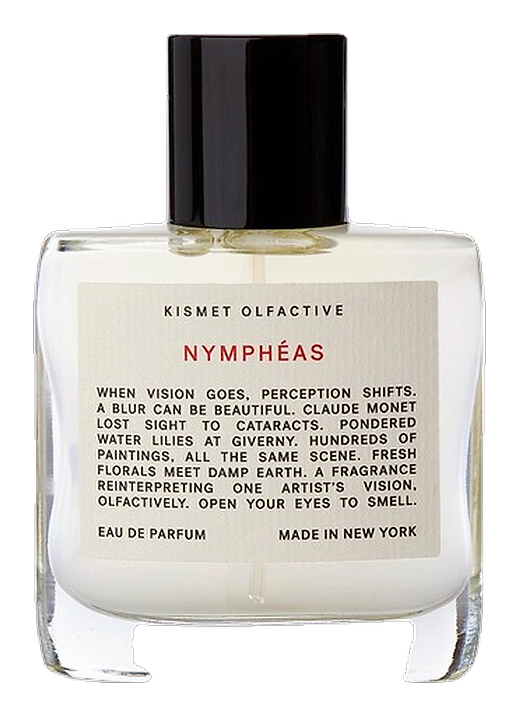
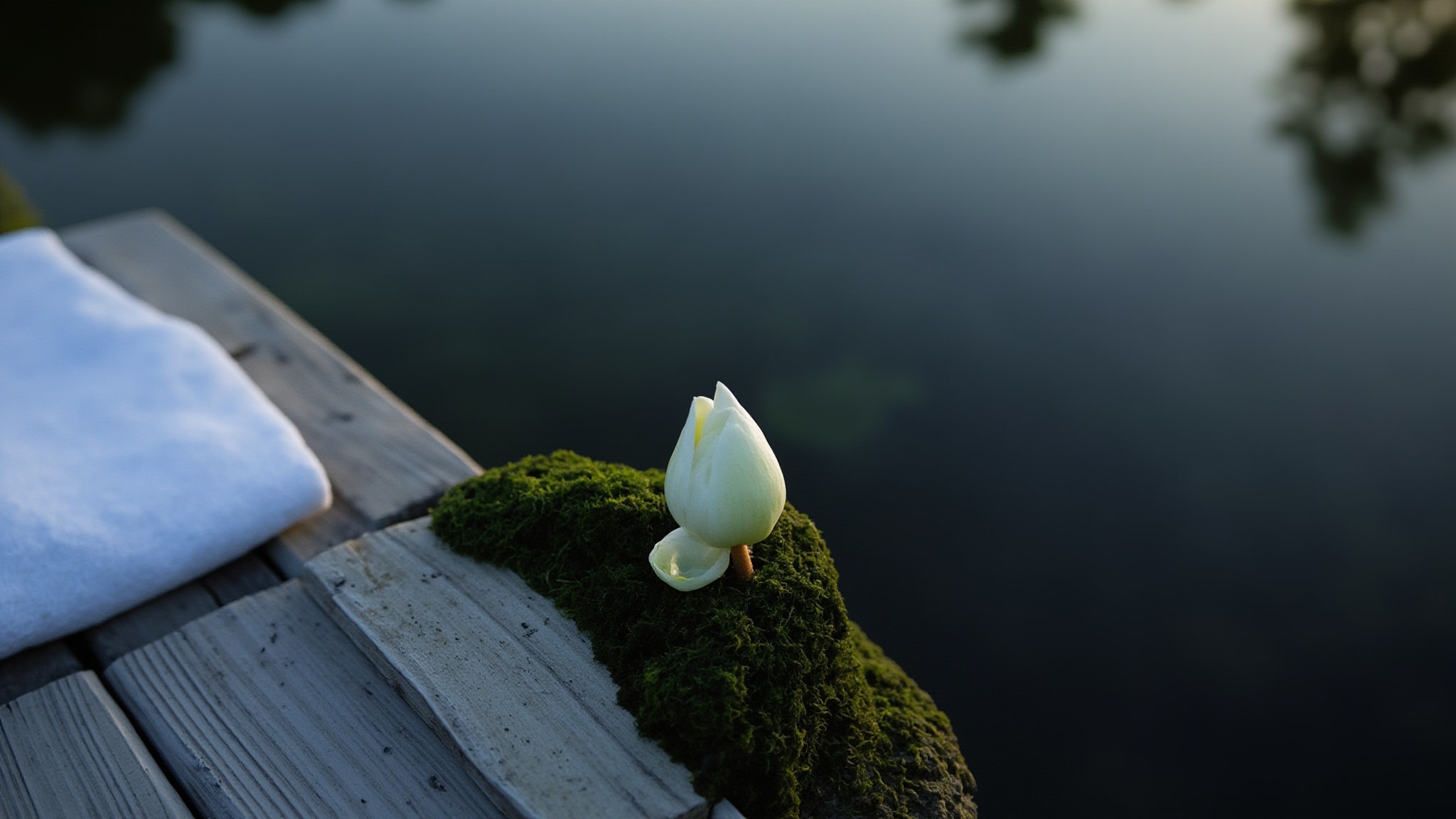
Nymphéas takes its name from Monet's great cycle of paintings, the water lilies that became one of his most celebrated series. The series became a meditation on perception itself: what changes when what you see becomes uncertain? Kismet Olfactive approached that same ambiguity through scent. Aquatic notes translate the literal subject matter, but the real question was how to make water smell like something more than a top note that vanishes. The answer lives in the heart, where lily of the valley and lotus bring a cool, green stillness that keeps the composition from dissolving into something forgettable. These florals unfold with a translucent quality, like light filtering through a pond surface, offering a softness that feels intentional rather than fleeting.
What makes this work is the tension between transparency and substance. Aquatic notes have a reputation for being fleeting, a pleasant opening that disappears before you reach the drydown. Nymphéas avoids that by threading mate through the heart, adding a slight herbal bitterness that lifts the florals away from sweetness. Lily of the valley doesn't smell like a generic floral accord; it carries a cool, almost dewy quality that reads green without being grassy. Lotus adds a watery softness that reinforces the whole aquatic structure. Then oakmoss does what it always does, adds earth, adds depth, stops the whole composition from floating away.
The evolution
The opening hits bright and immediate, aquatic notes doing what aquatic notes do, making everything feel clean and open. Thirty minutes in, the lily of the valley begins asserting itself, and the composition shifts from transparent to translucent. Still light. Still cool. But there's weight now. The mate introduces itself quietly, a slight bitterness that keeps the florals from becoming sweet. By hour two, the oakmoss has settled into the base, and the vetiver is doing the real work, warm, slightly smoky, intimate. The drydown stays close and grounded, lingering on the skin with a presence that doesn't demand attention. The vetiver and oakmoss gradually merge into something that smells like the memory of a garden rather than the garden itself, a gentle fading that leaves a lasting impression of calm and depth.
Cultural impact
Nymphéas draws direct inspiration from Monet's Water Lilies series, translating impressionist brushwork into an aquatic-floral narrative. The fragrance captures the serene, reflective quality of those iconic paintings, inviting the wearer into a world of quiet contemplation. By grounding aquatic notes with oakmoss and vetiver, Nymphéas creates a scent that speaks softly but with complete clarity. The composition demonstrates how subtle, well-crafted fragrances can hold as much artistic weight as their bolder counterparts, offering an alternative approach to perfumery that values nuance and restraint.