


    Brand Profile

    Kismet Olfactive is an independent fragrance studio that operates out of New York City. Founded by perfumer Shabnam Tavakol, the house blend…More

    United States·Est. 2018·Site

    4.3

    Rating

    12
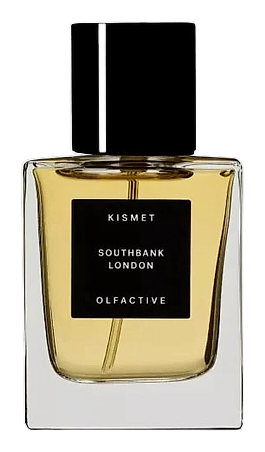
    Southbank London by Kismet Olfactive
    Best Seller
    4.3

    Southbank London

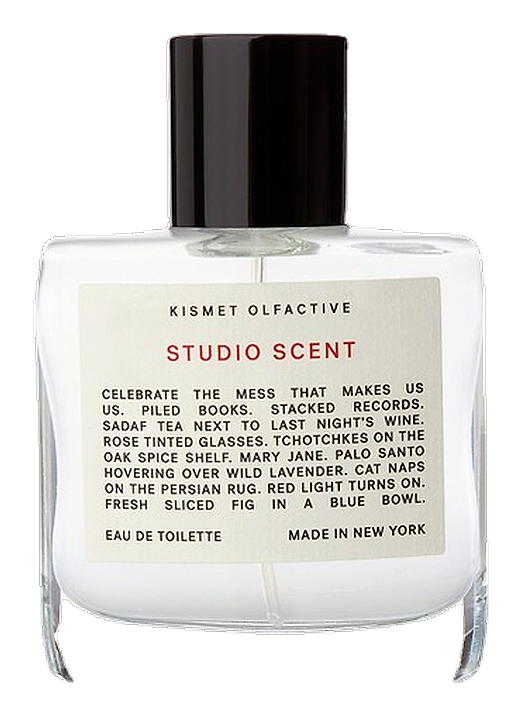
    Studio Scent by Kismet Olfactive
    Best Seller
    4.4

    Studio Scent

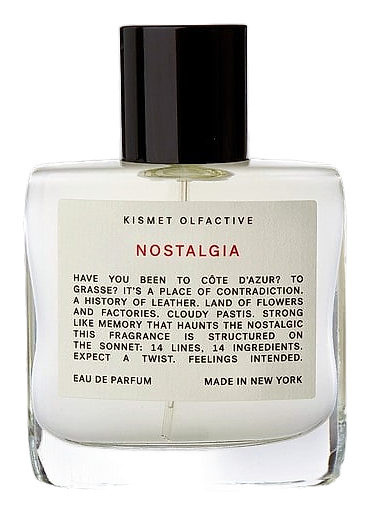
    Nostalgia by Kismet Olfactive
    Best Seller
    4.2

    Nostalgia

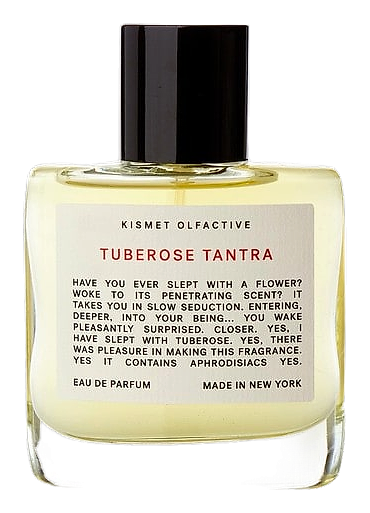
    Tuberose Tantra by Kismet Olfactive
    4.2

    Tuberose Tantra

    Macba Barcelona by Kismet Olfactive
    4.2

    Macba Barcelona

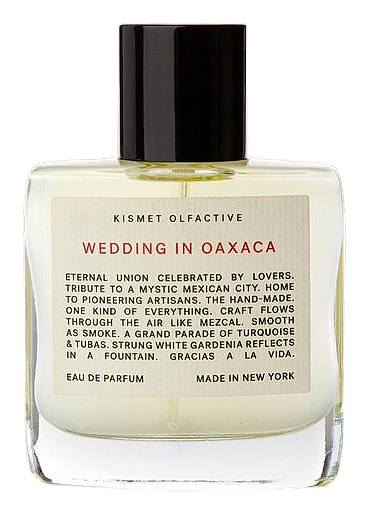
    Wedding in Oaxaca by Kismet Olfactive
    4.1

    Wedding in Oaxaca

    République Paris by Kismet Olfactive
    4.0

    République Paris

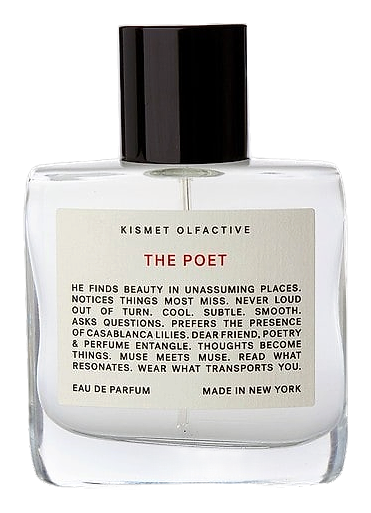
    The Poet by Kismet Olfactive
    4.0

    The Poet

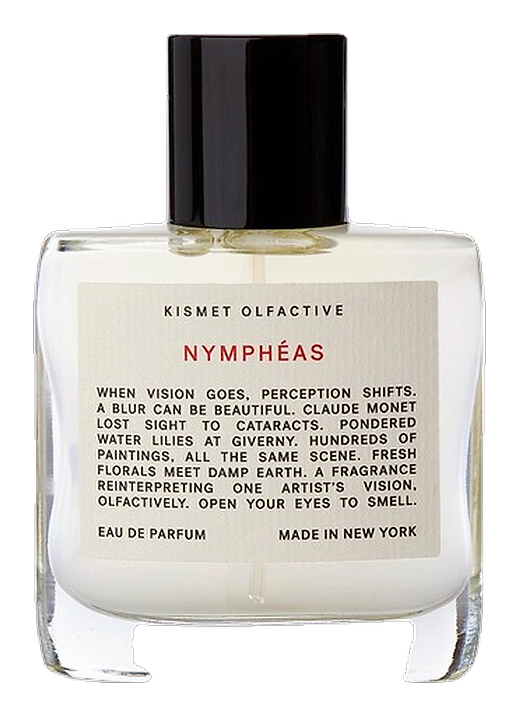
    Nymphéas by Kismet Olfactive
    3.9

    Nymphéas

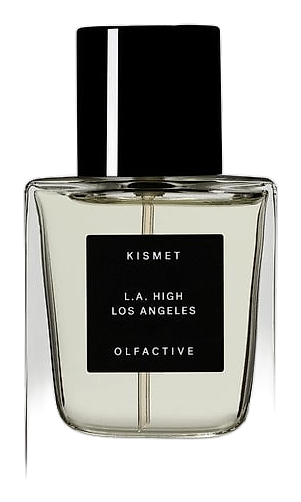
    L.A. High by Kismet Olfactive
    3.6

    L.A. High

    Tompkins New York City by Kismet Olfactive
    3.5

    Tompkins New York City

    Embarcadero San Francisco by Kismet Olfactive
    2.5

    Embarcadero San Francisco

    The Heritage

    The Story of Kismet Olfactive

    Kismet Olfactive is an independent fragrance studio that operates out of New York City. Founded by perfumer Shabnam Tavakol, the house blends Persian cultural references with the structure of classic French perfumery. Each scent is released as a limited edition, allowing the brand to experiment with niche ingredients while keeping production intimate. The line includes Studio Scent (2019), Nostalgia (2018), Tuberose Tantra (2021) and several location‑inspired releases such as Macba Barcelona (2019) and Wedding in Oaxaca (2020). Kismet positions itself as a laboratory for scent stories rather than a commercial perfume house.

    Heritage

    Shabnam Tavakol grew up in California before moving to France to study at the Grasse Institute of Perfumery, a school known for its rigorous training in raw material selection and formulation technique. After completing her studies, she returned to the United States and established Kismet Olfactive in New York City. The brand name, Kismet, translates from Persian to “fate” or “destiny,” a nod to the founder’s heritage and the serendipitous moments that inspire each composition. The first public release, The Poet, arrived in 2018 and was followed by a series of fragrances that reference personal memories, travel experiences, and literary forms. In 2019 Kismet launched Studio Scent and Macba Barcelona, two scents that highlighted the studio’s willingness to explore both abstract concepts and specific places. 2020 saw the introduction of Wedding in Oaxaca and L.A. High, each framed as a narrative snapshot of a ceremony and a cityscape respectively. The following year the house added Tuberose Tantra, République Paris and Nymphéas, expanding its palette to include floral intensity and aquatic freshness. Throughout its development, Kismet has remained a small‑scale operation, producing each batch in limited quantities and distributing primarily through its own website and select boutique partners. The brand’s history reflects a continuous dialogue between the founder’s Persian roots, French technical training, and the multicultural environment of New York.

    Craftsmanship

    Production at Kismet Olfactive follows a hands‑on approach. After formulating a scent in the studio, Shabnam Tavakol works with a small batch manufacturer in New York that adheres to Good Manufacturing Practices. The house selects raw materials based on provenance; for example, the rose oil used in Tuberose Tantra originates from Bulgaria’s Rose Valley, while the sandalwood in République Paris is sourced from sustainable Indian plantations certified by the Forest Stewardship Council. When natural extracts are unavailable or prohibitively expensive, the studio commissions high‑purity aroma chemicals that match the desired olfactory profile without compromising safety. Each batch undergoes stability testing in controlled temperature and humidity conditions to ensure that the fragrance retains its intended character over time. Bottles are filled by hand, and the brand limits each release to a few thousand units, which helps maintain consistency across the production run. Quality control includes organoleptic evaluation by the founder and a panel of trusted noses before any bottle leaves the facility. The studio also documents each ingredient’s batch number, allowing traceability from raw material to finished product.

    Design Language

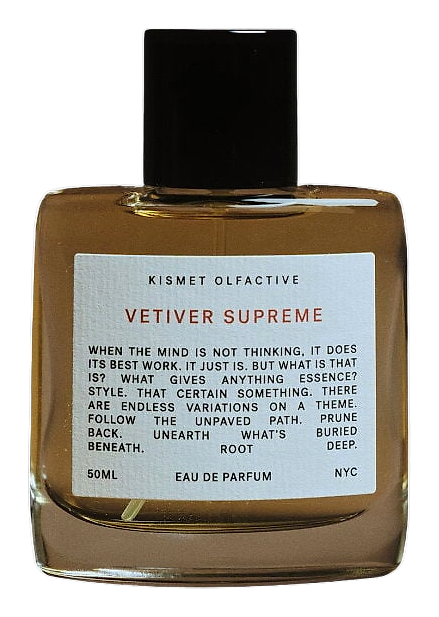
    Kismet Olfactive’s visual identity mirrors its literary inspiration. Bottles feature clean, rectangular glass with minimal labeling; the brand name appears in a simple serif typeface, while the fragrance title is printed in a smaller, italic script that resembles handwritten notes. Caps are matte black or brushed metal, providing a tactile contrast to the smooth glass. The packaging includes a small card that outlines the scent’s story, often accompanied by a short poem or a sketch. Color palettes are restrained – muted earth tones for woody scents, pastel blues for aquatic compositions, and deep burgundy for richer florals. Marketing imagery frequently shows the founder in a studio setting, surrounded by raw ingredients, reinforcing the craft‑focused narrative. Social media posts favor natural light and close‑up details of the bottle, the raw material, or the handwritten description, creating a cohesive brand image that feels both intimate and curated.

    Philosophy

    Kismet Olfactive treats scent as a language for personal storytelling. The studio’s creative process begins with a written prompt – a poem, a travel diary entry, or a memory of a specific moment – and then translates that narrative into olfactory form. Shabnam Tavakol emphasizes transparency in ingredient choice, preferring natural extracts when they align with the intended mood while allowing synthetics to fill structural gaps. The brand values sustainability, sourcing raw materials from growers who practice responsible harvesting and supporting small‑scale farms when possible. Each fragrance is released with a brief description that explains the inspiration, encouraging wearers to connect the scent to its backstory. Kismet avoids mass‑market trends, instead focusing on timeless compositions that can evolve with the wearer’s own experiences. The studio also encourages feedback from its community, using comments to refine future releases rather than to chase sales metrics.

    Key Milestones

    2018

    Launch of The Poet, the first fragrance released under the Kismet Olfactive label.

    2019

    Release of Studio Scent and Macba Barcelona, expanding the brand’s geographic storytelling.

    2020

    Introduction of Wedding in Oaxaca and L.A. High, marking the brand’s first foray into ceremony‑inspired scents.

    2021

    Launch of Tuberose Tantra, République Paris and Nymphéas, showcasing a shift toward more floral and aquatic compositions.

    2022

    Kismet begins collaborating with small‑scale farms in Iran for saffron and rose extracts, reinforcing its Persian heritage.

    2023

    The studio opens a pop‑up shop in Brooklyn, allowing customers to experience the scents in person for the first time.

    At a Glance

    Brand profile snapshot

    Origin

    United States

    Founded

    2018

    Heritage

    8

    Years active

    Collection

    1

    Fragrances released

    Avg Rating

    4.3

    Community sentiment

    Release Rhythm

    2021
    3
    2020
    3
    2019
    4
    2018
    2
    kismetolfactive.com

    Did You Know?

    Interesting Facts

    Distinctive details and defining moments that shape the house personality.

    01

    The brand name Kismet comes from the Persian word for “fate,” reflecting the founder’s cultural background.

    02

    Shabnam Tavakol studied at the Grasse Institute of Perfumery, one of the few American‑born perfumers to receive formal training in the historic French perfume region.

    03

    Nostalgia is structured like a 14‑line sonnet, with each line representing a different olfactory note.

    04

    The studio sources rose oil from Bulgaria’s Rose Valley and sandalwood from FSC‑certified Indian plantations, emphasizing sustainable procurement.

    The Artisans

    The Perfumers