Aquatic Notes
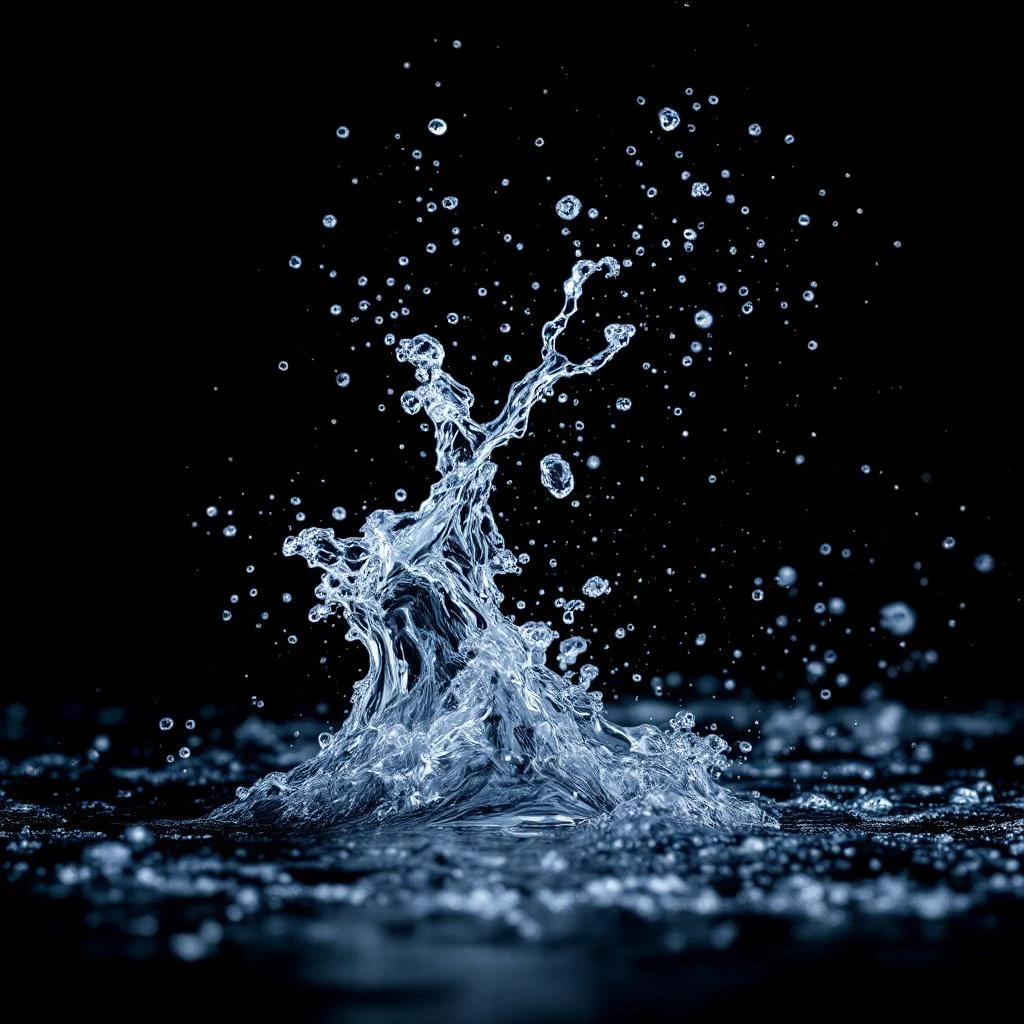
Marine notes capture the crystalline freshness of ocean air and sea spray through synthetic molecules, primarily the legendary Calone and its modern descendants. These accords evoke salt-kissed breeze, wet stone, and the vast blue horizon without ever touching actual seawater.
Character
How it smells
The synthetic molecule that bottled the ocean's breath
Calone is so potent that a single grain could theoretically perfume an Olympic-sized swimming pool. Pfizer chemists discovered it in 1966 while researching tranquilizers, not fragrances.









Origin
United States
The marine note represents one of perfumery's youngest olfactory families, born from a pharmaceutical laboratory accident in 1966. Pfizer chemists J.J. Beereboom, D.P. Cameron, and C.R. Stephens were synthesizing oxygenated derivatives for benzodiazepine tranquilizer research when they created 7-methyl-2H-1,5-benzodioxepin-3(4H)-one. The molecule sat dormant for two decades, patented but unused, until its patent expiration in the late 1980s coincided with shifting cultural tides.
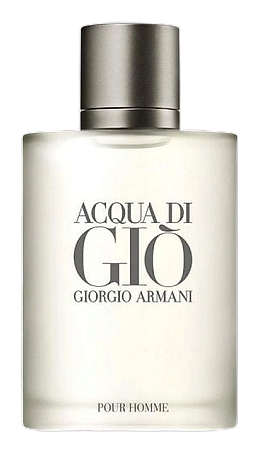
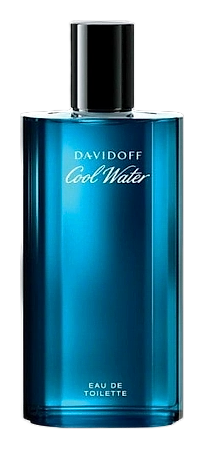
The first fragrance to showcase Calone was Aramis New West (1988), composed by Yves Tanguy, but it was Davidoff Cool Water (1990) that unleashed the aquatic revolution upon the world. The 1990s became the aquatic decade as the scent of synthetic sea breeze came to define an era of fresh, sporty, unisex fragrances. L'Eau d'Issey Miyake (1992) and Acqua di Giò (1996) followed, cementing marine notes as a permanent fixture in the perfumer's vocabulary. Critics eventually decried the trend as overused, but the 2020s have witnessed a sophisticated rehabilitation. Modern perfumers deploy marine molecules with surgical restraint, using trace amounts to create atmospheric effects rather than overt aquatic statements, proving that the scent of the ocean still has depths left to explore.
Wears it best
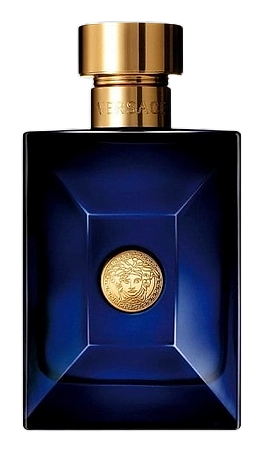
Fragrances featuring Aquatic Notes
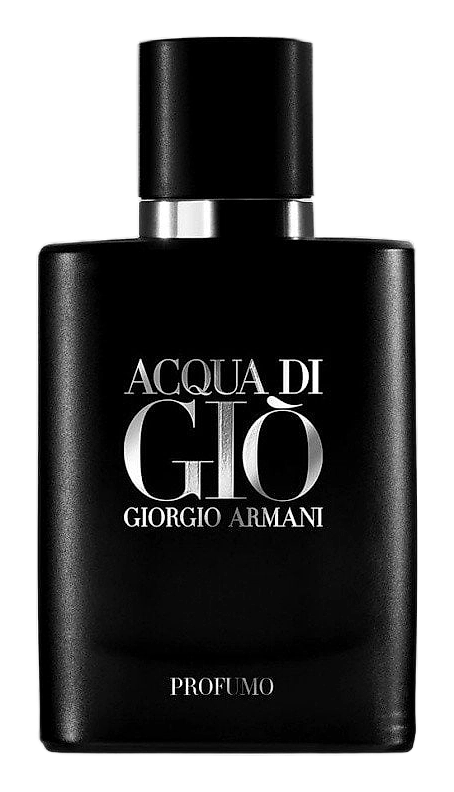
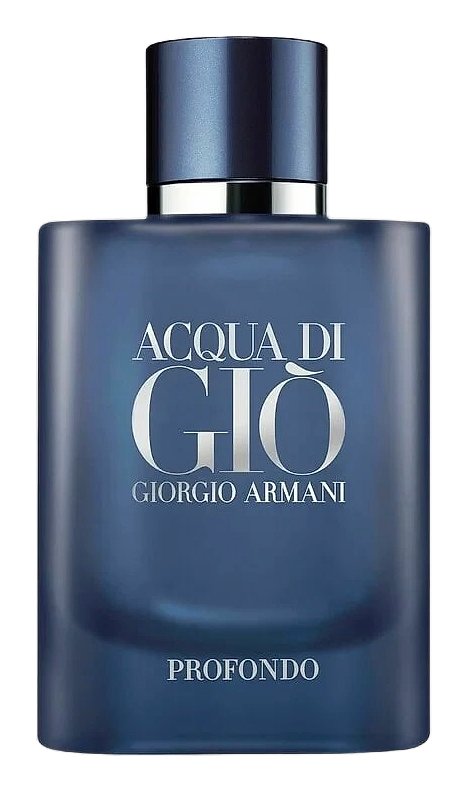
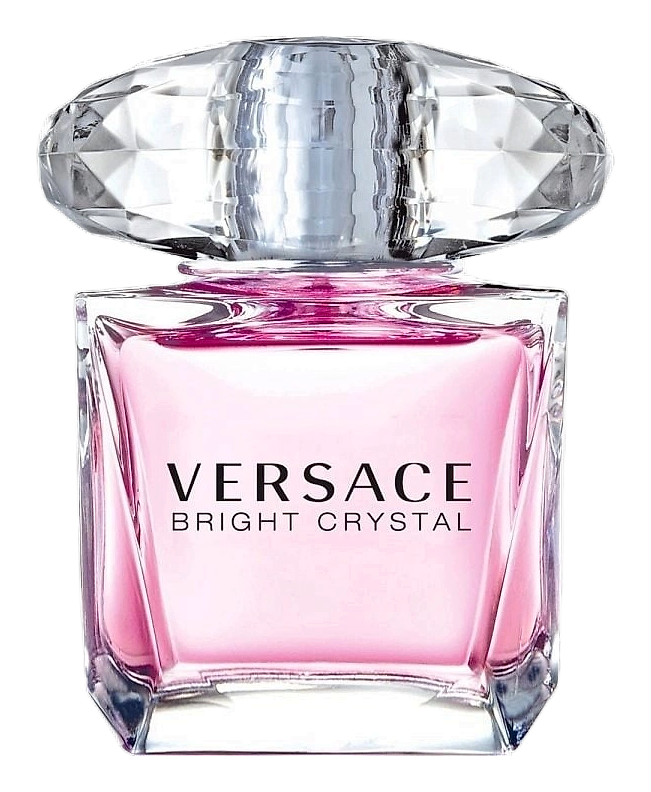
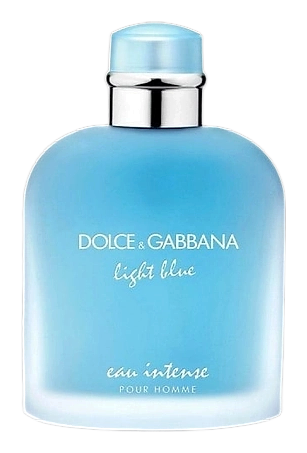
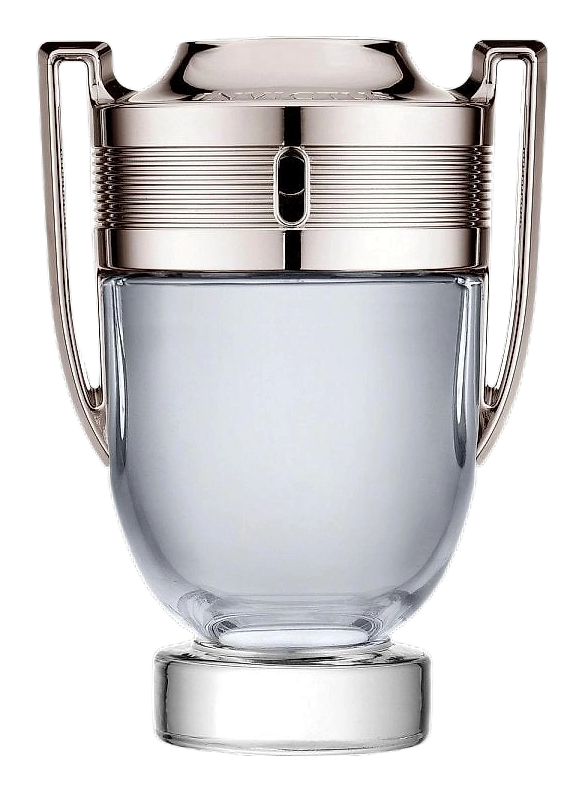
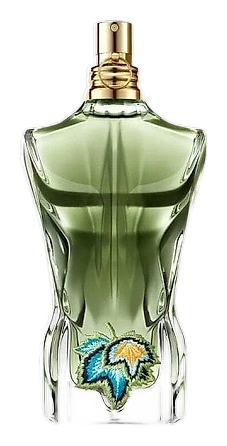
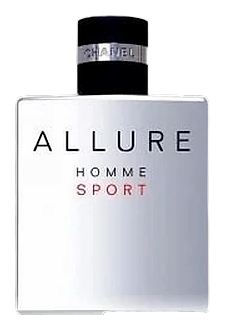
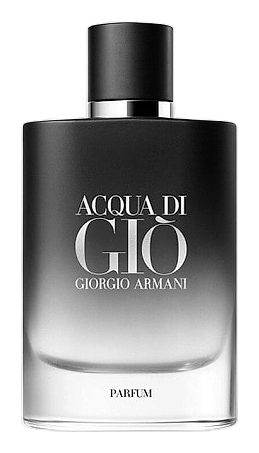
Brands
Brands known for Aquatic Notes
Good to know
Questions, answered
The essentials on Aquatic Notes in perfumery: how it smells, where it comes from, and how it behaves on skin.
What do marine notes smell like in perfume?
Marine notes smell like fresh sea breeze, salt spray, and ocean air with a clean, ozonic character. The primary molecule Calone delivers a distinctive watery freshness with subtle watermelon and melon facets at low concentrations (0.1-0.5%), while higher doses reveal a metallic, oyster-shell mineral quality. Modern marine accords combine multiple synthetic molecules to evoke specific coastal environments, from Mediterranean spray to deep oceanic expanses.
Why are marine notes used in perfumery?
Marine notes provide unmatched freshness and atmospheric transparency that natural ingredients cannot replicate. They create an immediate impression of cleanliness, vitality, and open space. Calone and its descendants offer exceptional longevity (600+ hours substantivity) and diffusion power, detectable at parts per billion concentrations. These molecules serve as bridge ingredients, connecting citrus top notes to woody or floral hearts while adding a contemporary, sporty character.
Are marine notes in perfume natural or synthetic?
Marine notes are entirely synthetic. The ocean's scent comes from decomposing plankton, algae pheromones, and mineral compounds that cannot be practically extracted for perfumery. Calone, discovered by Pfizer in 1966, was the first marine molecule. Modern perfumery uses over fifteen synthetic materials including Cascalone, Aquazone, and Transluzone. Some compositions incorporate natural seaweed absolute or sea fennel, but the characteristic sea-breeze effect always derives from synthetic chemistry.
What famous perfumes contain marine notes?
Davidoff Cool Water (1990) established the marine genre and remains the reference point. Other iconic aquatics include L'Eau d'Issey Miyake (1992), Acqua di Giò by Armani (1996), and Bulgari Aqva. Contemporary examples include Chanel Bleu, Tom Ford's Costa Azzurra, and Maison Francis Kurkdjian's Aqua Universalis. Aramis New West (1988) was the first to feature Calone, though Cool Water achieved global recognition.
Are marine notes a top note, heart note, or base note?
Marine notes function primarily as top to early heart notes, announcing themselves immediately upon application with their high-volatility ozonic character. However, their extreme substantivity (600+ hours for Calone) means they persist throughout the entire fragrance lifecycle, creating what perfumers call a 'linear' quality where the marine facet remains detectable from opening to drydown. This longevity makes them technically base-note persistent despite their top-note brightness.
What notes pair well with marine notes in perfume?
Citrus notes (bergamot, lemon, grapefruit) amplify marine freshness and provide sparkling lift. Aromatic herbs (lavender, rosemary, sage) enhance the clean, sporty character. Woods (cedar, sandalwood, driftwood) ground the aquatic transparency with warmth. White florals (jasmine, lily of the valley) soften marine sharpness with dewy sweetness. Approximately 85% of marine formulas include ambroxan-family molecules for base support and skin-like warmth.
Where do marine notes come from?
Marine notes originate in pharmaceutical laboratories, not nature. Calone was synthesized in 1966 at Pfizer's research facilities in the United States during investigations into benzodiazepine tranquilizers. Modern marine molecules are produced by major fragrance houses, Firmenich (Switzerland), Givaudan (Switzerland), and IFF (United States). Production occurs through chemical synthesis or biotechnological methods using engineered microorganisms to convert plant-derived terpenes into marine aroma molecules.
Are marine notes used in men's or women's fragrances?
Marine notes are universally unisex, appearing in fragrances marketed to all genders. The 1990s aquatic trend initially targeted men with sporty, fresh compositions like Cool Water, but L'Eau d'Issey Miyake proved the appeal for women. Modern marine fragrances transcend gender categories entirely. The clean, transparent character suits contemporary preferences for gender-neutral scents. Current usage shows balanced distribution across masculine, feminine, and unisex launches.