Ozonic Notes
Ozonic notes bring a crisp, atmospheric quality to fragrances, evoking fresh rain, sea spray, and the electric clarity of air after a storm. These synthetic accords create a clean, airy foundation that modern perfumers use to add depth and immediacy to aquatic, fresh, and green compositions.

Character
How it smells
The electric clarity of petrichor and sea air, captured in a bottle.
Calone 1951 was discovered by accident in 1951 during pharmaceutical research at Pfizer, sitting unused in catalogs for decades before perfumers recognized its potential.









Origin
Global
While humans have long associated ozonic qualities with the scent after lightning storms, the chemical recreation of this atmospheric note remained elusive until modern times. Ancient cultures encountered ozonic scents through nature alone, burning herbs and resins to approximate the electric freshness of storm-cleared air. The synthetic ozonic revolution began in 1951 when Calone emerged from pharmaceutical research.
Perfumers initially overlooked the molecule, which sat unused in supplier catalogs for nearly three decades. When François Demachy and other modern perfumers rediscovered Calone in the 1980s, they recognized its extraordinary potential for creating aquatic fragrances. The 1988 release of Dune by Dior, which prominently featured ozonic accords, demonstrated the commercial viability of these synthetic molecules and sparked a wave of aquatic fragrance development across the industry.
Today, ozonic notes define entire fragrance families. Molecules like Calone 1951 serve as structural foundations in countless modern compositions, from sports fragrances to luxury aquatic scents.
Wears it best
Fragrances featuring Ozonic Notes
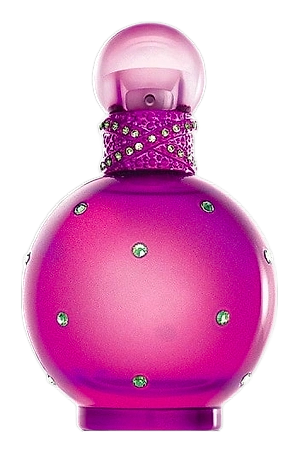
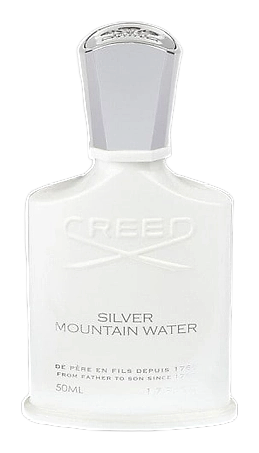
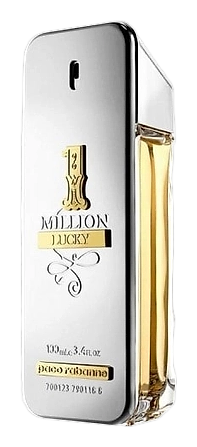

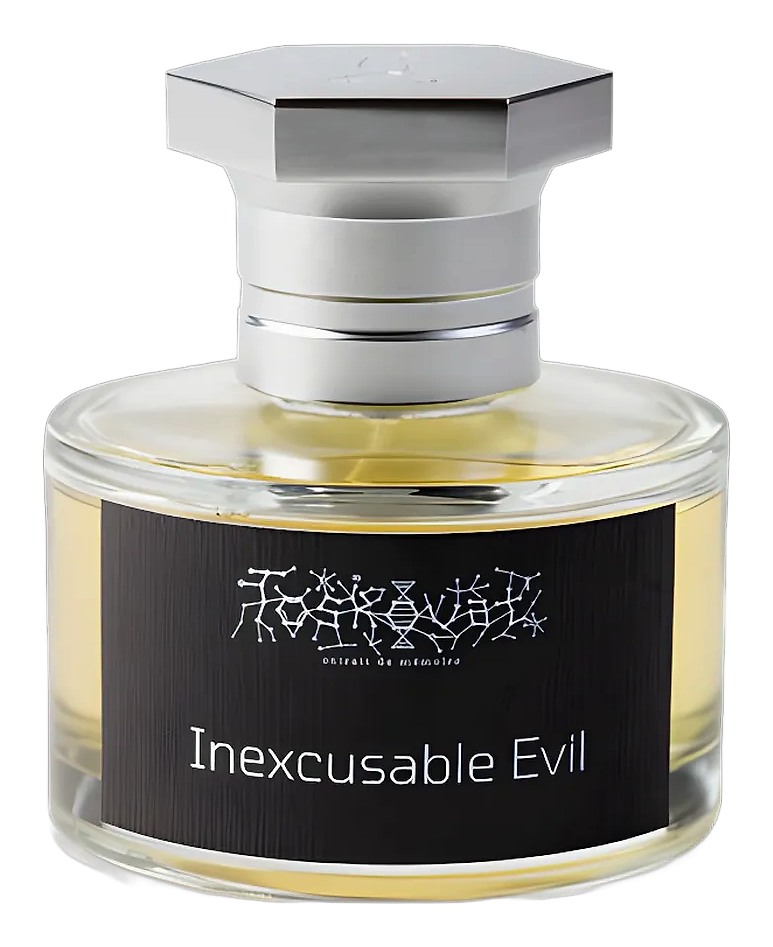
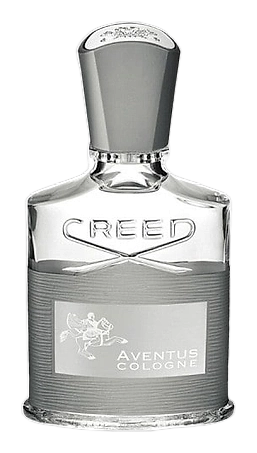

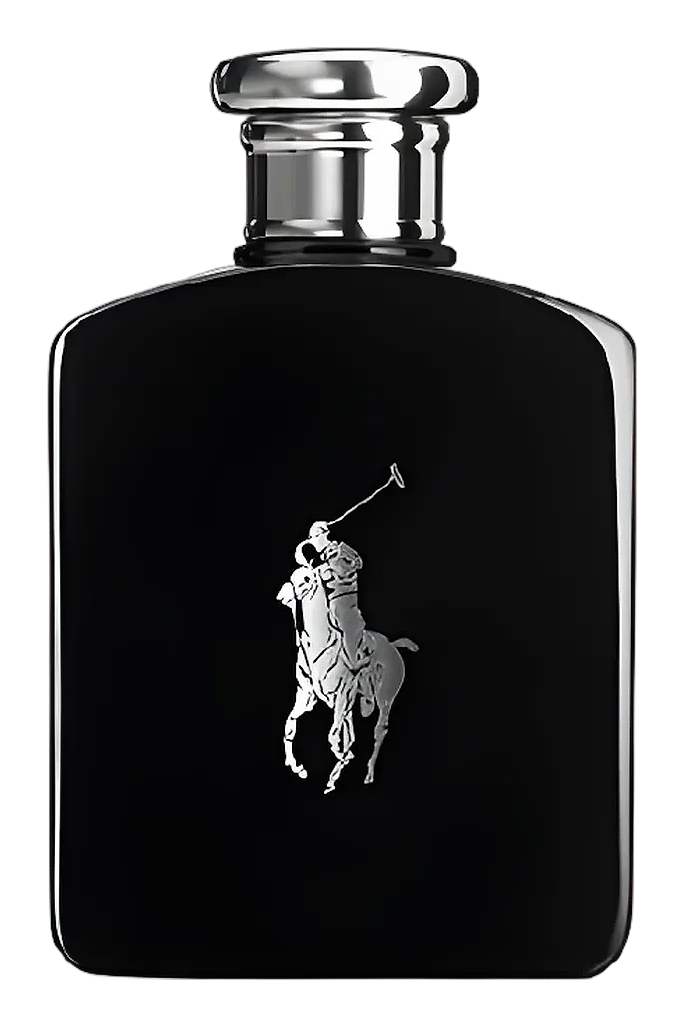
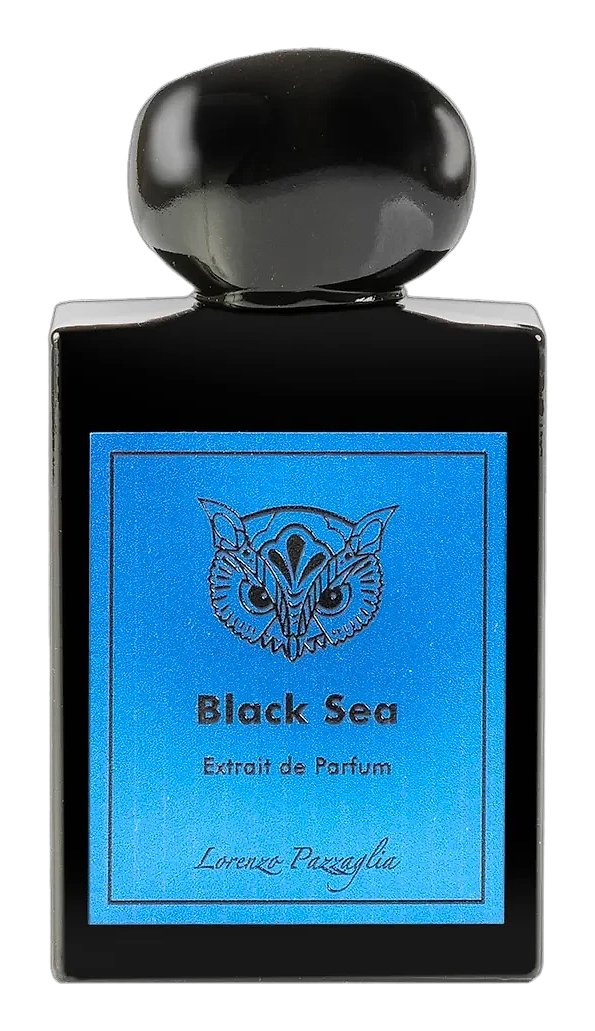

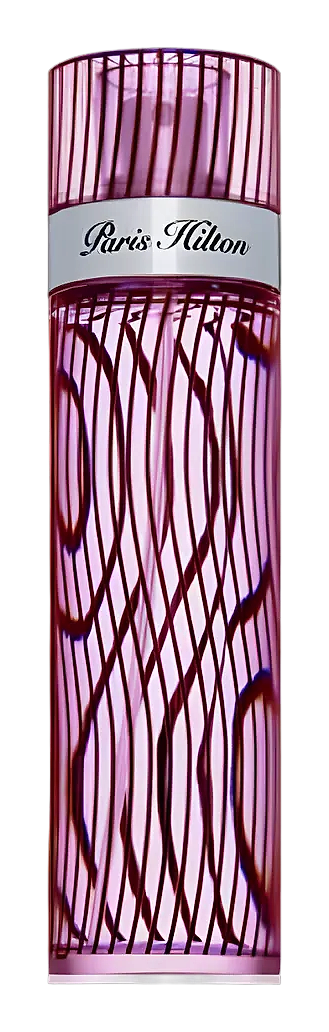
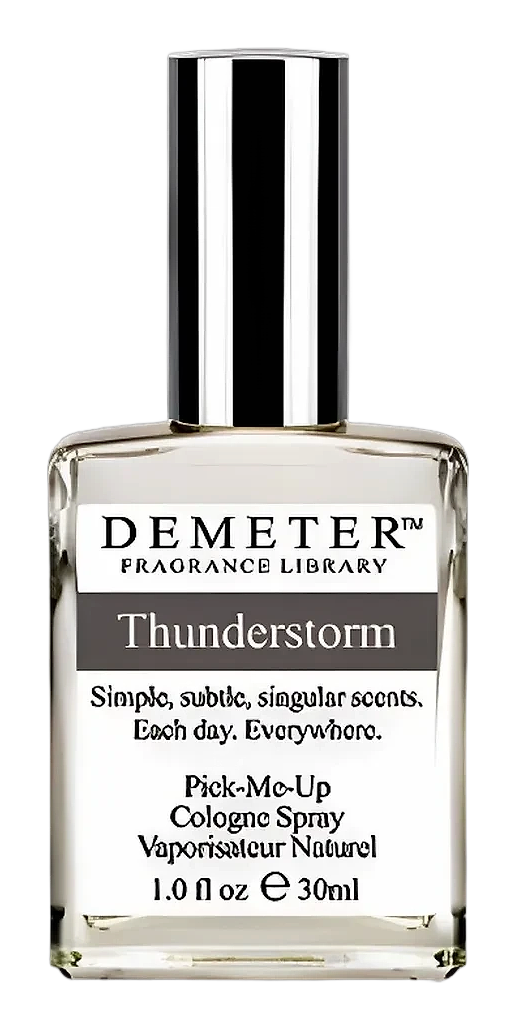
Brands
Brands known for Ozonic Notes
Good to know
Questions, answered
The essentials on Ozonic Notes in perfumery: how it smells, where it comes from, and how it behaves on skin.
What does Ozonic Notes smell like in perfume?
Ozonic notes smell like fresh sea air, morning rain, and the clean aftermath of a thunderstorm. Molecules like Calone 1951 create a crisp, watery sensation with subtle mineral and metallic undertones. In compositions, they provide an immediate, airy lift that enhances the perception of freshness.
Why is Ozonic Notes used in perfumery?
Perfumers use ozonic notes to create atmospheric, aquatic effects that natural ingredients cannot reliably deliver. These synthetics add transparent freshness, extend the perception of lightness, and serve as effective blending agents. Approximately 30 percent of modern fragrances contain marine or ozonic accords.
Is Ozonic Notes in perfume natural or synthetic?
Ozonic notes are entirely synthetic. Molecules like Calone 1951, Helional, and Marine Oxides are manufactured through controlled chemical synthesis. No natural botanical or animal source contains these specific aromatic compounds in commercially viable concentrations.
What famous perfumes contain Ozonic Notes?
Dior Dune (1988) helped popularize ozonic notes in fine perfumery. Calvin Klein CK One (1994) used them extensively for its gender-neutral appeal. Issey Miyake L'Eau d'Issey (1992) built its entire identity around aquatic, ozonic chemistry.
Is Ozonic Notes a top note, heart note, or base note?
Ozonic molecules function across multiple positions depending on formulation goals. Calone 1951 has moderate volatility, making it suitable for heart and base notes in aquatic compositions. High-impact versions also serve as immediate top note impressions in fresh, modern fragrances.
What notes pair well with Ozonic Notes in perfume?
Ozonic notes pair naturally with citrus, transparent florals like water lily and sea lavender, and modern wood materials. They also complement aquatic musks, transparent greens, and aromatic herbs. These combinations create the clean, contemporary character found in aquatic fragrances.
How is Ozonic Notes extracted?
Ozonic notes cannot be extracted from natural sources. They are manufactured entirely through chemical synthesis in specialized laboratories. Givaudan, IFF, and Firmenich are among the major producers of Calone and related ozonic molecules used by perfumers worldwide.
Is Ozonic Notes used in men's or women's fragrances?
Ozonic notes transcend gender categories. Originally popularized in men's fragrances during the 1980s and 1990s, they now appear equally in women's and unisex compositions. Approximately 35 percent of contemporary fragrances across all gender categories incorporate marine or ozonic accords.