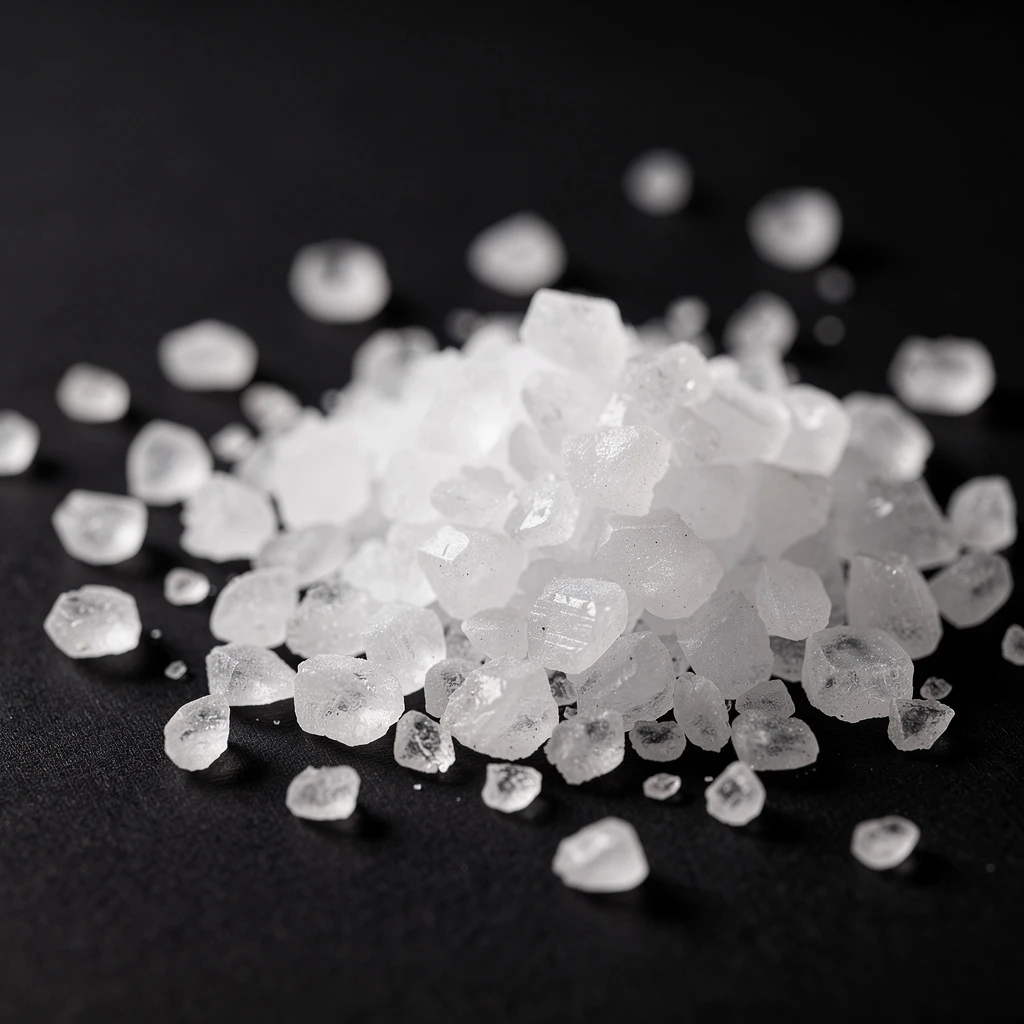
Calone
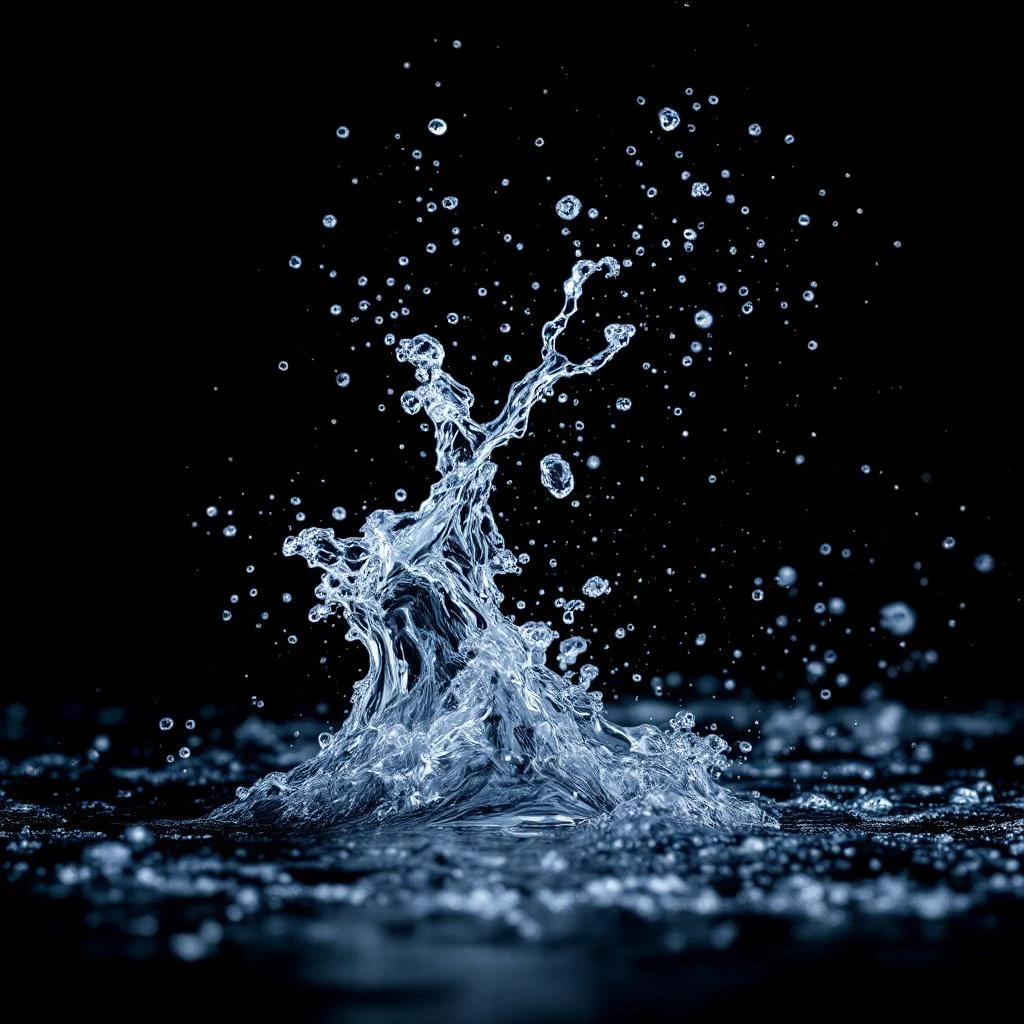
Calone is a synthetic aroma chemical that conjures the crisp, breezy sensation of standing on a windswept shoreline. Its intense marine and ozonic character with subtle fruity undertones became the defining scent of the 1990s aquatic fragrance revolution.
Character
How it smells
The molecule that invented modern aquatic scents
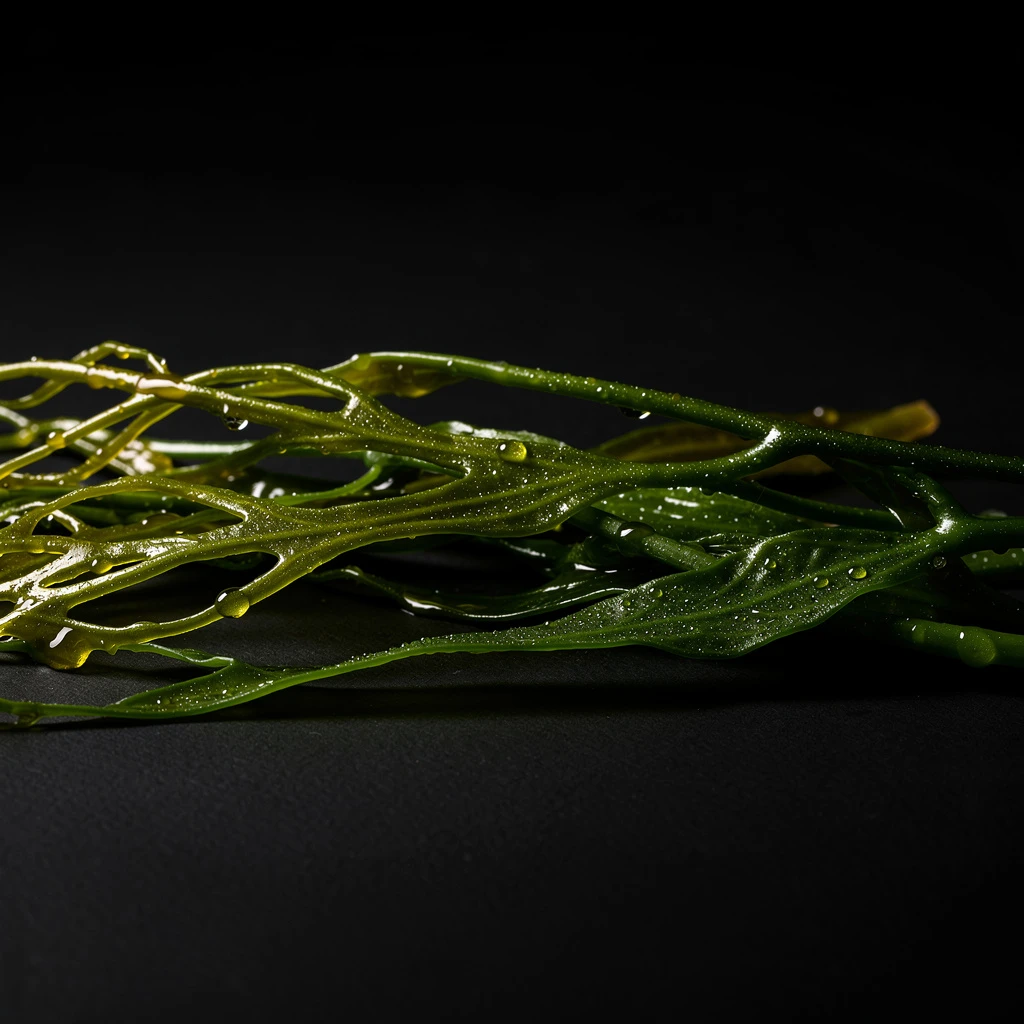
Calone mimics the chemical structure of brown algae pheromones, yet it was discovered by accident during pharmaceutical research at Pfizer in 1966.







Origin
United States
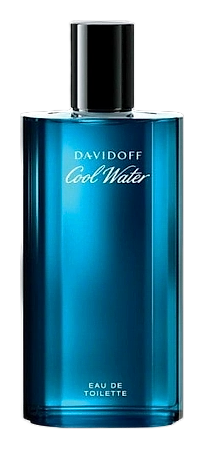
Pfizer scientists Beereboom, Cameron, and Stephens discovered calone in 1966, yet it remained a minor perfumery ingredient for over two decades. Its transformative moment arrived in 1988 when Yves Tanguy incorporated it into Aramas New West, creating what is considered the first true aquatic fragrance. The trend exploded the following year when Pierre Bordon launched Davidoff Cool Water in 1990.
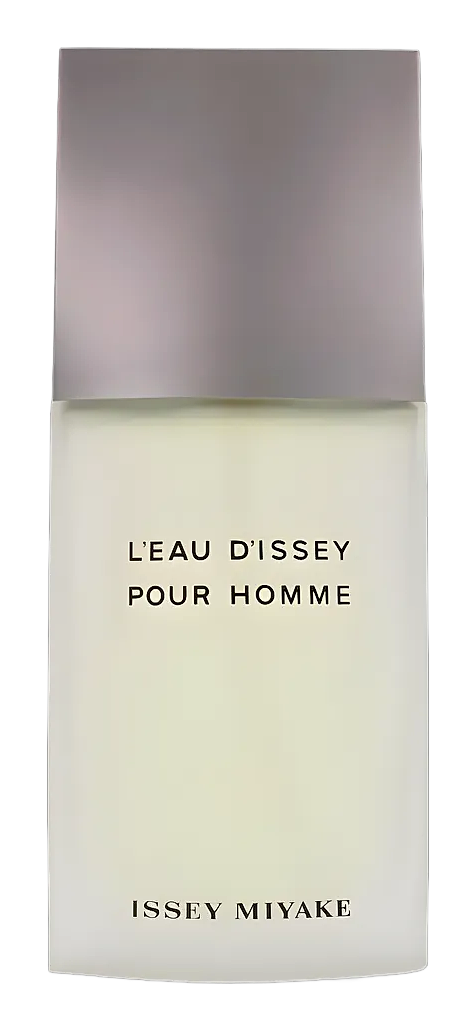
By 1992, Issey Miyake had released L'eau d'Issey, cementing the marine note as a global phenomenon. Today, calone and its analogues remain essential tools for creating fresh, watery accords in both masculine and feminine compositions.
Wears it best
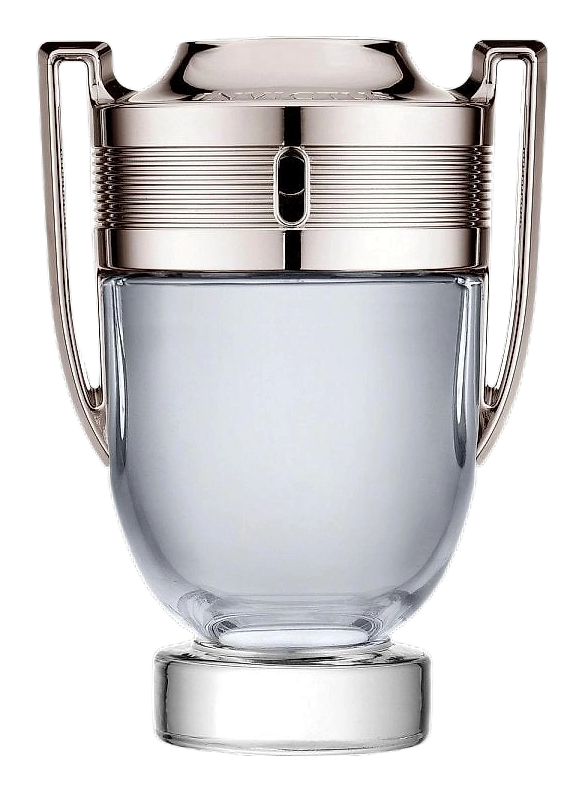
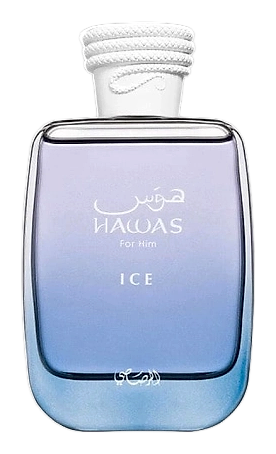
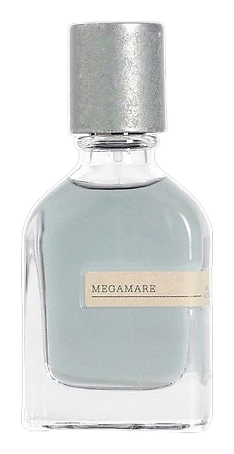
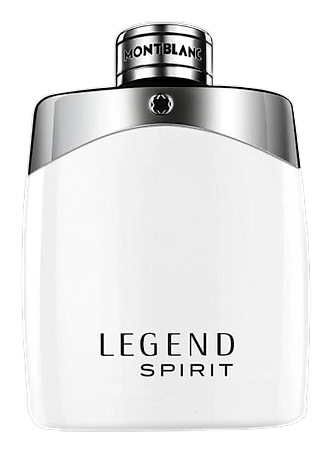
Fragrances featuring Calone

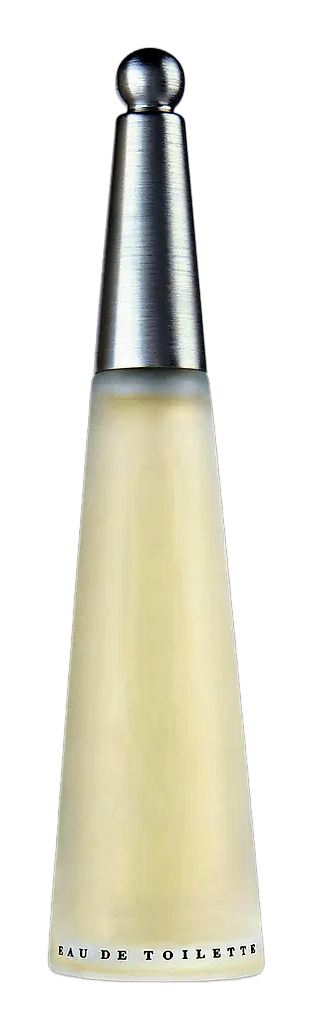
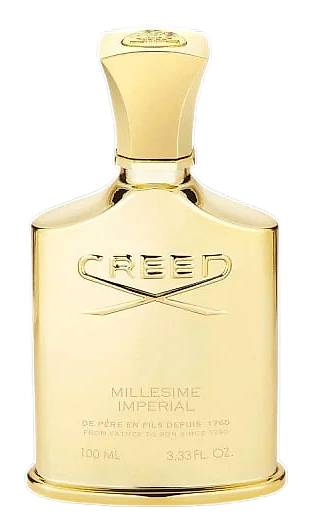
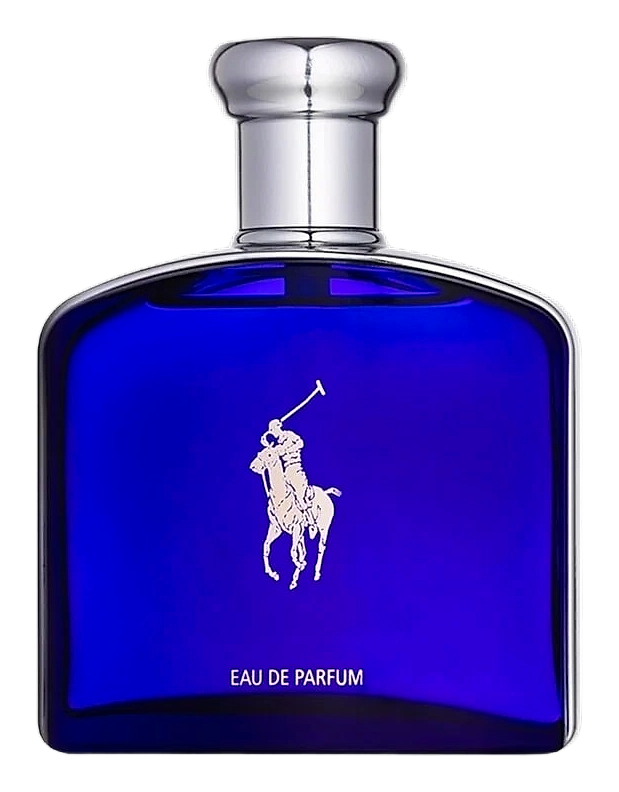
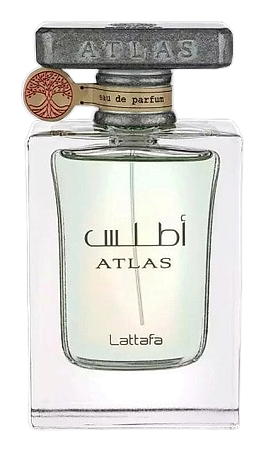
Brands
Brands known for Calone
Good to know
Questions, answered
The essentials on Calone in perfumery: how it smells, where it comes from, and how it behaves on skin.
What does calone smell like?
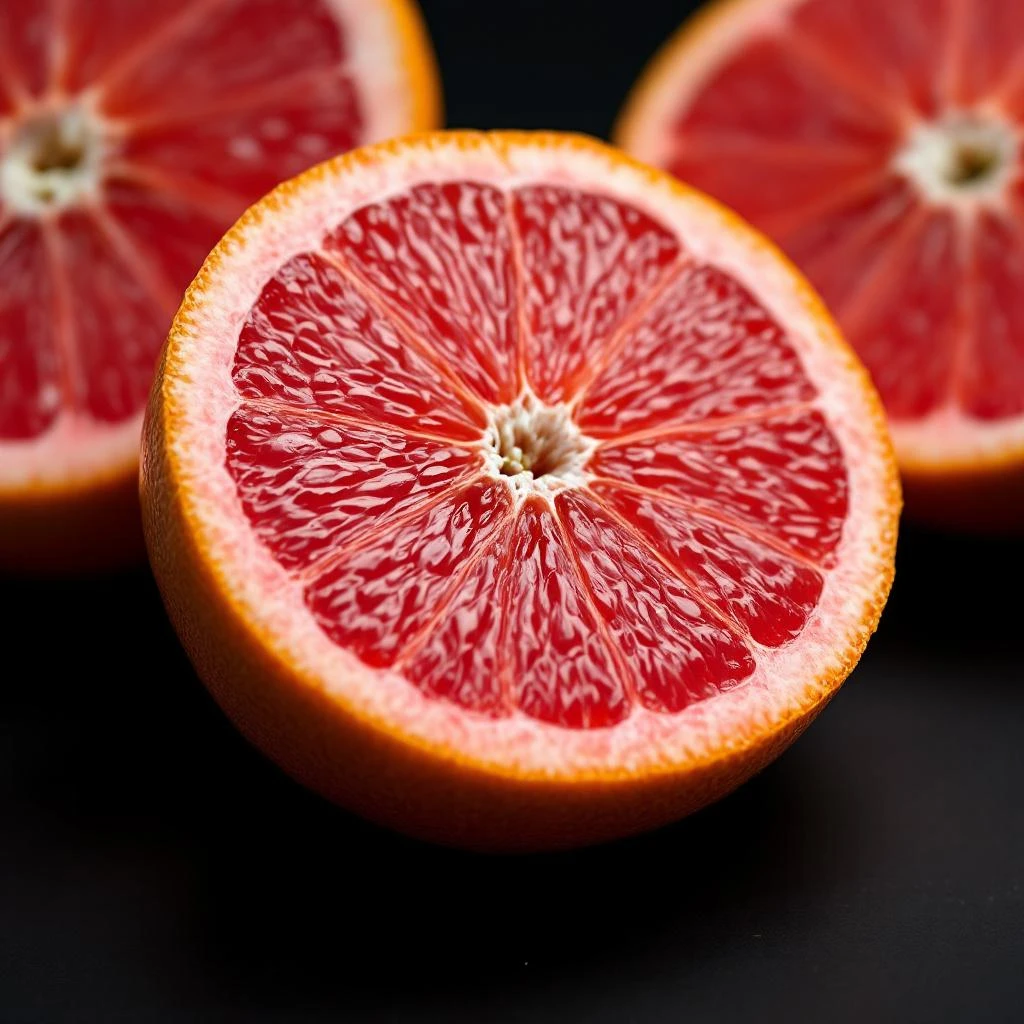
Calone delivers a powerful marine-ozonic scent evoking fresh sea air and watermelon rind. It combines oceanic freshness with subtle floral touches of lily of the valley and hibiscus, plus fruit nuances ranging from cucumber to grapefruit.
Is calone natural or synthetic?
Calone is entirely synthetic, created through organic synthesis from 4-methylcatechol. Despite being called watermelon ketone, it does not occur naturally in watermelons. The name refers only to its watermelon-like aromatic quality.
What perfumes first used calone?
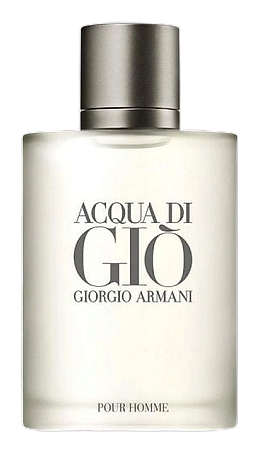
Aramas New West, launched in 1988 by perfumer Yves Tanguy, is credited as the first modern aquatic fragrance using calone. Davidoff Cool Water followed in 1990 and became the genre-defining blockbuster that spawned thousands of marine-themed successors.
What is the recommended usage level for calone?
Calone is highly potent and should be used sparingly. Typical concentrations in fine fragrances range from trace amounts up to 0.8 percent. Even small quantities deliver significant impact, making overuse the primary risk in formulation.
How does calone behave in fragrance formulations?
Calone acts as an excellent fragrance fixative and modifier, adding fresh watery lift to floral bouquets, citrus accords, and green compositions. It blends seamlessly with most aroma chemicals and contributes diffusion and longevity to aquatic or ozonic fragrance concepts.
What is the chemical structure of calone?
Calone has the molecular formula C11H12O2 with a molecular weight of 178.2 grams per mole. Its structure is a 7-methyl-2H-1,5-benzodioxepin-3(4H)-one, forming a unique bicyclic benzodioxepinone ring system.
Does calone have any natural analogues?
Calone shares structural similarities with ectocarpene, a pheromone produced by brown algae. This molecular resemblance explains its uncanny ability to replicate the genuine scent of ocean air and seaweed, which made it so compelling for perfumers.
What variations of calone exist?
Firmenich released Cascalone in 2014, a saturated analogue offering sweeter, more transparent floral-watery character. Other calone derivatives continue to be developed, expanding the perfumer's palette for aquatic and watery fragrance compositions.