Cascalone
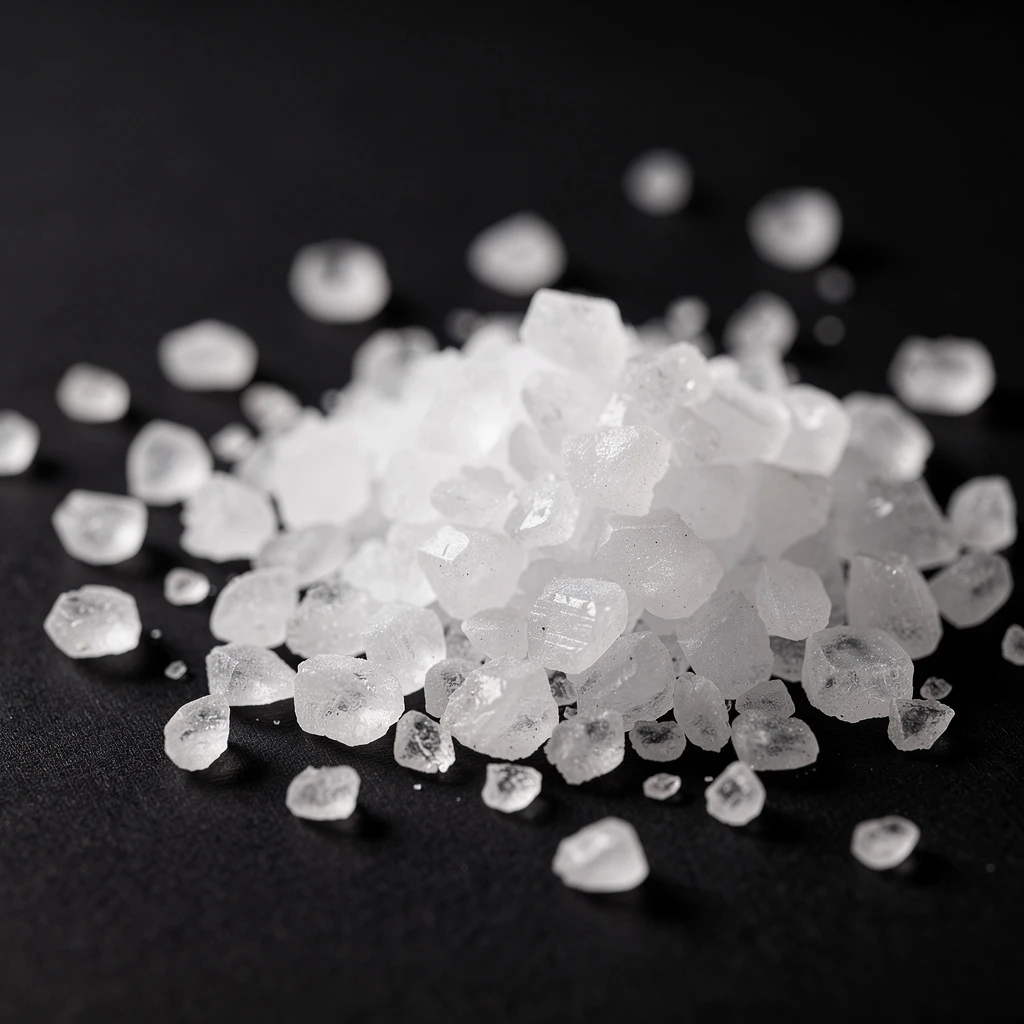
Cascalone is Firmenich's modern take on marine freshness: a crystalline aroma molecule that delivers sweet, watery transparency with none of the metallic edge found in older aquatic ingredients. Released in 2020, it is now widely used across fine fragrance and functional products.
Character
How it smells
The clearest splash of modern marine.
Before 2020, Cascalone existed only as a captive molecule within Firmenich's private palette, invisible to perfumers outside the company.







Origin
Switzerland
The story of Cascalone begins decades earlier with Calone 1951. Pfizer scientists discovered that molecule in 1966, and it eventually became known as the "watermelon ketone" for its distinctive watery-fresh quality.
When the 1990s marine trend exploded, driven by fragrances like Davidoff Cool Water and Lacoste Eau de Sport, Calone was the engine behind the effect. Firmenich recognized the opportunity to evolve this chemistry and developed Cascalone as a newer, sweeter variant within the same family.
The company held it as a captive ingredient for years before releasing it publicly in July 2020. That transition marked a real shift in the industry: a high-performing marine molecule became available to any perfumer or brand, not just those working with Firmenich directly.
Wears it best
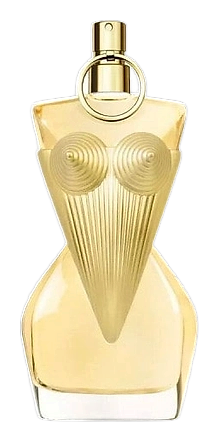
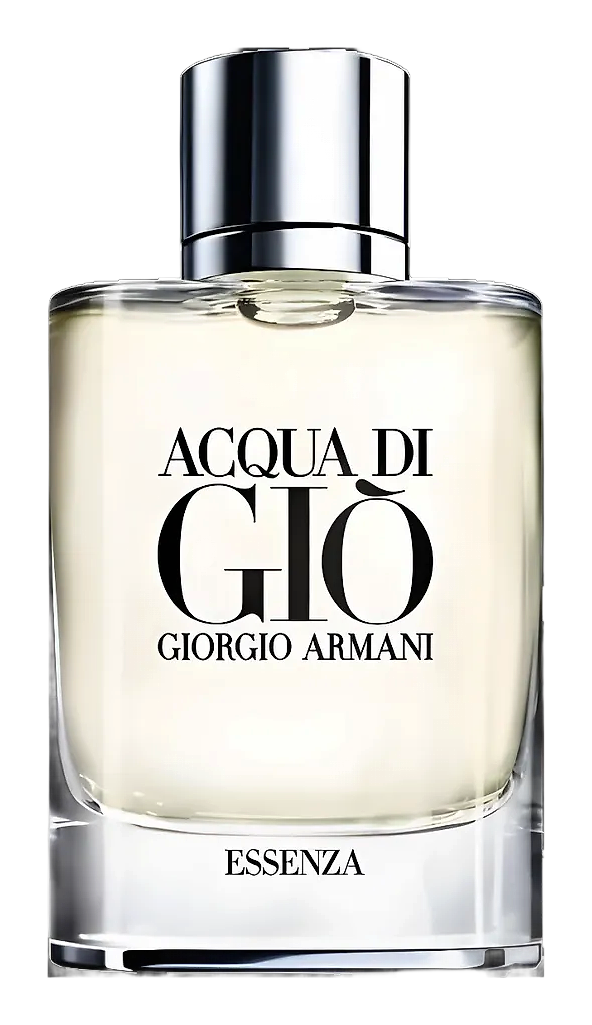
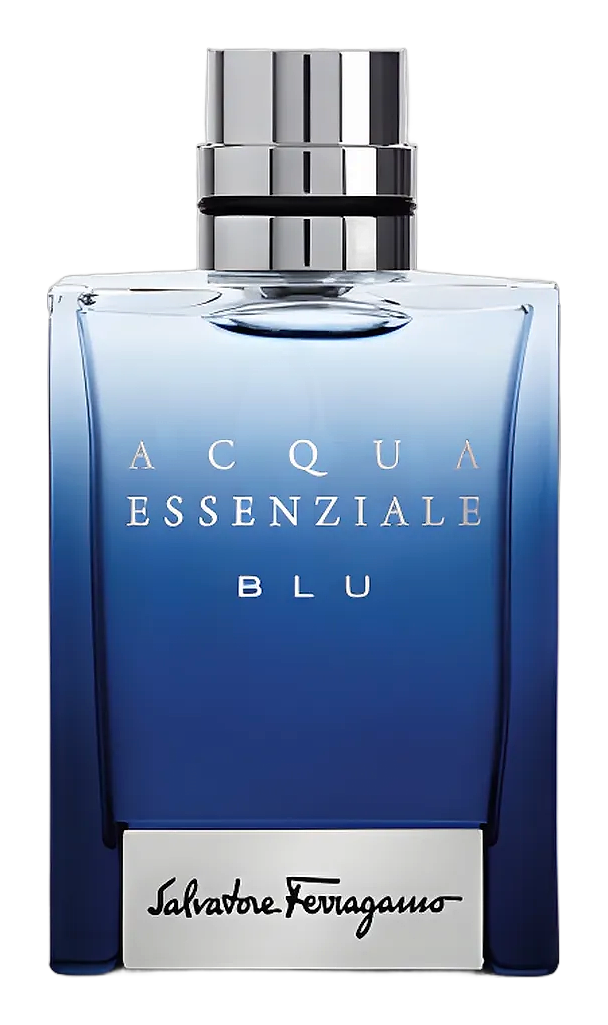
Fragrances featuring Cascalone
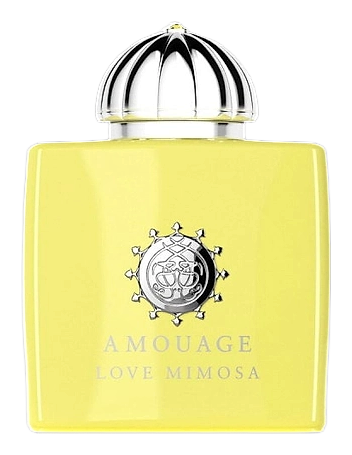
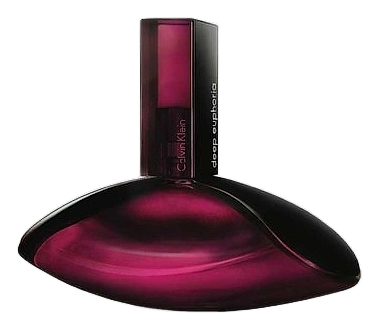
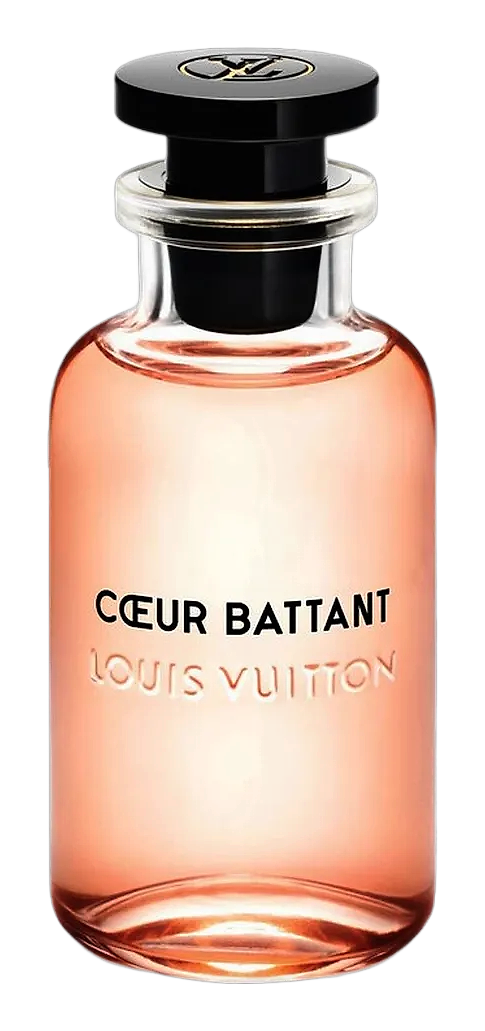
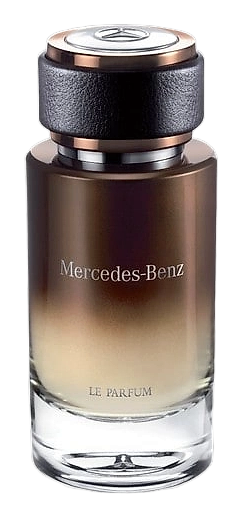
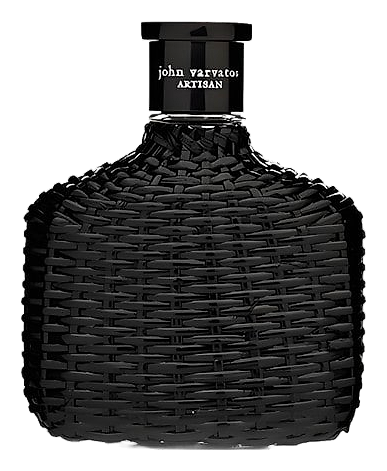
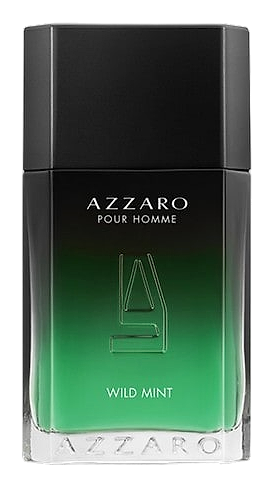
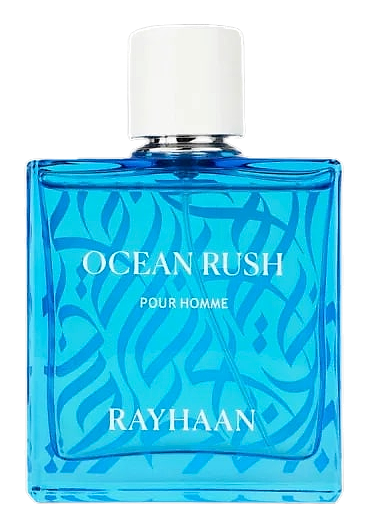
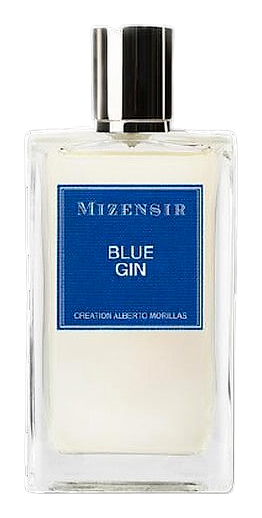
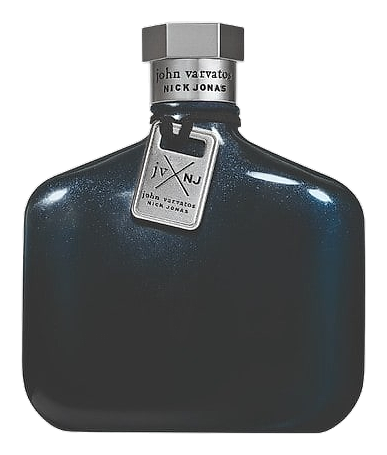
Brands
Brands known for Cascalone
Good to know
Questions, answered
The essentials on Cascalone in perfumery: how it smells, where it comes from, and how it behaves on skin.
What does Cascalone smell like?
Cascalone smells like a cool splash of water with sweet, transparent floral backing. It carries ozonic and aldehydic qualities without the metallic or oyster facets that sometimes appear in older marine ingredients. The overall impression is clean, fresh, and modern.
How does Cascalone differ from original Calone?
Cascalone is fruitier and sweeter than Calone 1951. It lacks the oyster nuance found in its predecessor and offers higher intensity at lower usage levels. Calone reads as more medicinal by comparison, while Cascalone feels rounder and more aquatic.
Is Cascalone a natural or synthetic ingredient?
Cascalone is fully synthetic. Firmenich's research chemists designed and synthesized the molecule in a controlled laboratory environment. No natural plant source exists for this material.
When did Cascalone become available to perfumers?
Cascalone became publicly available in July 2020. Prior to that date, it existed only as a captive molecule within Firmenich's private palette, accessible only to perfumers working directly with the Swiss house.
What fragrance family does Cascalone belong to?
Cascalone belongs to the marine family. Perfumers classify it among the ozonic, aquatic, and watery notes used to evoke sea air, fresh water, and clean coastal atmospheres in compositions.
How much Cascalone should I use in a formula?
A little goes a long way. Traces of Cascalone add freshness and lift to a fragrance composition. Higher concentrations produce more unusual watery effects. Dosage varies based on the target impact and the other ingredients present.
Which perfumers use Cascalone?
Firmenich has incorporated Cascalone into numerous fragrance briefs, and niche brands now use it widely. The molecule appears across fine fragrances, personal care products, and home scents where modern aquatic character is desired.
How does Cascalone perform in different bases?
Cascalone handles alcohol, oil, and water-based formulations equally well. The crystalline powder dissolves easily in ethanol, and its stability holds across a broad range of fragrance types. Professional perfumers value its predictable behavior and consistent results.