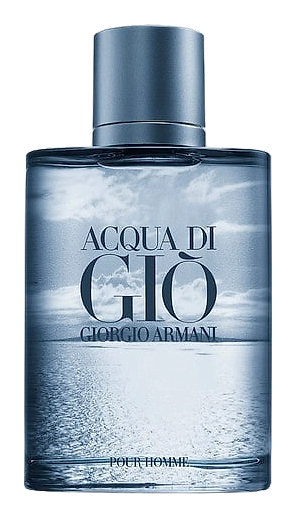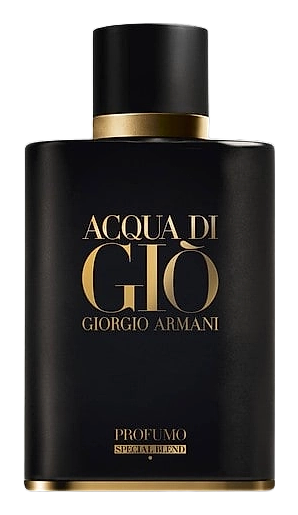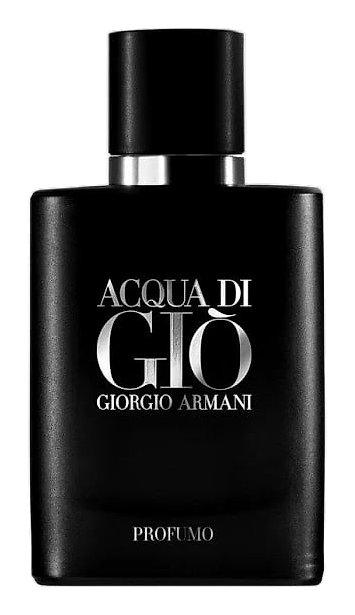

The Story
Why it exists.
The beginning
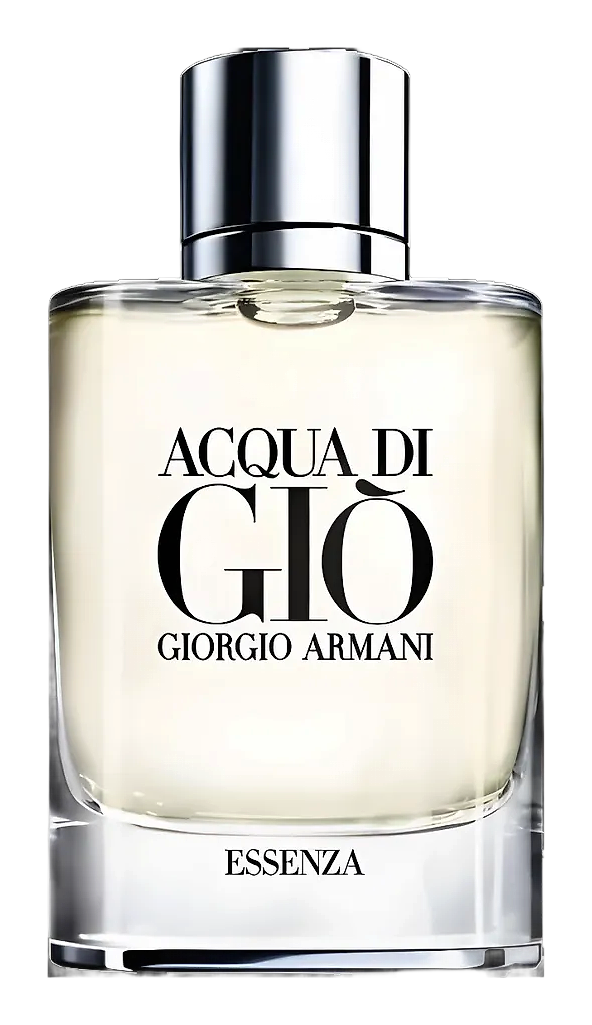
Giorgio Armani built his house in 1975 on the principle that elegance requires restraint. When Acqua di Gio launched in 1996, it redefined masculine freshness so completely that it became shorthand for an entire genre. The fragrance was not simply successful. It became a reference point, a standard against which every aquatic masculine scent would be measured. By 2012, Armani recognized that familiarity had created expectation. The original was no longer enough.
The choice of Cascalone in the opening reflects a philosophy that Armani has always championed: clarity over complexity. Rather than layering aquatic notes into sweetness, the scent uses a single molecule to achieve a precise, clean impression. The heart relies on aromatic herbs, which the brand pairs with jasmine not for sweetness but for airiness. The drydown grounds the fragrance in woody materials that anchor the composition, creating a scent that shifts from bright opening to intimate drydown.
The evolution
Essenza takes the opening of the 1996 classic and reinterprets it through Cascalone, a cleaner marine molecule that avoids the sweetness of earlier aquatic attempts. Bergamot and Grapefruit restore brightness without adding Sugar. As the heart develops, Sage and Basil introduce aromatic texture that separates Essenza from its predecessors. Jasmine and Paradisone soften the transition, adding a quiet floral dimension that keeps the scent from feeling harsh. The drydown shifts entirely from marine to woody: Ambroxan provides warm amber, Cedarwood and Vetiver build smoky depth, and Patchouli adds earth that grounds everything.
Cultural impact
Essenza carved out a specific space in the di Gio lineup: it takes the fresh, aquatic character of the original and shifts it into territory with more substance. The EDP concentration and woody-amber drydown give it a different kind of presence, a depth that contrasts with the lighter, sea-salt impression of the original. This reconfiguration has made it appealing to those who found the original too minimal and wanted something that sits closer to the skin, lasting longer into the evening.