Ambroxan
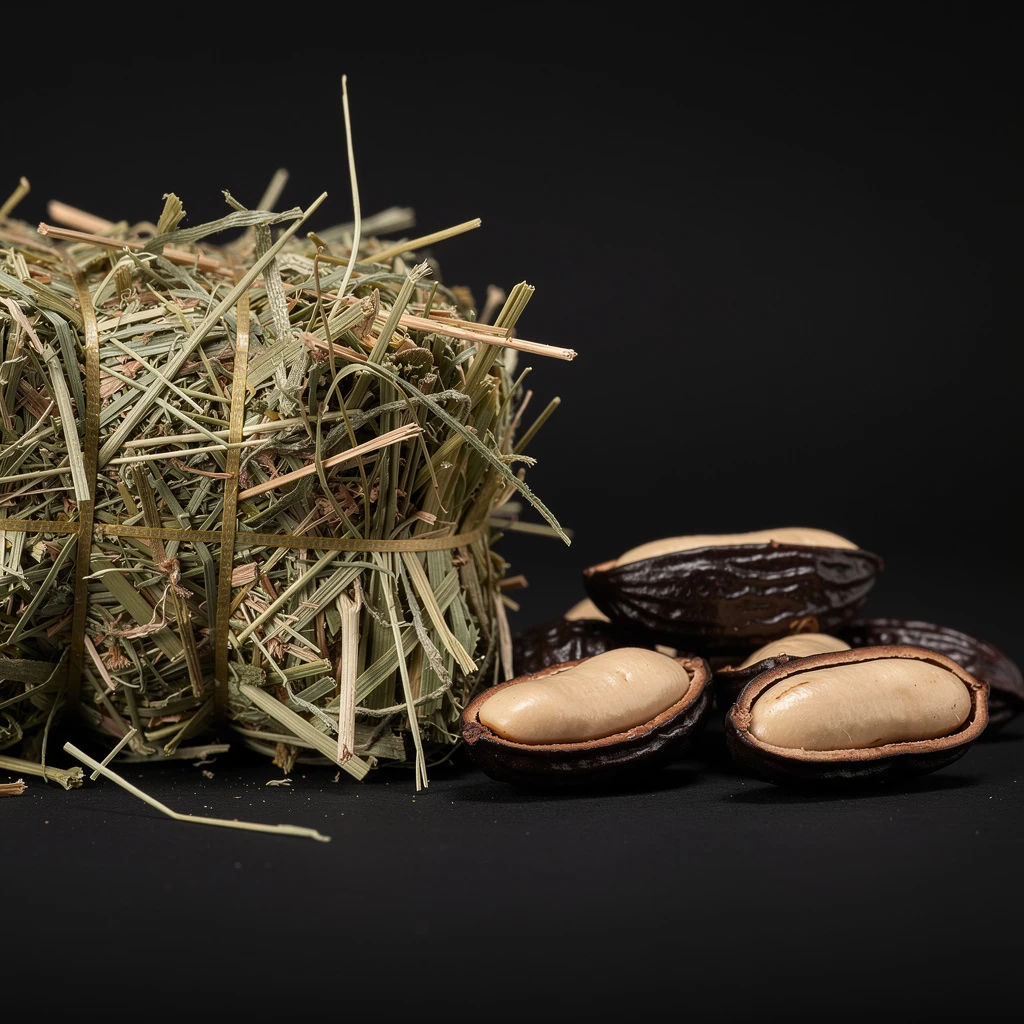
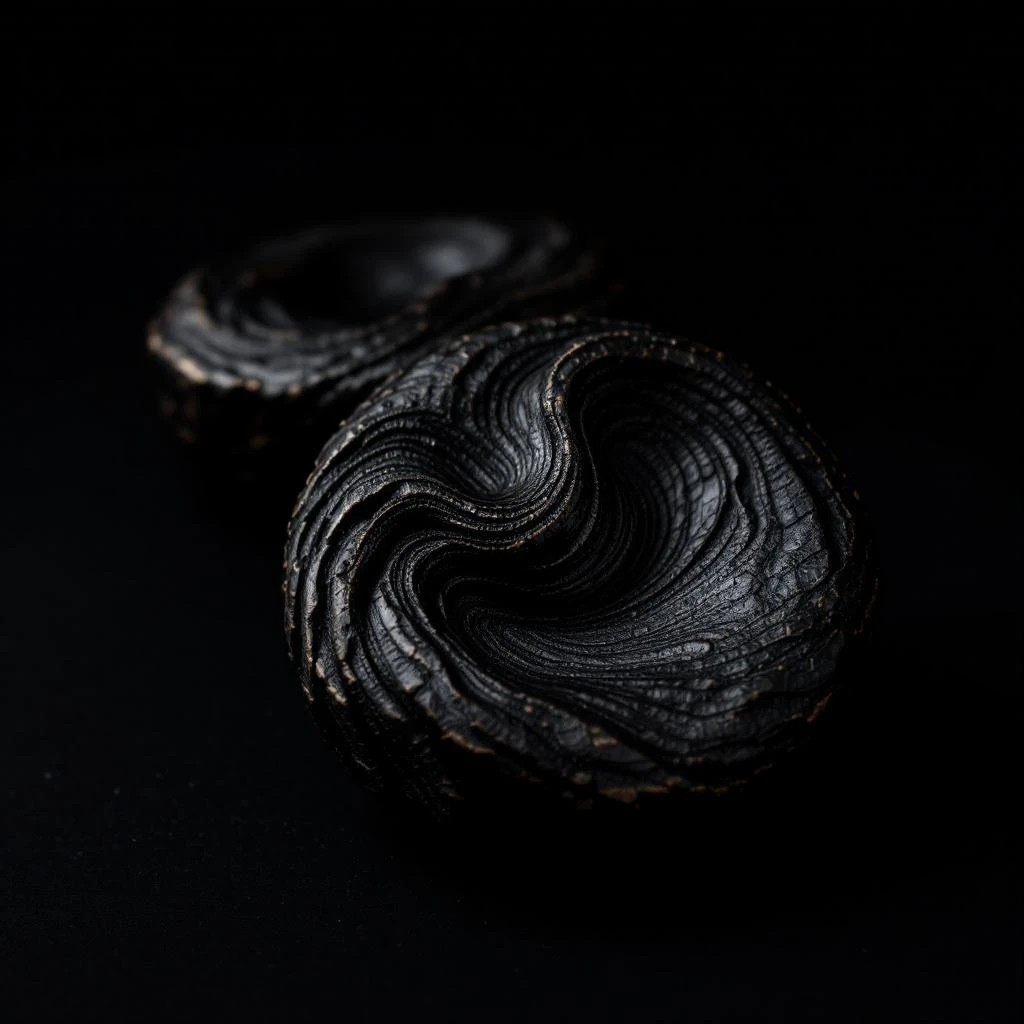
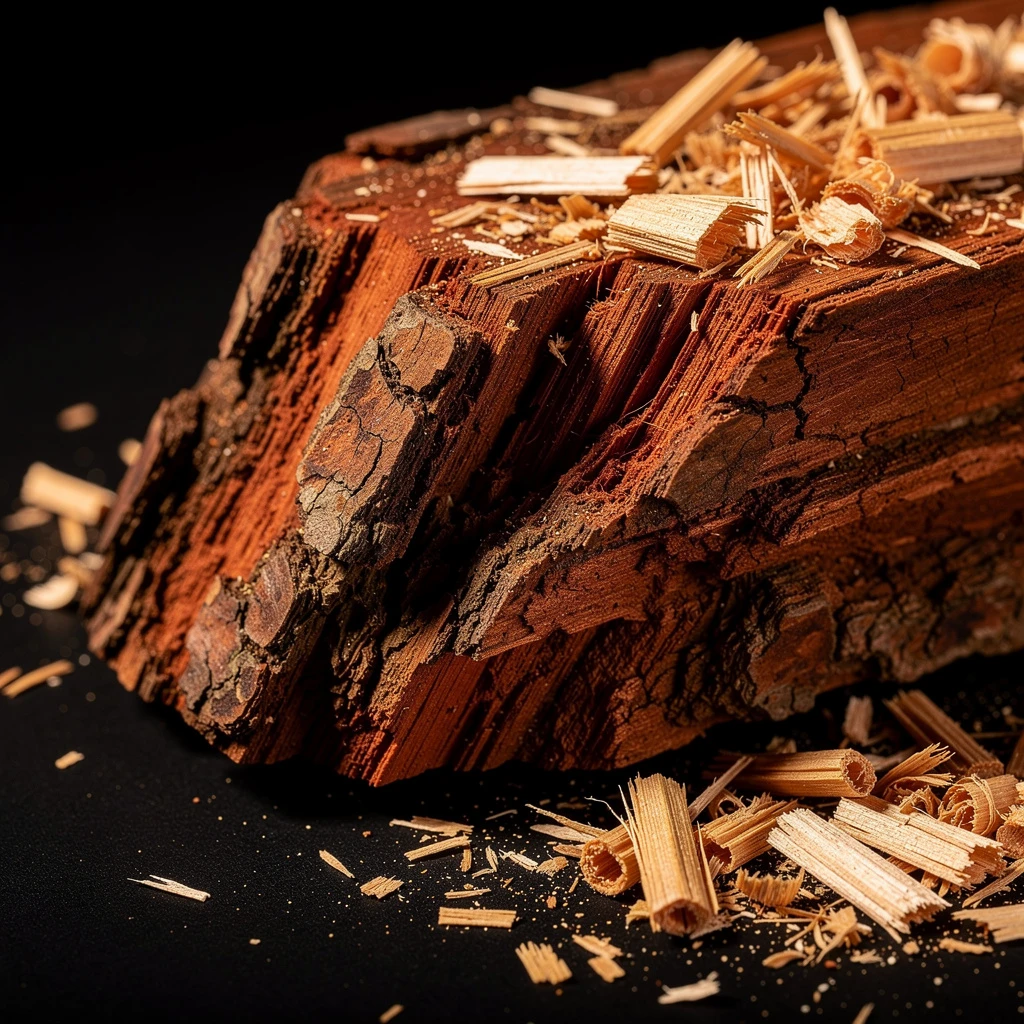
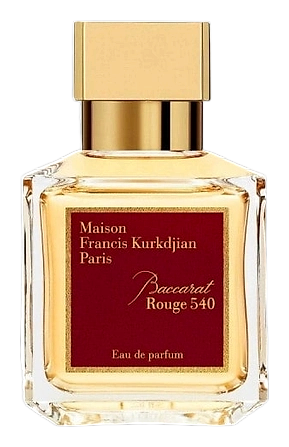
Ambroxan is a powerful synthetic molecule that captures the warm, skin-like radiance of ambergris without any animal-derived ingredients. Its scent is simultaneously woody, musky, and ambery - a diffusive, almost mineral warmth that wraps around the wearer like a second skin. Originally isolated from clary sage oil in the 1950s by the Swiss firm Firmenich, ambroxan (also marketed as Cetalox and Ambermax) was identified as the key odor-active component of ambergris, the rare oceanic concretion produced by sperm whales that was once the most prized fixative in perfumery. The molecule can now be synthesized from sclareol, derived from clary sage cultivated in Europe and North America, making it both sustainable and consistent in quality. Ambroxan gained mainstream fame through Iso E Super's cousin in Molecule 02 by Escentric Molecules, and as the dominant note in Baccarat Rouge 540 by Maison Francis Kurkdjian. It has become one of the most commercially important aroma chemicals in modern perfumery, prized for its ability to amplify sillage, add radiance, and create that coveted "your skin but better" effect.
Character
How it smells
The molecule that made ambergris democratic - crystalline warmth for the modern age.
Ambroxan creates the "skin scent" effect - it smells different and uniquely personal on every wearer due to individual skin chemistry.








Origin
Germany
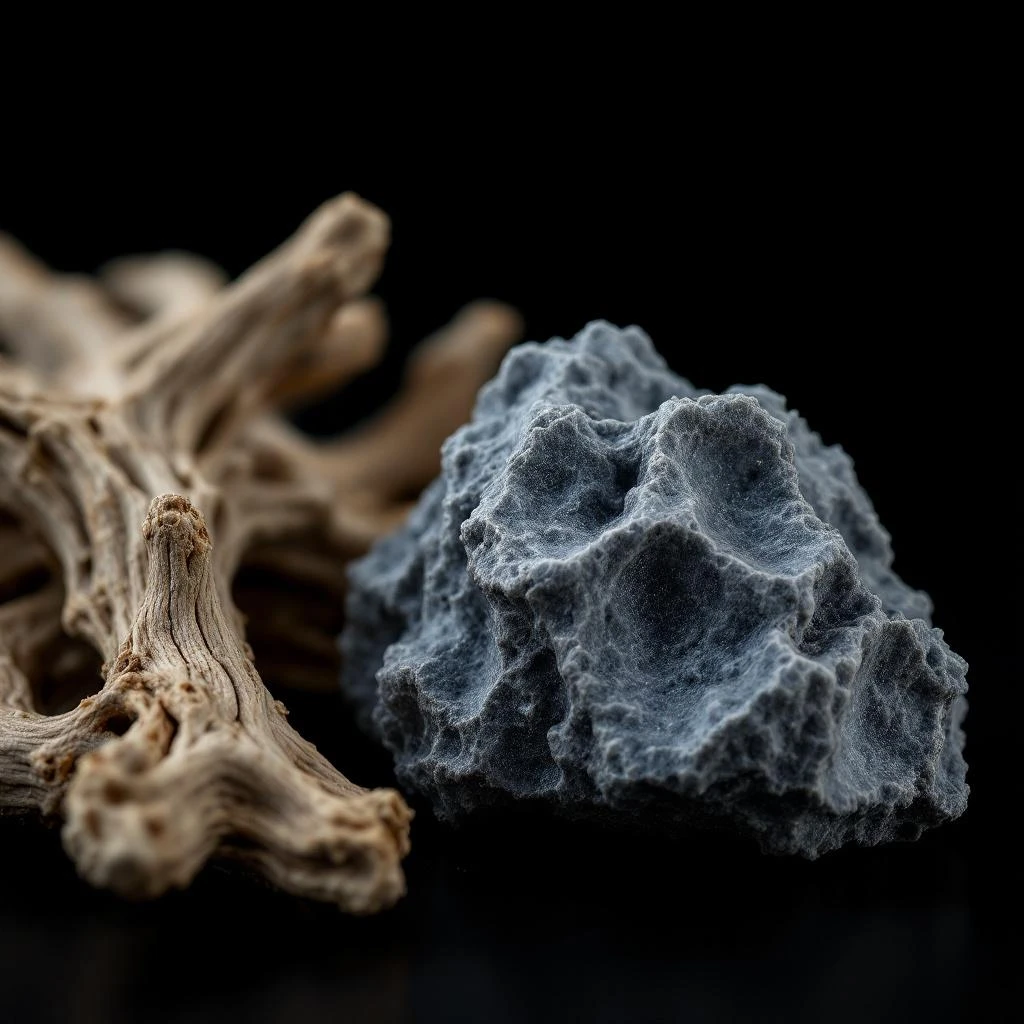
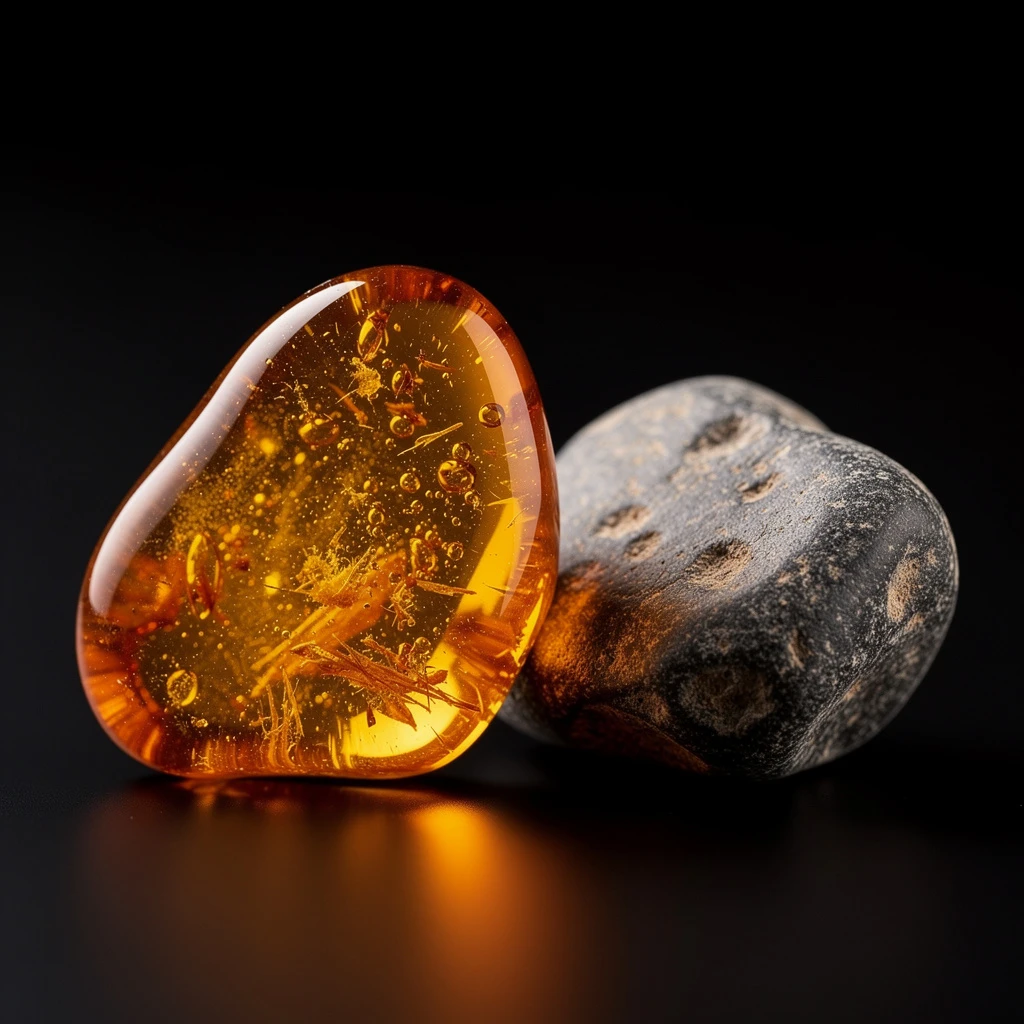
The story of ambroxan begins on windswept beaches, where for centuries people discovered strange, waxy, gray lumps washed ashore — ambergris, produced in the intestines of sperm whales, likely as a response to the irritation caused by squid beaks. Fresh ambergris smells fecal and marine, but after years of exposure to sun, salt, and ocean air, it transforms into one of the most beguiling aromatics known: warm, sweet, and ineffably complex. By the Middle Ages, ambergris was worth more than gold in the perfume markets of the Islamic world, and it remained a cornerstone of luxury perfumery well into the twentieth century.
The identification of ambroxan (ambroxide) as the key molecule responsible for ambergris's mature, radiant warmth opened the door to synthesis, and Firmenich's development of a viable commercial production route in the 1950s ranks among the most consequential advances in fragrance chemistry. But ambroxan's cultural moment arrived in 2006, when Geza Schoen created Molecule 02 for Escentric Molecules — a fragrance consisting of nothing but ambroxan. The perfume became a phenomenon, particularly in Berlin's club scene, celebrated for its "your skin but better" effect and its ability to smell different on every wearer. Ambroxan has since become the most widely used captive molecule in modern perfumery, appearing in blockbusters like Santal 33 by Le Labo and Baccarat Rouge 540 by Maison Francis Kurkdjian, democratizing a quality of warmth and radiance that was once the exclusive province of a substance found floating in the sea.
Wears it best
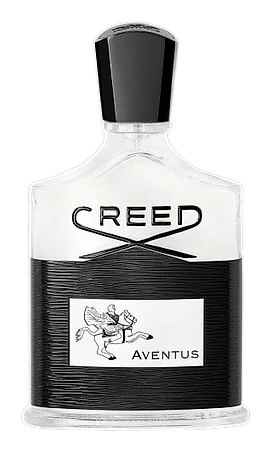
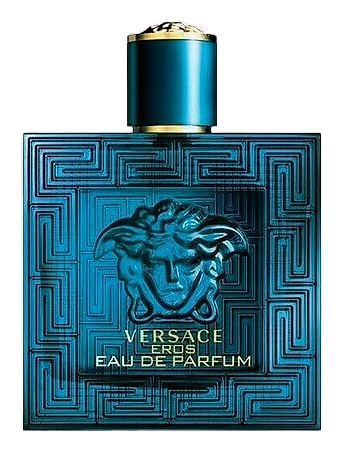
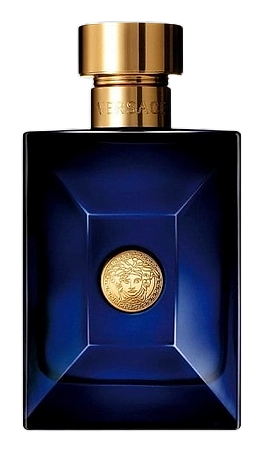
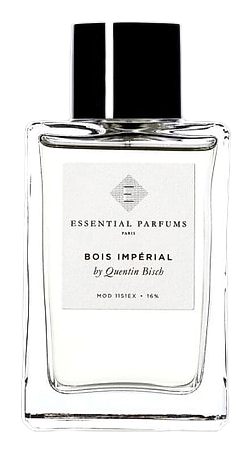
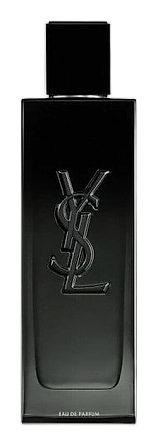
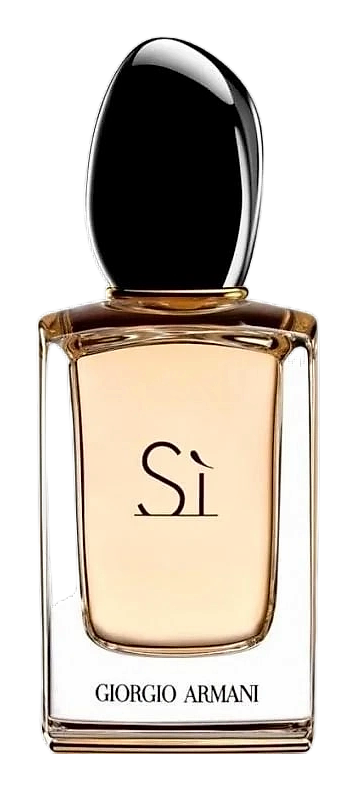
Fragrances featuring Ambroxan
Brands
Brands known for Ambroxan
Good to know
Questions, answered
The essentials on Ambroxan in perfumery: how it smells, where it comes from, and how it behaves on skin.
What does ambroxan smell like in perfume?
Ambroxan smells warm, ambery, and musky with a distinctive skin-like radiance. It projects a smooth, mineral warmth that is simultaneously woody and subtly sweet, creating an aura often described as crystalline or sea-washed. The molecule has an extremely low odor threshold, meaning even tiny concentrations of 0.1% can be detected, giving perfumers precise control over its diffusive power.
Why is ambroxan used in perfumery?
Ambroxan serves as a powerful fixative that extends fragrance longevity from hours to entire days. It enhances projection without aggression, creates a modern clean aesthetic, and acts as a blender that smooths transitions between notes. Its ability to amplify sillage while remaining subtle makes it invaluable in over 70% of contemporary commercial fragrances, from designer blockbusters to niche creations.
Is ambroxan in perfume natural or synthetic?
Ambroxan is synthetic, though it replicates a natural compound found in ambergris. The molecule is typically produced through hemisynthesis from sclareol, a diterpene extracted from clary sage cultivated in France and Russia. This lab-created production ensures consistent quality, eliminates reliance on rare whale-derived ambergris, and provides a sustainable alternative that has made the ambergris scent profile accessible to virtually all modern perfumery.
What famous perfumes contain ambroxan?
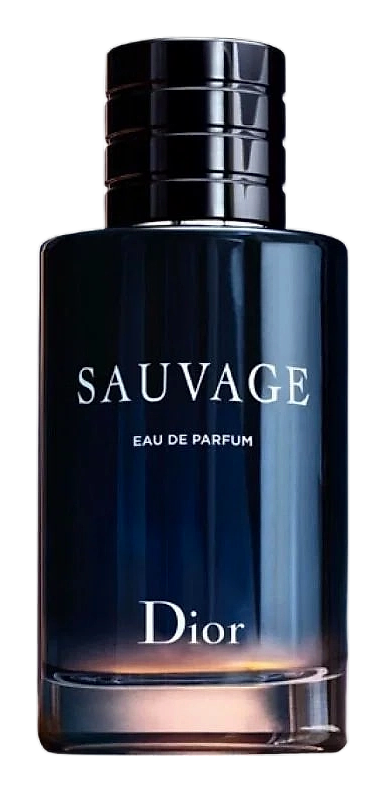
Ambroxan appears in numerous iconic fragrances including Maison Francis Kurkdjian Baccarat Rouge 540, Escentric Molecules Molecule 02, Le Labo Santal 33, Dior Sauvage, and Juliette Has a Gun Not a Perfume. Molecule 02 famously consists of nothing but ambroxan, while Baccarat Rouge 540 uses it as the dominant note alongside saffron and cedar, demonstrating its versatility in both minimalist and complex compositions.
Is ambroxan a top note, heart note, or base note?
Ambroxan functions exclusively as a base note due to its exceptional molecular stability and low volatility. It emerges gradually as other notes dissipate, often becoming more prominent several hours after application. Its fixative properties anchor the entire fragrance structure, providing longevity that can extend wear time to 12 hours or more while maintaining a subtle, skin-hugging presence throughout the drydown.
What notes pair well with ambroxan in perfume?
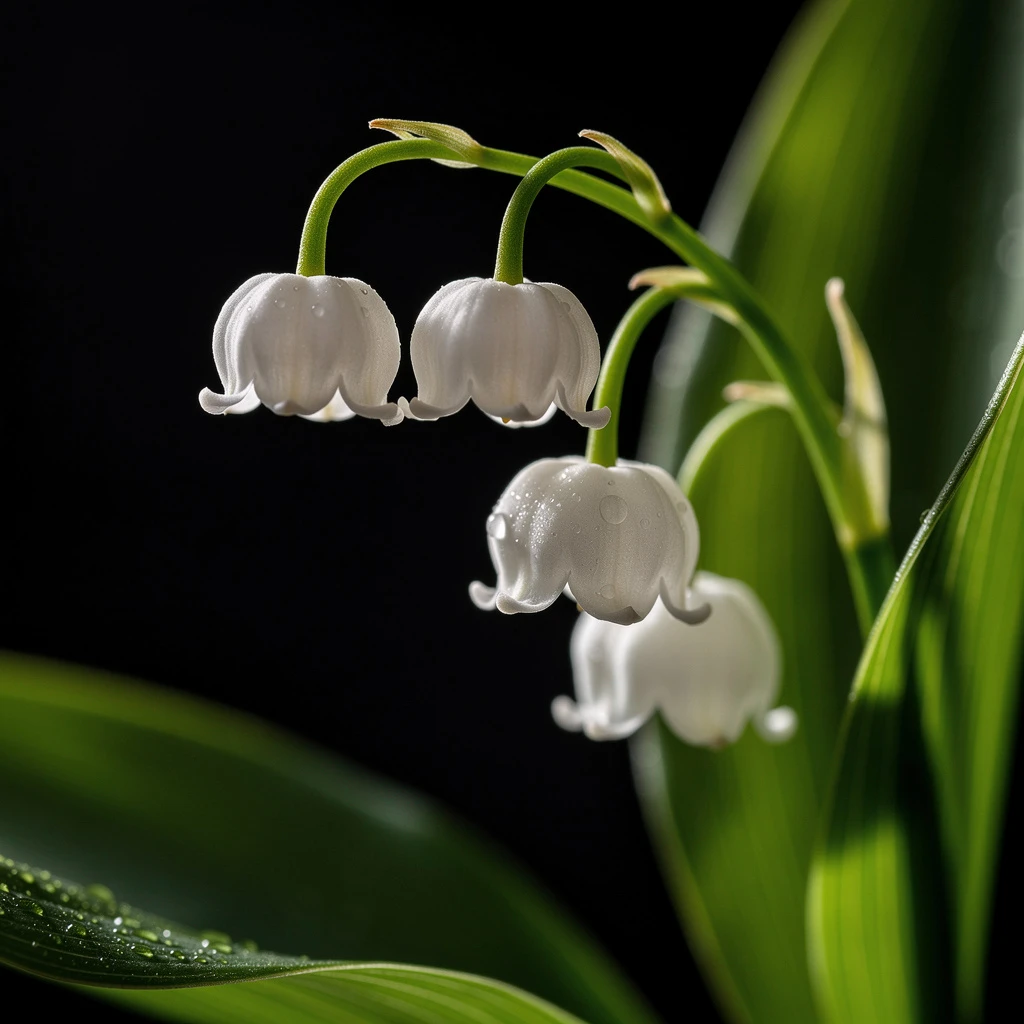
Ambroxan pairs exceptionally well with woods like cedar and sandalwood, citrus notes for freshness, spices including saffron and pink pepper, and white florals such as jasmine. It also complements mineral accords, sea salt, and other musks. In Baccarat Rouge 540, it blends with saffron and fir resin; in Santal 33, it supports sandalwood and leather, demonstrating its chameleon-like ability to enhance diverse fragrance families.
Where does ambroxan come from and how is it made?
Ambroxan is produced primarily through hemisynthesis starting from sclareol, a diterpene alcohol extracted from clary sage flowers grown in France, Russia, and Hungary. Developed by Swiss company Firmenich in the 1950s, the process involves oxidizing sclareol through cyclization and reduction steps. Alternative methods include total synthesis from petrochemicals and newer biotechnological approaches using engineered enzymes, offering increasingly sustainable production pathways for this essential perfumery material.
Is ambroxan used in men's or women's fragrances?
Ambroxan is gender-neutral and appears extensively in both men's and women's fragrances, as well as unisex compositions. It features prominently in masculine scents like Dior Sauvage and Bleu de Chanel, feminine fragrances such as Baccarat Rouge 540 and Not a Perfume, and shared unisex creations like Santal 33. Its skin-like, adaptive quality makes it universally appealing regardless of traditional gender categorization in perfumery.
In the same family