Ambrette Musk Mallow
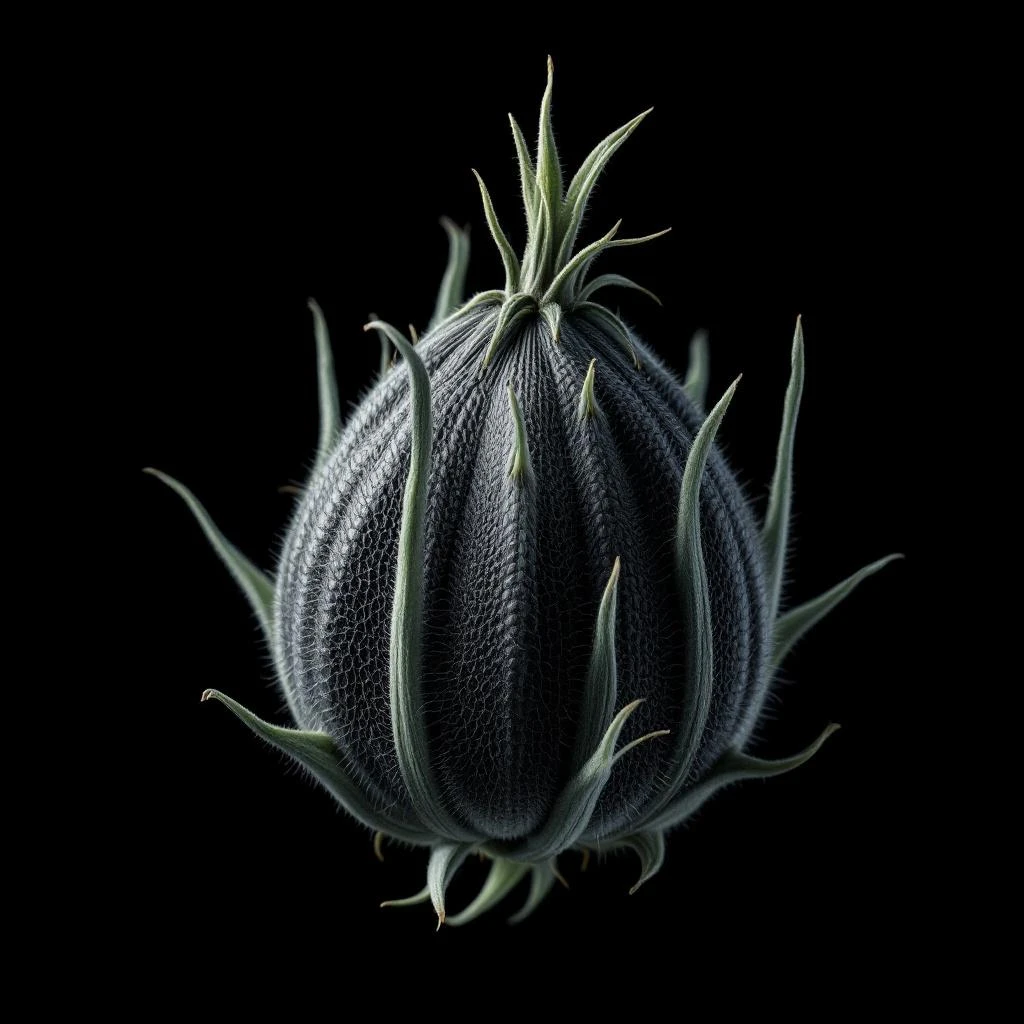
Ambrette Musk Mallow delivers a warm, creamy musk with sweet floral whispers from the seeds of Abelmoschus moschatus, a tropical plant in the Hibiscus family prized as a natural alternative to animal-derived musks.
Character
How it smells
The original botanical musk, warm and creamy from seed.
A single musk mallow plant yields only trace amounts of oil, making ambrette one of perfumery's most precious plant-based aromatics.
Pairs beautifully with

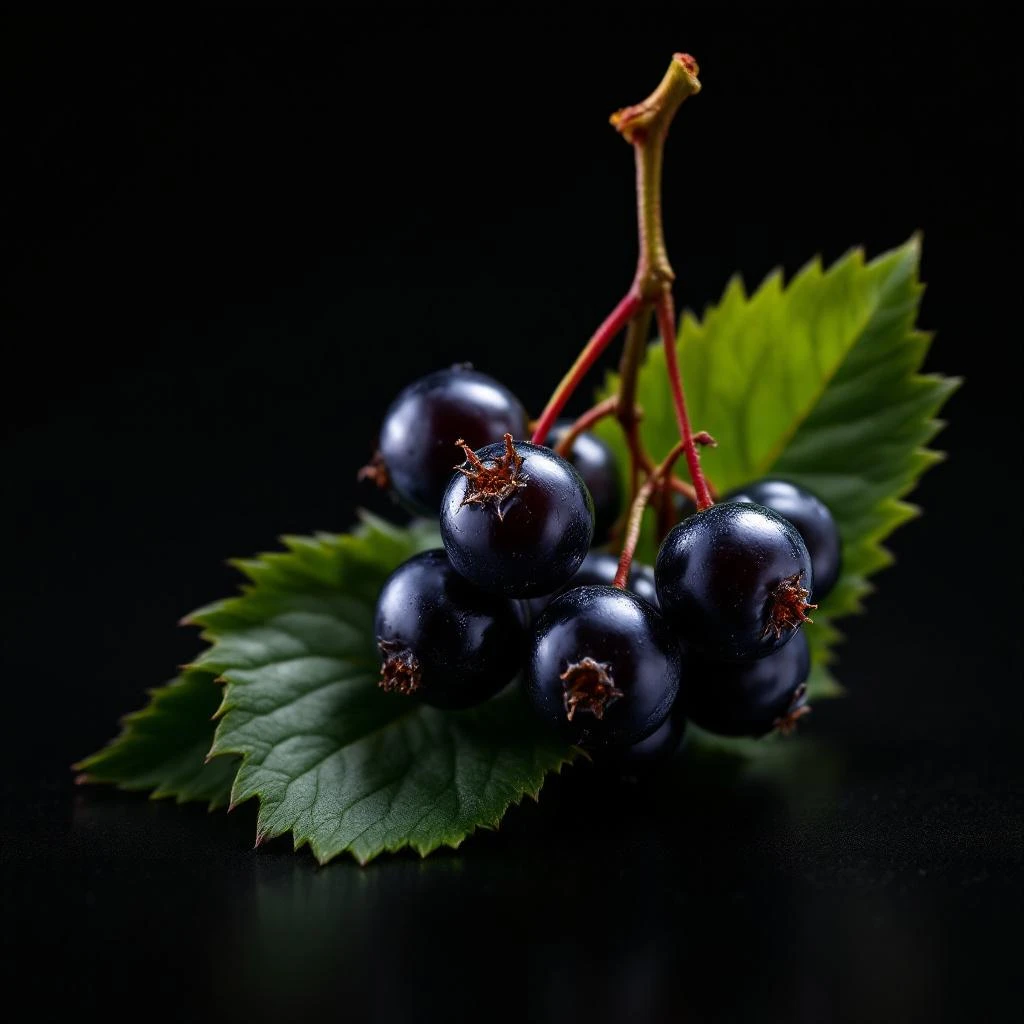
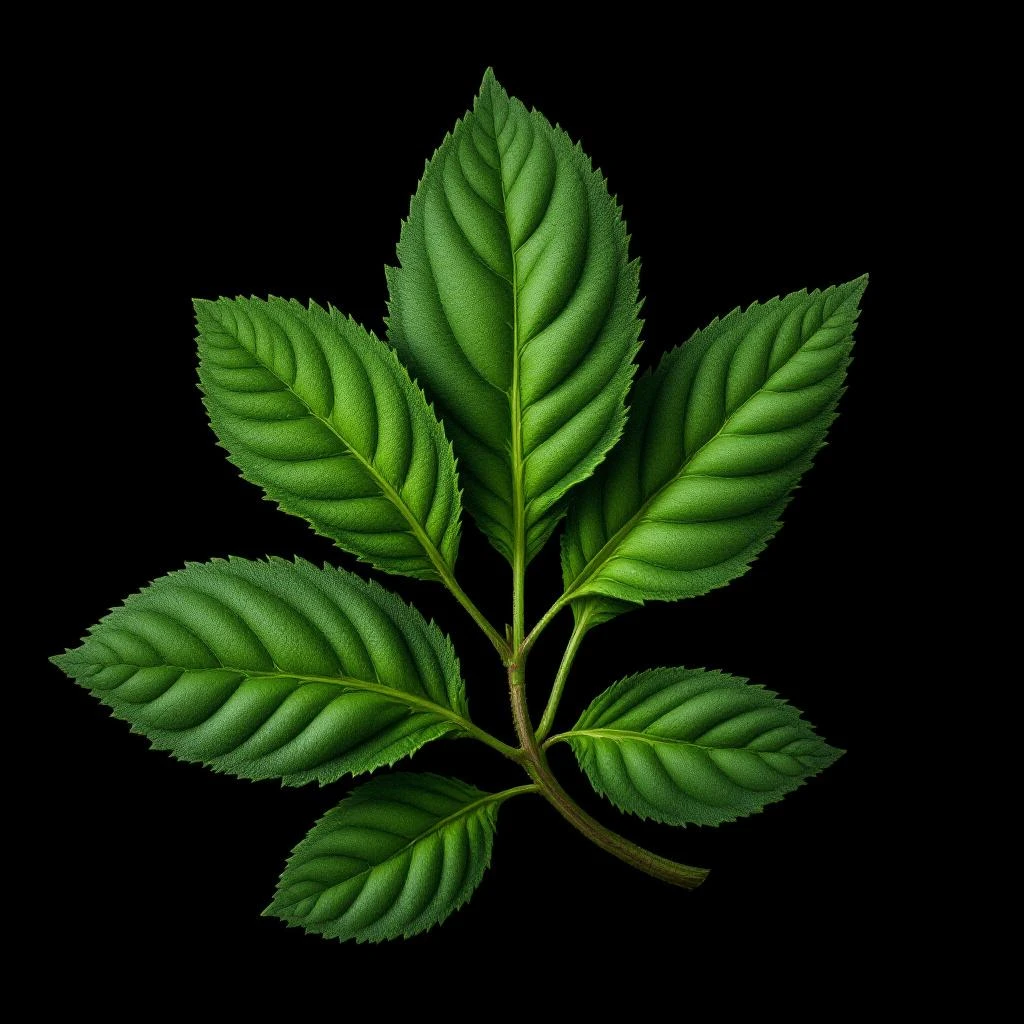

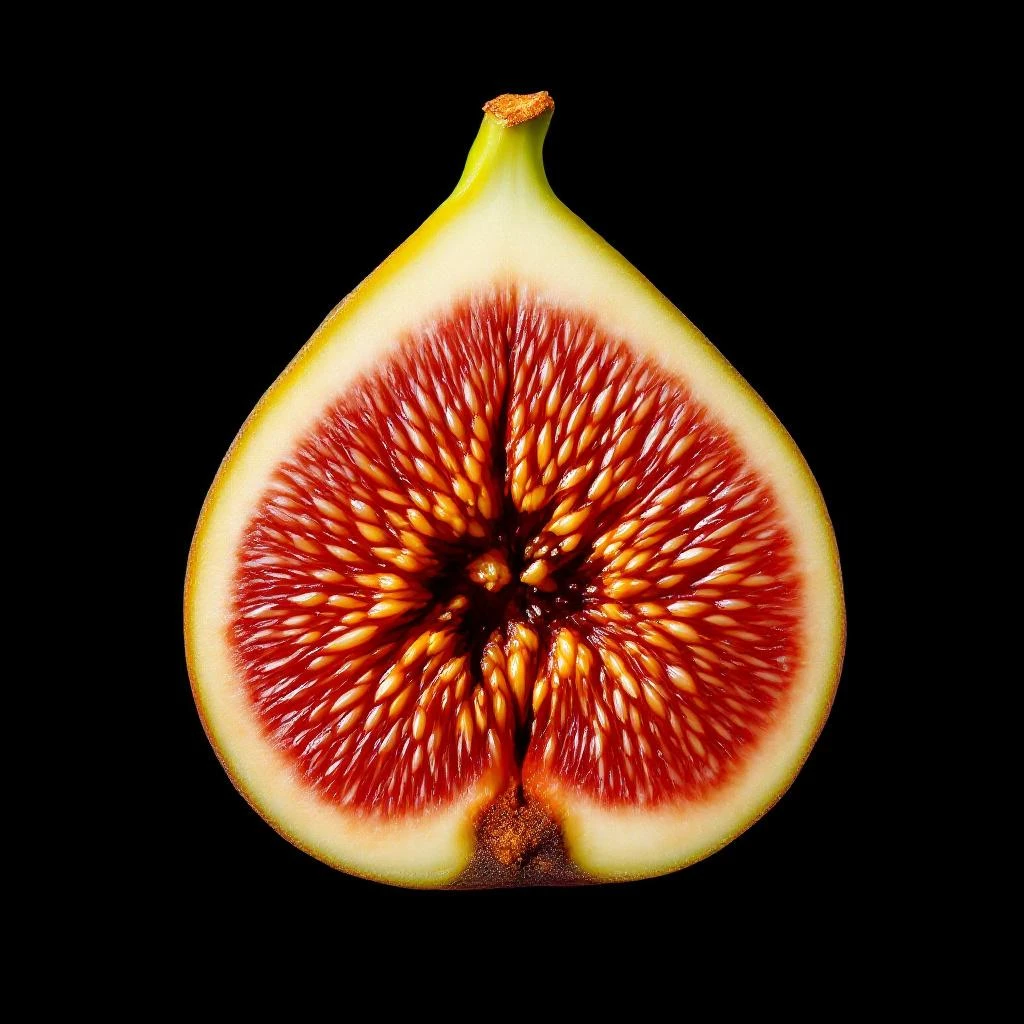
Origin
India
Ambrette musk mallow traces its perfumery roots to ancient India, where Ayurvedic practitioners first documented the seeds' aromatic and medicinal properties. By the Renaissance, European travelers encountered the hibiscus-like plant and transported its seeds westward.
During the 18th century, French and Italian perfumers began extracting the seeds' musky oil, establishing ambrette as a prized ingredient in botanical perfumery. Before synthetic musks emerged in the late 19th century, ambrette represented one of the few viable plant-based alternatives to animal-derived musk.
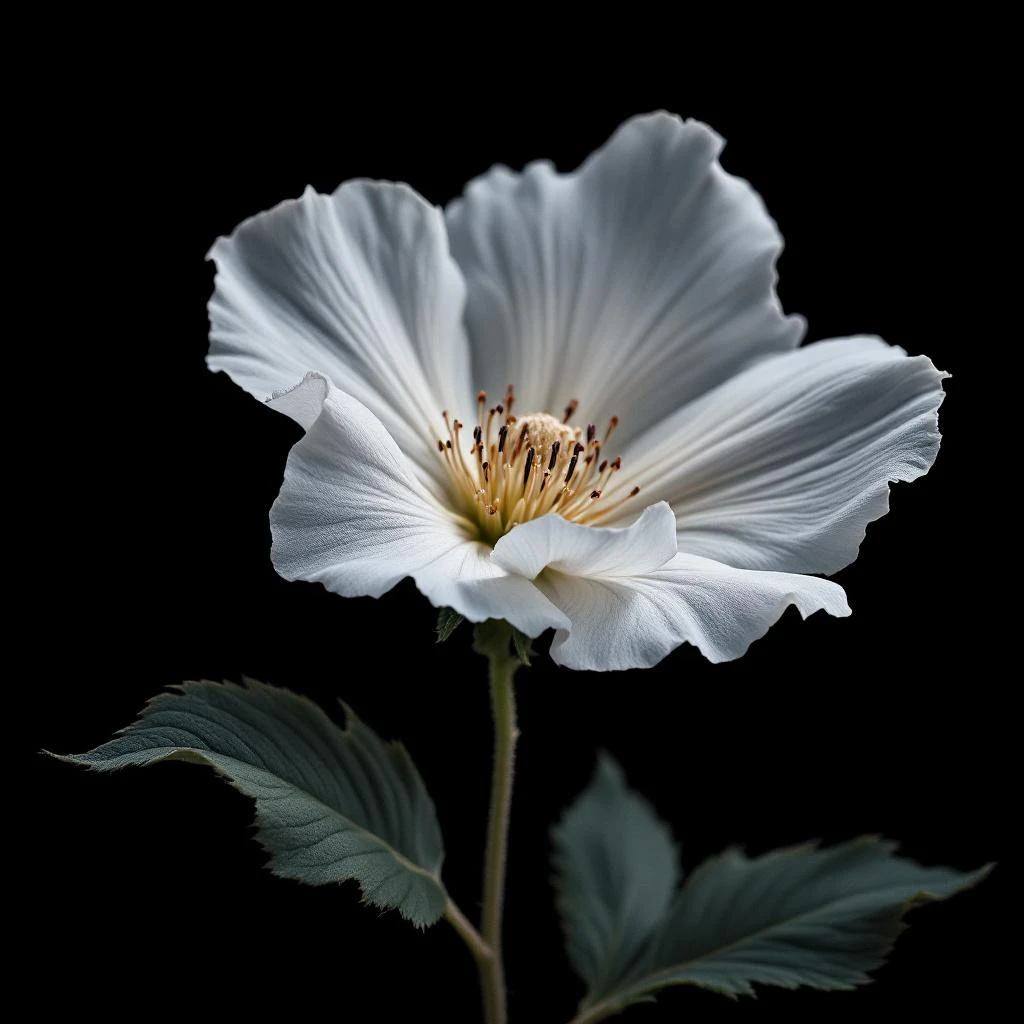
The plant belongs to the same family as hibiscus, and its delicate flowers bear a passing resemblance, though the real value lies hidden in the seed. Today, cultivation spans India, Ecuador, Indonesia, Peru, and Vietnam, with India remaining the historical and cultural origin of this treasured ingredient.
Wears it best
Fragrances featuring Ambrette Musk Mallow
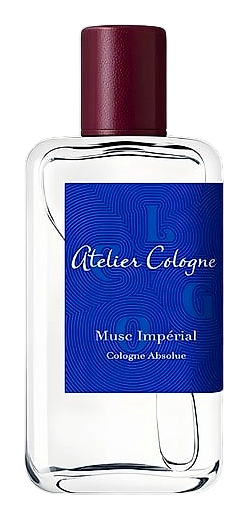
Brands
Brands known for Ambrette Musk Mallow
Good to know
Questions, answered
The essentials on Ambrette Musk Mallow in perfumery: how it smells, where it comes from, and how it behaves on skin.
What does Ambrette Musk Mallow smell like?
Ambrette Musk Mallow smells warm, creamy, and sweet with musky undertones and faint floral echoes. The aroma blends clean skin-like softness with a hint of seed-like warmth, making it a sophisticated botanical musk that sits close to the skin.
What does 'Musk Mallow' refer to?
Musk Mallow refers to the plant Abelmoschus moschatus, also called ambrette or musk okra. The name comes from the plant's musky-scented seeds, which yield the prized aromatic material used in perfumery.
Where does Ambrette Musk Mallow originate?
Ambrette Musk Mallow originates in India and tropical regions of Asia. The plant grows across multiple countries, with primary cultivation in India, Ecuador, Indonesia, Peru, and Vietnam.
How is Ambrette Musk Mallow extracted?
Ambrette seeds undergo steam distillation or solvent extraction after drying. Steam distillation yields 0.15–0.2% oil, while solvent extraction produces a more concentrated absolute at approximately 0.6% yield.
Is Ambrette Musk Mallow used in natural perfumery?
Yes, ambrette ranks among the most valued natural musks in botanical perfumery. It offers a warm, complex scent profile that synthetic musks often struggle to replicate, with a characteristic creamy sweetness.
What part of the plant is used?
The seeds of the Musk Mallow plant are the source of ambrette's aromatic material. These small seeds contain the concentrated musky compounds that perfumers seek, harvested after the plant matures.
How long has Ambrette been used in perfumery?
Ambrette has been used since at least the 18th century, with roots extending further into ancient Ayurvedic medicine in India. By the late 19th century, it became established in European fine perfumery before synthetic musks emerged.
How does natural Ambrette compare to synthetic musk?
Natural Ambrette offers a more complex, multi-layered scent than most synthetic musks. Each batch carries subtle natural variation, and it appeals to perfumers seeking biodegradable, sustainable alternatives to synthetic base notes.