Musky Notes
Musk is perfumery's most used base note, wrapping skin in a second-skin warmth that feels intimate yet expansive. Nearly 24,000 fragrances build on this foundational ingredient, creating signatures that linger long after leaving the room.

Character
How it smells
The foundational warmth at the heart of modern fragrance.
Muscone, the key molecule in natural musk, was first synthesized in 1926 and remains the benchmark for all white musks used today.








Origin
Switzerland
Natural musk trace back to the Tang Dynasty, when perfumers harvested odorous secretions from the abdominal glands of musk deer in Himalayan Tibet and Tonkin. Emperors and aristocrats prized this substance for its intoxicating warmth and fixative power, making it worth more than gold by weight. Extraction required killing the animal, a practice that persisted for centuries despite its brutality.
By the 1970s, international outcry finally pushed perfumers toward synthetic alternatives, fundamentally reshaping how the industry approaches this ancient ingredient. Today, white musks honor that historical legacy while meeting modern ethical standards.
Wears it best
Fragrances featuring Musky Notes
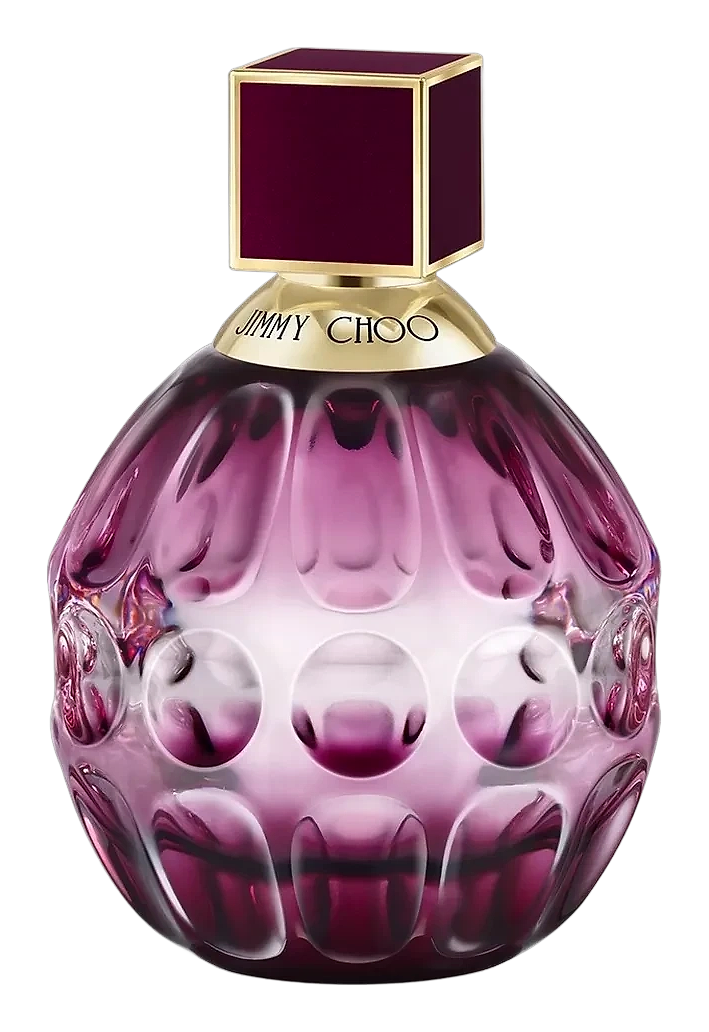
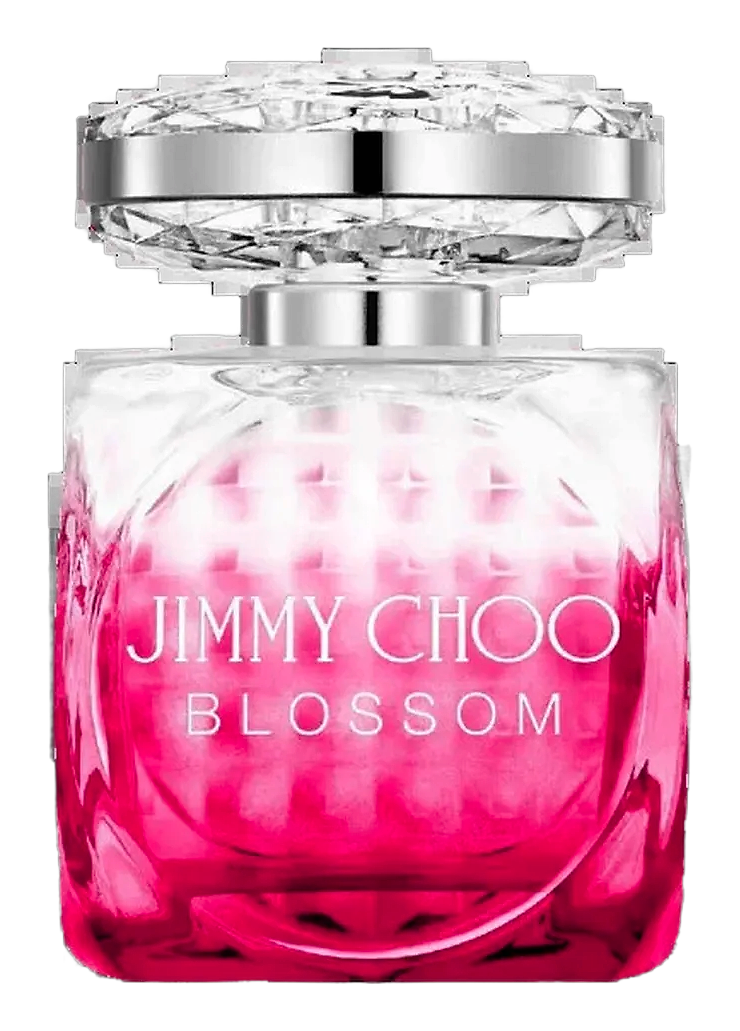
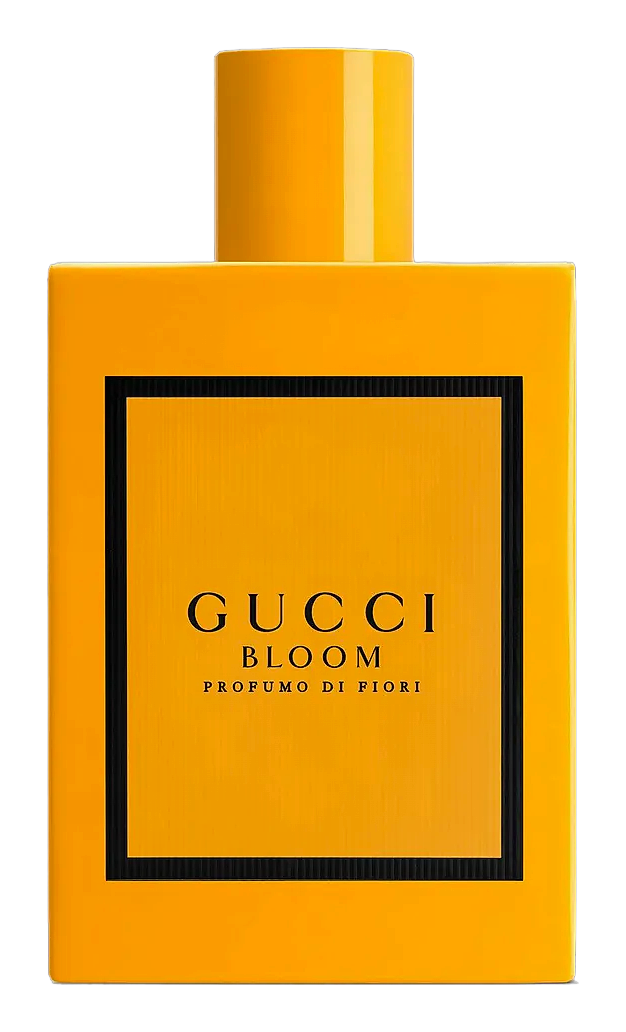
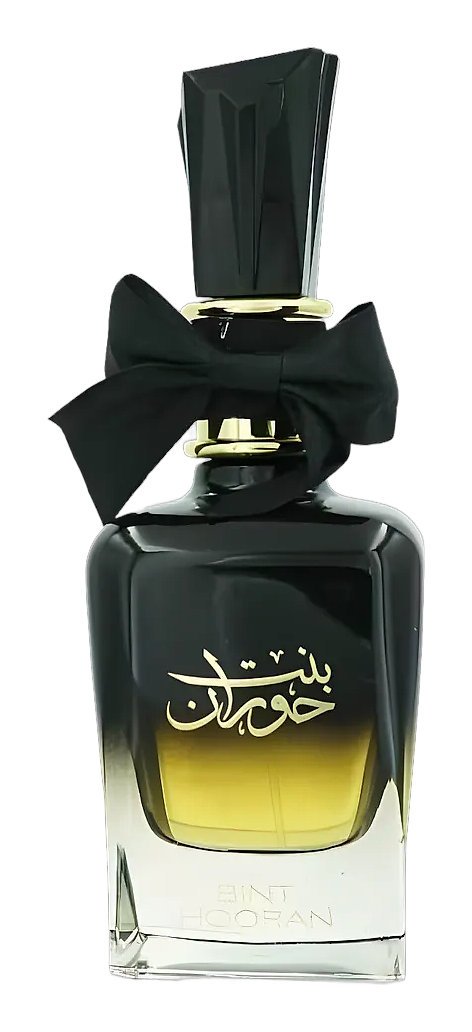
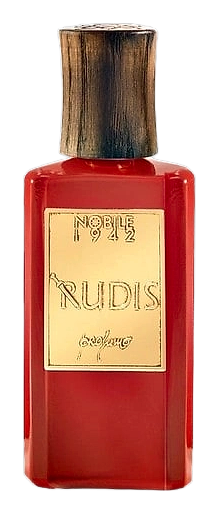
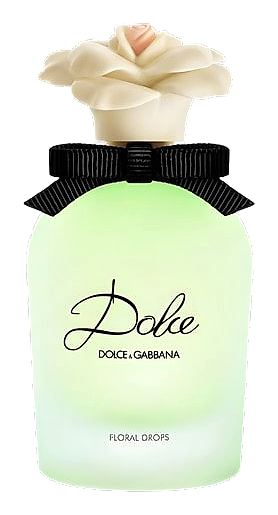
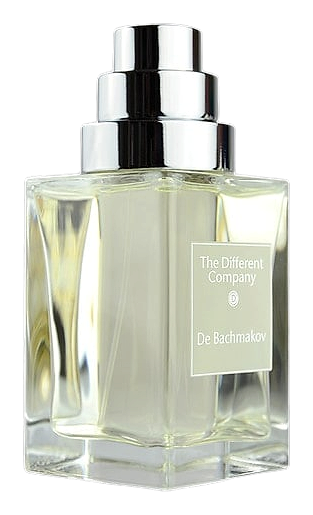
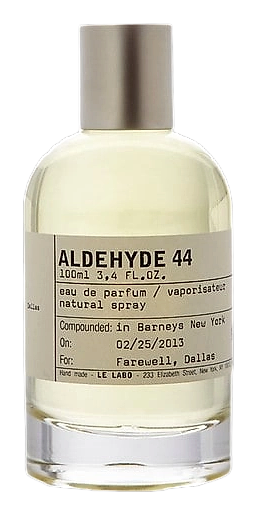
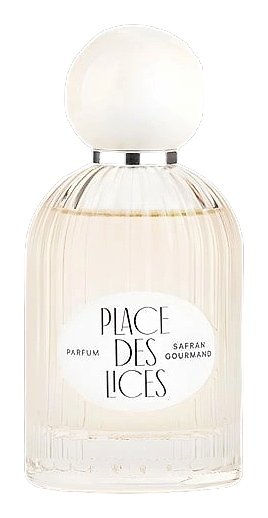
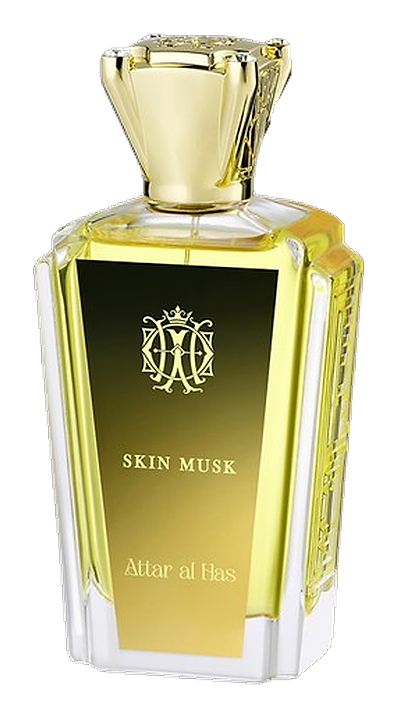
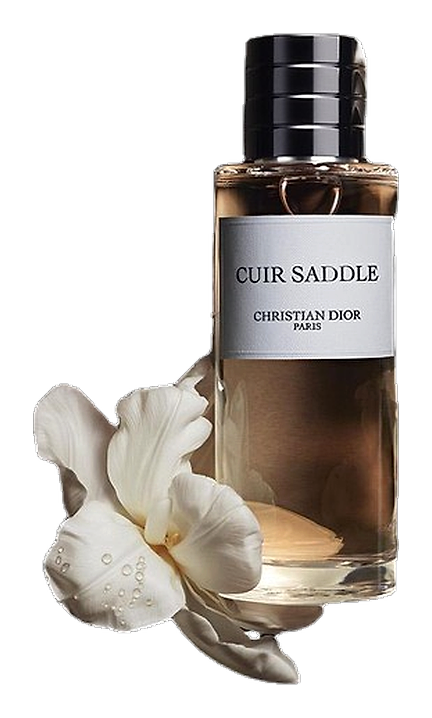
Brands
Brands known for Musky Notes
Good to know
Questions, answered
The essentials on Musky Notes in perfumery: how it smells, where it comes from, and how it behaves on skin.
What does musk smell like?
Musk smells like warm skin that has held fragrance for hours, combining clean powderiness with subtle animal warmth. White musks trend toward soapy freshness, while darker musks reveal leathery, human-skin facets.
Is natural musk still used in perfumery?
No. Ethical concerns led most countries to ban animal musk extraction by the 1970s. Today, 99% of musk used in fragrances is synthetic, typically derived from macrocyclic ketones like muscone.
Why is musk called a fixative?
Musk molecules are large and heavy, allowing them to evaporate slowly and slow down lighter top and heart notes. This extends fragrance longevity from minutes to hours on skin.
What is the difference between white musk and regular musk?
White musk refers to clean, modern synthetic musks like Galaxolide that lack animalic facets. Traditional musks contained fecal and leathery notes; white variants offer pure, powdery softness instead.
Which notes pair best with musk?
Rose and musk form perfumery's classic combination, where floral brightness gains depth. Vanilla adds gourmand warmth, sandalwood creates creamy richness, and amber elevates musk toward opulent oriental character.
Does musk smell different on everyone?
Yes. Musk molecules interact with individual skin chemistry, creating personalized olfactory signatures. This chameleon quality makes musk smell slightly different on each wearer.
When did perfumers stop using animal musk?
The shift to synthetic musk accelerated in the 1970s after ethical concerns gained traction. By 1980, most major perfume houses had phased out natural musk entirely.
What plant alternatives exist for musk?
Ambrette seed, harvested from hibiscus plants in Ecuador and India, provides the closest natural musky scent. However, limited supply restricts its use to niche natural perfumery.