The Story
Why it exists.
The beginning
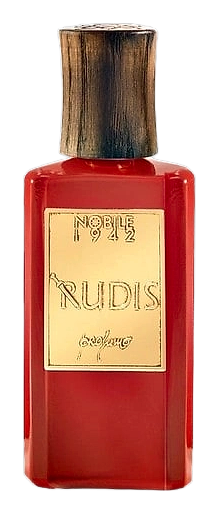
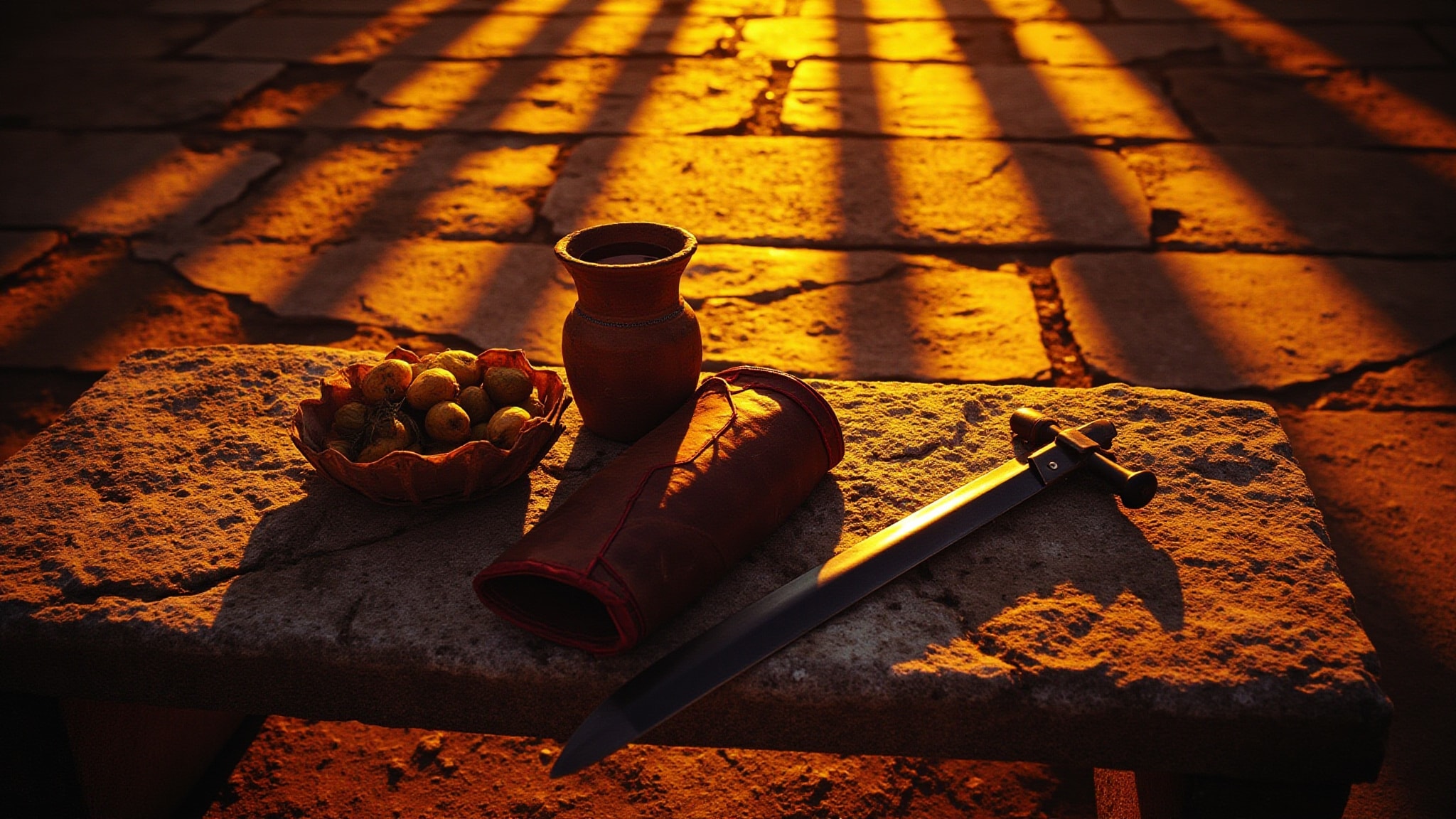
Rudis was named for the wooden practice sword Roman gladiators wielded in training, a tool of preparation that became a symbol of transformation. The name meant different things depending on the moment: to a slave, it meant the possibility of earning freedom; to a warrior, it meant the discipline of earned craft. In 2014, perfumer Antonio Alessandria channeled that duality into scent. The brief was precise: strength and gentleness in the same breath, battle and freedom as the same act. The gladiators would drink fermented wine and dried fruit before entering the arena, that courage and chaos became the opening. The steel of a helmet became the rose and geranium accord. And the wooden sword itself? That became leather and incense, the base that stays with you long after.
What makes Rudis unusual is its architecture. Most fragrances build toward resolution, this one builds toward consequence. The red wine and dried fruits aren't decorative. They're the moment before everything changes, preserved in olfactory form. The rose-geranium combination is where it gets interesting: traditionally warm and floral, here it arrives with a metallic edge that reads like polished steel rather than a garden. That saffron threading through the heart isn't decorative either, it's the personality of the thing, a spice that demands rather than suggests. And the base? Leather, frankincense, patchouli. The kind of materials that don't ask permission to last.
The evolution
The first hour is an event. Red wine and dried fruits arrive with a fermented sweetness that's almost aggressive, there's something of the distillery in the opening, a warmth that borders on heat. Then, as the bergamot fades, the rose and geranium enter. Not softly. They arrive with cedarwood and cloves, a heart that's warm and structured and unexpectedly metallic, like the smell of a helmet after a fight. The transition isn't gradual, it's a handoff. Wine steps back; steel steps forward. Over the next several hours, the base begins to show. Frankincense smoke curls through leather. Vetiver adds a mineral depth. Patchouli grounds everything in a dry earthiness. By hour eight, what's left is a ghost of incense and a skin-scent of something warm, animal, and completely resolved. You could shower and still catch it.
Cultural impact
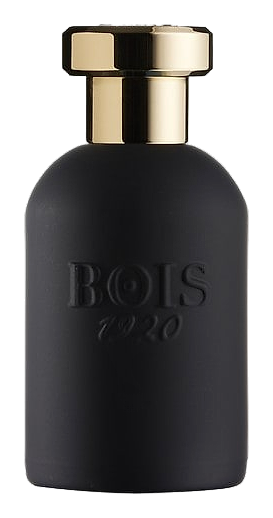
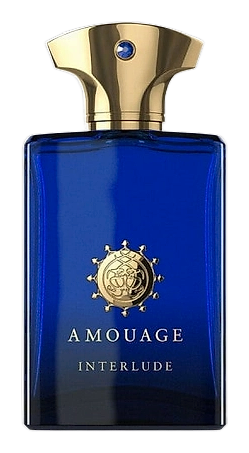
Rudis holds its ground among bold leather and wine compositions. Comparable releases across the niche space include Journey Man by Amouage (2013), Oro Nero by Bois 1920, and Imaginary Authors' Slow Explosions, all trading in leather, smoke, and spice. What sets Rudis apart is the metallic rose heart and the theatrical confidence of its construction. Wearers tend to describe it as the fragrance for someone who enters a room without needing to announce themselves. The combination of red wine, leather, and incense in the drydown places it firmly in the Italian tradition of structured, statement-making perfumery.