The Story
Why it exists.
The beginning
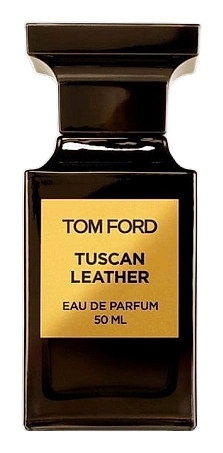
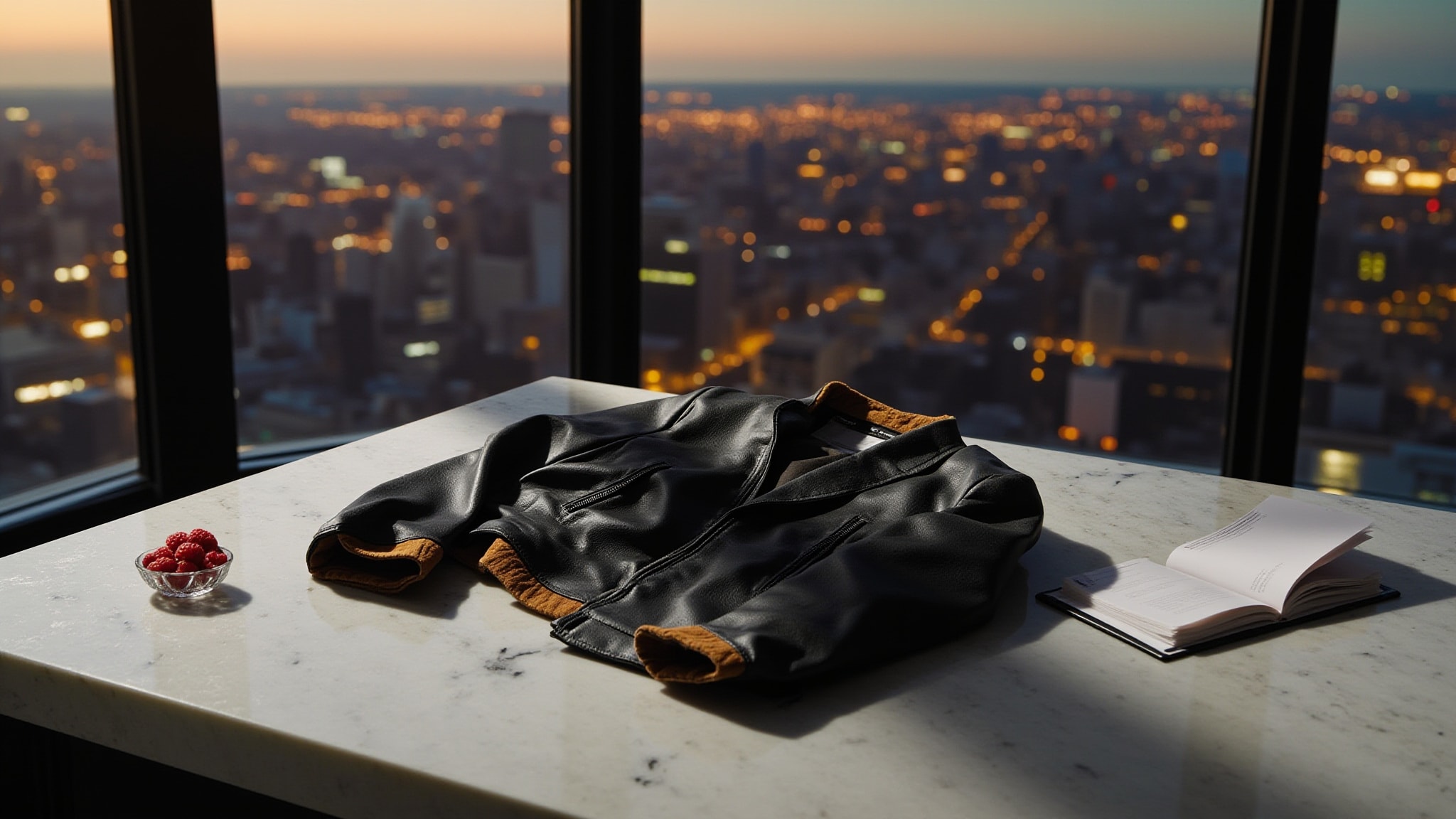
Harry Frémont built Tuscan Leather for Tom Ford's Private Blend collection in 2007, the same year the house launched its direct-to-consumer niche line. Ford gave his perfumers a blank check and one instruction: create something unconstrained by mainstream conventions. Frémont answered with a leather that wasn't afraid of its own power. The name invokes Tuscany not as a travel destination but as an idea, sun-baked hillsides, old leather, warmth that lingers. This was Ford's vision of modern sensuality: confident enough to announce itself, refined enough to justify the price tag.
What makes Tuscan Leather unusual is the top. Most leather fragrances open with leather and stay there. Here, raspberry arrives first, bright, almost tart, before saffron and thyme add a medicinal spice that reads as heat rather than sweetness. The frankincense in the heart doesn't compete with the leather; it amplifies it, turning the suede into something smoky and sacred. By the base, jasmine has softened everything into skin-warmth, and the leather has become the skin itself, not a material you're wearing but a sensation you've become.
The evolution
The opening hits fast. Raspberry bright and sharp, saffron warmth underneath, thyme giving it an herbal edge that prevents sweetness. Thirty minutes in, the frankincense arrives, smoky, resinous, taking over the raspberry like fog rolling in. Jasmine follows, not floral so much as warm and slightly indolic, the smell of skin at body temperature. The leather doesn't announce itself; it accumulates. By the third hour, the base is everything: suede first, then amber, then woods that keep going. Eight hours later on skin, it's still there. On fabric, it becomes something else entirely, a warm, animalic presence that doesn't wash out completely.
Cultural impact
Tuscan Leather occupies a specific position in the fragrance world's hierarchy of power. It's the benchmark against which other leather fragrances are measured, not because it's the strongest or the most expensive, but because it established that leather can be sensual without being aggressive. Wearers describe it as the scent of someone who walks into a room and doesn't need to announce themselves. It's been copied, cloned, and referenced endlessly since 2007, which is the most honest measure of its influence.