The Story
Why it exists.
The beginning
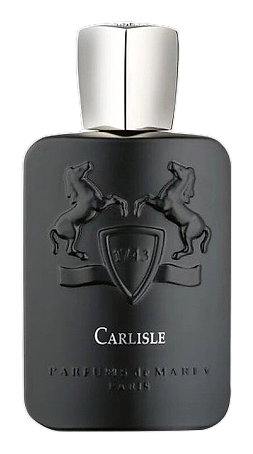
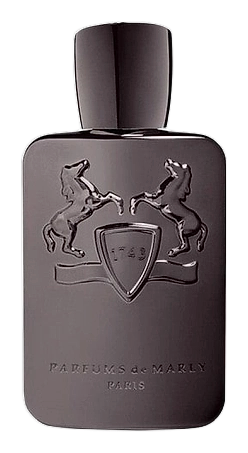
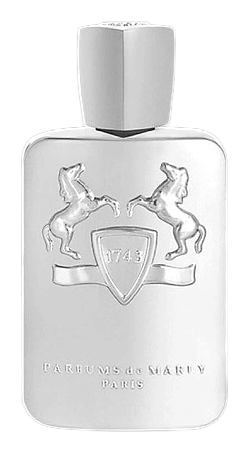
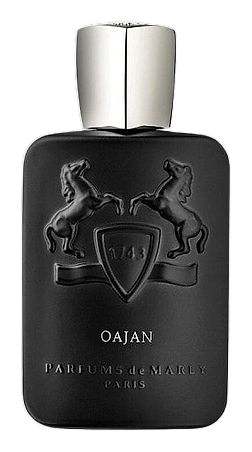
The Godolphin Arabian stands as a renowned stallion ancestor in thoroughbred lineage. Parfums de Marly named this fragrance after that heritage, translating equine power and aristocratic breeding into a bottle. Michèle Saramito composed Godolphin, anchoring the fragrance in that opulent rose note. The combination of delicate suede, orris, and yellow-flesh fruits creates something that feels both regal and wearable, not the cold authority of a display case, but the warmth of something actually ridden. Leather and cedarwood form the foundation, but the rose is the statement. Every spray carries centuries of winning in it.
What makes Godolphin unusual is the floral heart in a masculine context. Rose, iris, and jasmine typically play supporting roles in men's fragrances, quiet woods and resins do the heavy lifting. Here, the rose takes center stage. It's not delicate or feminine. It's rich, velvety, and unapologetically present. The orris adds a powdery softness that tempers the saffron's sharpness without dulling it. Jasmine brings tropical depth and a faint animal warmth underneath. Together, these three florals create a heart that feels opulent without being precious, sophisticated, but with enough leather underneath to keep it grounded in the masculine register.
The evolution
The opening announces itself. Saffron's medicinal, almost blood-orange sharpness arrives first, unmistakable and a little confrontational. Thyme and cypress follow, herbal and green, with a fruity undertone that reads like the sweetness of yellow-flesh fruits just past ripe. Then the hand-off. The rose swells into the foreground, dense and velvety, carrying iris and jasmine with it. The fruity note doesn't disappear, it deepens, becoming part of the floral conversation rather than standing apart from it. This is the heart's defining move: a masculine fragrance where the florals are the loudest thing in the room, and it works because the leather underneath is never far. The drydown belongs to the cedar. White cedarwood and vetiver form a woody structure that holds the rose and iris in place, while amber, musk, and vanilla wrap everything in warmth.
Cultural impact
Godolphin represents a departure from typical masculine fragrance conventions by placing rose, iris, and jasmine at the center rather than relegating them to supporting roles. The leather-rose combination proved influential, shaping how opulent, florally-dense masculines would be conceived going forward. Its sustained presence over more than a decade of production demonstrates the fragrance's enduring appeal and resonance with wearers.