White Cedarwood
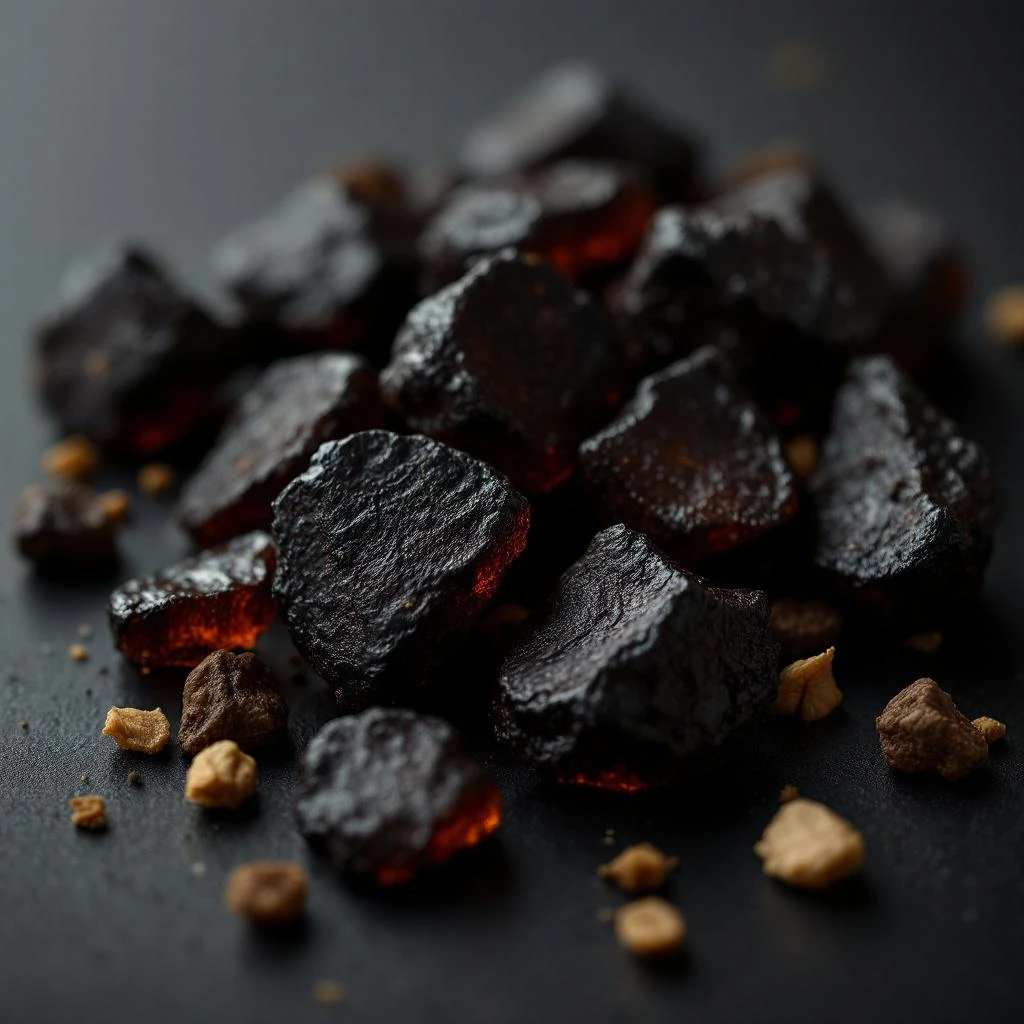
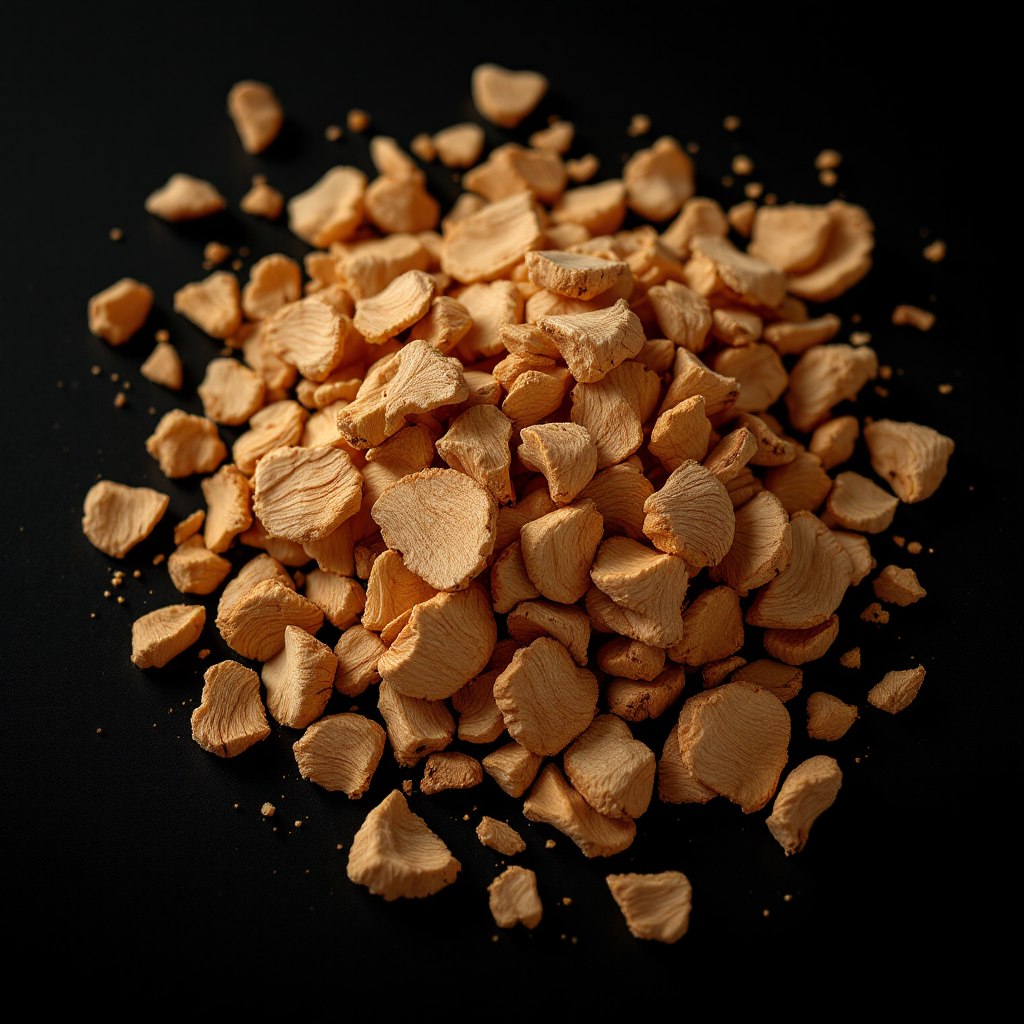
White Cedarwood brings a refined, dry woody warmth to fragrances. Sourced from cedar trees and extracted through steam distillation of wood chips, this material has anchored perfumes for millennia with its elegant, aromatic character.
Character
How it smells
Dry, warm, and quietly authoritative.
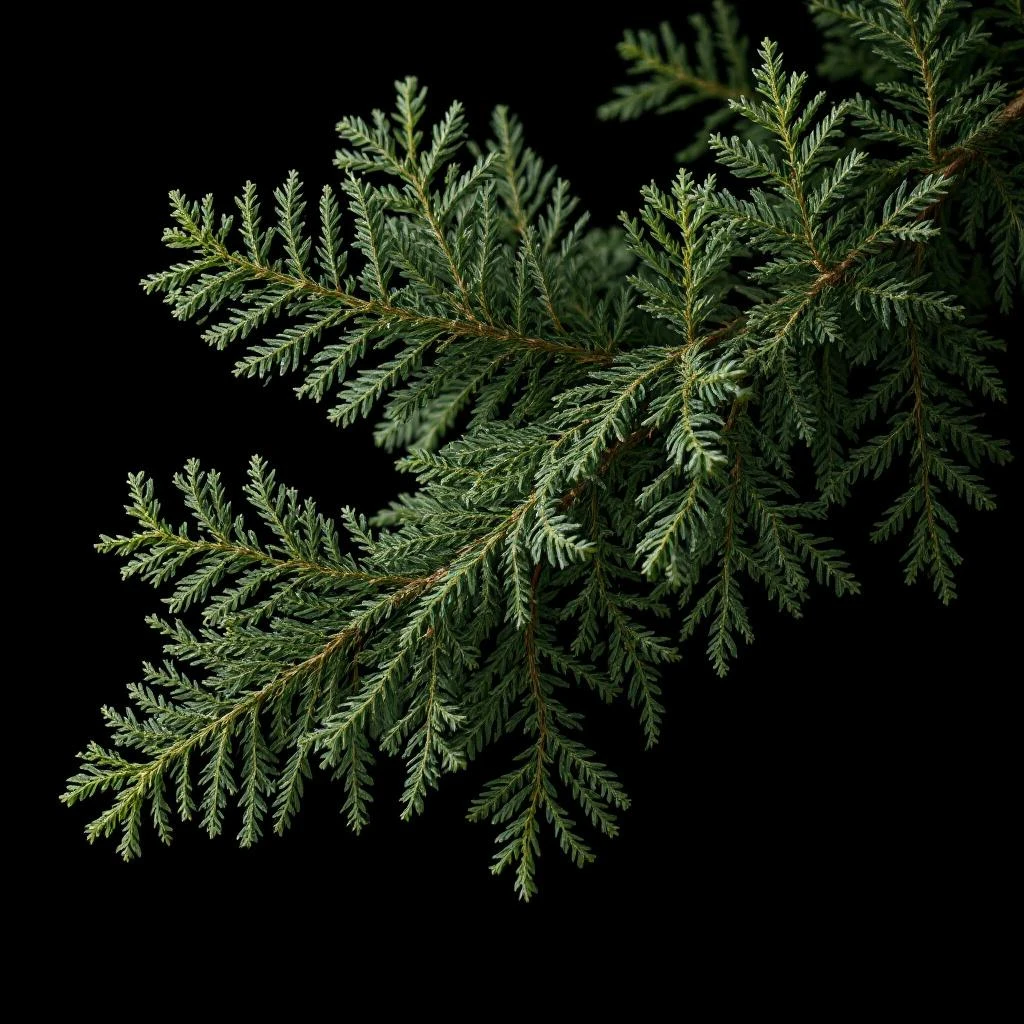
The Atlas cedar was introduced to Europe only in 1839, yet it now dominates fine perfumery's cedar supply.








Origin
Morocco
Cedar trees carry one of the longest documented aromatic histories of any plant material used in perfumery. Ancient Egyptians employed cedarwood over two thousand years before the birth of Christ, burning it as incense and using its oil in embalming rituals and cosmetics.
The ancient Phoenicians and Israelites valued cedar from Lebanon so highly that Solomon used it to construct the First Temple in Jerusalem. The Atlas cedar, native to the Middle East, North Africa, and the Himalayas, made its way to Europe relatively recently, with its first recorded European introduction occurring in 1839.
Before modern synthetic aroma compounds emerged in the late nineteenth century, natural cedarwood oil was one of the most important fixatives available to perfumers. Today, it remains indispensable, lending structure, warmth, and longevity to men's fragrances, woody accords, and countless other compositions worldwide.
Wears it best
Fragrances featuring White Cedarwood

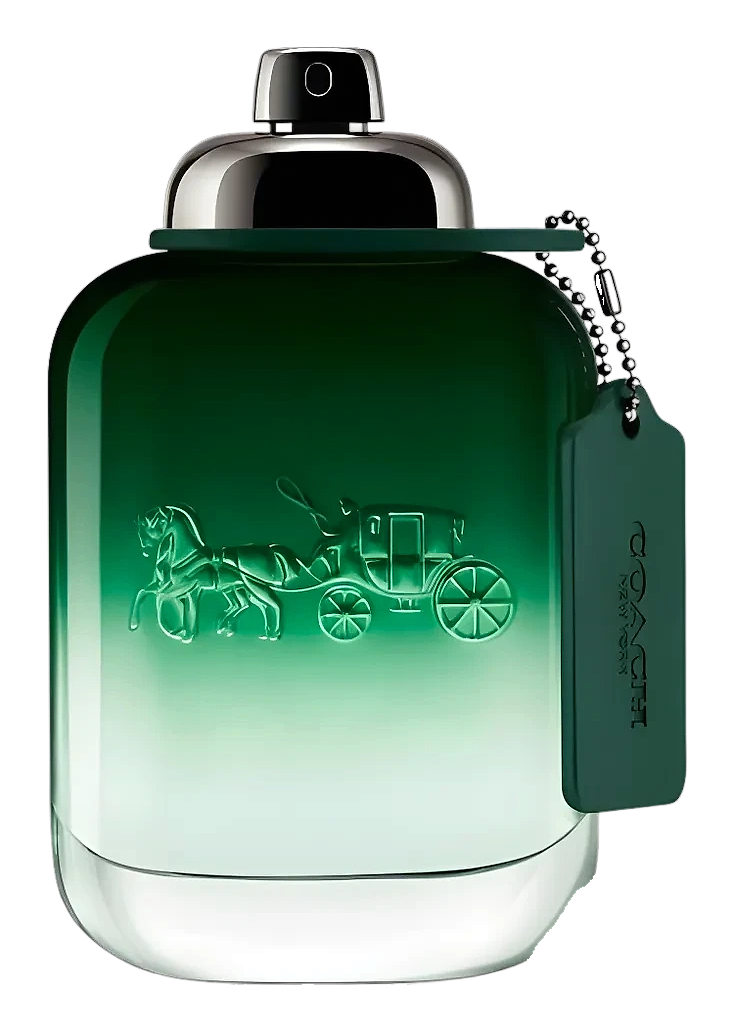


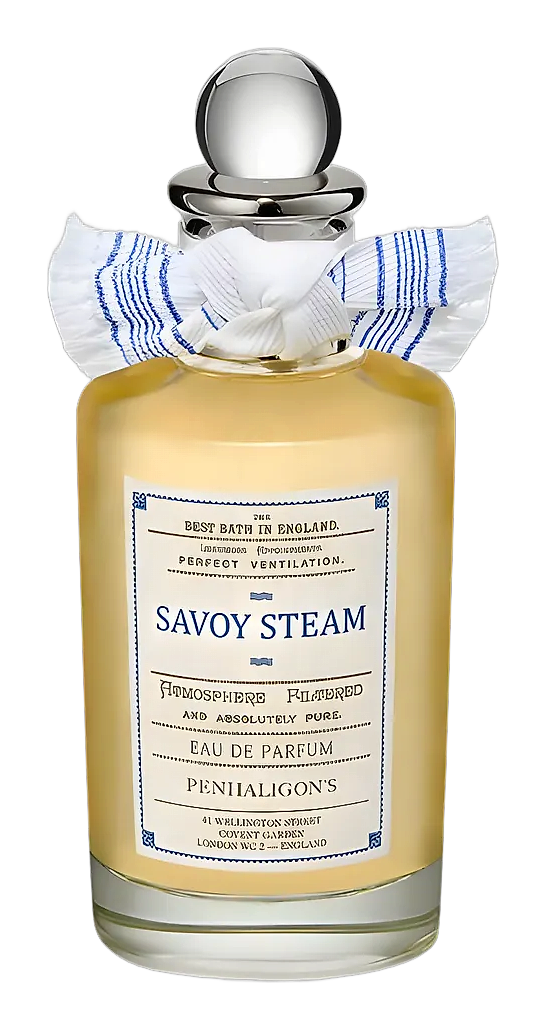

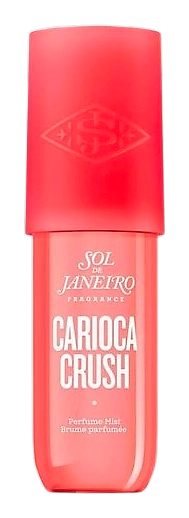
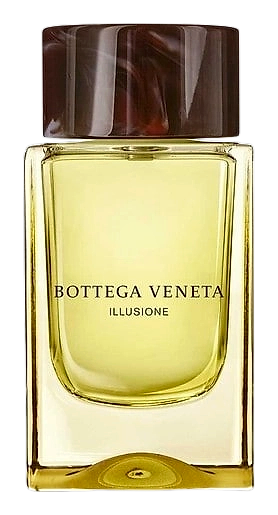
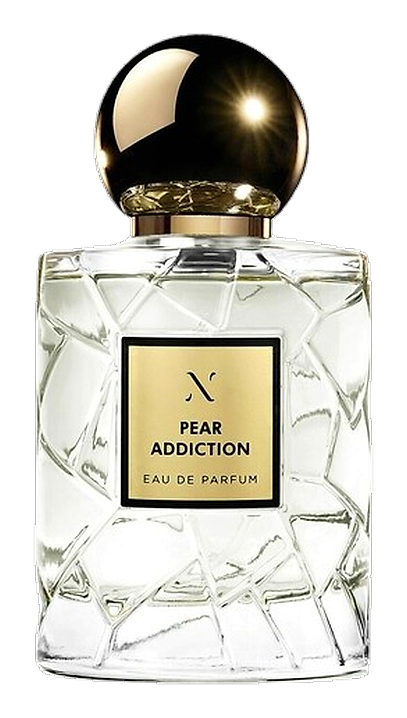
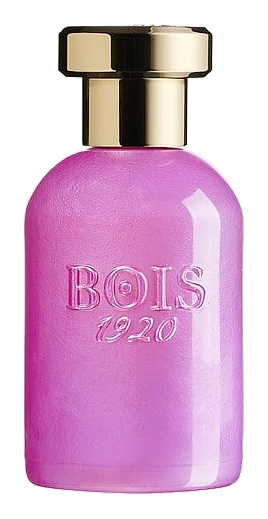
Brands
Brands known for White Cedarwood
Good to know
Questions, answered
The essentials on White Cedarwood in perfumery: how it smells, where it comes from, and how it behaves on skin.
What makes White Cedarwood different from other cedarwood types used in perfumery?
White Cedarwood typically refers to Atlas cedarwood, known for a cleaner, more refined dry woody note compared to the heavier Virginia or Texas cedar varieties. It delivers a softer, less tar-like character that blends smoothly in modern fragrance compositions.
How is White Cedarwood oil extracted from cedar trees?
Steam distillation extracts cedarwood oil from wood chips and sawdust. Pressurized steam passes through the material, rupturing oil glands and releasing aromatic compounds. The vapor condenses, allowing the oil to separate from the water for collection.
What does White Cedarwood smell like?
White Cedarwood presents a dry, warm, and slightly spicy woody aroma with aromatic resinous undertones. It adds structure and depth to fragrance bases without overpowering brighter top notes, making it a versatile perfumery material.
Where does White Cedarwood originate?
The Atlas cedar, the primary source for white cedarwood, grows natively across Morocco, the Middle East, North Africa, and the Himalayas. Morocco and the United States are major producers of cedarwood oil for perfumery today.
How long has cedarwood been used in perfumery?
Cedarwood has anchored fragrances for at least two thousand years before Christ. Ancient Egyptians used it extensively for incense and cosmetics, predating modern perfumery by millennia.
What role does White Cedarwood play in fragrance formulas?
Cedarwood acts as a base note and fixative, giving structure to a fragrance. Its dry, slightly spicy woody character helps anchor volatile top notes, extending their presence on the skin and adding warmth to the overall composition.
Can White Cedarwood be combined with other woody notes?
White Cedarwood pairs naturally with sandalwood, vetiver, and guaiac wood. It complements citrus and aromatic top notes, making it a staple in men's fragrances, chypre structures, and contemporary woody-fresh compositions.
Is White Cedarwood considered a natural or synthetic ingredient?
Natural cedarwood oil comes from steam-distilled cedarwood chips, primarily Atlas, Virginia, or Texas cedar species. Synthetic cedarwood aromatics also exist for cost and consistency reasons, but natural cedarwood remains the preferred choice in premium perfumery.