The Story
Why it exists.
The beginning
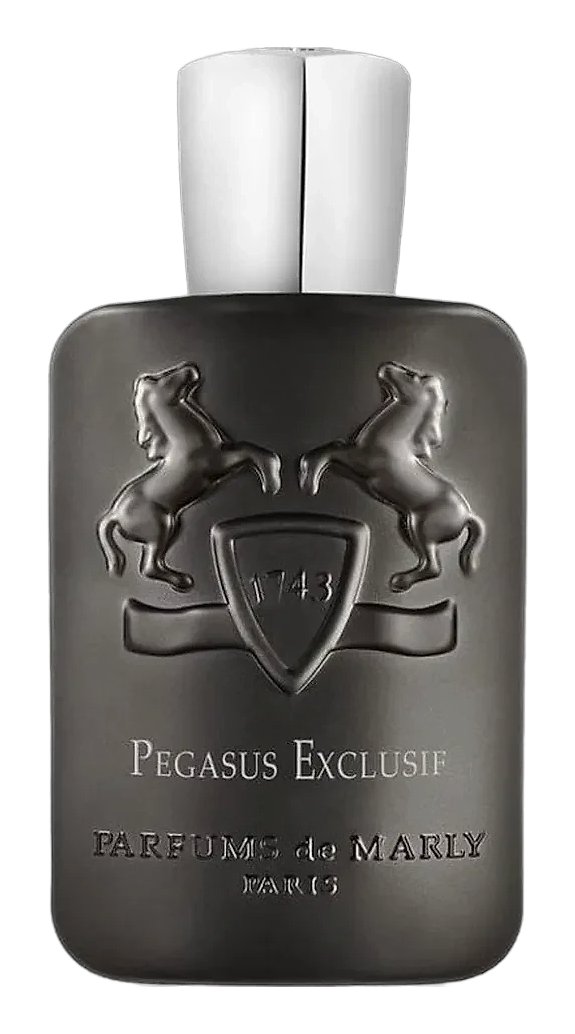
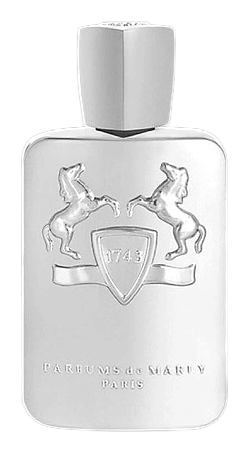
Pegasus arrived in 2011 as the sixth fragrance from Parfums de Marly, a house that had already staked its identity on boldness. Named for the mythical winged horse, the fragrance embodies elevation, something that lifts off skin rather than simply sitting on it. Perfumer Hamid Merati-Kashani built it within the house's Metallics collection, a lineup designed for impact. The brief, if there was one, seemed simple: make something that announces itself without trying too hard.
What makes Pegasus distinctive is its refusal to choose between comfort and authority. The bitter almond note sits at the composition's center, nutty, slightly bitter, unexpectedly elegant. It prevents the vanilla from sliding into pure dessert territory and keeps the jasmine from being merely floral. Heliotrope adds that powdery dimension that French perfumery has loved for centuries, but here it reads as composure rather than nostalgia. The result is a fragrance that feels both timeless and unmistakably modern in its conviction.
The evolution
The opening announces itself with heliotrope and bergamot, powdery sweetness cut by citrus brightness. Within minutes, the bitter almond arrives and reshapes everything, adding a nutty warmth that shifts the composition from floral to something richer. Lavender lingers throughout the heart, providing an aromatic counterpoint that prevents the sweetness from cloying. By hour three, vanilla has taken over the base, but it's anchored by sandalwood and amber, warm, creamy, but never heavy. The drydown lasts into the evening, close to skin but detectable. On fabric, it can linger until the next morning.
Cultural impact
Pegasus occupies a specific niche within the niche: sweet enough to attract attention, structured enough to earn respect. It's worn by those who want impact without the typical power-play tropes. The fragrance has remained in production since 2011, a testament to its enduring appeal in a market that often favors novelty.