Bitter Almond
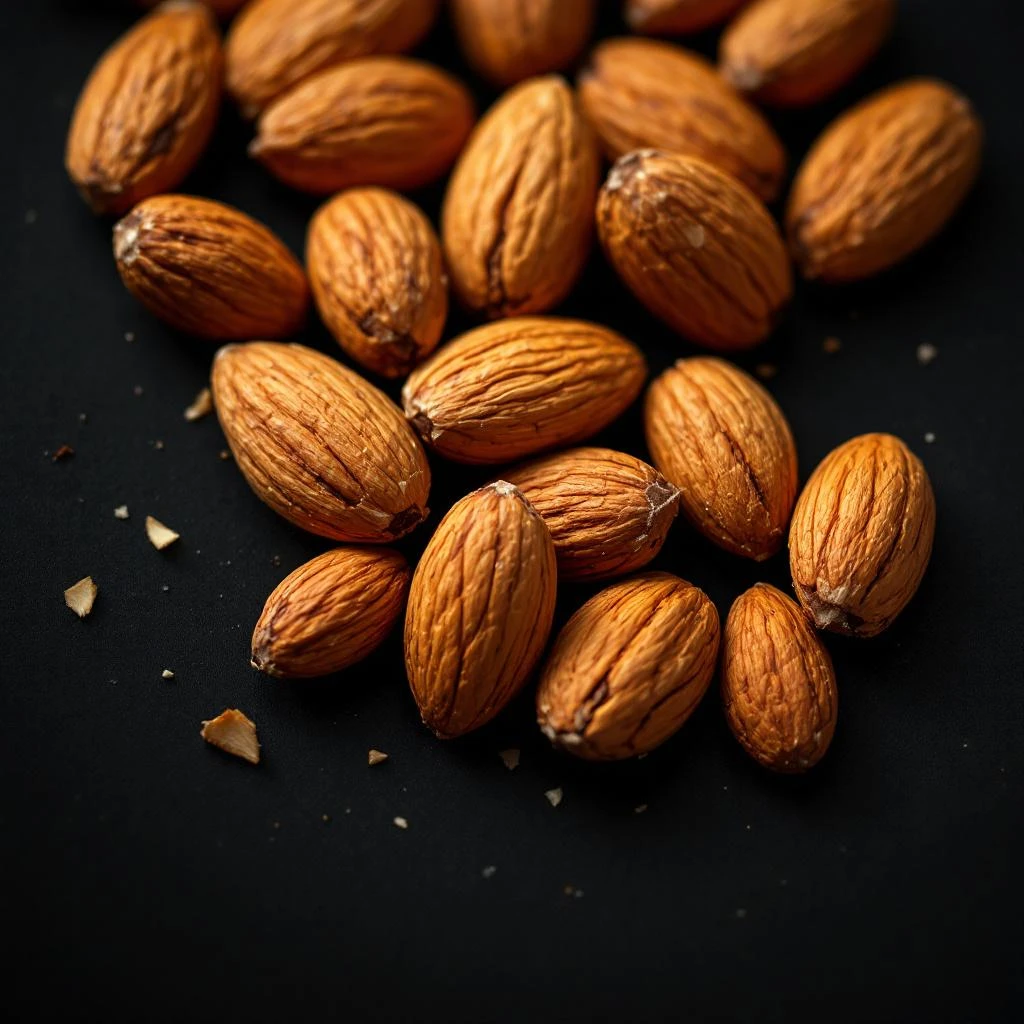
Bitter almond delivers a sharp, cherry-like sweetness with an undertone of warmth and soft nuttiness. Unlike its edible cousin, it carries a distinct medicinal edge that makes it irreplaceable in perfumery's most evocative accords.
Character
How it smells
Sharp sweetness with cherry blossom warmth and marzipan depth.
Bitter almonds contain amygdalin, which releases cyanide when metabolized. Just 10 raw kernels can be dangerous for adults.









Origin
Morocco
Bitter almond traces its olfactory heritage to the wild almonds of Central Asia and the Mediterranean basin, where Prunus dulcis var. amara grows natively. Ancient Mediterranean civilizations used bitter almond oil medicinally, though they understood its dangers.
The 19th century brought the oil into early perfumery, where its distinctive character proved irresistible despite toxicity concerns. Perfumers discovered that even trace amounts delivered an incomparable warmth and cherry-blossom softness impossible to replicate artificially. The note became central to oriental fragrance families and cherry accords.
Today, synthetic benzaldehyde dominates commercial fragrance production, but natural bitter almond absolute persists in niche perfumery, prized for subtle complexities synthetic versions cannot fully capture. Its historical role in Amaretto liqueurs and marzipan flavors further cements its place in sensory culture beyond perfumery.
Wears it best
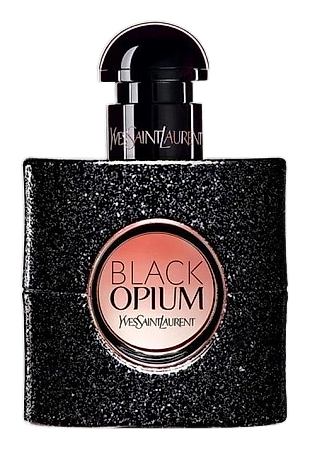
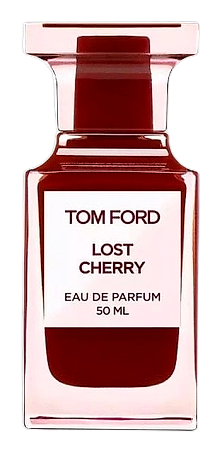
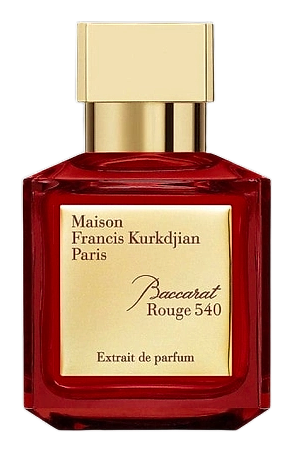
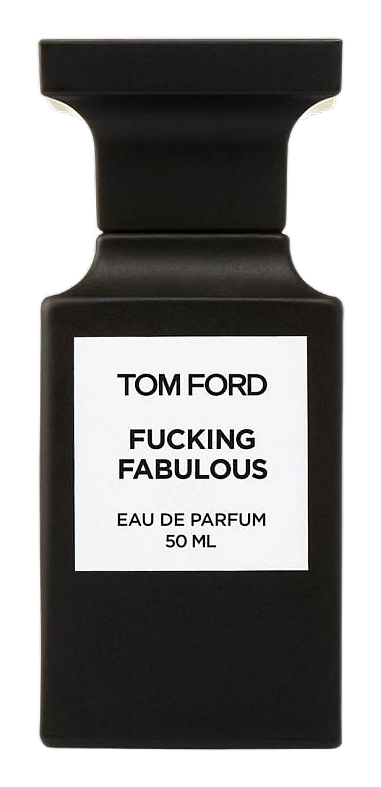
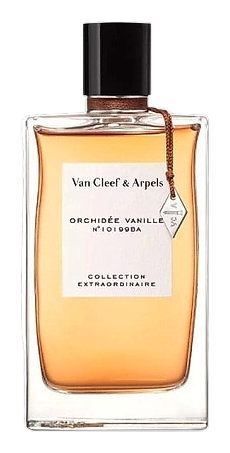
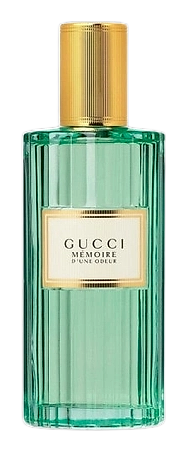
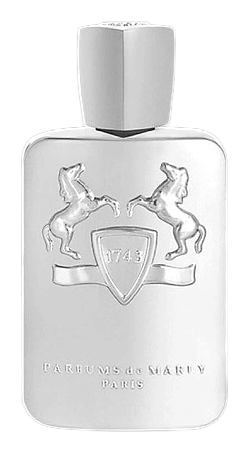
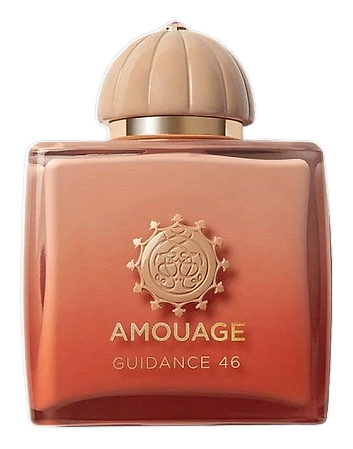
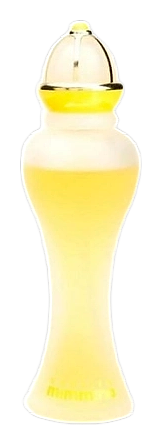
Fragrances featuring Bitter Almond

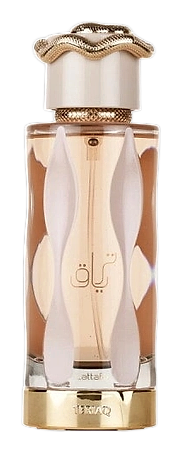

Brands
Brands known for Bitter Almond
Good to know
Questions, answered
The essentials on Bitter Almond in perfumery: how it smells, where it comes from, and how it behaves on skin.
Is bitter almond oil safe in perfumes?
Synthetic benzaldehyde replicates the scent safely. Natural bitter almond oil is restricted in many countries due to cyanide content, making synthetics the standard in modern perfumery.
What does bitter almond smell like?
Bitter almond opens with sharp, almost medicinal cherry-kernel notes before softening into warm marzipan depth. It differs markedly from sweet almond's creamy nuttiness.
How is bitter almond oil extracted?
Steam distillation of crushed bitter almond kernels yields the volatile oil at about 0.7% from dried material. Cold pressing produces a fixed oil, but the aromatic concentrate comes from distillation.
Why is bitter almond important in perfumery?
It provides warmth and a cherry-blossom softness that anchors oriental fragrances and gourmand accords. Even small amounts add irreplaceable depth to complex compositions.
What is the difference between bitter and sweet almond in fragrance?
Bitter almond delivers sharp, cherry-like benzaldehyde character with medicinal edges. Sweet almond offers creamy, buttery nuttiness without the sharp top notes.
Can natural bitter almond oil be used in food and fragrance?
In food, bitter almond extract appears in marzipan and Amaretto at controlled levels. In fragrance, synthetic versions dominate due to toxicity concerns with natural oil.
Where does bitter almond originate?
Wild bitter almond (Prunus dulcis var. amara) grows natively across Morocco, the Mediterranean basin, and Central Asia. Morocco supplies significant quantities for modern extraction.
Why does bitter almond taste like cyanide?
Bitter almonds contain amygdalin, which releases hydrogen cyanide during metabolism. This toxicity earned the note its 'bitter' designation and drove the shift to synthetic alternatives.