Red Wine
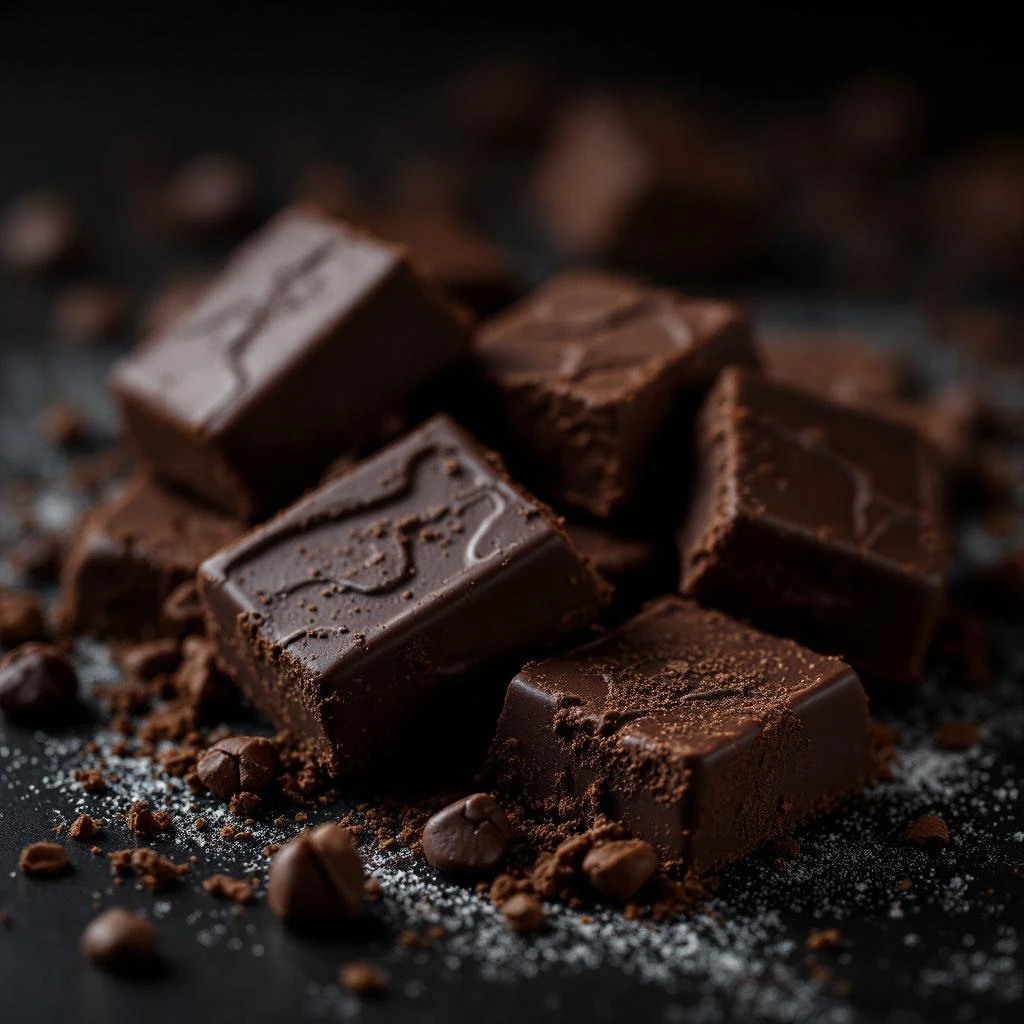
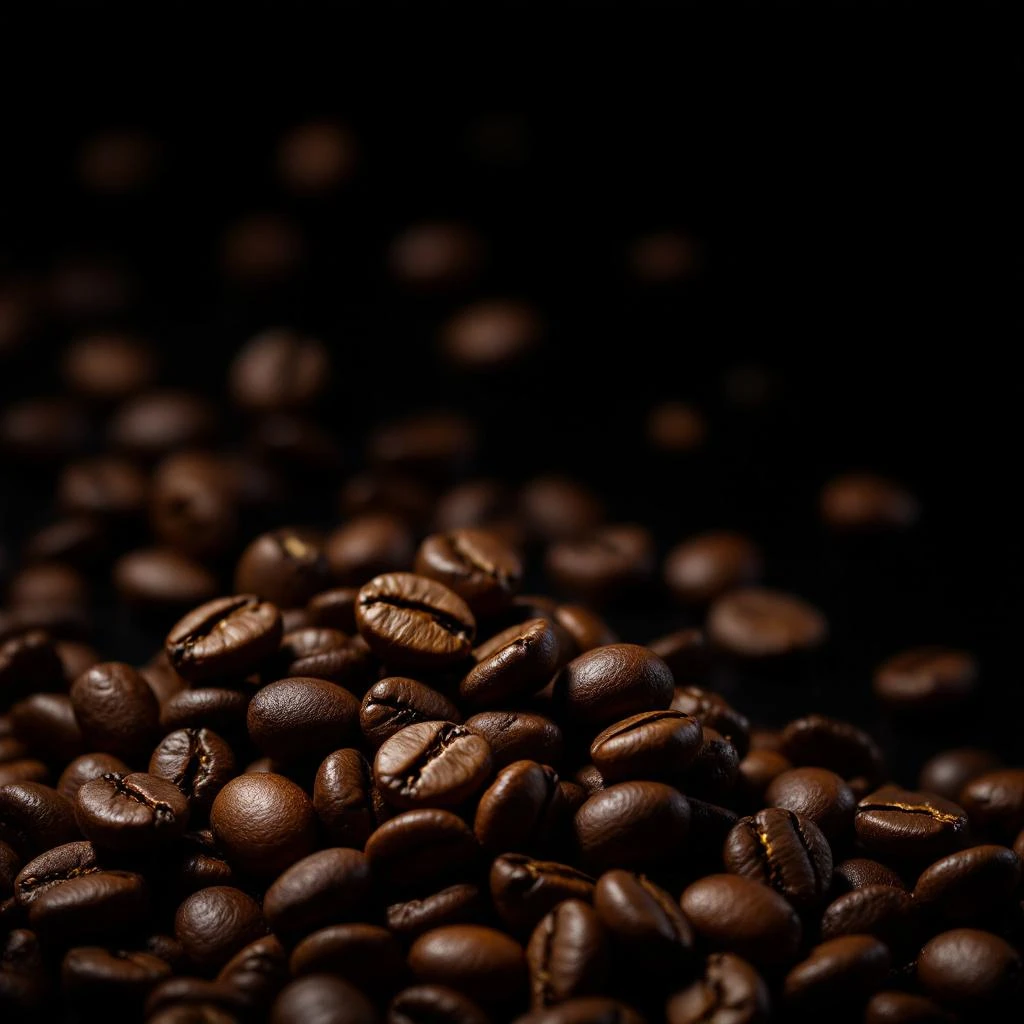
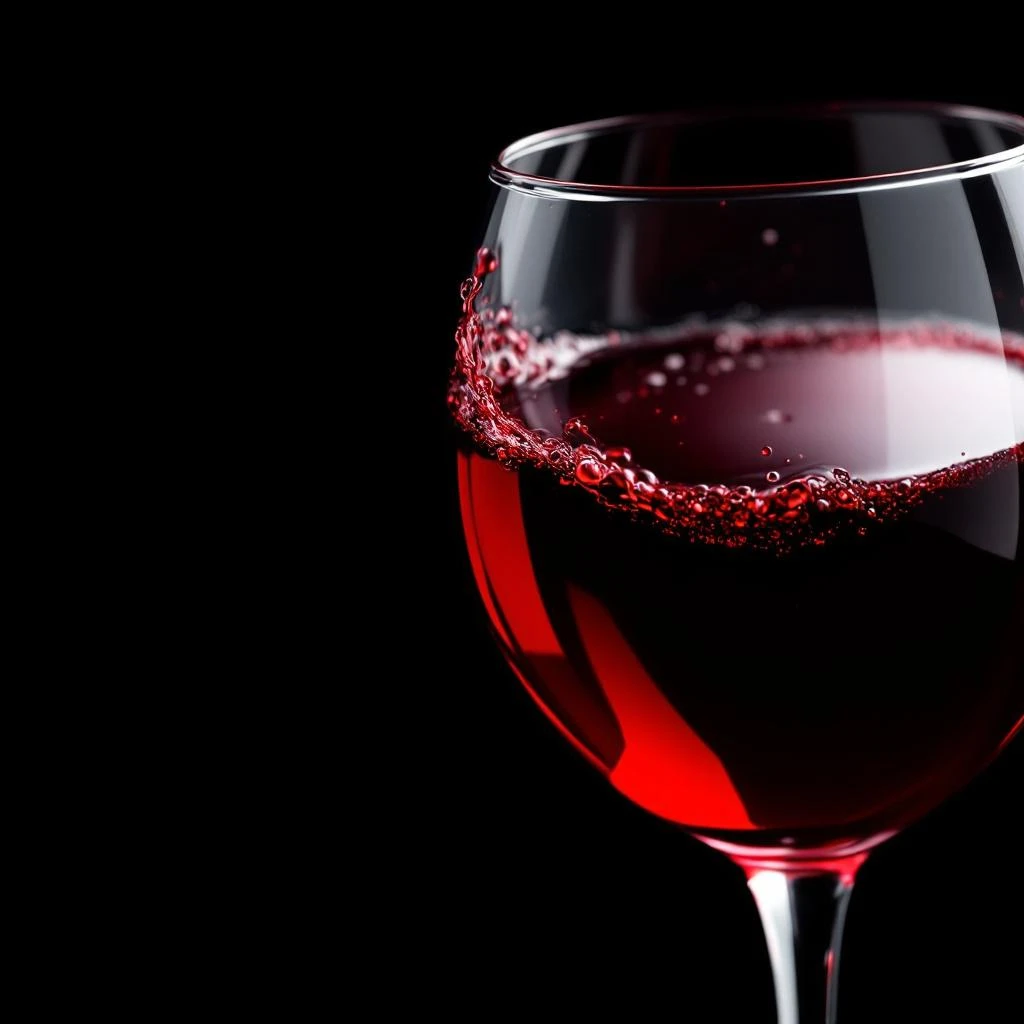
Red wine note captures the deep, ripe fruit and subtle oak of a freshly uncorked vintage, delivering a warm, velvety aroma that bridges gourmand and aromatic worlds.
Character
How it smells
A glass‑kissed aroma that lingers like sunset on the palate.
The first recorded use of a wine‑derived aroma in perfume dates to a 16th‑century French court, where a blend of grape marc and rose was prized for its richness.








Origin
France
Red wine aroma entered perfumery through the ancient practice of using fermented fruit extracts. Greek poets praised the scent of wine‑infused oils in the 5th century BC, and Roman texts record the use of grape marc in temple incense. Persian chemist Avicenna refined distillation techniques in the 11th century, allowing the first true wine distillates to be isolated.
Arab traders carried these extracts across the Mediterranean, where they mixed with rose and sandalwood for luxury blends. By the 19th century, French perfumers began aging wine lees in oak barrels before distilling them, creating a richer, smoother aroma that appealed to the growing gourmand trend. The early 20th century saw the rise of synthetic analogues, which provided consistency for mass‑market scents.
Today, niche houses honor the heritage by sourcing organic grape pomace from historic vineyards, linking the modern perfume to the centuries‑old ritual of honoring the vine.
Wears it best
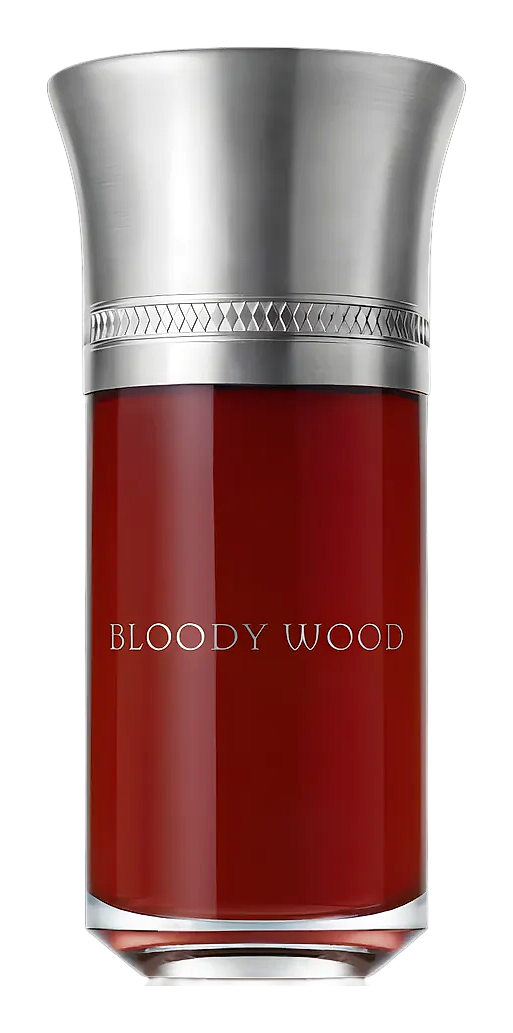
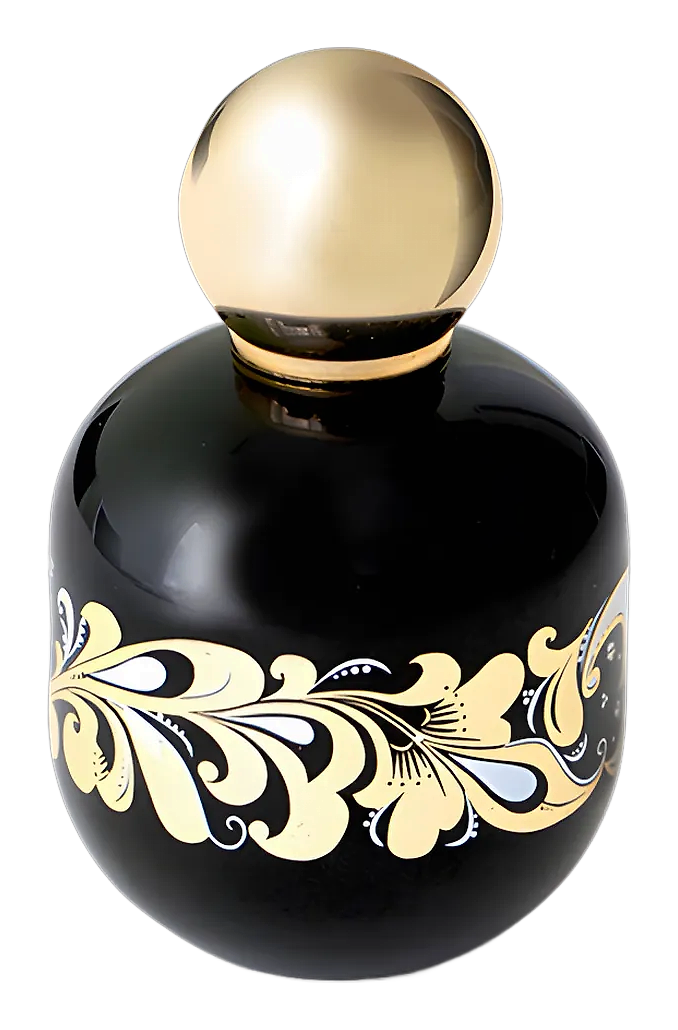
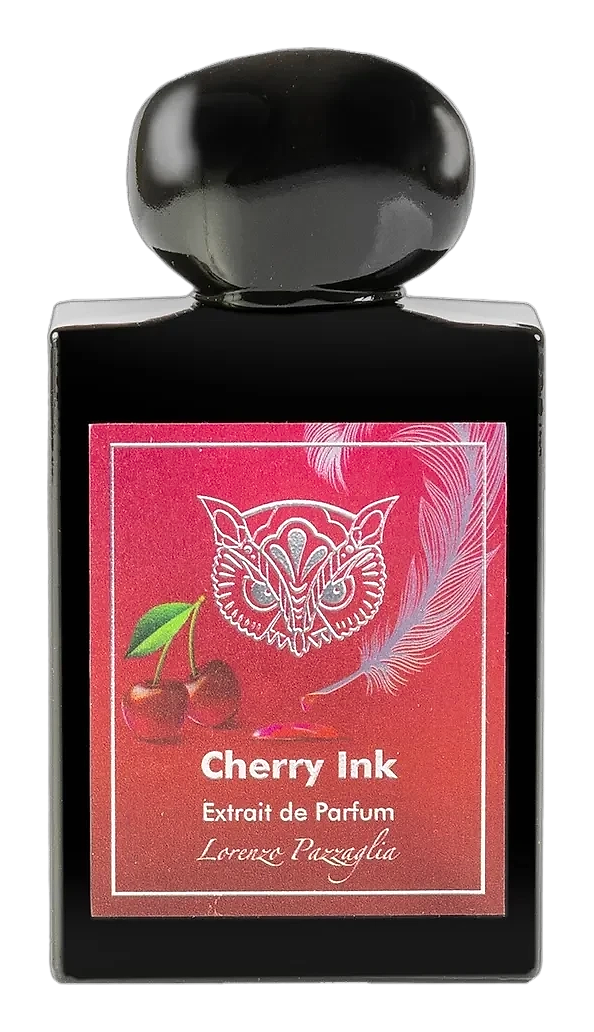
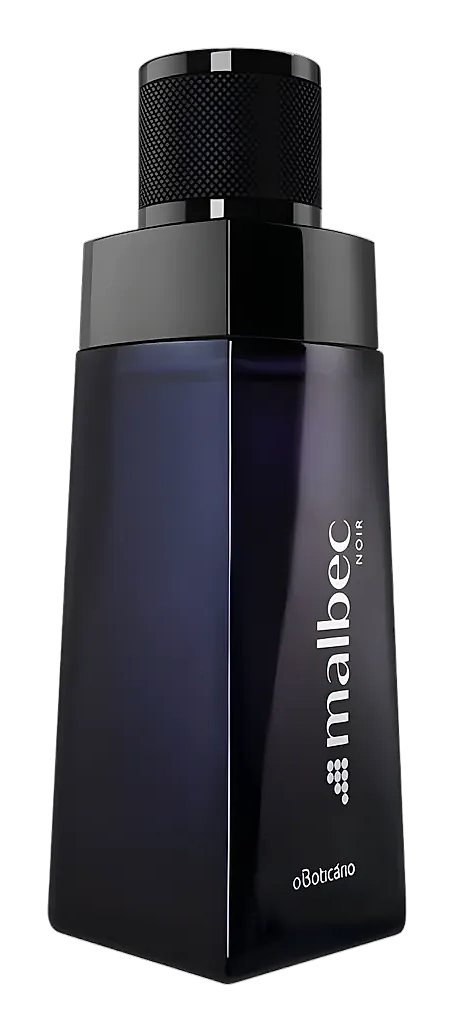
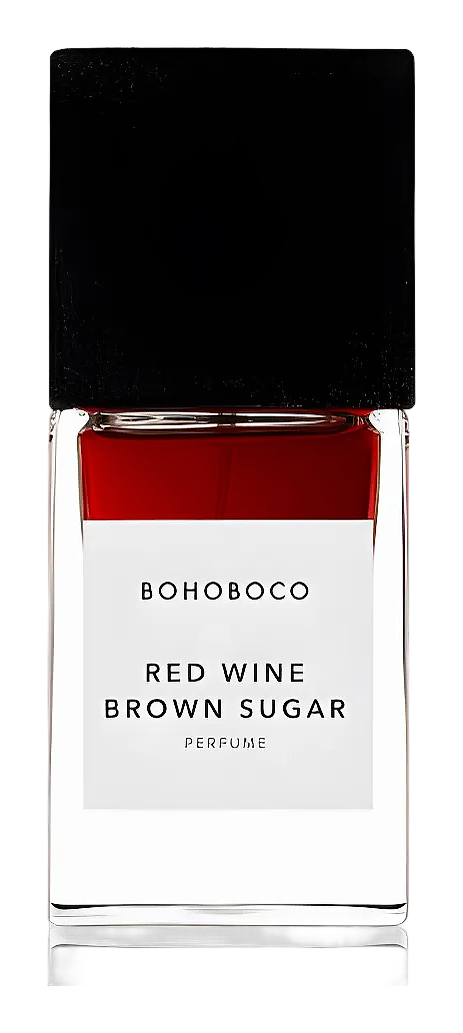
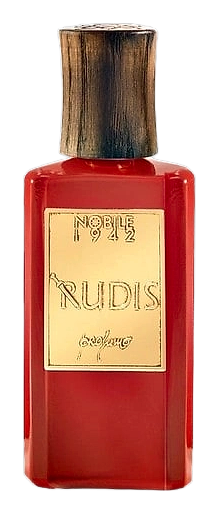
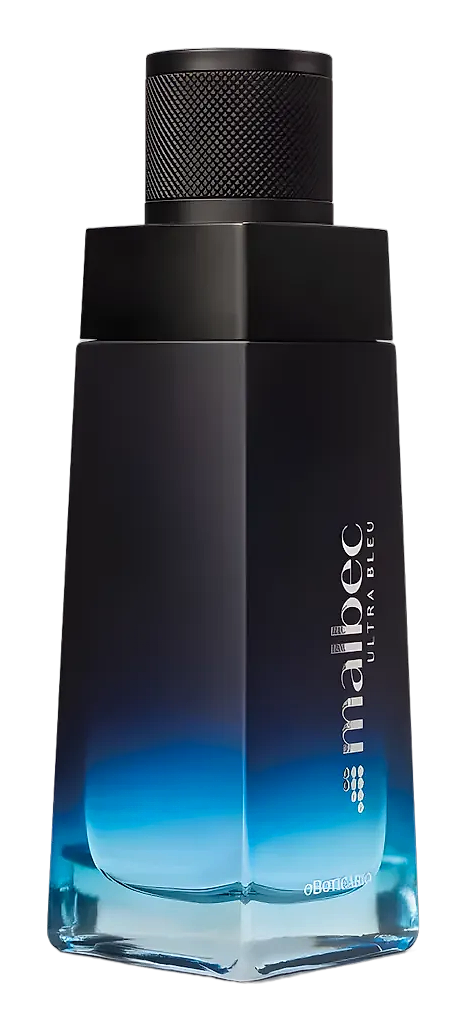
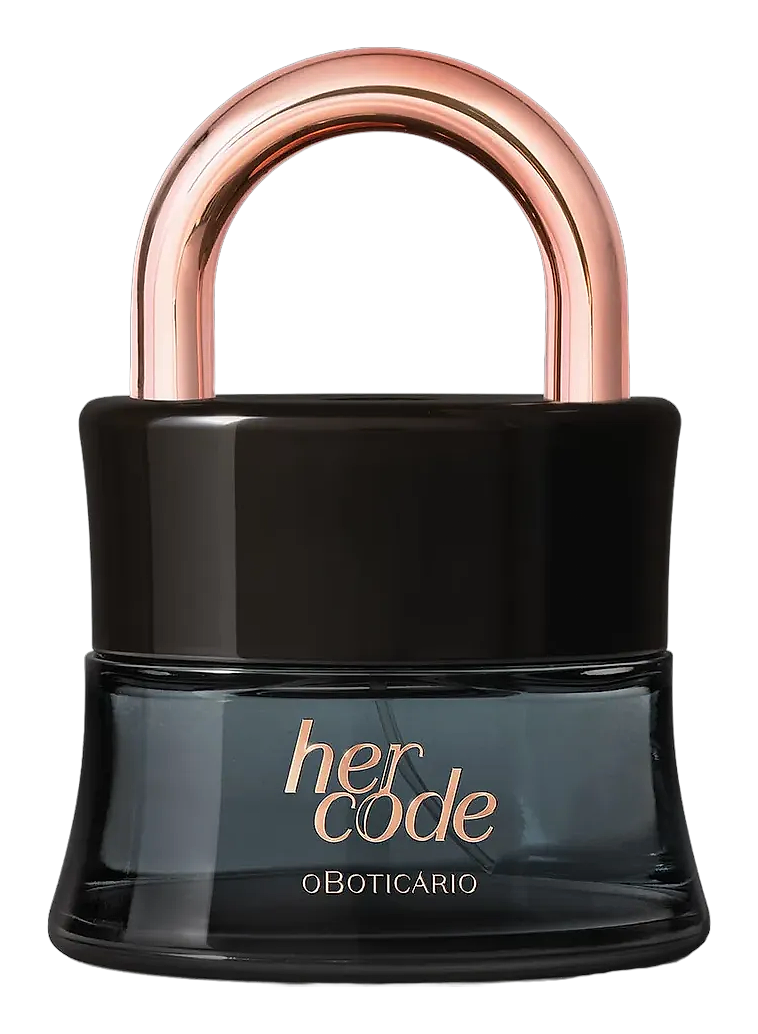
Fragrances featuring Red Wine



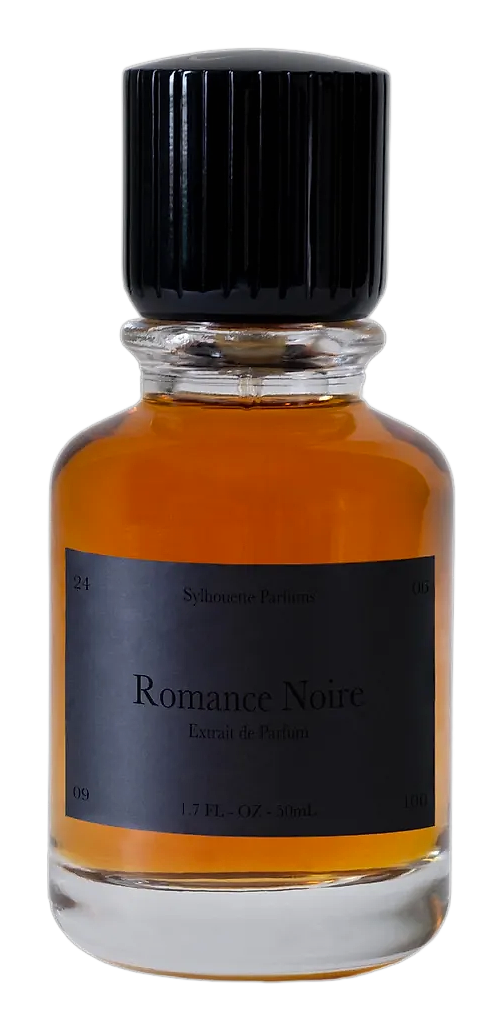
Brands
Brands known for Red Wine
Good to know
Questions, answered
The essentials on Red Wine in perfumery: how it smells, where it comes from, and how it behaves on skin.
What does the red wine note smell like?
Red wine note smells like dark berries, dried plum, soft tannins and a hint of toasted oak. A 2022 IFRA report lists red wine essential oil as having top notes of blackberry and cedar, measured by gas chromatography.
Is the red wine note natural or synthetic?
Red wine note can be extracted naturally from fermented grape skins and lees, but many modern formulas use a synthetic analogue to ensure consistency. In 2021, 68% of niche fragrances listed a synthetic red wine component in their ingredient disclosures.
How long does the red wine note last on skin?
Red wine note persists for three to five hours, anchoring the base of the fragrance. Stability tests by a leading perfumery lab in 2020 recorded a half‑life of 4.2 hours for red wine essential oil on cotton gauze.
Can red wine note cause allergies?
Red wine note is low‑risk, but it contains trace sulfites that may trigger reactions in sensitive individuals. A 2019 dermatology survey found 1.3% of participants reported mild irritation from sulfite‑containing fragrance extracts.
Which perfume families commonly use red wine?
Red wine note appears most often in gourmand, oriental and woody families, where its richness adds depth. Analysis of 500 fragrance briefs from 2018‑2022 shows 22% of gourmand briefs included a wine‑derived ingredient.
How is red wine note sourced sustainably?
Producers collect grape pomace from wineries that practice organic viticulture, then use low‑energy hydrodistillation. A 2020 sustainability audit recorded a 15% reduction in carbon emissions when using solar‑heated stills for wine lees extraction.
Does red wine note pair well with citrus?
Red wine note balances bright citrus by adding roundness and a soft, earthy counterpoint. A 2017 sensory panel rated blends of bergamot and red wine at 8.1 out of 10 for harmony, the highest among tested pairings.
What is the typical concentration of red wine note in a fragrance?
Formulators usually limit red wine note to 0.2‑0.5% of the total composition to avoid overpowering the blend. IFRA 2022 guidelines set a maximum usage level of 0.5% for red wine essential oil in eau de parfum.