The Story
Why it exists.
The beginning
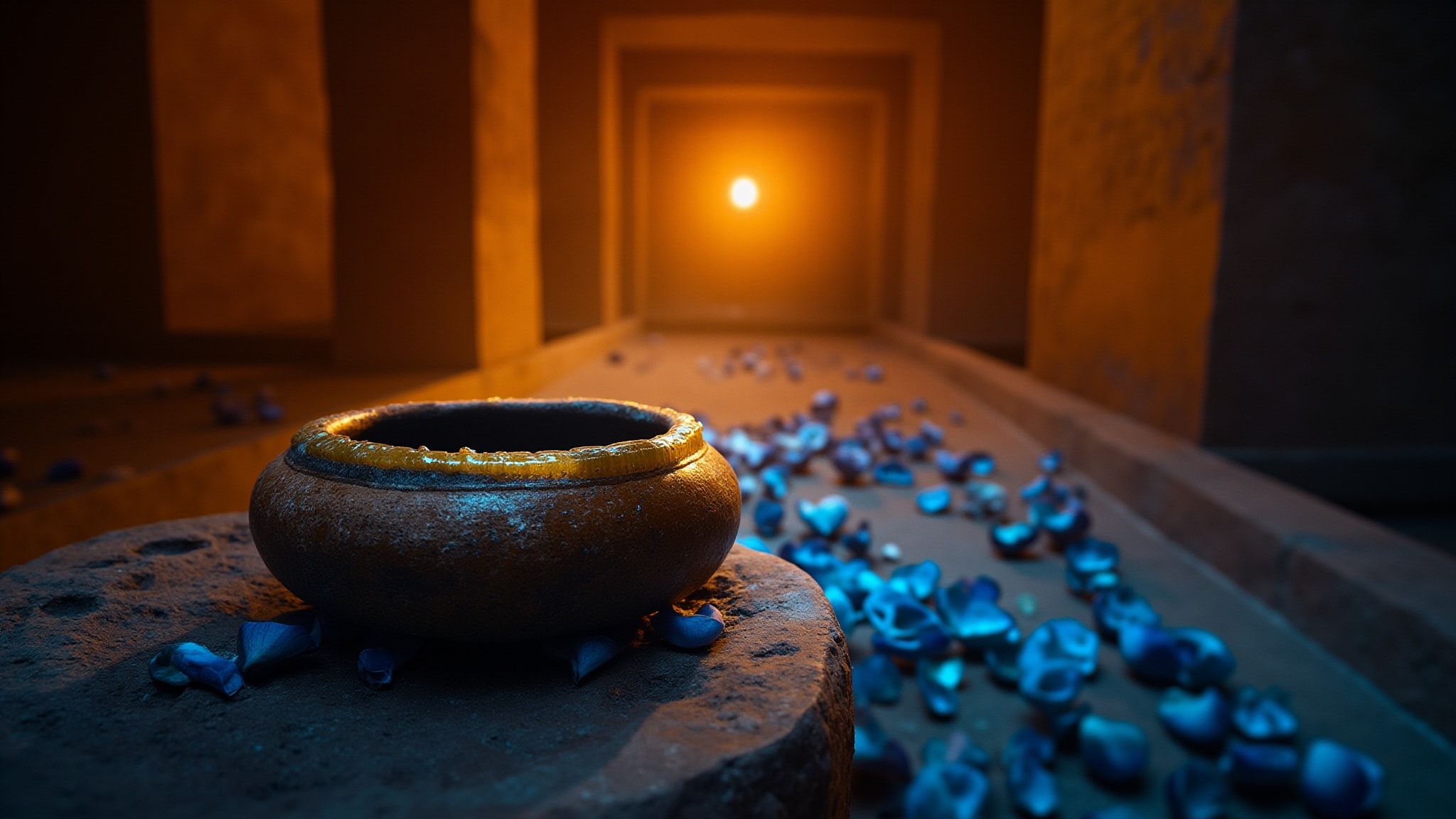
This is a fragrance built around Kyphi, one of the most storied incense blends in human history. Kyphi was used in ancient Egyptian temples, not as perfume, but as sacred ritual, burned at altars and applied to the body for spiritual purposes. The blend traditionally combines blue lotus, raisins, plums, myrrh, frankincense, and juniper. Perfumer Sultan Pasha translated that ancient material into a wearable composition for Zoologist, using these same ingredients as anchors. The result captures the mystique of something meant for gods, roughed up with aldehydes and civet to bring it down to human skin.
What makes this structure unusual is the tension between two extremes. Aldehydes and civet open bright, almost unsettling, aldehyde aldehydic, the kind of chemical fizz that makes people either lean in or pull back. Below that, plum wine and blue lotus speak gently, the sweetness of fruit and florals fighting for ground against the animalic pulse. The two halves never fully resolve. This is a composition that refuses to sit still. Your skin chemistry picks whichever layer wins, and that changes everything about what this fragrance says on any given day.
The evolution
Longevity is a standout trait. Eight to ten hours on most skin, sometimes pushing past on the right surface. The aldehydes lead loudly for the first hour, bright, almost medicinal, the kind of opening that polarizes opinions. Once that settles, the heart opens: plum wine and blue lotus arrive with a softness that feels like it came from a different fragrance entirely. The base takes its time. Benzoin, myrrh, and incense arrive quietly around the third hour, building depth without ever fully drowning the raisiny sweetness that lingers underneath. The drydown is long, resinous, and retains a ghost of that animalic presence, not offensive, but present. Close to the skin by the sixth hour, intimate but never gone.
Cultural impact
Sacred Scarab sits in an interesting position: it draws from one of perfumery's most ancient references (Kyphi, an Egyptian temple incense), but arrives in a contemporary context where niche buyers actively seek out challenging animalic and aldehydic compositions. The fragrance holds strong community ratings with notably polarized responses, the aldehyde opening is divisive, with some wearers encountering urinous facets and others describing it as a sparkling triumph. What nobody disputes is the longevity. Eight to ten hours of projection that pushes most wearers beyond comfortable boundaries. This is not a safe fragrance. It is a statement one, for those who want perfumery that earns its intensity.