
The Story
Why it exists.
The beginning
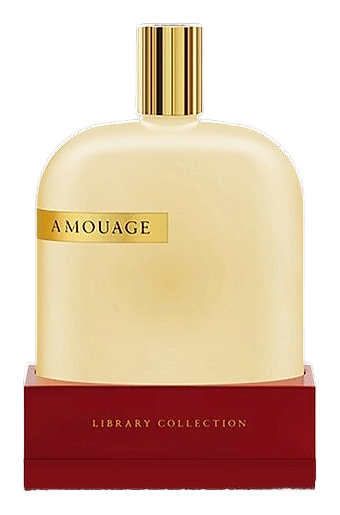
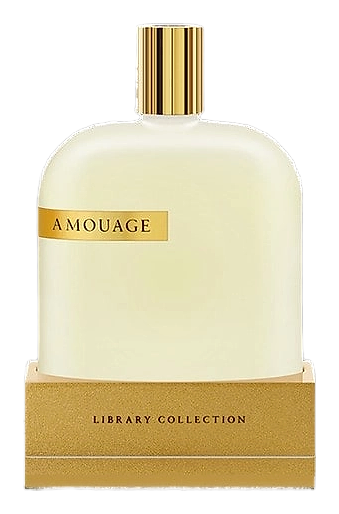
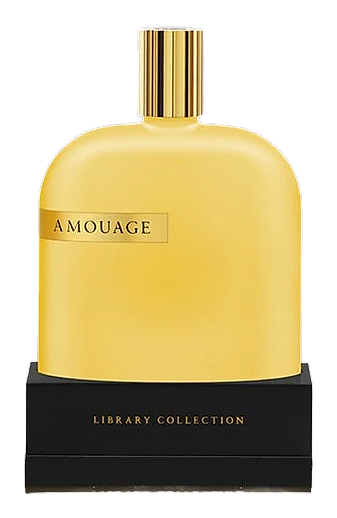
Bitter. Sweet. Spiced. That's how Opus I opens. In 2010, Amouage's creative director Christopher Chong asked Daniel Maurel to compose the first volume of the Library Collection, an anthology of fragrances built as olfactory essays rather than seasonal releases. No gender classification. No brief beyond the act of creation itself. Maurel answered with a chypre architecture: bitter orange and cardamom meeting dark plum, then yielding to something far less expected. Five white florals in the heart. Tuberose at the center. A bold structural choice in a warm, woody frame.
The gamble was the tuberose. Not as an accent, as the dominant voice. Ylang-ylang, jasmine, rose, and lily of the valley support it, but Maurel designed this heart to lead. The warm woody base of sandalwood, cedar, vetiver, and incense exists to frame those florals, not compete with them. The result is opulent but not suffocating. Tuberose doing exactly what it wants, in a composition that trusts the wearer to meet it. That's not a common move in luxury perfumery. That's an interesting one.
The evolution
The opening hits with cardamom and bitter orange, sharp, aromatic, alive. Plum softens the spice without diluting it. This phase lasts the first thirty minutes, a controlled burn. Then the florals arrive. Not gradually, the tuberose announces itself, creamy and slightly animalic, carrying the rest of the white bouquet with it. The drydown is where Opus I earns its reputation. Sandalwood and cedar wrap around incense and papyrus, warm and intimate, staying close to the skin for 8-10 hours. A faint trace lingers on fabric the next morning.
Cultural impact
The Library Collection launched during a period when niche perfumery was gaining mainstream traction, and Amouage positioned Opus I as an alternative to both mass-market luxury and the growing field of indie fragrances. The collection's resistance to classification, neither gendered nor seasonal, reflected a broader shift toward artistic freedom in high perfumery. For those drawn to tuberose as a statement note, Opus I became a reference point: opulent, warm, and unapologetically bold.